
Estimated read time: 5-6 minutes
Award-winning filmmaker Blair Treu is returning to the big screen with a story rooted in culture sacrifice and education.
His latest documentary, "Sharing Aloha," opens nationwide on Aug. 29 and tickets are already moving quickly.
For Treu, best known for family favorites like "Wish Upon a Star," "The Paper Brigade," and "Little Secrets," this project may be his most personal yet.
From the outset, Treu says the guiding principle behind "Sharing Aloha" was to be real, honest and authentic – and then to get out of the way.
"Our film crew was small and deliberately unobtrusive," he noted. "We didn't want the filmmaking process to interfere with the story itself. I knew that if we didn't get in the way, the authentic stories would naturally emerge."
What followed were raw, heartfelt accounts of resilience and growth.
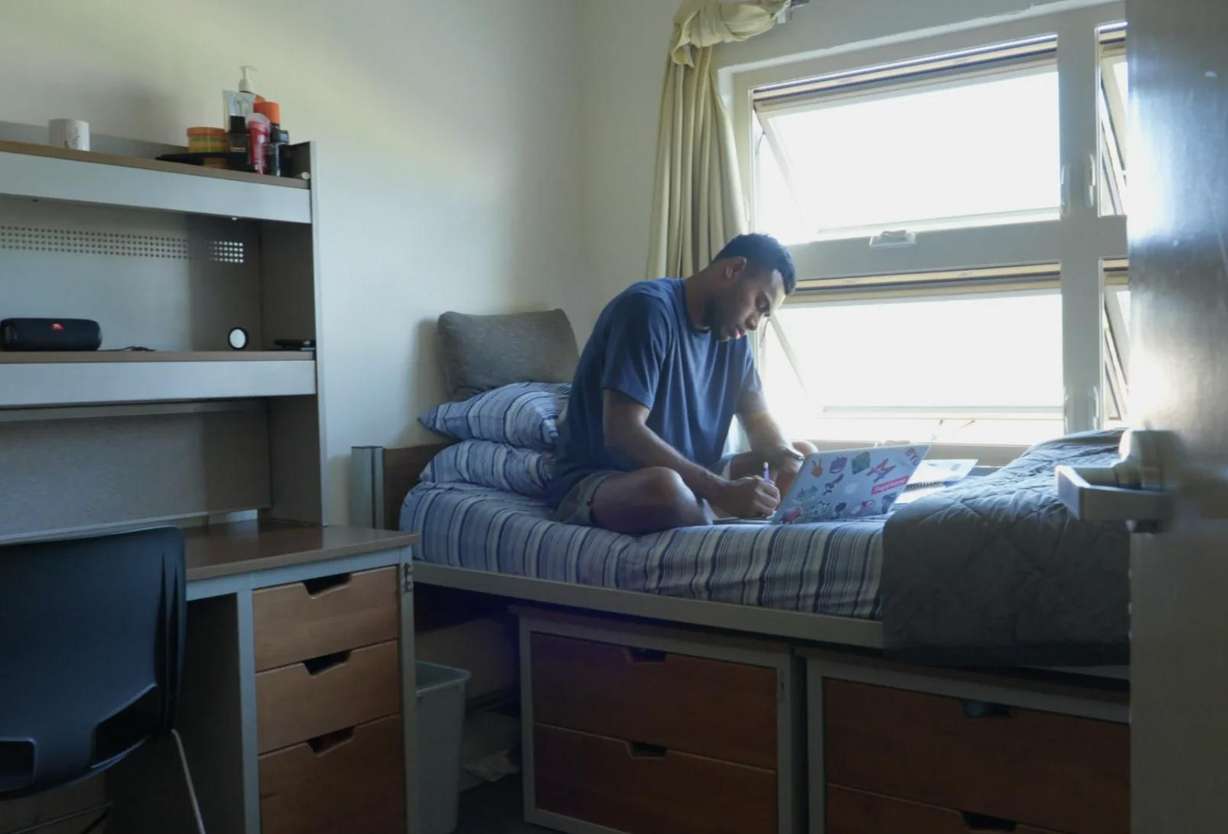
"This is really their story," Treu explained. "From incoming freshmen to outgoing seniors — what they've had to overcome to get there to stay there and to graduate. You want to support them and you see the Polynesian Cultural Center in a new light."
Behind the curtain in Laie
Set against the backdrop of the Polynesian Cultural Center in Laie, Hawaii, "Sharing Aloha" pulls back the curtain on the students who perform there nightly while studying at BYU-Hawaii.
More than 800 students from across the Pacific Rim — from Tonga and Samoa to Fiji, Tahiti and the Philippines — work at the PCC each semester to fund their education.
Audiences witness captivating fire knife dancers, drumbeats and high-quality production elements. Behind the scenes, however, is another story entirely.
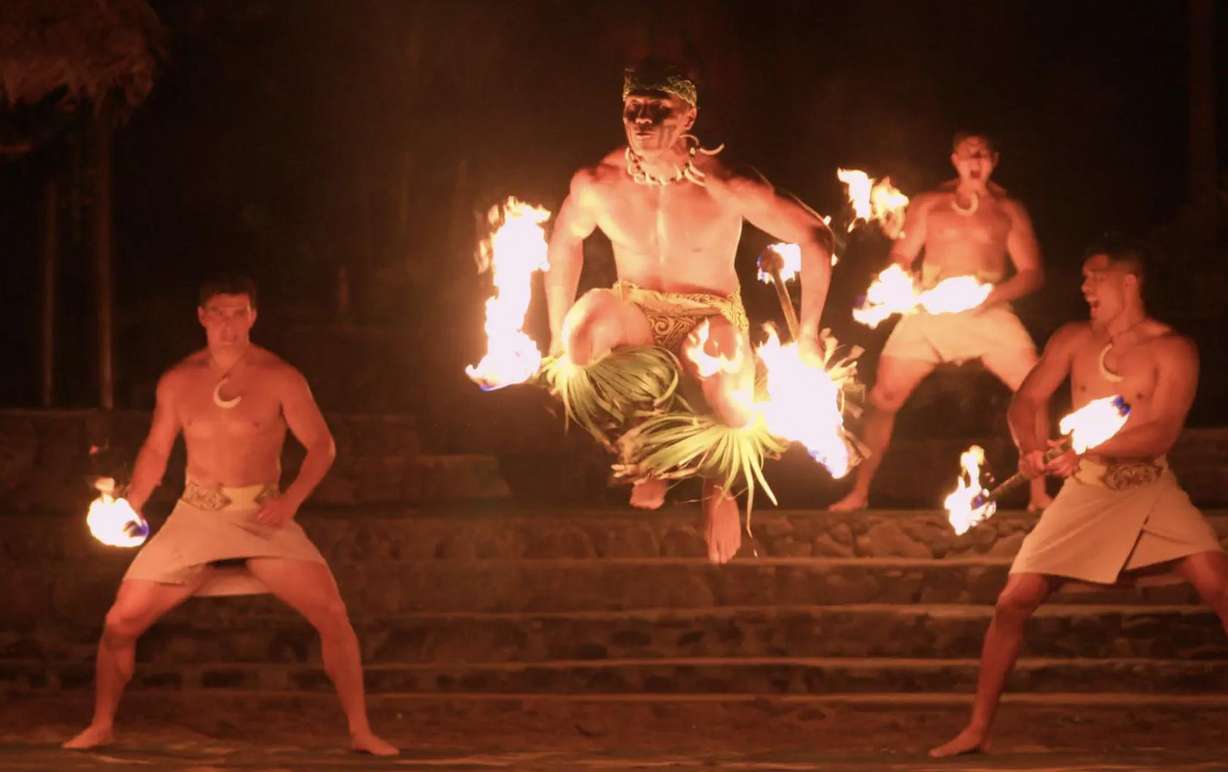
"It's chaos — in the most beautiful way," Treu said. "Students are swapping roles at the last minute because of exams. They're rushing through costume changes, balancing studies and still delivering unforgettable performances."
The film follows several students, not only on stage, but also back home to their islands where the sacrifices of their families come into focus.
In Tonga, Fiji and Samoa, Treu captured the deep roots that make every performance an act of cultural survival rather than merely entertainment.
A film with a mission
While "Sharing Aloha" has already earned acclaim at multiple film festivals, its mission extends beyond applause.
All proceeds from the film will go into a scholarship fund to support BYU-Hawaii students who work at the PCC.
Treu himself is forgoing any back-end profit.
"When you buy a ticket you're not just watching a film — you're helping a student graduate debt-free," he said. "Every dime from the box office and later from streaming flows back to scholarships. That's what makes this film different."
It's a model Treu hopes will inspire audiences to see the documentary not just as a film, but as a cause. "If you've ever worried about student debt or wondered how to support cultural preservation, this is a tangible way to help," he added.
From BYU to Hollywood to Hawaii
Treu's path to "Sharing Aloha" has been as winding as it is accomplished.
As a BYU graduate he earned his film degree in 1985 and soon found himself working at Disney and Nickelodeon. From there came family films and church projects — and maybe even a niche cult classic or two.
Over the years, Treu has earned a reputation for blending entertainment with purpose. His missionary training series "The Safety Zone" made the dry topic of safety engaging enough to move the needle on accident rates for young missionaries serving for The Church of Jesus Christ of Latter-day Saints.
His 2014 documentary, "Meet the Mormons," reached global audiences before being shelved due to a church-wide rebranding.

But "Sharing Aloha," he admits, is special. "It speaks on a human level. If you've ever been a student juggling classes and work — or an athlete battling injuries — you'll recognize these struggles. Except here the stakes are even higher because education means opportunity not just for the student but for their entire family back home."
An invitation to audiences
The PCC Hawaii's most visited paid attraction welcomes nearly a million tourists a year. Yet Treu hopes his film will help audiences see beyond the spectacle to the sacrifice that fuels it.
Although some people sometimes call the efforts at the PCC cultural appropriation, those closest to it call it cultural survival.
"These young students aren't selling their heritage — they're preserving it, sharing it, and building their future on it," Treu said.
With "Sharing Aloha," Treu offers viewers more than a night at the movies.
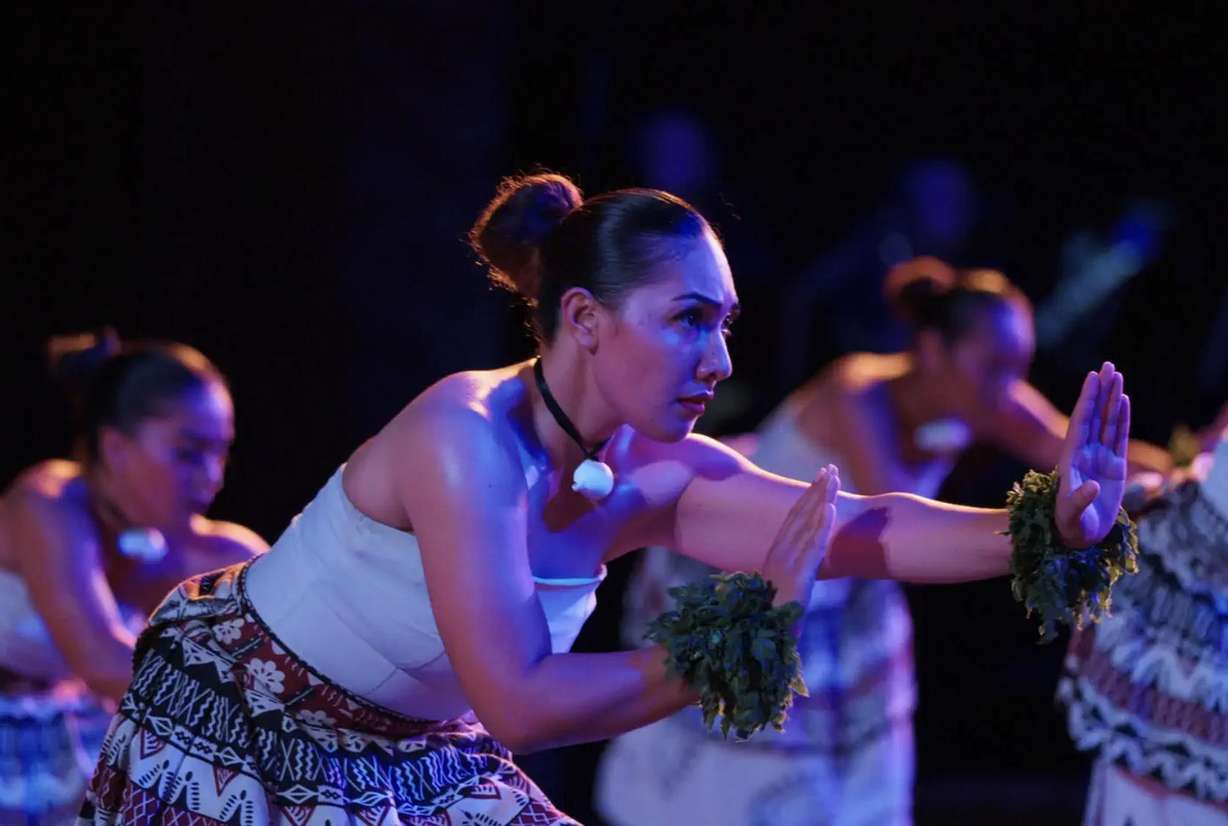
It's a chance to witness resilience, honor, culture and directly impact the lives of Polynesian students.
"Media should do no harm," Treu reflected. "But if we can do something good and uplifting at the same time as entertaining, then that checks all the boxes for me."
On Aug. 29 audiences will have the chance to see for themselves — and in the process help shape brighter futures for thousands of students across the Pacific.
Click here for tickets and more information.







