Estimated read time: 4-5 minutes
Over 21,000 Americans die every year from radon-induced lung cancer, yet most people don't know when they have been exposed to the radioactive gas. Here's everything you need to know about radon — and why testing your home today can prevent a lung cancer diagnosis in the future.
What is radon?
Radon is a radioactive gas that, similar to carbon monoxide, can't be detected by our senses. Unlike carbon monoxide, radon exposure doesn't cause immediate symptoms, and many people don't know they have been exposed to radon until they receive a stage three or four lung cancer diagnosis.
Radon is created when naturally occurring uranium deposits in the ground decay. Unfortunately, Utah's landscape is rich in uranium. In fact, 49% of homes tested in Utah by Alpha Energy Laboratories tested at or above the level mitigation is recommended.
While radon is not dangerous in outdoor air, it can become hazardous when it is concentrated indoors after rising through pores and cracks in a home's foundation. It does not matter how new or old a home is; radon can reach high levels no matter the age.
How does one know if they have high radon levels?
Radon can only be detected by certified at-home tests. All Utahns can get one free do-it-yourself test kit from UtahRadon.org or purchase one from local health departments and home improvement stores. Leading health organizations recommend testing for radon every two years, as levels fluctuate throughout the year due to environmental factors such as weather, construction, and natural disasters.
Every Utah resident should know that radon exists, it is radioactivity, and it's a cause of cancer. If you don't test, you don't know whether you have a dangerous house or not.
–Dr. Wallace Akerley, Huntsman Cancer Institute Oncologist
How is radon impacted by the weather?
Radon levels are, on average, 70% higher in the winter than in the summer. This is due to a phenomenon called the stack effect. Additionally, less radon can rise outside when snow is on the ground, which causes more radon to enter indoors. Finally, windows and doors tend to stay sealed during colder months, which allows more radon to concentrate inside.
As we transition from spring into summer, it's critical to test your home for radon now if you have not tested in the last two years. Testing in the summer can give you a false sense of security, especially if you don't retest in the colder months.
For example, if someone tested their home in the summer and their results were 1.7 pCi/L (which is considered a low radon level), their winter level would likely be around 2.9 pCi/L (which is considered a high radon level). The EPA recommends considering radon mitigation at 2.0 pCi/L, and the WHO recommends mitigation at 2.7 pCi/L.
What is the risk of radon exposure?
Not only is radon the leading cause of lung cancer in non-smokers, but it has also been linked to other diseases such as childhood leukemia and attention deficit disorders. Every year, countless preventable deaths occur from radon-induced illness.
Bill Johnson is a local Utahn who is no stranger to the impact of radon. In June 2023, Bill received a stage four non-smoking lung cancer diagnosis at the age of 43. His only symptom was back pain and by the time his cancer was diagnosed, it had spread to his brain, spine and hips.
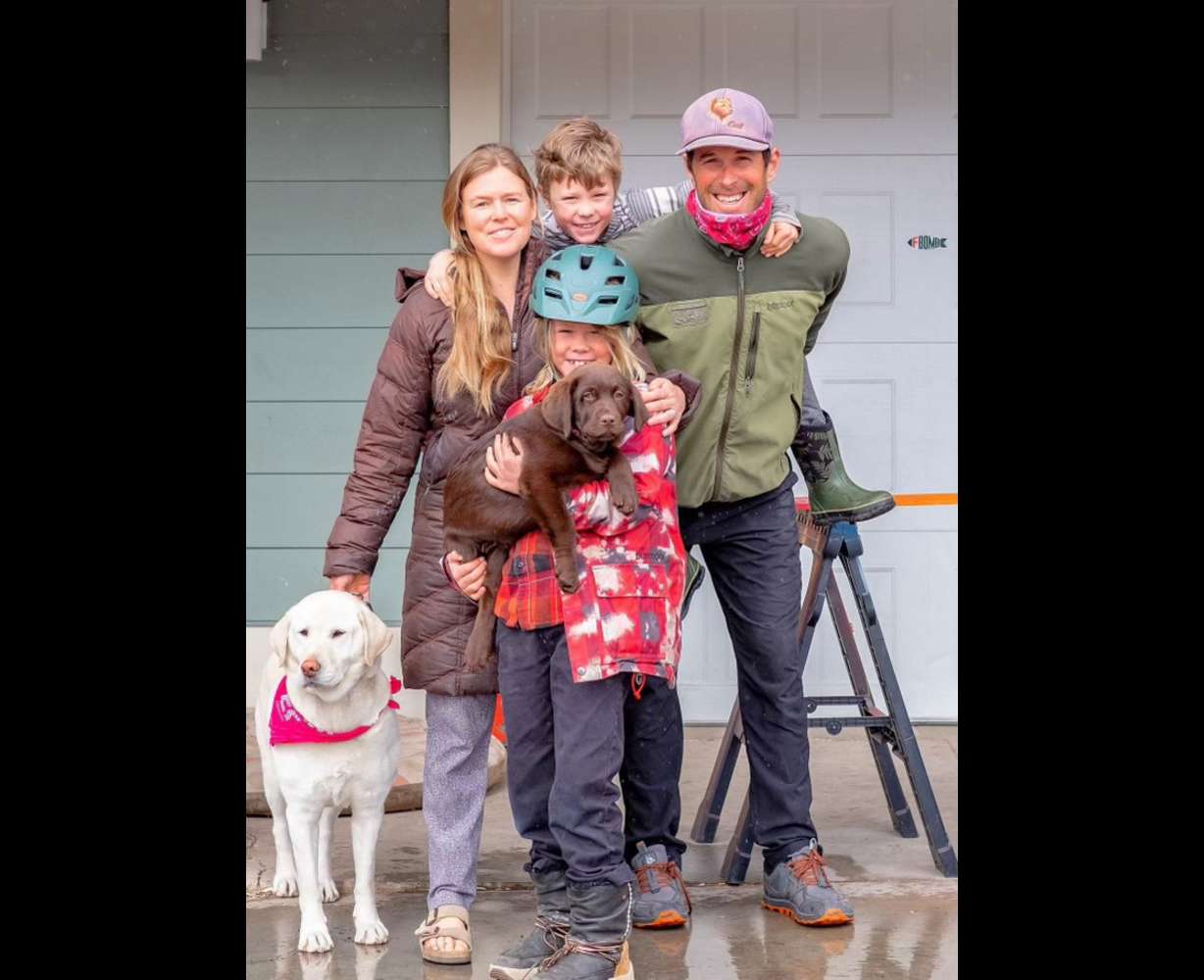
Bill tested his home for radon in 2009, then put it out of his mind. Like so many Utah residents, he thought since he had tested once, he was in the clear. "The message I would like to convey to the entire State of Utah is the importance of monitoring radon. Radon levels change with the variables of the seasons, the weather, and the ventilation within your house. I have to think about my boys growing up without their father because of something that is completely preventable.
What do doctors say about radon?
"Every Utah resident should know that radon exists, it is radioactivity, and it's a cause of cancer," explained Dr. Wallace Akerley, a medical oncologist at the Huntsman Cancer Institute. "It's something to think about more than once over the course of the lifetime of living in a house. If you don't test, you don't know whether you have a dangerous house or not."
Akerley was in the habit of regularly testing his home until he realized after the 2020 earthquake that rocked most of Northern Utah he had missed a few years. He tested again and found his radon levels had significantly increased. "To my surprise, even though I had checked several times before over the course of several years, we actually ended up with elevated radon levels in my house." Akerly had his home mitigated shortly after, and his radon levels returned to a low level.
Radon should be treated like any other health concern: Just because you received a clean bill of health a few years ago, it doesn't mean you're in the clear forever. One clear radon test does not mean you're safe in your home long term, especially if you test in the summer.
Click here to request a free radon test before the temperatures rise this summer — your health is worth it.