Estimated read time: 3-4 minutes
This archived news story is available only for your personal, non-commercial use. Information in the story may be outdated or superseded by additional information. Reading or replaying the story in its archived form does not constitute a republication of the story.
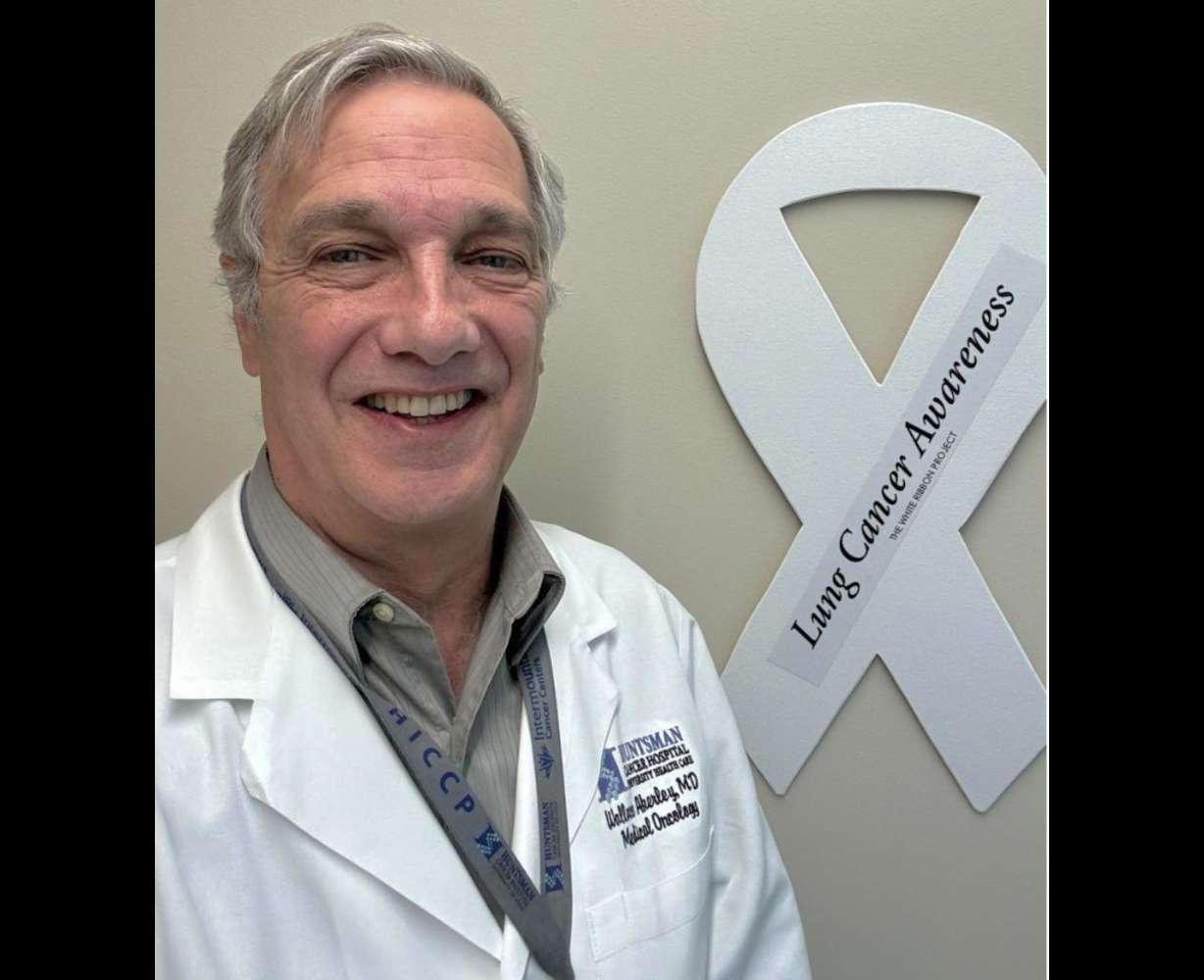
Dr. Wallace Akerley, a medical oncologist at the University of Utah's Huntsman Cancer Institute, wants all Utahns to test for radon, a gas prevalent in Utah that causes lung cancer.
And UtahRadon.org is making testing easier than ever by offering one free radon test kit per household. The shipping, kit, lab fees, and results are all free.
What is radon?
Radon is a radioactive gas that, similar to carbon monoxide, can't be detected by our senses. This gas is created when uranium in the soil naturally decays—and Utah has no shortage of uranium.
According to the Utah Geological Survey, Utah is the third largest uranium-producing state in the U.S., having a cumulative production of a staggering 130 million pounds.
"Radon is a radioactive material, [and] anything that's radioactive can damage our DNA," shared Akerley. Because it has no odor, taste, or color, many people do not know they have been exposed to radon until their disease has significantly progressed.
The EPA estimates that radon kills 21,000 Americans per year, which is enough people to fill every seat in the Delta Center.
If you've got a one in three chance of having a problem in your house today, at this moment, it's something that you should do something about…
–Dr. Wallace Akerly
In Utah, thousands of people have died from radon-induced lung cancer, and Akerley wants to make sure all Utahns understand what it is and how to protect themselves and family members.
"Most of the cancers we see in the cancer center are cancers you couldn't have done a whole lot about, but this is one that you really can do something about."
There is no need for any Utahn to have to endure a radon-induced lung cancer diagnosis when testing and mitigation procedures are available.
The local impact of a lung cancer diagnosis
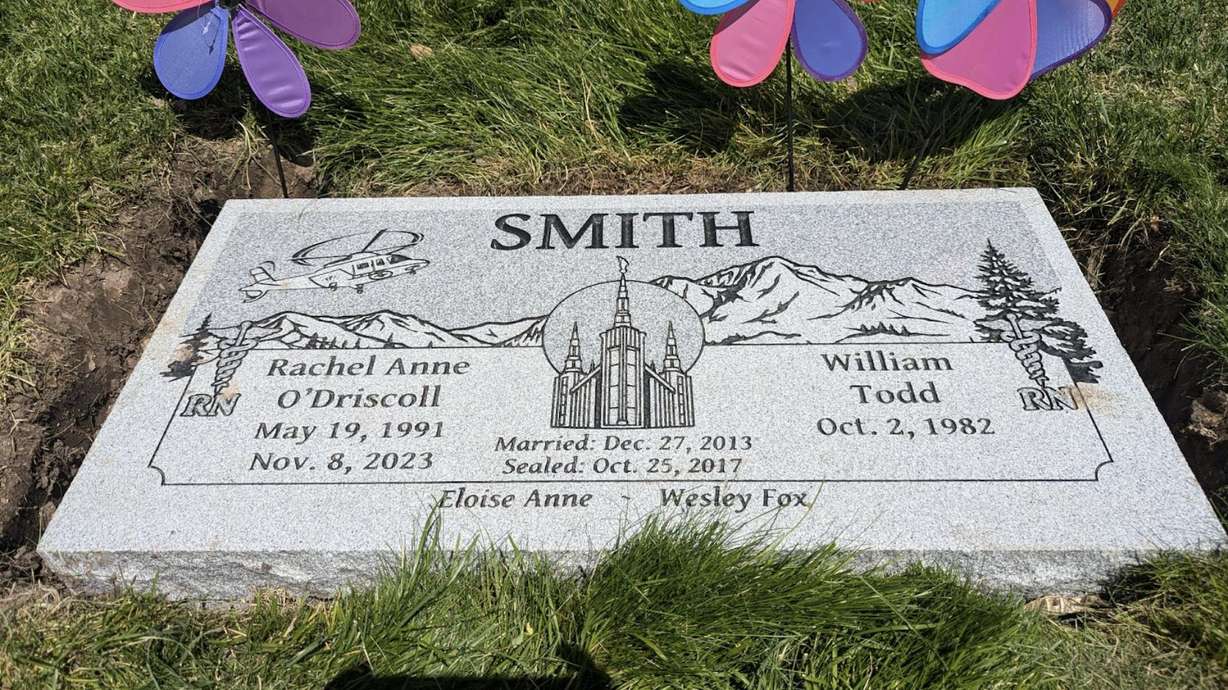
Todd Smith is a local oncology nurse who lost his wife, Rachel, to non-smoking lung cancer one year ago today after four separate lines of treatment. Rachel was a young 32-year-old NICU nurse who seemed very healthy before she was diagnosed with lung cancer.
Todd is now a single parent of two kids who advocates for radon testing so other families don't have to experience the grief that comes from a preventable loss.
"As a nurse working in oncology, I can tell you that it's not just smokers that are developing lung cancer, it's also young, healthy individuals who had their whole lives ahead of them," Todd shared with UtahRadon.org. "This is such an easy thing to test for—you have virtually nothing to lose and potentially everything to gain by being informed."
UtahRadon.org is offering one free radon test kit per household. The shipping, kit, lab fees, and results are all free.
How prevalent is radon in homes?
Every home has some level of radon exposure. How much depends on the concentration of uranium directly beneath our homes. Nationally, the EPA estimates one in fifteen homes has dangerous radon levels.
In Utah, one in three homes has dangerous radon levels or five times the national average. Because of this, Akerley firmly believes every Utahn should know about radon and test for it.
"If you've got a one in three chance of having a problem in your house today at this moment, it's something that you should do something about…The chance to go ahead and take care of something that you could have fixed is just a chance that one should never miss."
What you can do to avoid non-smoking lung cancer
Although our senses can't detect radon, it can be detected with a simple 48-hour test in your home. If your home tests high for radon, a radon mitigation system can be installed to lower the levels to a safer threshold. Get a free radon test kit from UtahRadon.org.