Estimated read time: 3-4 minutes
This archived news story is available only for your personal, non-commercial use. Information in the story may be outdated or superseded by additional information. Reading or replaying the story in its archived form does not constitute a republication of the story.
Radon gas is well-known for causing an estimated 21,000 lung cancer deaths per year in the United States. New studies have emerged showing radon may be even more insidious.
Recent data published in an article for Gillings School of Public Health at the University of North Carolina shows that areas with high radon levels may increase the incidence of non-malignant tumors up to 26% and strokes up to 14%. Additionally, a report in Scientific Reports found a relationship between radiation exposure, including radon, and central nervous system tumors. While additional studies are needed to confirm these findings, more reports are discussing the broader impact of radon on tumors and strokes.
A local's battle with radon-induced cancer
In 2022, Lehi resident Kerri Robbins received a shocking stage four non-smoking lung cancer diagnosis after a coughing fit that turned into confusion and disorientation. What started as a singular diagnosis quickly snowballed into metastasized cancer and several brain tumors.
"I would have never, ever dreamed that this could happen to me," shared Robbins. "I didn't know anything about radon. But let me tell you—it's very real. It not only affects you, it affects your spouse, it affects your children, it affects everything you do."
During a recent follow-up, Robbins's physician discovered one of the brain tumors appeared to be spreading, causing arm atrophy, fatigue, and difficulty speaking. In a conversation with UtahRadon.org, Robbins expressed that she wants to do anything she can to help people avoid a completely unnecessary diagnosis like radon-induced lung cancer and accompanying brain tumors that have completely turned her world upside down.
So many people living here have no idea what radon is or that they need to be concerned. I wouldn't take a chance; get your home tested, and if needed, mitigate.
–Kerri Robbins
What is radon?
Radon is a radioactive gas that rises from the ground when uranium in the soil decays. It seeps into homes through tiny pores and cracks in the foundation. Like carbon monoxide, it can't be detected by our five senses. Radon concentrates indoors, particularly in basements or the main floor of the house if there is no basement.
How is radon measured?
Radon is measured in picocuries per liter of air, or pCi/L. The national indoor radon average is 1.3 pCi/L. In Utah, the indoor radon average is 5.3 pCi/L. This is due to Utah's rich uranium deposits. According to the Environmental Protection Agency (EPA), a resident living in a home with a 5.3 pCi/L radon average has a similar lung cancer risk as smoking 11 cigarettes a day or being exposed to over 250 x-rays per year. Congress wants the national indoor radon average reduced to 0.4 pCi/L.
While low amounts of radon do not tend to pose an immediate risk, there is technically no "safe" level—and it's likely many Utahns are exposed to it daily. One in three Utah homes exceeds the EPA's radon level threshold, which strongly recommends installing a radon mitigation system. According to the EPA, "radon is the number one cause of lung cancer among non-smokers." Even though Utah has the lowest smoking rate in the U.S., lung cancer is still the number one cause of cancer deaths in Utah—and radon plays a key role in this.
What you can do about radon in Utah
When Robbins received her lung cancer diagnosis, her home tested at 32.0 picocuries per liter of air (pCi/L)—nearly 12X more radon than the WHO's baseline for high radon (2.7 pCi/L). Had her home been tested sooner, a radon mitigation system could have been installed, and her diagnosis may have been avoided.
"So many people living here have no idea what radon is or that they need to be concerned. I wouldn't take a chance; get your home tested, and if needed, mitigate," Robbins pleaded.
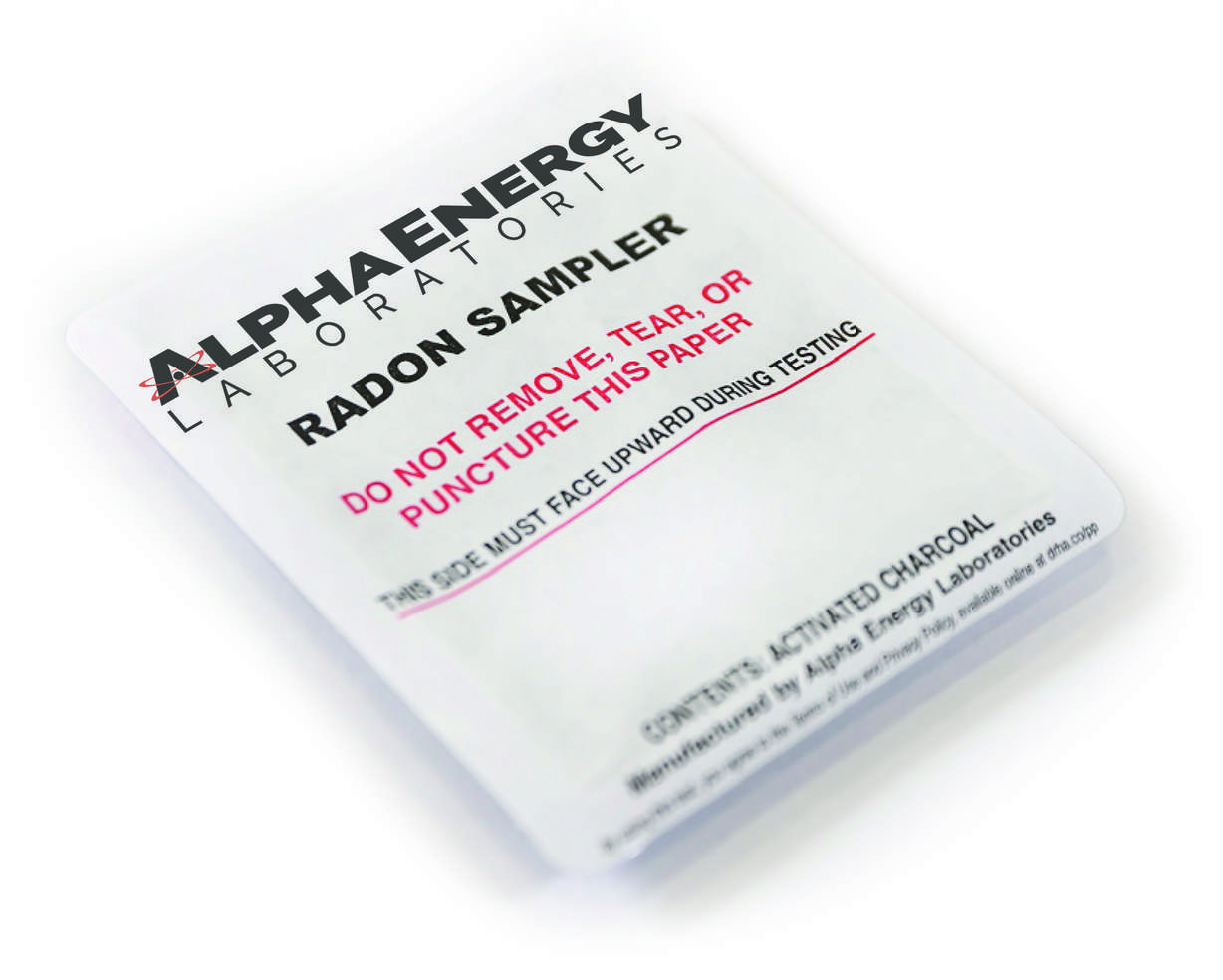
Federal guidelines and the EPA recommend testing your home for radon every two years. If you have not done that, now is a great time as UtahRadon.org is offering one free test kit per household this month. The free kit includes the test, shipping, and lab fees.
To request a free radon test kit, go to UtahRadon.org.