Estimated read time: 5-6 minutes
This archived news story is available only for your personal, non-commercial use. Information in the story may be outdated or superseded by additional information. Reading or replaying the story in its archived form does not constitute a republication of the story.
These days, the importance of having food on hand can't be overstressed. Once considered a practice reserved for the extremely cautious (or at least those with a lot of extra space in their homes), maintaining a stockpile of food and essential supplies has become a practical strategy for safeguarding against everything from natural disasters to employment uncertainty.
Stocking your pantries or other storage areas with nonperishable food ensures your family has what they need during emergencies and serves as a buffer during times of financial strain or supply chain disruptions. On a practical note, food storage can also serve as a hedge against inflation and price increases. By purchasing items in bulk and on sale, you lock in lower prices, which can help you manage your grocery budget more effectively over time.
In events like natural disasters — where grocery stores might be inaccessible or empty, utilities may be down or roads could be closed — having a food storage system can make the difference between facing hardship with resilience or experiencing greater difficulty and trauma.
Loma Linda University recommends having a three-day supply of emergency food that doesn't require any refrigeration, cooking, or too much water to prepare and eat. If you live with more than one person, everyone needs their own three-day supply.
And with the holidays over and warmer weather on the doorstep, this is a good time to assess your family's food storage situation.
Assessing your family's needs
The foundation of a solid food supply is an accurate assessment of your family's needs. To do this right, carefully consider several factors, including the size of your family, the age and dietary needs of each member and any special nutritional requirements.
Begin by calculating the amount of food your family consumes in a day, then use that to determine what would be needed for a three-day emergency scenario. The goal is to eventually build up to a more extended period — such as two weeks or even a month — ensuring you have a diverse range of non-perishable foods that can meet your family's nutritional needs.
Be Ready Utah explains it's also important to shop for foods that you actually enjoy eating. Don't just buy the green beans and tuna because they're on sale. If you have nothing but those to eat for three days, you'll be kicking yourself! Instead, get more of what you already use in your daily cooking and living.
When you do an inventory of what you have and what you need, be sure to check expiration dates. If you find yourself with a stockpile of items that are soon to expire, don't worry about throwing them out. Local food banks are in desperate need of canned goods and can use the items before their expiration dates.
Making a plan
Initiating a food storage plan doesn't have to be overwhelming. Begin with staples like water, grains (such as rice and oats), legumes (including various beans and lentils) and canned goods (fruits, vegetables and meats). These items are cost-effective, nutritious and can be stored for long periods.
Whenever you go to the grocery store, consider buying an extra can or two to add to your stash. If there's a case lot sale, like the one going on right now at Macey's locations, you can save even more money when you buy in bulk.
As you expand your storage, consider adding powdered milk, cooking oils and sugar or honey for additional variety and flavor in meals.
Keep in mind that proper storage is key to preserving the shelf life of your supplies. Select a cool, dark and dry area in your home to keep your stock, avoiding places with high temperature fluctuations or moisture, which can spoil food quickly.
Additionally, labeling items with purchase or expiration dates ensures you can rotate supplies effectively, minimizing waste.
Get a partner in preparedness
Macey's grocery store can be your food storage home base. They are currently running their biannual case lot sale, which can help you build up your emergency supply!
You'll find items such as canned vegetables, canned chicken, apple juice, soups, white rice and more on deep discounts. With the convenience of online shopping with in-store pickup or delivery options, Macey's makes it easier for families to prepare without the added stress of transporting heavy items.
If you're looking to prepare your family and give yourself some peace of mind in an uncertain future, start with food storage at Macey's case lot sale. Check out selection and prices in the Macey's Weekly Ad.
Use your stockpiled food to help someone now
Food insecurity is a significant problem in Utah with the Utah Food Bank reporting 317,000 Beehive State residents at risk of not having the food their family needs. The food bank works with 245 partner agencies and mobile food pantries with many of them currently low on food stockpiles.
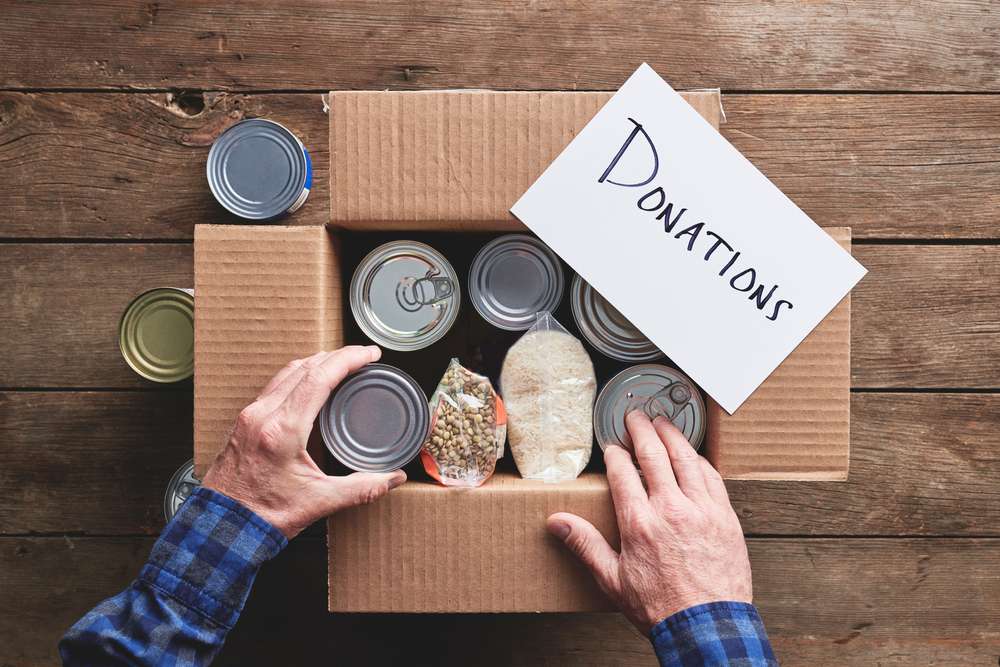
As you assess your family's food storage situation if you have canned goods that you know you won't use before they expire, consider donating them to a local food bank so someone can use them now.
If you are not sure where to drop off surplus food, Macey's and Lin's stores are doing a donation drive for area food pantries and canned goods can be donated on March 16 at all Macey's and Lin's locations.