Estimated read time: 4-5 minutes
This archived news story is available only for your personal, non-commercial use. Information in the story may be outdated or superseded by additional information. Reading or replaying the story in its archived form does not constitute a republication of the story.
Bunions, those pesky bony bumps on the side of your foot, are more common than you might think. In fact, they affect approximately a third of adults in the U.S. While some people might consider them a cosmetic issue, for others, bunions can be a source of persistent foot pain and discomfort.
If you're dealing with bunions, it's crucial to understand your options for relief. One highly effective and minimally invasive solution is bunion surgery.
What is a bunion?
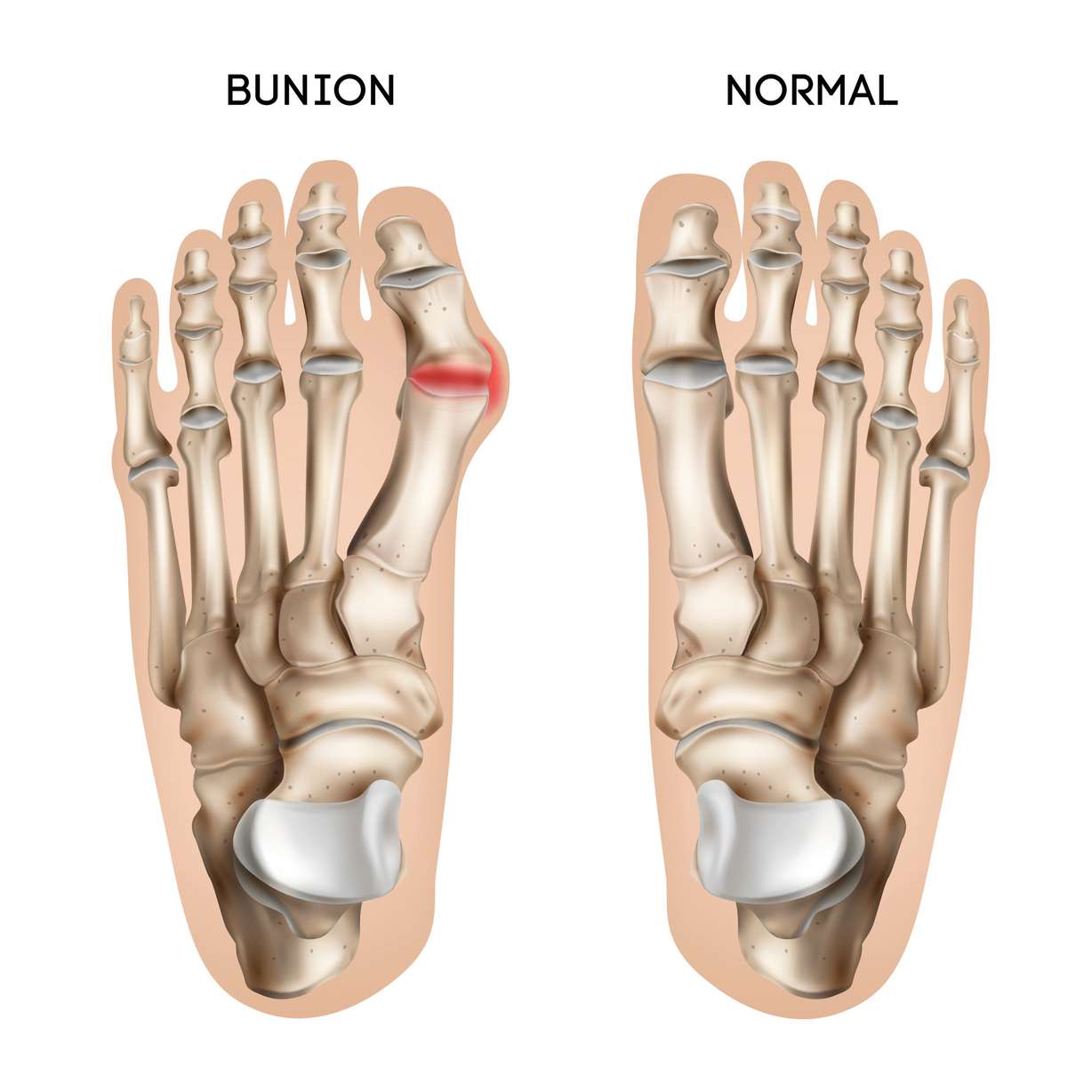
A bunion is a noticeable bony bump that forms on the side of your foot, typically at the base of the big toe. These protrusions develop as a result of pressure on the joint at the base of the big toe, causing it to shift out of place and angle toward the second toe. This gradual misalignment can worsen over time and may affect one or both feet.
As explained by orthopedic foot and ankle specialist Dr. Brian Powell of Peak Orthopaedics at Lone Peak Hospital, "Genetics play a significant role in the development of bunions. Some individuals are genetically predisposed to bunions due to the shape and structure of their feet. However, another common culprit is ill-fitting footwear. Shoes that are too small or constrictive in the toe area can promote the development of bunions, especially in those with a genetic predisposition."
Powell emphasizes that bunions are more prevalent in women than in men and typically manifest in adulthood, although some individuals may develop bunions at a younger age.
Types of bunions
Bunions aren't a one-size-fits-all condition. They come in various forms, including:
- Juvenile Bunions: Occurring in children, particularly girls, between the ages of 10 and 15.
- Acquired Bunions: These develop over time, often because of wearing ill-fitting footwear.
- Tailor's Bunion: Also known as a bunionette, these form on the outside of the pinky toe. They are less common than traditional bunions and often result from abnormal foot mechanics.
When to consider bunion surgery
The decision to undergo bunion surgery depends primarily on the amount of pain and discomfort experienced.
"Pain tolerance and individual preferences vary. For some individuals, even large bunions may not be painful, while others may experience significant discomfort due to smaller bunions, Powell says. "What's acceptable to some is not acceptable to others. If you're a barefoot, sandal-wearing person in a tropical climate, it may never bother you. But if you're an active individual who enjoys hiking and cycling, finding appropriate footwear can be challenging."
It's essential to set realistic expectations when considering bunion surgery. Surgical correction is the only way to eliminate bunions completely. Products like bunion regulators and toe spacers can provide temporary pain relief but don't offer a permanent solution. If conservative measures like changing footwear or modifying activities no longer provide relief, it may be time to contemplate surgery.
Benefits of minimally invasive bunion surgery
Minimally-invasive bunion surgery offers several compelling advantages, making it an attractive option for those seeking bunion relief:
- Smaller Incisions: Unlike traditional surgery, minimally invasive techniques involve tiny incisions, resulting in minimal scarring and a reduced risk of infection.
- Speedier Recovery: Patients often experience less post-operative pain and swelling, allowing for a quicker return to regular activities.
- Preservation of Tissue: This technique aims to protect healthy tissues, enhancing long-term outcomes and minimizing complications.
Powell confirms the effectiveness of minimally invasive bunion surgery. "It not only alleviates pain but also realigns the forefoot and the foot's weight-bearing axis, restoring normal foot function," he says.
Choosing the right path to relief
Your journey to bunion relief begins with a comprehensive evaluation of your specific condition and needs. If bunions are interfering with your daily life and conservative measures haven't worked, it may be time to consider minimally invasive bunion surgery.
Bunions can be more than just a cosmetic concern; they can cause significant discomfort and pain. Minimally-invasive bunion surgery, as recommended by Dr. Brian Powell, offers a path to pain-free and healthier feet. With smaller incisions, faster recovery times, and improved long-term outcomes, it's a game-changer in the world of foot care. Don't let bunions hold you back any longer—take the first step towards comfort and relief today. Your journey to pain-free feet starts here.

Dr. Brian Powell
Dr. Brian Powell is a fellowship-trained orthopaedic foot and ankle surgeon practicing at Peak Orthopaedics at Lone Peak Hospital in Draper. He has expertise in all areas of the foot and ankle, including total ankle arthroplasty and minimally invasive surgery. His other areas of interest include general orthopaedic trauma such as fracture care.Take action:
"Types of Foot & Ankle Pain You Shouldn't Ignore," is an informative seminar iInstructed by Dr. Brian Powell, a trusted expert in orthopedic foot and ankle care from the Peak Orthopaedics Clinic. The seminar will share the signs and symptoms to look out for, in order to live a pain-free future.
Register in-person or virtually and take the first step towards a healthier, pain-free future:
To schedule a consultation with Dr. Brian Powell, please visit Peak Orthopaedic Clinic's website: Schedule an Appointment.