Estimated read time: 5-6 minutes
This archived news story is available only for your personal, non-commercial use. Information in the story may be outdated or superseded by additional information. Reading or replaying the story in its archived form does not constitute a republication of the story.
Over time, ideas and philosophies about what makes an attractive landscape have changed. For decades, English-style landscapes were the standard and they remain popular in many areas. More recently there is a trend to focus on less formal native landscapes that require reduced effort to keep plants healthy and looking good.
Regardless of your landscape style, there are a few basic things to think about when it comes to landscaping around homes and the commercial, industrial and institutional landscapes of local communities.
The Northern Utah climate, which is considered a high mountain desert, has normal drought periods and periods of flooding. The past couple of years brought some of the most extreme drought conditions in recent history, resulting in water restrictions that were tight enough some residents struggled to keep landscapes alive–especially lawns.
Drought, in connection with a growing population and increased demands on water supply, has caused many to rethink the landscape expectation. This has caused a shift in the appearance of landscapes and what they now start to look like. Additionally, there is new legislation authorizing funds to incentivize the removal of lawns and replacing them with plants that require less water.
3 things to do right now to help your lawn stay green in July and August
Just like a cool drink of water revives you when you're hot, you can prevent your lawn from entering summer dormancy by irrigating more to keep things cooler and so the plants have adequate water, forcing them to stay a little more active than they naturally would. Here are three easy, inexpensive things you can do to get your grass ready for the heat.With all these changes in landscapes and the strain on water supplies and regional water systems, there is still room for landscaping and it is still important that plants be part of that important role in urban landscapes.
The shift in landscaping standards and styles might create confusion about what is the most appropriate way to landscape. Thankfully, it's possible to have an attractive property while limiting maintenance and reducing water demands.
A growing trend right now is removing vegetation and replacing it with some form of rock product to simplify maintenance and make the landscape a zero-water use area. In some areas of Utah where there is naturally little vegetation and lots of rock, these landscapes blend right into the natural setting.
However, in other areas "rockscapes" or "zeroscapes" as some call them, don't fit in suburban neighborhoods. Rock can look good and can certainly reduce water, yet there are some things to consider about the long-term potential consequences of removing all vegetation from landscapes.
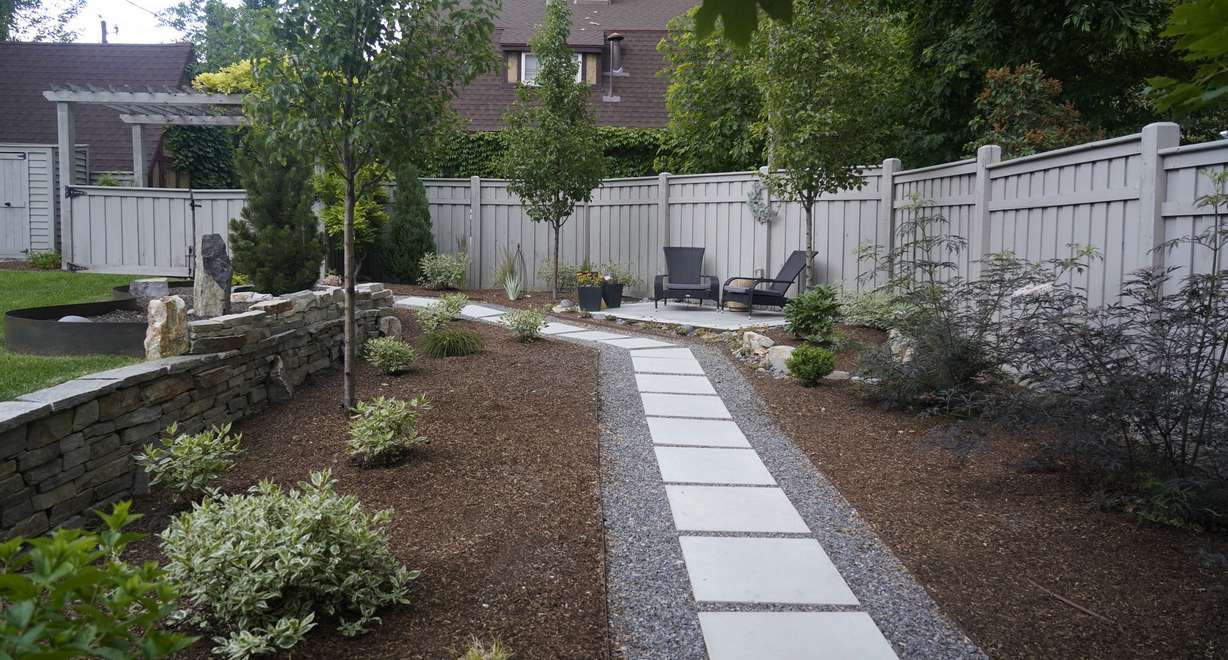
Here are some of the reasons plants play an essential role in landscaping, even when encouraging water-efficient and water-wise landscaping.
- Plants provide natural filtering for many urban settings and help improve air quality. They remove or sequester carbon dioxide and generate oxygen through photosynthesis.
- Plants reduce erosion and stabilize soil. Their roots anchor the soil, minimizing the amount of soil washed away by rain. By stabilizing hillsides they prevent soil from washing down to lower elevations or damaging water quality from high sediment flows after heavy rain that then enters into natural streams that supply drinking water.
- Plants transpire, which is the movement of water through small openings in their leaves (stomata). That keeps temperatures cooler around homes and buildings in hot summer months. This transpiration can make a significant difference to surface temperatures around a home or in commercial areas of communities.
- Plants serve in the function of small-scale food production in yards such as vegetable gardens, fruit trees, and in some cases, small areas for grazing animals. These plants, even though grown for specific functions, can also be aesthetic and create interest and variety in the landscape and contribute to the other benefits listed above.
- Plants provide shade. Just having a tree on a site can make such a difference to the aesthetics of a landscape, but also how it feels to be in that landscape or in a structure that may be shaded by some trees. Energy costs can go down if a home is partially shaded in the summer months. Trees are such a benefit in this cooling due to transpiration but also due to the shading they do which minimizes heat absorption and release from surface materials. Trees and large shrubs should be considered a benefit and value in our communities.
- Plants add interest and diversity to landscapes. The texture, the color of foliage and flowers, the fragrances, the types of bark, berries, etc. all play a part in why people enjoy landscapes in the first place.
- Health benefits from plants in a landscape are significant. Research shows green spaces and plants improve mood, stress and anxiety. Your home landscape and landscaping at work locations can play a positive role in overall mental health.
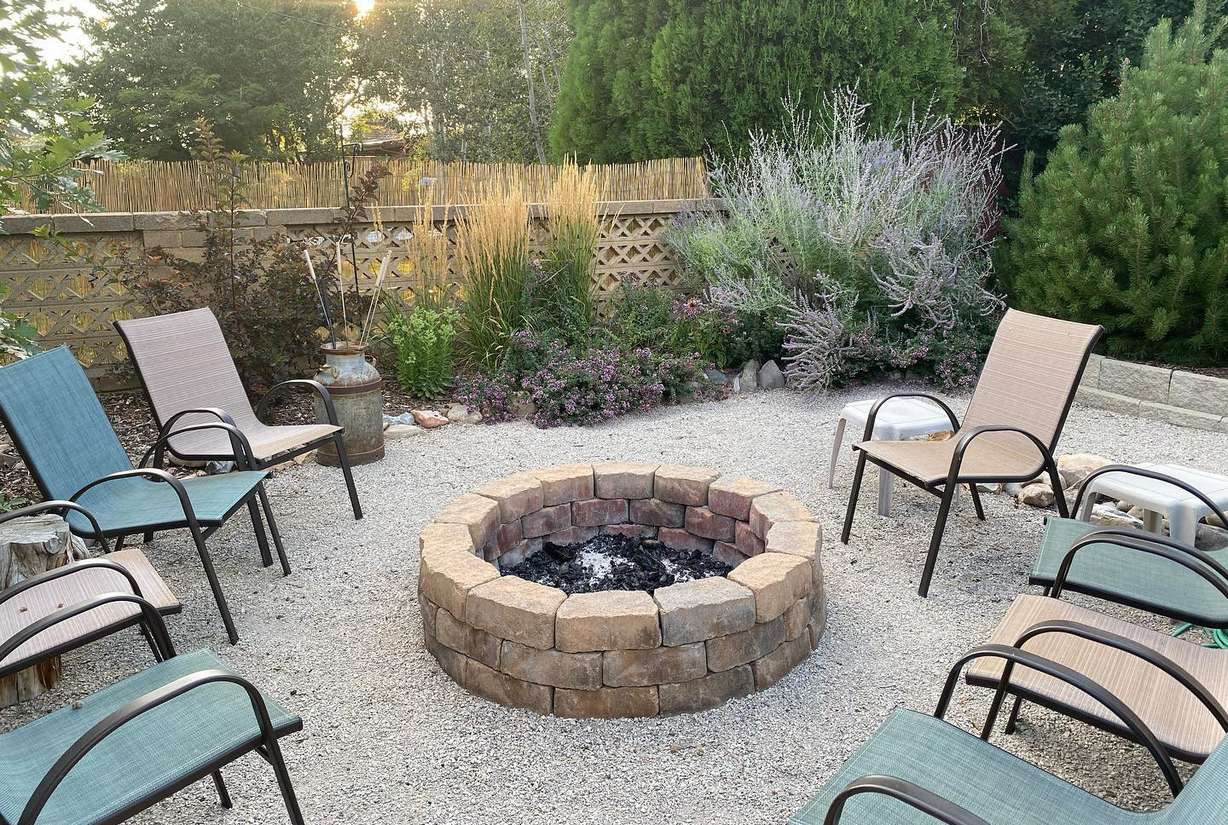
Each person has some personal experience that shapes why they like certain plants and why they want those plants. Some might argue that plants create work and use water needed for other things. While plants certainly use water, it is important to consider the benefits and then determine what plants can offer those benefits while balancing maintenance effort and water use.
There are hundreds of varieties of plants adapted to Utah's climate of hot, dry summers and cold, wet winters. Choosing the right plants and irrigating them correctly can achieve the desired benefits listed above and importantly, will help manage our precious water resources. It's possible to have water efficiency and still have green, attractive landscape spaces.
Plants are an essential part of Utah landscapes, even with increased demand for water, the uncertainty around local weather from year to year, and concerns over natural systems like the Great Salt Lake or even larger climate issues. Choosing the right plants and putting them in the right spaces can lead to beautiful, healthy landscapes while saving water.
Weber Basin Water Conservancy District and other regional water providers throughout the state have resources available to help all water users learn how to have more efficient landscapes. There are free classes, online resources, and free demonstration gardens to help with ideas and to teach you how you can enjoy the benefits of green spaces in your yard and community. Visit www.weberbasin.gov for more information and to do your part at becoming more water efficient while keeping your landscape beautiful.