'%3e%3cpath%20d='M34.1406%205.85938C30.3906%202.10547%2025.3047%200%2020%200C14.6953%200%209.60938%202.10547%205.85938%205.85938C2.10938%209.61328%200%2014.6953%200%2020C0%2025.3047%202.10547%2030.3906%205.85938%2034.1406C9.61328%2037.8906%2014.6953%2040%2020%2040C25.3047%2040%2030.3906%2037.8945%2034.1406%2034.1406C37.8906%2030.3906%2040%2025.3047%2040%2020C40%2014.6953%2037.8945%209.60938%2034.1406%205.85938ZM37.0117%2023.543H31.1602V13.5391H27.6328V19.9414C28.1211%2020.6914%2028.3711%2021.582%2028.3711%2022.5625V22.625C28.3711%2023.668%2028.1172%2024.6055%2027.6328%2025.4297V26.6094H36.082C33.4883%2032.9375%2027.2891%2037.3789%2020.0039%2037.3789C10.3711%2037.3789%202.62109%2029.6289%202.62109%2020C2.62109%2010.3711%2010.3711%202.62109%2020%202.62109C29.6289%202.62109%2037.3789%2010.3711%2037.3789%2020C37.3789%2021.1484%2037.2617%2022.2656%2037.0508%2023.3477C37.0391%2023.4141%2037.0234%2023.4766%2037.0117%2023.543Z'%20fill='white'/%3e%3cpath%20d='M22.3086%2018.5352C20.4336%2018.125%2019.9531%2017.8398%2019.9766%2017.1836V17.1406C19.9766%2016.6992%2020.3477%2016.2148%2021.4023%2016.2148C22.582%2016.2148%2023.8867%2016.6797%2025.0781%2017.4766L26.8516%2015.0195C25.4453%2013.8906%2023.707%2013.3398%2021.5547%2013.3398C18.5195%2013.3398%2016.4375%2015%2016.4063%2017.4766V17.5352C16.3633%2020.2617%2018.5859%2020.9805%2021.293%2021.6016C23.0391%2021.9766%2023.5703%2022.3164%2023.5703%2022.9609L23.5469%2022.9766C23.5469%2023.3906%2023.2578%2023.7031%2022.7852%2023.8359C22.5742%2023.9062%2022.1289%2023.9727%2021.5156%2023.9727C20.7617%2023.9727%2019.7539%2023.8633%2018.6328%2023.4844C18.0898%2023.2891%2017.4727%2023.0039%2016.8047%2022.6133L20.1406%2026.625C20.2813%2026.6602%2021.0977%2026.8516%2021.7734%2026.8516C25.0039%2026.8516%2027.0859%2025.2461%2027.1094%2022.6328V22.5703C27.1602%2020.1133%2025.2148%2019.1719%2022.3086%2018.5352Z'%20fill='white'/%3e%3cpath%20d='M5.24219%2013.5664V26.6133H8.75391V23.7578L10.2969%2021.9531L14.2031%2026.6133H18.3867L12.3555%2019.5195L17.4023%2013.5664H13.4531L8.75391%2019.0586V13.5664H5.24219Z'%20fill='white'/%3e%3c/g%3e%3cdefs%3e%3cclipPath%20id='clip0_97_2430'%3e%3crect%20width='40'%20height='40'%20fill='white'/%3e%3c/clipPath%3e%3c/defs%3e%3c/svg%3e)


Estimated read time: 5-6 minutes
This archived news story is available only for your personal, non-commercial use. Information in the story may be outdated or superseded by additional information. Reading or replaying the story in its archived form does not constitute a republication of the story.
It can happen to anyone. One day, someone knocks on your door, says in a friendly voice that they notice your roof could use some repairs and then offers to do the work for a minimal price. You hire said person, pay the agreed-upon upfront fee and then halfway through the project they disappear without a trace.
Or maybe you hire a contractor who initially offers a low quote and then encounters "unexpected" problems that will require much more money.
Or perhaps you learn after an expensive project that the construction team used substandard materials or didn't do the job correctly. And you're the one on the hook for all the extra expenses.
These situations — and many others like them — are examples of construction fraud or contractor fraud.
"Contractor fraud often ends up costing the victim twice because apart from losing a significant amount to the fraudster—whose inferior work may cause damage to previously undamaged parts of a home—a legitimate firm may also have to be paid to bring the work up to standard or repair the damage," Julia Kagan writes for Investopedia.
Unfortunately, construction fraud is far more prevalent than you might guess. Any Utah homeowner may find themselves a victim if they don't take the proper steps to protect themselves before hiring a contractor.
The Utah Department of Commerce, Division of Professional Licensing and Division of Consumer Protection have seen far too many cases like the ones above — and they don't want you to be next. To prevent something like this from happening to you, here are seven tips to keep in mind.
Verify the license
The very first thing you should do when hiring an individual is to verify that they have a license for the work they're doing.
"A license is a good sign that they've submitted themselves to government regulation," Mark Steinagel, director of the Utah Division of Professional Licensing, says. "It significantly increases the likelihood of success on a project and decreases the likelihood of fraud."
But don't just take their word for it — verify that their license is valid and active. The division's free online verification tool makes this easy.
Get multiple estimates
Get multiple quotes or estimates from different service providers and then check their references. This might help you identify any potential red flags. Steinagel says this is especially important in a market with labor shortages.
"Don't be less careful because it takes a long time to find a contractor," he warns. "If they apply any pressure and keep you from doing due diligence, walk away. Good contractors will support you in your due diligence. If someone is way lower than somebody else, it's probably too good to be true."
Get a written contract
Steinagel says that this is the most common problem his department sees when it comes to construction fraud. A detailed written agreement that clearly outlines the scope of work, timeline, costs and other relevant information can provide legal protection and minimize misunderstandings. This is just as important for contractors as it is for consumers, so it benefits both parties.

Use secure payment methods
Be careful when you're making payments. Instead of cash or wire transfers, stick to more secure payment methods, such as credit cards. This protects you in case of fraud. Also, avoid making large payments upfront. Steinagel points out that many good contractors will ask for money upfront but it's up to you to negotiate what you're comfortable paying and when.
Before making a final payment, make sure your contractor has signed lien releases from all suppliers and subcontractors. This means they're acknowledging that full payment has been made and the work is finished. Not getting lien releases could end up being a costly mistake.
"A homeowner may end up having to pay twice because the contractor doesn't pay the subcontractor," Steinagel explains.
Monitor progress
After you've verified their license and the work's begun, check in regularly with the contractor. Make sure they're sticking to the written agreements and that they've obtained the necessary permits. These permits should be displayed on the job site.
Trust your instincts
When all else fails, trust your intuition. Don't hire someone if something feels off or if the price seems too good to be true. It probably is.
Report suspected fraud
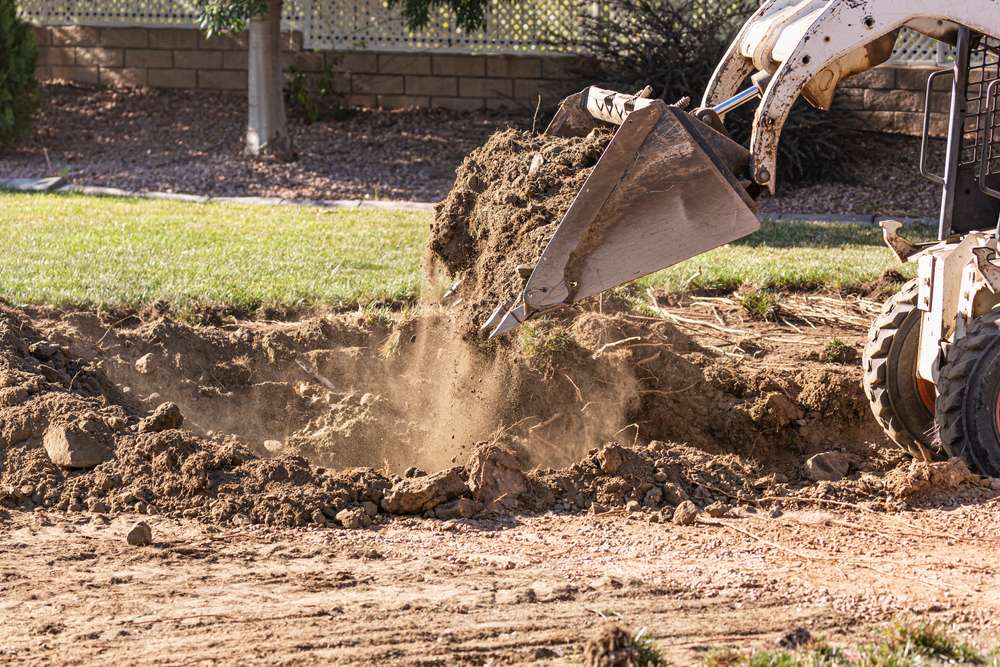
Finally, if you suspect you or someone else has been a victim of construction fraud it's important to act quickly. File a complaint as soon as possible with the Division of Professional Licensing making sure to provide relevant details, evidence and documentation. You can file a complaint within 10 years of an incident — but don't wait that long!
Further steps you can take to protect yourself
Each of the above steps will go a long way toward preventing construction fraud. At the very least, Steinagel says people should be verifying licenses and letting his department know as soon as possible if they encounter a problem.
Need a visual reminder of the steps you should take before hiring a contractor? Download the Department of Professional Licensing's "7 Steps to Home Improvement Success" flier.
If you want to take things a step further, follow the Department of Commerce, the Division of Professional Licensing and the Division of Consumer Protection on Facebook, Twitter and Instagram. This is the fastest and most efficient way to learn about the latest scams and ways to protect yourself against them. You can also learn more at scams.utah.gov.