'%3e%3cpath%20d='M34.1406%205.85938C30.3906%202.10547%2025.3047%200%2020%200C14.6953%200%209.60938%202.10547%205.85938%205.85938C2.10938%209.61328%200%2014.6953%200%2020C0%2025.3047%202.10547%2030.3906%205.85938%2034.1406C9.61328%2037.8906%2014.6953%2040%2020%2040C25.3047%2040%2030.3906%2037.8945%2034.1406%2034.1406C37.8906%2030.3906%2040%2025.3047%2040%2020C40%2014.6953%2037.8945%209.60938%2034.1406%205.85938ZM37.0117%2023.543H31.1602V13.5391H27.6328V19.9414C28.1211%2020.6914%2028.3711%2021.582%2028.3711%2022.5625V22.625C28.3711%2023.668%2028.1172%2024.6055%2027.6328%2025.4297V26.6094H36.082C33.4883%2032.9375%2027.2891%2037.3789%2020.0039%2037.3789C10.3711%2037.3789%202.62109%2029.6289%202.62109%2020C2.62109%2010.3711%2010.3711%202.62109%2020%202.62109C29.6289%202.62109%2037.3789%2010.3711%2037.3789%2020C37.3789%2021.1484%2037.2617%2022.2656%2037.0508%2023.3477C37.0391%2023.4141%2037.0234%2023.4766%2037.0117%2023.543Z'%20fill='white'/%3e%3cpath%20d='M22.3086%2018.5352C20.4336%2018.125%2019.9531%2017.8398%2019.9766%2017.1836V17.1406C19.9766%2016.6992%2020.3477%2016.2148%2021.4023%2016.2148C22.582%2016.2148%2023.8867%2016.6797%2025.0781%2017.4766L26.8516%2015.0195C25.4453%2013.8906%2023.707%2013.3398%2021.5547%2013.3398C18.5195%2013.3398%2016.4375%2015%2016.4063%2017.4766V17.5352C16.3633%2020.2617%2018.5859%2020.9805%2021.293%2021.6016C23.0391%2021.9766%2023.5703%2022.3164%2023.5703%2022.9609L23.5469%2022.9766C23.5469%2023.3906%2023.2578%2023.7031%2022.7852%2023.8359C22.5742%2023.9062%2022.1289%2023.9727%2021.5156%2023.9727C20.7617%2023.9727%2019.7539%2023.8633%2018.6328%2023.4844C18.0898%2023.2891%2017.4727%2023.0039%2016.8047%2022.6133L20.1406%2026.625C20.2813%2026.6602%2021.0977%2026.8516%2021.7734%2026.8516C25.0039%2026.8516%2027.0859%2025.2461%2027.1094%2022.6328V22.5703C27.1602%2020.1133%2025.2148%2019.1719%2022.3086%2018.5352Z'%20fill='white'/%3e%3cpath%20d='M5.24219%2013.5664V26.6133H8.75391V23.7578L10.2969%2021.9531L14.2031%2026.6133H18.3867L12.3555%2019.5195L17.4023%2013.5664H13.4531L8.75391%2019.0586V13.5664H5.24219Z'%20fill='white'/%3e%3c/g%3e%3cdefs%3e%3cclipPath%20id='clip0_97_2430'%3e%3crect%20width='40'%20height='40'%20fill='white'/%3e%3c/clipPath%3e%3c/defs%3e%3c/svg%3e)


Estimated read time: 5-6 minutes
This archived news story is available only for your personal, non-commercial use. Information in the story may be outdated or superseded by additional information. Reading or replaying the story in its archived form does not constitute a republication of the story.
Beef. It's what's for dinner. But where does the beef you buy come from? How is it raised and processed? As more people become aware of the industrialization and heavy processing that meat goes through to make it to their table, many are looking for better and more sustainable options.
Utah's Mosida Market has been raising local high-quality beef for more than 50 years. Not only do they raise local Utah beef, but they butcher it themselves—a rare feat in today's industry. That means Mosida Market customers get ultra-fresh, minimally processed cuts of beef that go straight from their family farm to your table. It's a truly exceptional product that bypasses today's system of meat being processed in a massive factory and then shipped hundreds of miles to a grocery store.
Here are six reasons that big-box supermarket meat just doesn't measure up to locally-grown beef.
Better flavor
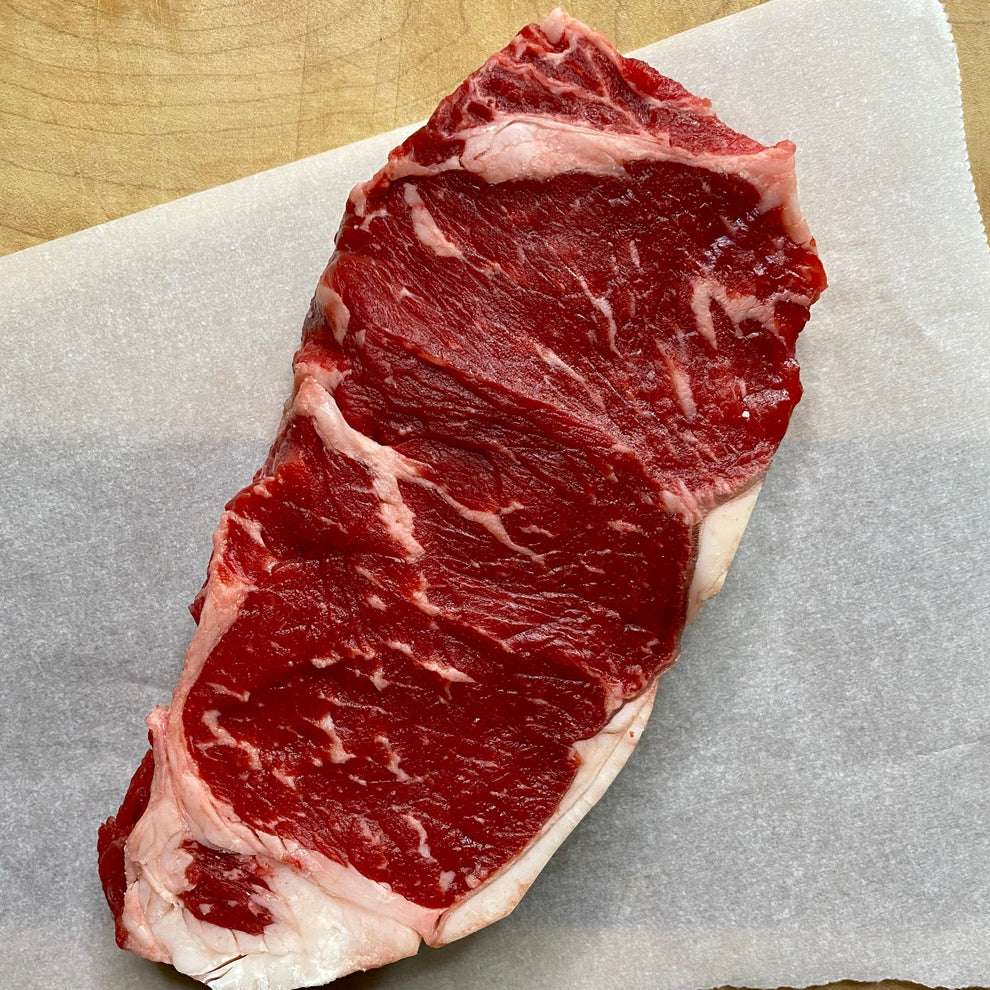
If you need convincing to switch over to local beef, all you need to do is taste it. Local meat simply has a better flavor due to its superior freshness. Since the cattle are cared for and provided with the best nutrition, meat from local farms is often better quality to start with. Then, due to minimal processing, the meat maintains its flavor and quality.
Mosida Market flash-freezes their meat at negative 40 degrees Fahrenheit, locking in flavor and preserving its taste. Most meat is frozen at a slower pace, resulting in ice crystals that damage the cell structure and compromise the texture and flavor of the product.
Healthier alternative
There is a widespread misconception that red meat is bad for you. Too much of anything can be unhealthy. When eaten in moderation, beef has health benefits that shouldn't be overlooked.
Beef is a complete protein, which means that it contains all the essential amino acids needed. A recent Healthline article reads, "Your body needs protein for muscle and tissue growth and maintenance. Beef is also a great source of vitamin B12 — a water-soluble nutrient necessary for nervous system functioning — and zinc, a mineral that's vital for the immune system."
You only run into trouble if you are eating an excess of red meat, especially highly processed cuts like hot dogs, bacon, and sausage. Locally raised meat is minimally processed and contains fewer chemicals and additives, making it a healthier alternative than meat from big-box stores.
Helps the local economy
Shop local isn't just a slogan you hear during holiday shopping events, it's a way of life for people in rural areas. When you buy local meat, you not only support farmers, but you are indirectly supporting all the local businesses within that farm's supply chain
Bridget Weston Pollack writes for the U.S. Small Business Administration writes, "For every $100 spent at a local business, $68 stays in that town. Spending $100 at a national chain means only $43 stays in town."
Buying from a local farmer keeps those dollars in your community, strengthening the economy around you.
Cater your meat consumption to your budget
Perhaps you've been on the receiving end of eye-watering prices at the grocery store lately. According to the Bureau of Labor Statistics, the average price for lean ground beef in April was more than $6 per pound, and if you're grabbing one every time you need to cook it for dinner, the cost adds up quickly.
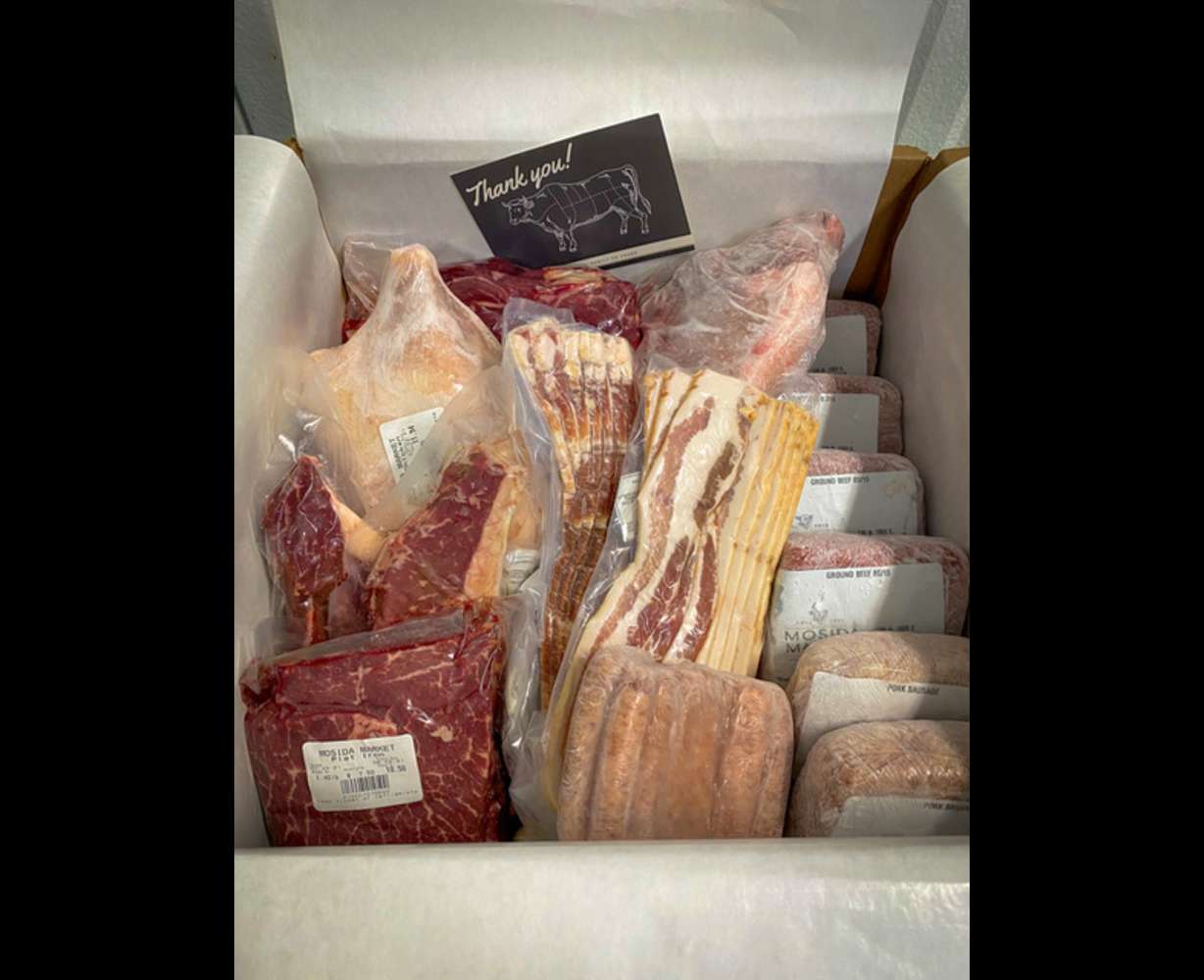
Buying shares of local beef in bulk is the best solution to rising grocery prices. In fact, with Mosida Market it's never been easier. Customers simply personalize their cut list to get exactly the types of beef they're looking for. Mosida Market harvests beef year-round, so the turnaround time for a beef share is only three weeks. You can buy shares in one quarter, half, or whole beef sizes. You can also choose from a variety of American Wagyu or Angus beef.
Buying a local beef share is the ticket to getting the most economical price per pound. Plus, Utah's Mosida Market allows you to experience that personal touch of a bygone era where you get to buy from your local neighborhood farmer and butcher shop.
A greener option
Since local farms are close to home, fewer emissions are created during the transport of meat to your grocery store (or your front porch, if you get your meat delivered). According to research reported by The Hill, there would be a reduction of 0.38 gigatonnes of emissions if the entire world ate more locally sourced food.
Mosida Market boasts an extremely low carbon footprint since their meat is butchered on-site—meaning no emissions from the transportation of animals being sent to faraway processing facilities. If reducing your carbon footprint is important to you, Mosida Market's business model is a huge win.
Peace of mind
Transparency is an important factor for today's shoppers and consumers. Knowing exactly where your food comes from, along with how it is raised and humanely harvested, is key to having peace of mind. Buying local sustainably raised products helps you feel good about what you eat.
Buy local at Mosida Market
In the age of mass-produced, homogenous food, Mosida Market keeps things simple and fresh. To learn more about their sustainable family farming practices and history, or to order online, visit mosidamarket.com. You can also visit their in-person shops located in Lehi and Provo.