'%3e%3cpath%20d='M34.1406%205.85938C30.3906%202.10547%2025.3047%200%2020%200C14.6953%200%209.60938%202.10547%205.85938%205.85938C2.10938%209.61328%200%2014.6953%200%2020C0%2025.3047%202.10547%2030.3906%205.85938%2034.1406C9.61328%2037.8906%2014.6953%2040%2020%2040C25.3047%2040%2030.3906%2037.8945%2034.1406%2034.1406C37.8906%2030.3906%2040%2025.3047%2040%2020C40%2014.6953%2037.8945%209.60938%2034.1406%205.85938ZM37.0117%2023.543H31.1602V13.5391H27.6328V19.9414C28.1211%2020.6914%2028.3711%2021.582%2028.3711%2022.5625V22.625C28.3711%2023.668%2028.1172%2024.6055%2027.6328%2025.4297V26.6094H36.082C33.4883%2032.9375%2027.2891%2037.3789%2020.0039%2037.3789C10.3711%2037.3789%202.62109%2029.6289%202.62109%2020C2.62109%2010.3711%2010.3711%202.62109%2020%202.62109C29.6289%202.62109%2037.3789%2010.3711%2037.3789%2020C37.3789%2021.1484%2037.2617%2022.2656%2037.0508%2023.3477C37.0391%2023.4141%2037.0234%2023.4766%2037.0117%2023.543Z'%20fill='white'/%3e%3cpath%20d='M22.3086%2018.5352C20.4336%2018.125%2019.9531%2017.8398%2019.9766%2017.1836V17.1406C19.9766%2016.6992%2020.3477%2016.2148%2021.4023%2016.2148C22.582%2016.2148%2023.8867%2016.6797%2025.0781%2017.4766L26.8516%2015.0195C25.4453%2013.8906%2023.707%2013.3398%2021.5547%2013.3398C18.5195%2013.3398%2016.4375%2015%2016.4063%2017.4766V17.5352C16.3633%2020.2617%2018.5859%2020.9805%2021.293%2021.6016C23.0391%2021.9766%2023.5703%2022.3164%2023.5703%2022.9609L23.5469%2022.9766C23.5469%2023.3906%2023.2578%2023.7031%2022.7852%2023.8359C22.5742%2023.9062%2022.1289%2023.9727%2021.5156%2023.9727C20.7617%2023.9727%2019.7539%2023.8633%2018.6328%2023.4844C18.0898%2023.2891%2017.4727%2023.0039%2016.8047%2022.6133L20.1406%2026.625C20.2813%2026.6602%2021.0977%2026.8516%2021.7734%2026.8516C25.0039%2026.8516%2027.0859%2025.2461%2027.1094%2022.6328V22.5703C27.1602%2020.1133%2025.2148%2019.1719%2022.3086%2018.5352Z'%20fill='white'/%3e%3cpath%20d='M5.24219%2013.5664V26.6133H8.75391V23.7578L10.2969%2021.9531L14.2031%2026.6133H18.3867L12.3555%2019.5195L17.4023%2013.5664H13.4531L8.75391%2019.0586V13.5664H5.24219Z'%20fill='white'/%3e%3c/g%3e%3cdefs%3e%3cclipPath%20id='clip0_97_2430'%3e%3crect%20width='40'%20height='40'%20fill='white'/%3e%3c/clipPath%3e%3c/defs%3e%3c/svg%3e)


Estimated read time: 4-5 minutes
This archived news story is available only for your personal, non-commercial use. Information in the story may be outdated or superseded by additional information. Reading or replaying the story in its archived form does not constitute a republication of the story.
As one of the older forms of entertainment (think 400 years or so), opera brings incredible majesty, talent, and, of course, drama to its stage. But that also means, for better or worse, that "old" is one of the first connotations that pops into many people's heads when they think of opera.
While you'll find plenty of classics on the stage, it's a medium that is still growing as modern operas are created—and there's a big difference between more traditional operas and their newer counterparts. To help illustrate this, we're breaking down the differences between the Utah Opera's upcoming performances: Verdi's "Rigoletto" and Mason Bates' and Mark Campbell's "The R(evolution) of Steve Jobs."
Let's rewind to the beginning. What makes an opera just that—an opera? To start, there's always singing involved, often in another language (but, did you know that supertitles are always provided at Utah Opera so you can easily follow what's happening?). Italian and French are popular choices since opera has its roots in both countries. In fact, the first opera can be traced back to Italy at the start of the 17th century!
As a combination of music and drama, operas typically fall into two categories: comedies or tragedies. As their name suggests, comedic operas usually have a happier ending while their counterpart often ends with at least one person dying in the name of love, revenge, or even simple misunderstandings.
And no one knows opera better than the OG composers. Think of these individuals as the innovative greats within their field—especially since they literally wrote the book on operas. These composers include powerhouses like Mozart, Puccini, Wagner and—of course—Verdi.

Born in 1813, in a small city in northern Italy, Giuseppe Verdi had a knack for musical composition (even though he was rejected from the Milan Conservatory for being a foreigner). After studying with private tutors, Verdi's first opera was performed when he was 26—and it received all the praise and accolades, setting him up for further success later in life. In fact, Verdi composed 28 operas during his life, solidifying himself as a central figure in the world of opera.
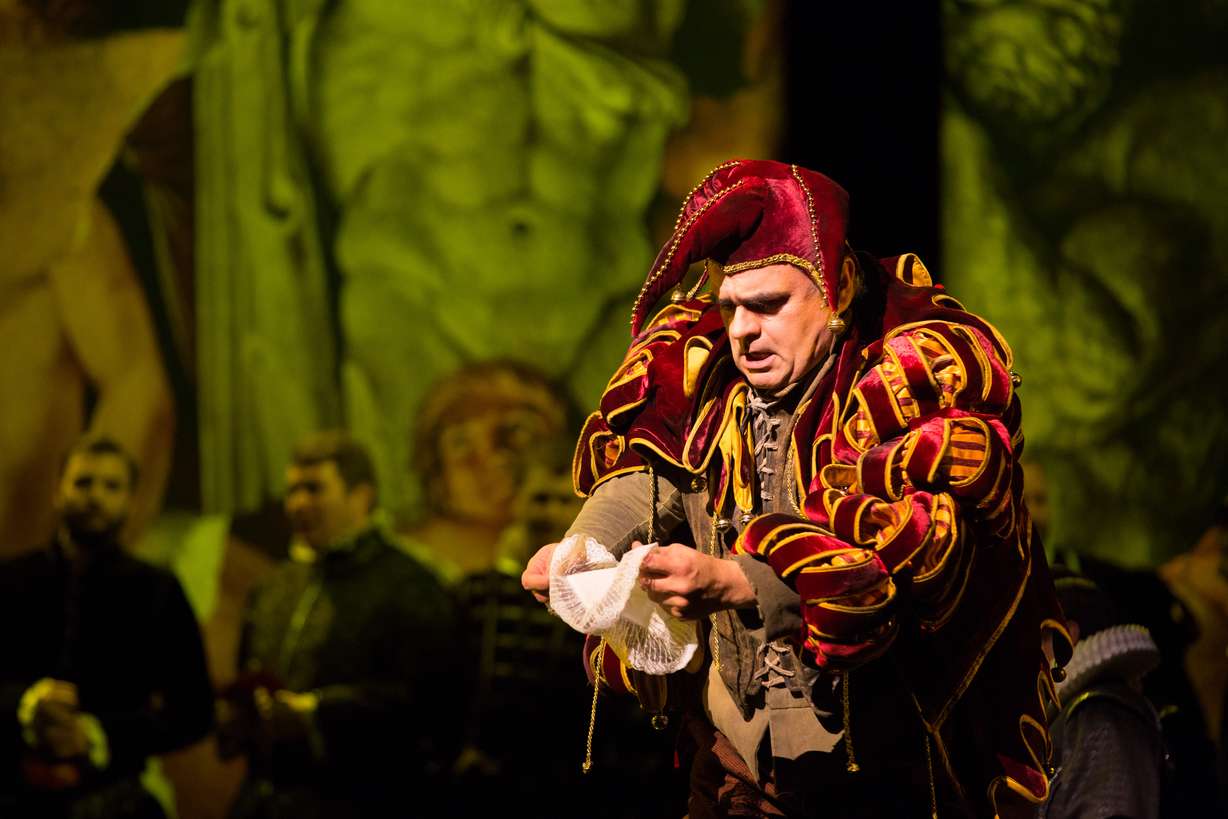
Now that you know a bit about the composer, let's look at one of his most popular pieces: "Rigoletto," which Utah Opera presents in March. So, what's the story of "Rigoletto"? Enter a protective father, his beautiful daughter, and a flirtatious duke—and you can probably guess what happens. Exploring the themes of revenge and forgiveness, as well as the infamous "curse," that puts the story in motion, "Rigoletto" sets a high standard for opera as a whole. Paired with the historical setting (it's the 16th century) and some of the most recognizable tunes (the song "La donna è mobile" is frequently used in TV commercials and movies) this tragic opera is a favorite for a reason and fits the bill of what many people might imagine when they picture a night at the opera
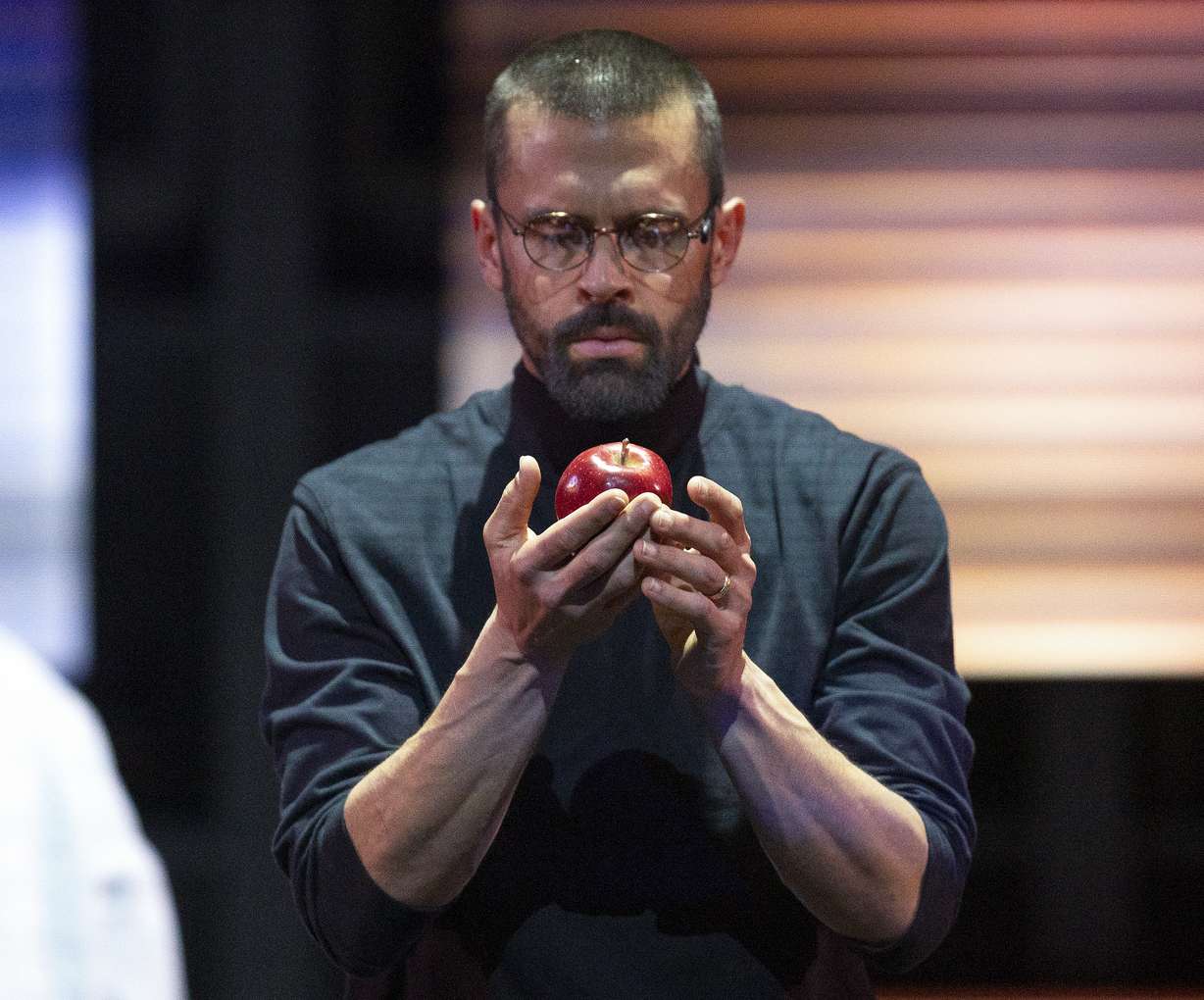
On the complete opposite end of the spectrum—there's "The R(evolution) of Steve Jobs," which premiered in 2017. Yes, he's the guy that made the smartphone, and yes, the Utah Opera's May production is all about him—the complicated genius and the imperfect human being.

Based on his life, "The (R)evolution) of Steve Jobs"—by composer Mason Bates and librettist (author of the story and its words) Mark Campbell—captures the spirit of the entrepreneur in a way only opera can. And while this story incorporates foundational themes found in so many operas (e.g., the attraction of power, fame, and potentially sacrificing loved ones along the way, to name a few.) it also brings something new to the table, or should we say stage.
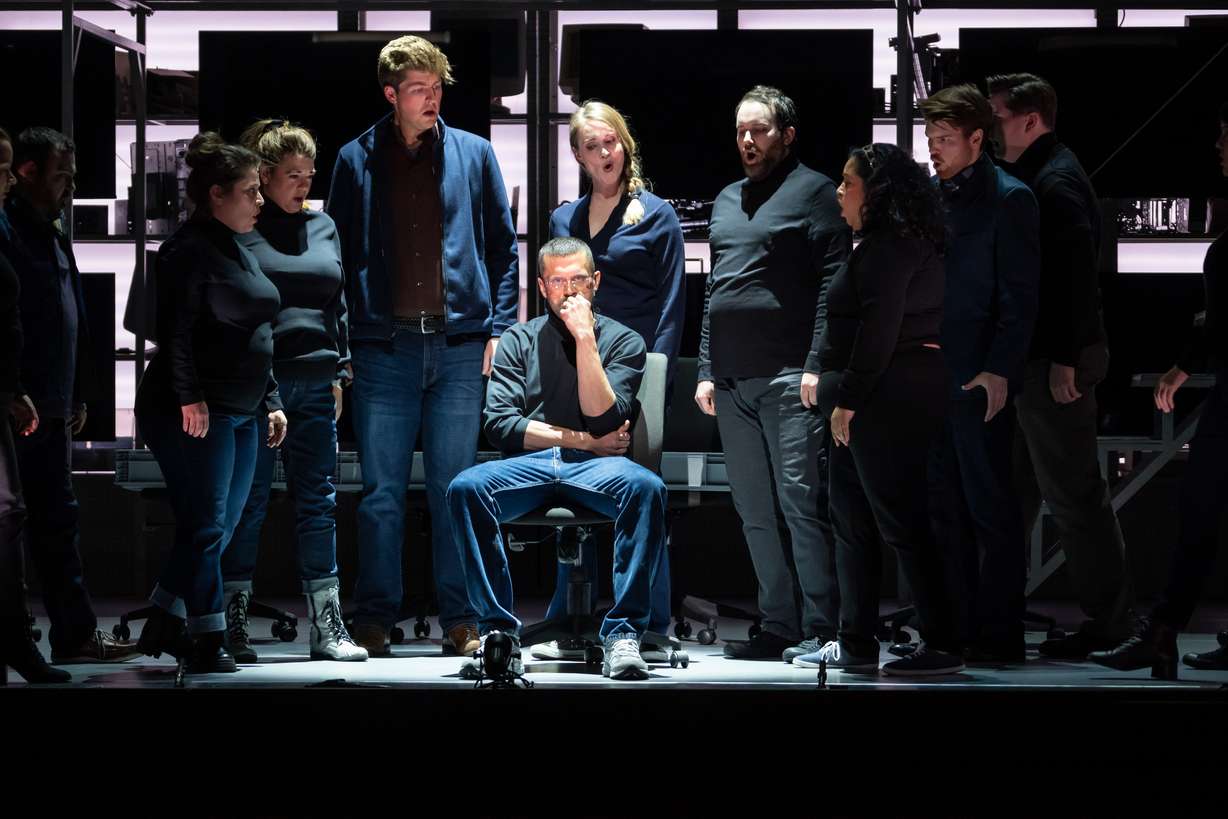
To start, the opera is sung in English! It also features contemporary music composition that blends electronic sounds (electric guitar and even laptop effects!) with the orchestra, while also incorporating unique staging and lights (hint: it's going to showcase rotating sets and strobe lights). Modernized and impactful, this "totally user-friendly" opera (Los Angeles Times) presents a smart and sleek take on the entrepreneur who changed our modern world forever—and you don't want to miss it. (Check out the trailer video to feel the energy!)
Let's recap. These two Utah Opera performances, with their differences and similarities, create a perfect opportunity to dip your toe into opera. Whether you're leaning more toward the stereotypical opera experience with the classic story of Verdi's "Rigoletto" or you're ready to step into something completely unexpected with Mason Bates' & Mark Campbell's "The (R)evolution of Steve Jobs," Utah Opera has you covered.
Ready to see both productions and compare for yourself? Find tickets now!