'%3e%3cpath%20d='M34.1406%205.85938C30.3906%202.10547%2025.3047%200%2020%200C14.6953%200%209.60938%202.10547%205.85938%205.85938C2.10938%209.61328%200%2014.6953%200%2020C0%2025.3047%202.10547%2030.3906%205.85938%2034.1406C9.61328%2037.8906%2014.6953%2040%2020%2040C25.3047%2040%2030.3906%2037.8945%2034.1406%2034.1406C37.8906%2030.3906%2040%2025.3047%2040%2020C40%2014.6953%2037.8945%209.60938%2034.1406%205.85938ZM37.0117%2023.543H31.1602V13.5391H27.6328V19.9414C28.1211%2020.6914%2028.3711%2021.582%2028.3711%2022.5625V22.625C28.3711%2023.668%2028.1172%2024.6055%2027.6328%2025.4297V26.6094H36.082C33.4883%2032.9375%2027.2891%2037.3789%2020.0039%2037.3789C10.3711%2037.3789%202.62109%2029.6289%202.62109%2020C2.62109%2010.3711%2010.3711%202.62109%2020%202.62109C29.6289%202.62109%2037.3789%2010.3711%2037.3789%2020C37.3789%2021.1484%2037.2617%2022.2656%2037.0508%2023.3477C37.0391%2023.4141%2037.0234%2023.4766%2037.0117%2023.543Z'%20fill='white'/%3e%3cpath%20d='M22.3086%2018.5352C20.4336%2018.125%2019.9531%2017.8398%2019.9766%2017.1836V17.1406C19.9766%2016.6992%2020.3477%2016.2148%2021.4023%2016.2148C22.582%2016.2148%2023.8867%2016.6797%2025.0781%2017.4766L26.8516%2015.0195C25.4453%2013.8906%2023.707%2013.3398%2021.5547%2013.3398C18.5195%2013.3398%2016.4375%2015%2016.4063%2017.4766V17.5352C16.3633%2020.2617%2018.5859%2020.9805%2021.293%2021.6016C23.0391%2021.9766%2023.5703%2022.3164%2023.5703%2022.9609L23.5469%2022.9766C23.5469%2023.3906%2023.2578%2023.7031%2022.7852%2023.8359C22.5742%2023.9062%2022.1289%2023.9727%2021.5156%2023.9727C20.7617%2023.9727%2019.7539%2023.8633%2018.6328%2023.4844C18.0898%2023.2891%2017.4727%2023.0039%2016.8047%2022.6133L20.1406%2026.625C20.2813%2026.6602%2021.0977%2026.8516%2021.7734%2026.8516C25.0039%2026.8516%2027.0859%2025.2461%2027.1094%2022.6328V22.5703C27.1602%2020.1133%2025.2148%2019.1719%2022.3086%2018.5352Z'%20fill='white'/%3e%3cpath%20d='M5.24219%2013.5664V26.6133H8.75391V23.7578L10.2969%2021.9531L14.2031%2026.6133H18.3867L12.3555%2019.5195L17.4023%2013.5664H13.4531L8.75391%2019.0586V13.5664H5.24219Z'%20fill='white'/%3e%3c/g%3e%3cdefs%3e%3cclipPath%20id='clip0_97_2430'%3e%3crect%20width='40'%20height='40'%20fill='white'/%3e%3c/clipPath%3e%3c/defs%3e%3c/svg%3e)


Estimated read time: 3-4 minutes
This archived news story is available only for your personal, non-commercial use. Information in the story may be outdated or superseded by additional information. Reading or replaying the story in its archived form does not constitute a republication of the story.
What does the future of Labyrinth Canyon sound like?
Will visitors hear the gentle sound of the river and the song of canyon wrens – or the loud whine of off-road vehicle (ORV) engines?
That's the question for which the Bureau of Land Management (BLM) is seeking public input through Oct. 7, 2022, as they prepare a new travel plan for the Labyrinth Canyon and Gemini Bridges area near Moab.
The Labyrinth Canyon/Gemini Bridges travel plan is one of 11 travel plans the BLM is completing in the next several years as part of a court-supervised settlement agreement with the Southern Utah Wilderness Alliance and off-road vehicle groups. These travel plans, covering more than 6 million acres of BLM-managed lands in eastern and southern Utah, represent a once-in-a-generation opportunity for the public to help determine where motorized vehicles will be allowed in some of Utah's wildest public lands.
Plans that balance the need between motorized and non-motorized recreation are urgently needed. The use of off-road vehicles in Utah—including all-terrain vehicles (ATVs) and utility task vehicles (UTVs)—has nearly doubled in the past 15 years, and new off-road vehicles are faster, louder, and more capable of reaching into remote areas than ever before.
While these machines provide outdoor recreation for some, they can have a disproportionate impact on public land resources and other recreationists. Off-road vehicles harm streams and create water pollution, generate dust and cause soil erosion, harass and displace wildlife as well as destroy their habitat, damage cultural sites, and increase conflicts between user groups.
Because of the damage that motorized vehicles can inflict on sensitive resources, it's critical that motorized vehicle use is carefully planned and reasonably controlled.
Nowhere is the need for thoughtful travel planning more critical than in the Labyrinth Canyon/Gemini Bridges area outside of Moab. Home to irreplaceable cultural and historic resources, important wildlife habitat and unmatched quiet recreational opportunities, the area includes the internationally-recognized Labyrinth Canyon section of the Green River, as well as its many side canyons–including Ten Mile, Hell Roaring, Spring and Mineral Canyons. (Click here to view a story map of the Labyrinth Canyon area.)

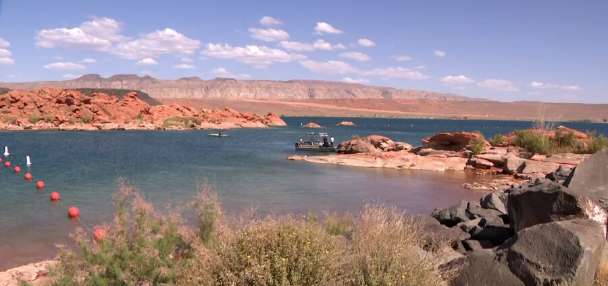
Labyrinth Canyon itself is a gem of the American West, where more than 40 miles of the placid Green River flow through towering canyons, providing a multi-day flatwater wilderness experience that is suitable for families and boaters of all experience levels. The west side of Labyrinth Canyon was designated as wilderness by Congress in 2019 and the river corridor is designated as a scenic river under the federal Wild and Scenic Rivers Act. The east side of the canyon is not yet designated wilderness.
The BLM now has the opportunity to protect all of Labyrinth Canyon from ORVs that threaten cultural sites, riparian habitat, wilderness values, and the experience of recreationists seeking a quiet multi-day float.
After decades of prioritizing off-road vehicles at the expense of Utah's cultural and natural resources, the Labyrinth Canyon and other forthcoming travel plans give the BLM a chance to finally get things right, ensuring access to trailheads, scenic overlooks and recreational opportunities while protecting the very reason people want to visit such remote places in the first place: to enjoy the unspoiled beauty of Utah's unparalleled public lands.
For more information and to submit your public comments on the Labyrinth Canyon and Gemini Bridges travel plan, click here. Comments are due on Oct. 7, 2022.