'%3e%3cpath%20d='M34.1406%205.85938C30.3906%202.10547%2025.3047%200%2020%200C14.6953%200%209.60938%202.10547%205.85938%205.85938C2.10938%209.61328%200%2014.6953%200%2020C0%2025.3047%202.10547%2030.3906%205.85938%2034.1406C9.61328%2037.8906%2014.6953%2040%2020%2040C25.3047%2040%2030.3906%2037.8945%2034.1406%2034.1406C37.8906%2030.3906%2040%2025.3047%2040%2020C40%2014.6953%2037.8945%209.60938%2034.1406%205.85938ZM37.0117%2023.543H31.1602V13.5391H27.6328V19.9414C28.1211%2020.6914%2028.3711%2021.582%2028.3711%2022.5625V22.625C28.3711%2023.668%2028.1172%2024.6055%2027.6328%2025.4297V26.6094H36.082C33.4883%2032.9375%2027.2891%2037.3789%2020.0039%2037.3789C10.3711%2037.3789%202.62109%2029.6289%202.62109%2020C2.62109%2010.3711%2010.3711%202.62109%2020%202.62109C29.6289%202.62109%2037.3789%2010.3711%2037.3789%2020C37.3789%2021.1484%2037.2617%2022.2656%2037.0508%2023.3477C37.0391%2023.4141%2037.0234%2023.4766%2037.0117%2023.543Z'%20fill='white'/%3e%3cpath%20d='M22.3086%2018.5352C20.4336%2018.125%2019.9531%2017.8398%2019.9766%2017.1836V17.1406C19.9766%2016.6992%2020.3477%2016.2148%2021.4023%2016.2148C22.582%2016.2148%2023.8867%2016.6797%2025.0781%2017.4766L26.8516%2015.0195C25.4453%2013.8906%2023.707%2013.3398%2021.5547%2013.3398C18.5195%2013.3398%2016.4375%2015%2016.4063%2017.4766V17.5352C16.3633%2020.2617%2018.5859%2020.9805%2021.293%2021.6016C23.0391%2021.9766%2023.5703%2022.3164%2023.5703%2022.9609L23.5469%2022.9766C23.5469%2023.3906%2023.2578%2023.7031%2022.7852%2023.8359C22.5742%2023.9062%2022.1289%2023.9727%2021.5156%2023.9727C20.7617%2023.9727%2019.7539%2023.8633%2018.6328%2023.4844C18.0898%2023.2891%2017.4727%2023.0039%2016.8047%2022.6133L20.1406%2026.625C20.2813%2026.6602%2021.0977%2026.8516%2021.7734%2026.8516C25.0039%2026.8516%2027.0859%2025.2461%2027.1094%2022.6328V22.5703C27.1602%2020.1133%2025.2148%2019.1719%2022.3086%2018.5352Z'%20fill='white'/%3e%3cpath%20d='M5.24219%2013.5664V26.6133H8.75391V23.7578L10.2969%2021.9531L14.2031%2026.6133H18.3867L12.3555%2019.5195L17.4023%2013.5664H13.4531L8.75391%2019.0586V13.5664H5.24219Z'%20fill='white'/%3e%3c/g%3e%3cdefs%3e%3cclipPath%20id='clip0_97_2430'%3e%3crect%20width='40'%20height='40'%20fill='white'/%3e%3c/clipPath%3e%3c/defs%3e%3c/svg%3e)


- Lindsay Clancy's lawyer argued insufficient evidence exists to prove she killed her children.
- Defense previously focused on Clancy's mental state, citing postpartum psychosis as a factor.
- Prosecutors maintain Clancy knew her actions were wrong; a new trial date is pending.
PLYMOUTH, Mass. — Lindsay Clancy's lawyer argued Tuesday that there wasn't enough evidence to prove she killed her three children, a striking turn after a lengthy trial that focused more on her mental state than on whether she took their lives.
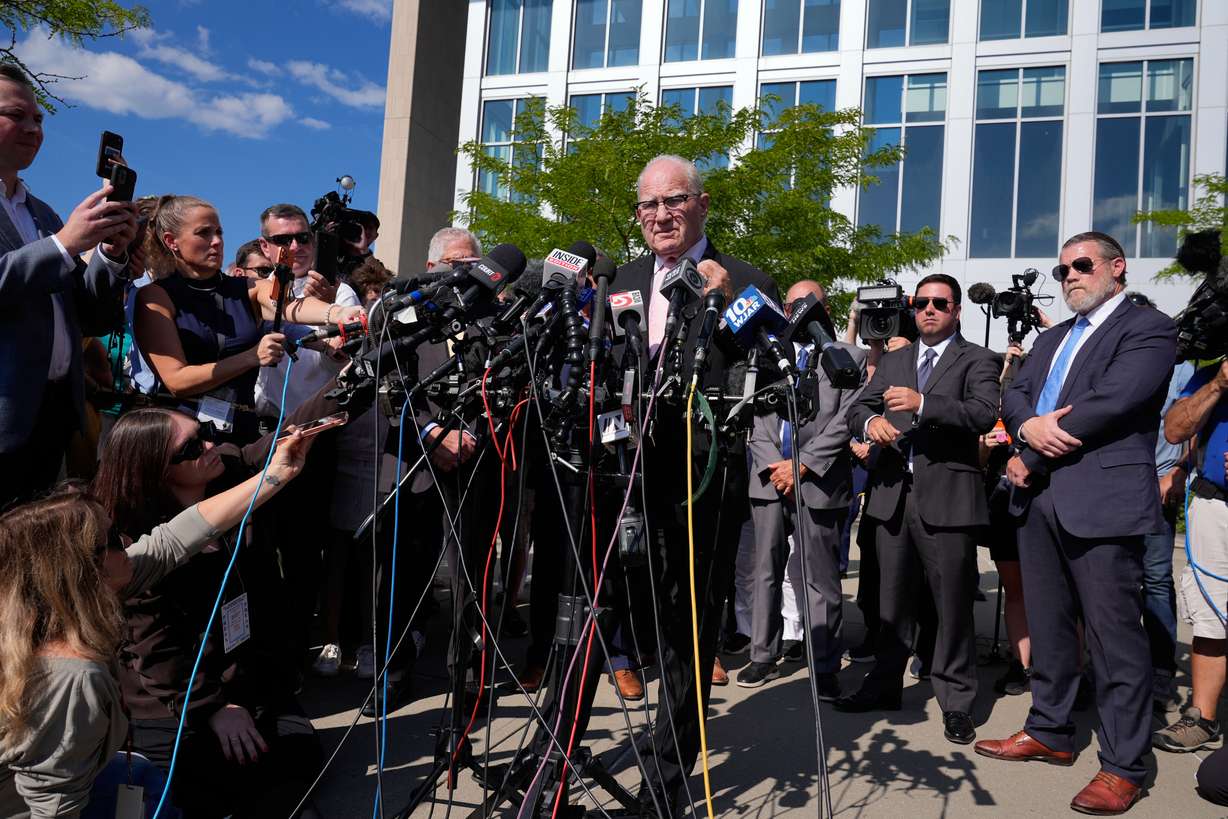
"This entire case is based on speculation," attorney Kevin Reddington said during the first hearing since Clancy's trial ended Sept. 4 with a deadlocked jury. They were split 11 to 1 in her favor.
During that trial, Reddington didn't dispute that Clancy killed the children at the family's home in 2023. Instead, the defense sought to persuade the jury that the 36-year-old former labor and delivery nurse was not criminally responsible because of mental disease, a rare condition called postpartum psychosis.
But at Tuesday's hearing, Reddington changed strategies and sought to persuade Judge William Sullivan — the same judge who presided over the first trial — to acquit Clancy.
There is, Reddington contended, not enough evidence "that this woman killed those children." He pointed to matters ranging from her condition when she was found badly injured and bleeding in the yard outside her home, to her lack of memory of what happened when she woke up in a hospital. At the first trial, her now ex-husband and first responders testified that they arrived at the house and discovered she had tried to take her own life right after killing the children.
"Where is the admission? Where does she say that she did this?" Reddington said, going on to recap his arguments that she also was psychotic and delusional at the time of the children's deaths. He didn't offer alternative theories or evidence about who might be responsible.
Prosecutor Shanan Buckingham called his argument "laughable," pointing to witness testimony that Clancy said she heard voices instructing her to kill her children. Clancy was the only one home at the time with the children and her DNA was found on exercise bands used to strangle them, she added.
"For the first time, the defendant is arguing that there is no evidence she did this," Buckingham said. "I'd suggest to you the entire record is voluminous as to information supporting the fact that she did this."
During trial, Paul Zeizel, a clinical and forensic psychologist and defense witness, testified that he overheard her saying a disembodied male voice told her she had no choice but to kill the children and then herself.
Before trial Reddington filed a motion in which he said Clancy would be willing to stipulate in writing "to her involvement in the underlying conduct resulting in the death of the three young children."
The judge didn't immediately rule on the motion, and no trial date was set.
The prosecution maintains that Clancy knew her actions were wrong when she used exercise bands to strangle 5-year-old Cora, 3-year-old Dawson and 8-month-old Callan Clancy. They said she contrived to get her husband out of the house that evening by sending him to pick up medicine for one of their children and dinner for the family.
Prosecutors have yet to decide whether to retry Clancy, Plymouth County District Attorney Timothy Cruz said after the hearing. They could choose to retry her on first-degree murder charges or pursue lesser charges, including second-degree murder or manslaughter, or drop the case entirely.
"We are going to do what we can for the children," Cruz told reporters outside court. "That is what this case is about."
Sullivan said he wanted to set a new trial date, but both sides pushed back, arguing that the judge should rule on several motions in front of him first.
Initially, the defense urged the court to set a new trial date soon. But on Tuesday, Reddington told Sullivan he couldn't see having a new trial before June due to his schedule.
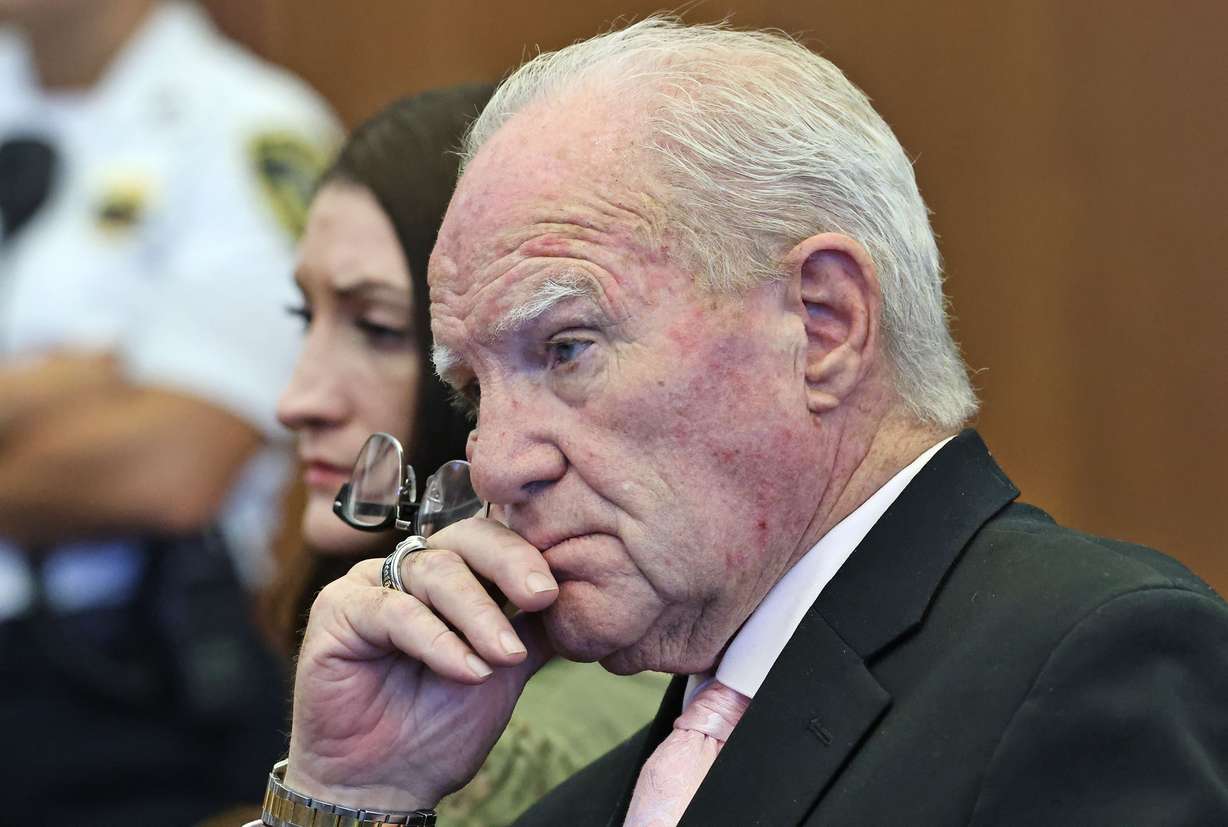
Clancy's attorneys have asked the judge to dismiss the criminal case, a motion that will be heard Nov. 2.
Among other things, they have argued that the judge should have ousted the one juror who favored a murder conviction after the jury foreperson complained he was refusing to listen to the law on reasonable doubt.
The juror, Michael Desronvil, has said through his lawyer that he had no doubts about his stance. Desronvil told Fox News' "Hannity" in a brief video statement Monday that "the whole focus has been on me, but we want to reel everything back and put the focus on the three angels," meaning the children.
Among other motions that were pushed back was a Commonwealth request for a gag order that would bar attorneys and their supporters "from making extrajudicial statements to the media that would have a substantial likelihood of materially prejudicing the criminal proceeding."
Reddington has given a series of interviews since the mistrial and held walking news conferences almost every day during the proceedings. Prosecutors, in contrast, never talked to reporters.
The livestreamed trial generated intense public interest and drew attention to maternal mental health after childbirth. About a dozen Clancy supporters, most dressed in pink, stood outside court Tuesday waiting for her.
Clancy remains charged with murder and is expected to stay at a psychiatric hospital until her case is resolved.
She could have been sentenced to life in prison if convicted of murder. If acquitted, the judge could have ordered her confined to a mental health facility.
Suicide prevention resources
If you or someone you know is struggling with thoughts of suicide, call 988 to connect with the 988 Suicide and Crisis Lifeline.
Crisis hotlines
- Huntsman Mental Health Institute Crisis Line: 801-587-3000
- SafeUT Crisis Line: 833-372-3388
- 988 Suicide and Crisis LifeLine at 988
- Trevor Project Hotline for LGBTQ teens: 1-866-488-7386
Online resources
- NAMI Utah: namiut.org
- SafeUT: safeut.org
- SafeUTFrontline: SafeUT Frontline.org
- SafeUTNG: SafeUTNG.org
- Suicide and Crisis Lifeline: 988lifeline.org
- American Foundation for Suicide Prevention, Utah chapter: afsp.org/chapter/utah
- Encircle Utah.org LGBTQ+ family and youth resource center.
- Utah Pride Center.org empowers Utah's diverse LGBTQ+ community.
- U.S. Department of Veterans Affairs Mental Health suicide prevention
- Centers for Workplace Mental Health offers suicide prevention and response for employers.
Warning signs of suicide
- Talking about wanting to die
- Looking for a way to kill oneself
- Talking about feeling hopeless or having no purpose
- Talking about feeling trapped or in unbearable pain
- Talking about being a burden to others
- Increasing the use of alcohol or drugs
- Acting anxious, agitated or recklessly
- Sleeping too little or too much
- Withdrawing or feeling isolated
- Showing rage or talking about seeking revenge
- Displaying extreme mood swings
The more of these signs a person shows, the greater the risk. Warning signs are associated with suicide but may not be what causes a suicide.
Information from the American Foundation for Suicide Prevention.
What to do if you see warning signs of suicide
- Do not leave the person alone
- Remove any firearms, alcohol, drugs or sharp objects that could be used in a suicide attempt
- Call the U.S. National Suicide Prevention Lifeline at 800-273-TALK (8255)
- Take the person to an emergency room or seek help from a medical or mental health professional
Information from the American Foundation for Suicide Prevention.