'%3e%3cpath%20d='M34.1406%205.85938C30.3906%202.10547%2025.3047%200%2020%200C14.6953%200%209.60938%202.10547%205.85938%205.85938C2.10938%209.61328%200%2014.6953%200%2020C0%2025.3047%202.10547%2030.3906%205.85938%2034.1406C9.61328%2037.8906%2014.6953%2040%2020%2040C25.3047%2040%2030.3906%2037.8945%2034.1406%2034.1406C37.8906%2030.3906%2040%2025.3047%2040%2020C40%2014.6953%2037.8945%209.60938%2034.1406%205.85938ZM37.0117%2023.543H31.1602V13.5391H27.6328V19.9414C28.1211%2020.6914%2028.3711%2021.582%2028.3711%2022.5625V22.625C28.3711%2023.668%2028.1172%2024.6055%2027.6328%2025.4297V26.6094H36.082C33.4883%2032.9375%2027.2891%2037.3789%2020.0039%2037.3789C10.3711%2037.3789%202.62109%2029.6289%202.62109%2020C2.62109%2010.3711%2010.3711%202.62109%2020%202.62109C29.6289%202.62109%2037.3789%2010.3711%2037.3789%2020C37.3789%2021.1484%2037.2617%2022.2656%2037.0508%2023.3477C37.0391%2023.4141%2037.0234%2023.4766%2037.0117%2023.543Z'%20fill='white'/%3e%3cpath%20d='M22.3086%2018.5352C20.4336%2018.125%2019.9531%2017.8398%2019.9766%2017.1836V17.1406C19.9766%2016.6992%2020.3477%2016.2148%2021.4023%2016.2148C22.582%2016.2148%2023.8867%2016.6797%2025.0781%2017.4766L26.8516%2015.0195C25.4453%2013.8906%2023.707%2013.3398%2021.5547%2013.3398C18.5195%2013.3398%2016.4375%2015%2016.4063%2017.4766V17.5352C16.3633%2020.2617%2018.5859%2020.9805%2021.293%2021.6016C23.0391%2021.9766%2023.5703%2022.3164%2023.5703%2022.9609L23.5469%2022.9766C23.5469%2023.3906%2023.2578%2023.7031%2022.7852%2023.8359C22.5742%2023.9062%2022.1289%2023.9727%2021.5156%2023.9727C20.7617%2023.9727%2019.7539%2023.8633%2018.6328%2023.4844C18.0898%2023.2891%2017.4727%2023.0039%2016.8047%2022.6133L20.1406%2026.625C20.2813%2026.6602%2021.0977%2026.8516%2021.7734%2026.8516C25.0039%2026.8516%2027.0859%2025.2461%2027.1094%2022.6328V22.5703C27.1602%2020.1133%2025.2148%2019.1719%2022.3086%2018.5352Z'%20fill='white'/%3e%3cpath%20d='M5.24219%2013.5664V26.6133H8.75391V23.7578L10.2969%2021.9531L14.2031%2026.6133H18.3867L12.3555%2019.5195L17.4023%2013.5664H13.4531L8.75391%2019.0586V13.5664H5.24219Z'%20fill='white'/%3e%3c/g%3e%3cdefs%3e%3cclipPath%20id='clip0_97_2430'%3e%3crect%20width='40'%20height='40'%20fill='white'/%3e%3c/clipPath%3e%3c/defs%3e%3c/svg%3e)


Estimated read time: 5-6 minutes
- A deadly standoff in Hyrum left homes damaged by gunfire.
- Residents like RaeAnn Bott faced financial hardship after their homes were destroyed.
- The Utah Office for Victims of Crime offers limited aid for affected residents.
HYRUM, Cache County — It was the kind of morning a neighborhood never forgets.
In June 2025, Cache County deputies responding to a call at the Valley View Mobile Home Park in Hyrum were met with gunfire and explosives.
The suspect, Jorge Andrade, had just killed his wife, Holly Andrade, and then ambushed law enforcement.
Images Jorge Andrade sent during the standoff showed he was wearing explosives. Body camera and doorbell footage show he was continually, sporadically firing off several rounds in the mobile home community as first responders called for backup.
"He had a homemade, what looked like a bomb vest on him," Cache County Chief Deputy Mikelshan Bartschi said. "This was very, very high risk."
As officers exchanged gunfire with the suspect, neighbors could only wait in terror.
"Oh, my God! There's more shooting! There's more shooting," RaeAnn Bott can be heard telling a dispatcher in a recording of a 911 call.
Several hours later, both Jorge and Holly Andrade were found dead inside their home.
"We could have had so many more citizens hurt even though he had already taken his wife's life," Bartschi said.
But for residents who survived the ordeal, the consequences didn't end when the shooting stopped.
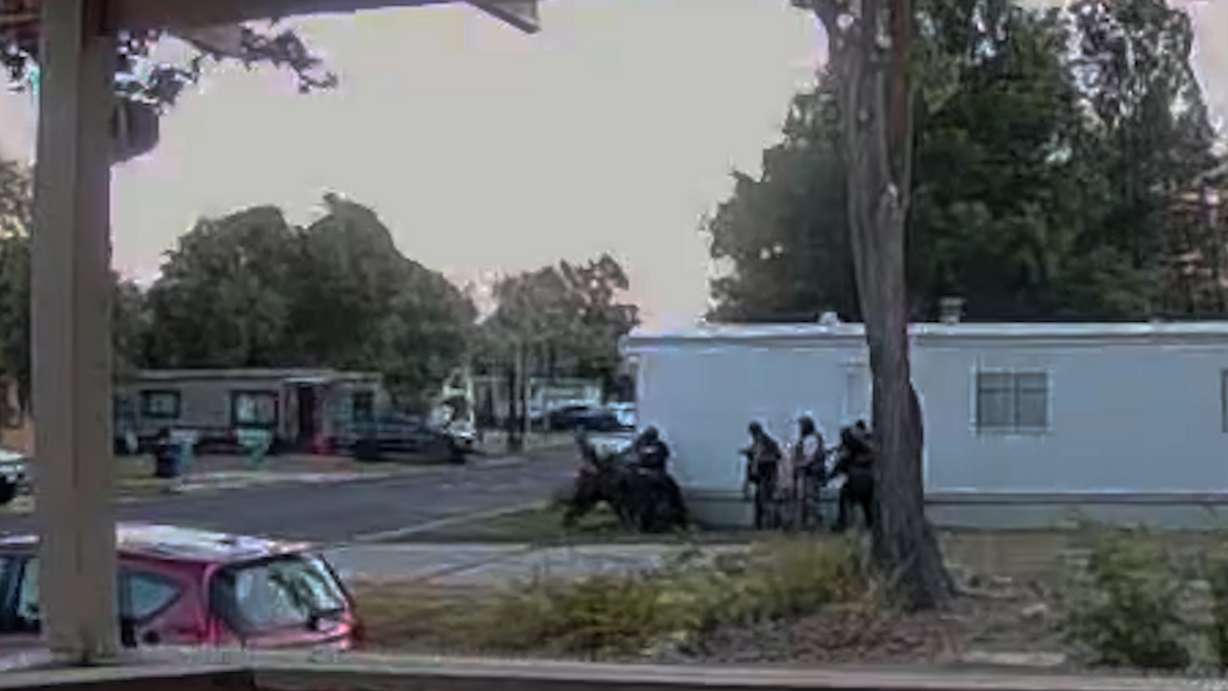
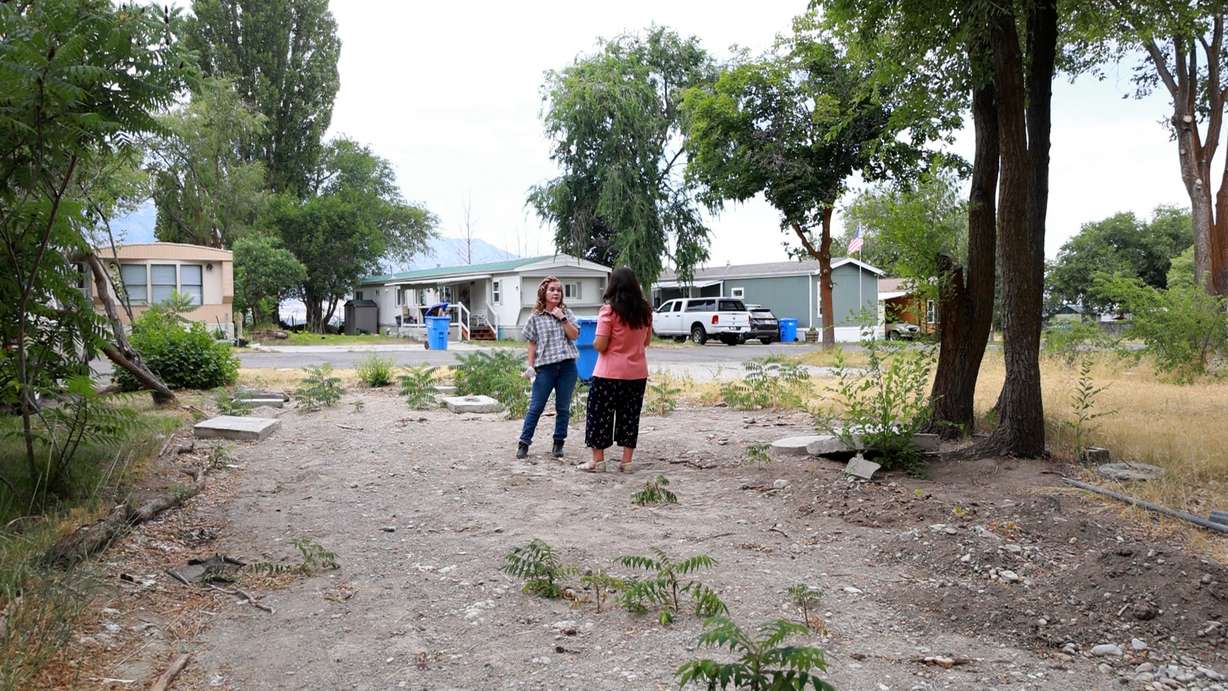
"He shot several times just front to back. You could hear the bullets coming, and it was so loud and debris was flying," Bott said, standing on the now vacant plot where her mobile home used to be.
She said her home was unlivable after being struck by more than 300 bullets. She and her husband spent more than a year living in a fifth wheel trailer while trying to recover financially.
"The terror doesn't stop when the shooting stops," she said.
Doorbell footage from her home shows the first responding deputy's vehicle came to rest in front of the couple's trailer amid a flurry of gunfire. Bott and her husband were trapped inside as bullets ripped through their home for hours.
"We were texting our families goodbye," she said, her voice breaking as she recounted the hours they spent wondering whether they would survive. "I can still hear the gunshots. I can smell the gunpowder."
In the days after the standoff, Bott said she asked about resources to help them recover financially but was told property damage alone did not qualify for assistance.
"There is no such thing as property damage only," Bott said. "There is absolutely no such thing. What we lived through is not property damage only. We lost our house."
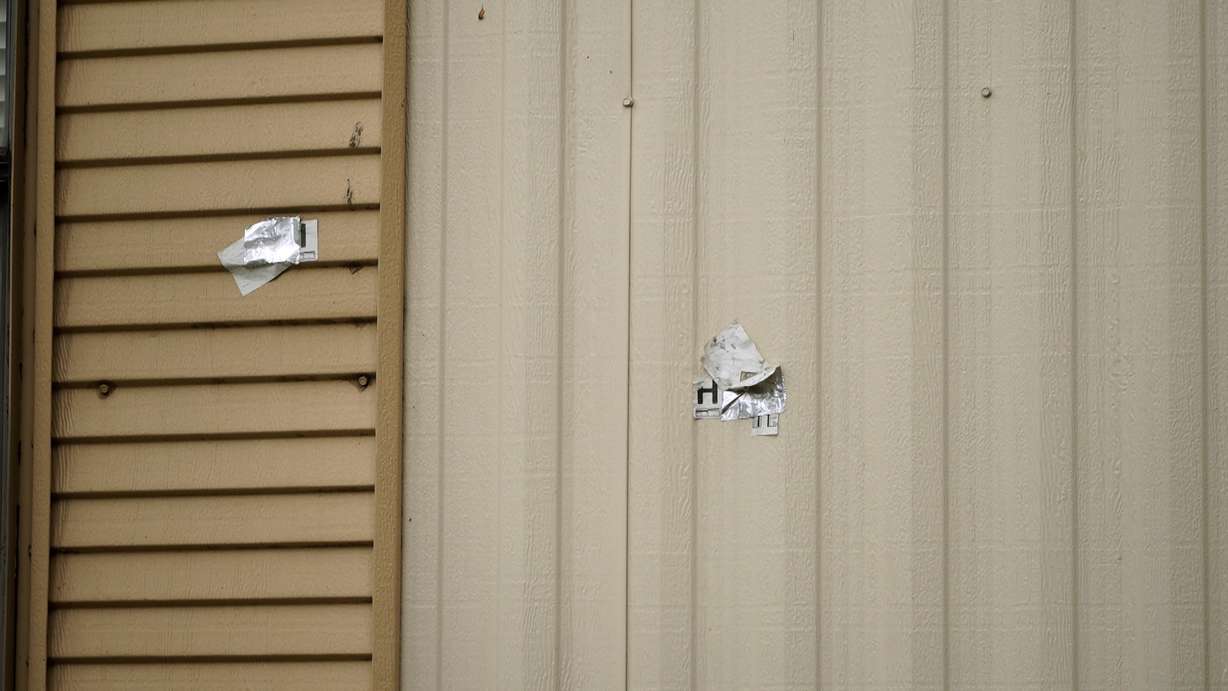
Signs of the violent incident remain present today. Bullet holes and police evidence markers are still visible in some homes.
"Everybody was traumatized," neighbor Teresa Clarke said.
Clarke was out of town during the standoff but returned home to find bullet holes in her walls and a community still reeling.
"Where was the help? Where was the help?" Clarke said. "There has to be some kind of funds to reimburse these people and others."
Bartschi said law enforcement is not liable for the damage, and when they're responding to a call, their top priority is the safety of the public, then themselves and then the suspect.
"If you talk about this on a priority scale and the things that we're focused on, life is so far separated from any property or even evidence," he explained.
Still, he said he feels for people who experience the consequences of violence in their community.
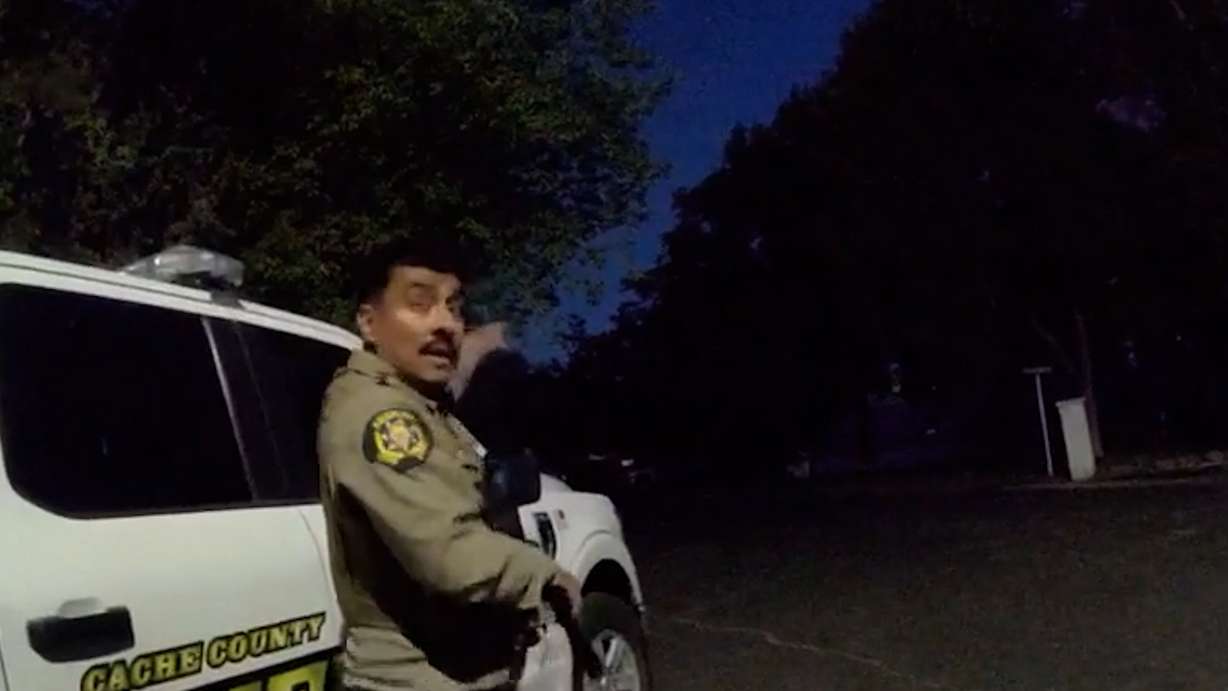
"If we don't have those individuals who are taking those actions that put our community at risk, who put families at risk, who are endangering that priority to life, that human safety, our public safety, then we're not going to be there," he said.
Bott said her insurance company denied coverage.
"They don't cover terroristic activity," she said.
That's when Bott contacted the KSL Investigators, who found some help is available through the Utah Office for Victims of Crime.
"We can offer mental health therapy, lost wages (and) relocation, things like that to help people kind of get back on track and in the right direction," said Dale Oyler, assistant director and compensation administrator at the Utah Office for Victims of Crime.
The program is often used to help victims of domestic violence, sexual assault, child abuse and homicide. But cases like the standoff in Hyrum can present unique challenges.
"At that point, we would be doing a determination to see if the people were home at the time and in the zone of danger," Oyler said when asked about claims involving property damage after standoffs between suspects and law enforcement.
After feeling dismissed for months, Bott found out about the program and applied for financial assistance in April. When KSL got involved three months later, she said she still had not received a decision. Then, in late August, Bott was approved for financial assistance with mental health therapy and relocation expenses.
The Utah Office for Victims of Crime paid out nearly $7 million in 2025 to and on behalf of crime victims. According to Utah law, a victim eligible for benefits through the state fund is narrowly defined as someone who suffers "bodily or psychological injury or death" as a direct result of "criminally injurious conduct."
That leaves homeowners like Clarke in a difficult position. Her home was damaged during the incident, but because she was not at home at the time, she was never physically in danger.
"We're focused on crimes against the person, and we have limited funding that comes through every single year through the federal government, through the state legislature, and we have to do our best to spend that money according to the statute," Oyler said.
For Clarke, the bullet holes that remain in her home are a constant reminder of what happened.
"Every time you go by, you say, 'What about if I would have been here?'" she told KSL.
Other potential avenues for relief include restitution through the courts, but that requires a suspect who is alive and ultimately convicted. Civil lawsuits are another option but often require significant time and money and, in this case, were not a viable path for recovery.