'%3e%3cpath%20d='M34.1406%205.85938C30.3906%202.10547%2025.3047%200%2020%200C14.6953%200%209.60938%202.10547%205.85938%205.85938C2.10938%209.61328%200%2014.6953%200%2020C0%2025.3047%202.10547%2030.3906%205.85938%2034.1406C9.61328%2037.8906%2014.6953%2040%2020%2040C25.3047%2040%2030.3906%2037.8945%2034.1406%2034.1406C37.8906%2030.3906%2040%2025.3047%2040%2020C40%2014.6953%2037.8945%209.60938%2034.1406%205.85938ZM37.0117%2023.543H31.1602V13.5391H27.6328V19.9414C28.1211%2020.6914%2028.3711%2021.582%2028.3711%2022.5625V22.625C28.3711%2023.668%2028.1172%2024.6055%2027.6328%2025.4297V26.6094H36.082C33.4883%2032.9375%2027.2891%2037.3789%2020.0039%2037.3789C10.3711%2037.3789%202.62109%2029.6289%202.62109%2020C2.62109%2010.3711%2010.3711%202.62109%2020%202.62109C29.6289%202.62109%2037.3789%2010.3711%2037.3789%2020C37.3789%2021.1484%2037.2617%2022.2656%2037.0508%2023.3477C37.0391%2023.4141%2037.0234%2023.4766%2037.0117%2023.543Z'%20fill='white'/%3e%3cpath%20d='M22.3086%2018.5352C20.4336%2018.125%2019.9531%2017.8398%2019.9766%2017.1836V17.1406C19.9766%2016.6992%2020.3477%2016.2148%2021.4023%2016.2148C22.582%2016.2148%2023.8867%2016.6797%2025.0781%2017.4766L26.8516%2015.0195C25.4453%2013.8906%2023.707%2013.3398%2021.5547%2013.3398C18.5195%2013.3398%2016.4375%2015%2016.4063%2017.4766V17.5352C16.3633%2020.2617%2018.5859%2020.9805%2021.293%2021.6016C23.0391%2021.9766%2023.5703%2022.3164%2023.5703%2022.9609L23.5469%2022.9766C23.5469%2023.3906%2023.2578%2023.7031%2022.7852%2023.8359C22.5742%2023.9062%2022.1289%2023.9727%2021.5156%2023.9727C20.7617%2023.9727%2019.7539%2023.8633%2018.6328%2023.4844C18.0898%2023.2891%2017.4727%2023.0039%2016.8047%2022.6133L20.1406%2026.625C20.2813%2026.6602%2021.0977%2026.8516%2021.7734%2026.8516C25.0039%2026.8516%2027.0859%2025.2461%2027.1094%2022.6328V22.5703C27.1602%2020.1133%2025.2148%2019.1719%2022.3086%2018.5352Z'%20fill='white'/%3e%3cpath%20d='M5.24219%2013.5664V26.6133H8.75391V23.7578L10.2969%2021.9531L14.2031%2026.6133H18.3867L12.3555%2019.5195L17.4023%2013.5664H13.4531L8.75391%2019.0586V13.5664H5.24219Z'%20fill='white'/%3e%3c/g%3e%3cdefs%3e%3cclipPath%20id='clip0_97_2430'%3e%3crect%20width='40'%20height='40'%20fill='white'/%3e%3c/clipPath%3e%3c/defs%3e%3c/svg%3e)


Estimated read time: 3-4 minutes
Gardening is no longer a hobby that retirees take up when they have some extra time on their hands. Today, more people across ages and demographics are turning to their own yards for fresh food. According to a 2020 survey, approximately 30% of respondents said they grow edible plants in their home gardens.
But as anyone who's attempted to grow their own fresh food in the front or backyard can attest to — it's harder than it looks. When you factor in soil quality, climate change, weather patterns and busy schedules, producing edible fruits and vegetables can be tricky.
Agricultural consultant, Dr. Jacob R. Mittleider, found a method of growing abundant, nutrient-dense crops that seemed to withstand the limitations many people faced. By using raised garden beds, efficient spacing, and structured weekly feeding, he saw success.
Utahns wanting to up their gardening game and grow fresh fruits and veggies in their own yards can download — for free — The Mittleider Gardening Course: a step-by-step system designed to take the uncertainty out of gardening.
Written by Mittleider, the course explains how new and seasoned gardeners alike can get the most out of their gardens.
The Food for Everyone Foundation explains that the Mittleider Method can give people the knowledge to "grow any kind of vegetable in any soil, in any climate with minimal water and effort per unit of produce."
Here are a few ways the Mittleider Method is different from traditional methods.
Layout and plant spacing
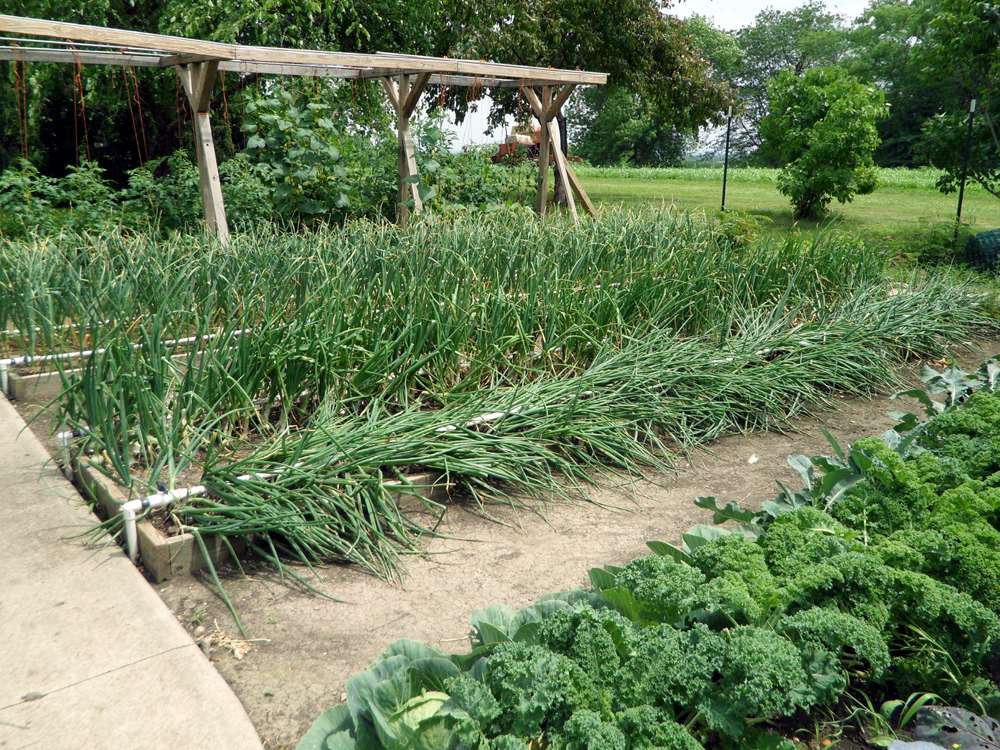
Unlike traditional methods of gardening, with high-yield crops, the Mittleider Method encourages gardeners to organize their plants based on human ergonomics. Put the soil beds or grow boxes in row and aisle spacings that make the most sense for you to tend to the plants comfortably.
Once you have your layout set up, Mittleider recommends narrow spacing between plants. The idea is to train plants to grow vertically for light, using less space for those with small areas.
Feeding and watering plants
With this unique approach to gardening, Mittledeir recommends intentionally feeding the plants a properly balanced commercial fertilizer, including all 13 essential nutrients that man can provice with "precision placement," according to the Food for Everyone Foundation.
Unlike traditional gardening methods, you'll want to apply fertilizer before you plant as well as several times after.
When it comes to watering the plants, you should irrigate only the root zones to conserve water. This idea is smart for Utahns as the state heads into a year with record-low levels of water, according to a KSL article.
When you level the soil, the water and nutrients will settle evenly across your plants.

Pruning
Many might consider pruning something reserved for fruit trees, but the Mittleider Method says careful pruning of certain plants can "dramatically increase yields." The idea is to remove leaves that do not support the plant or its fruits.
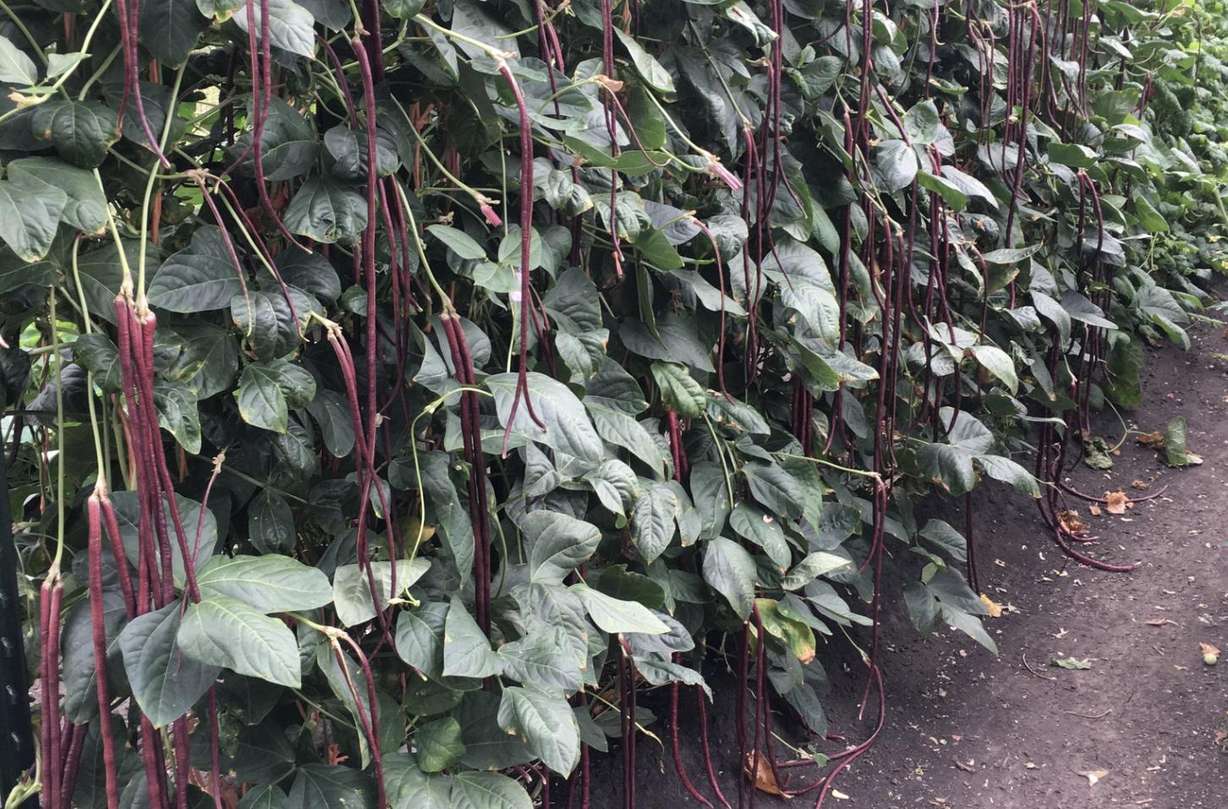
Additionally, using stakes, strings, and T-frames to help plants grow upward instead of across the soil can help conserve space while still growing successful — and many — crops.
Harvesting and crop rotation
When it comes to choosing how many plants to grow, start small. Choose 2-3 vegetables you want to grow in your first season, and add 2-3 more each year. You can increase the amount of vegetables that grow by following the steps and guidance outlined in the free Mittleider course download.
Crop rotation is good, but you'll need to use balanced fertilizer to replenish the soil. The land or soil you use can't be rejuvenated in one winter, according to the protocol.
Learn more from the free Mittleider course download
Anyone who's planted a seed before knows there's more to gardening than pouring water over the soil and hoping something grows. By learning more about high-yield, successful home gardening, Utahns can grow fresh foods in their own backyards.
Those looking to level up their gardening game can download the free Mittleider Course. Even in Utah's harsh climates and often difficult soil, you can grow a garden you're proud of.