'%3e%3cpath%20d='M34.1406%205.85938C30.3906%202.10547%2025.3047%200%2020%200C14.6953%200%209.60938%202.10547%205.85938%205.85938C2.10938%209.61328%200%2014.6953%200%2020C0%2025.3047%202.10547%2030.3906%205.85938%2034.1406C9.61328%2037.8906%2014.6953%2040%2020%2040C25.3047%2040%2030.3906%2037.8945%2034.1406%2034.1406C37.8906%2030.3906%2040%2025.3047%2040%2020C40%2014.6953%2037.8945%209.60938%2034.1406%205.85938ZM37.0117%2023.543H31.1602V13.5391H27.6328V19.9414C28.1211%2020.6914%2028.3711%2021.582%2028.3711%2022.5625V22.625C28.3711%2023.668%2028.1172%2024.6055%2027.6328%2025.4297V26.6094H36.082C33.4883%2032.9375%2027.2891%2037.3789%2020.0039%2037.3789C10.3711%2037.3789%202.62109%2029.6289%202.62109%2020C2.62109%2010.3711%2010.3711%202.62109%2020%202.62109C29.6289%202.62109%2037.3789%2010.3711%2037.3789%2020C37.3789%2021.1484%2037.2617%2022.2656%2037.0508%2023.3477C37.0391%2023.4141%2037.0234%2023.4766%2037.0117%2023.543Z'%20fill='white'/%3e%3cpath%20d='M22.3086%2018.5352C20.4336%2018.125%2019.9531%2017.8398%2019.9766%2017.1836V17.1406C19.9766%2016.6992%2020.3477%2016.2148%2021.4023%2016.2148C22.582%2016.2148%2023.8867%2016.6797%2025.0781%2017.4766L26.8516%2015.0195C25.4453%2013.8906%2023.707%2013.3398%2021.5547%2013.3398C18.5195%2013.3398%2016.4375%2015%2016.4063%2017.4766V17.5352C16.3633%2020.2617%2018.5859%2020.9805%2021.293%2021.6016C23.0391%2021.9766%2023.5703%2022.3164%2023.5703%2022.9609L23.5469%2022.9766C23.5469%2023.3906%2023.2578%2023.7031%2022.7852%2023.8359C22.5742%2023.9062%2022.1289%2023.9727%2021.5156%2023.9727C20.7617%2023.9727%2019.7539%2023.8633%2018.6328%2023.4844C18.0898%2023.2891%2017.4727%2023.0039%2016.8047%2022.6133L20.1406%2026.625C20.2813%2026.6602%2021.0977%2026.8516%2021.7734%2026.8516C25.0039%2026.8516%2027.0859%2025.2461%2027.1094%2022.6328V22.5703C27.1602%2020.1133%2025.2148%2019.1719%2022.3086%2018.5352Z'%20fill='white'/%3e%3cpath%20d='M5.24219%2013.5664V26.6133H8.75391V23.7578L10.2969%2021.9531L14.2031%2026.6133H18.3867L12.3555%2019.5195L17.4023%2013.5664H13.4531L8.75391%2019.0586V13.5664H5.24219Z'%20fill='white'/%3e%3c/g%3e%3cdefs%3e%3cclipPath%20id='clip0_97_2430'%3e%3crect%20width='40'%20height='40'%20fill='white'/%3e%3c/clipPath%3e%3c/defs%3e%3c/svg%3e)


Estimated read time: 5-6 minutes
With housing prices still sky-high, people are hunkering down and working with what they have. This year, experts at the Joint Center for Housing Studies predict spending on home remodels is expected to grow even more in 2026, accounting for an estimated $518 billion in the next couple of months.
If you're itching for a new feel in your home but don't want to rip down walls or buy all new furniture, consider swapping out your old flooring for something fresh.
To take it a step further, consider adding texture and layers to your home's aesthetic with different flooring in different rooms.
Mixing flooring materials is one of the easiest ways to elevate a home's design.
Professional designers frequently combine materials like hardwood, tile and carpet to create visual contrast, separate open concept spaces, and match the right flooring with the needs of the space.
Without a vision or design plan, mixed flooring can look like a patchwork quilt underfoot. But if you follow a few simple design tips, you can make your home feel cozy and intentional.
Match the color palette
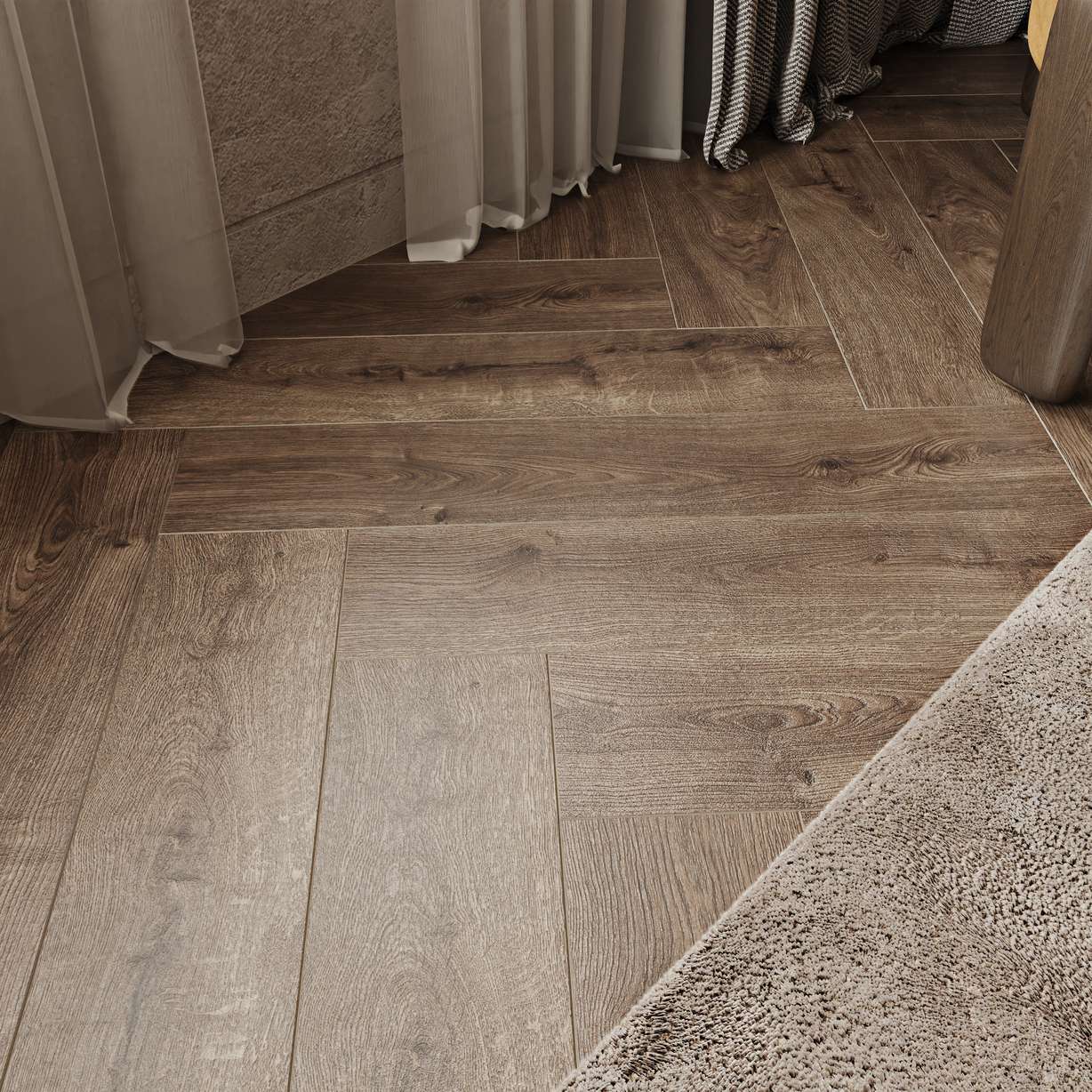
One of the most important factors when mixing flooring materials is choosing the same color undertones. Whether you go with wood, tile, carpet or vinyl, the tones should work together.
Carpet One recommends choosing one type of flooring and color first and then making your other choices match the tone.
For example, if you want a cool oak vinyl plank in the kitchen and then carpet in the living room, make sure the color of the carpet is also cool-toned. Maybe you opt for a light-grey blue, or an elegant white.
Just be prepared to have your whole layout planned in advance so you can find the right materials and shades for your entire space.
Match the style
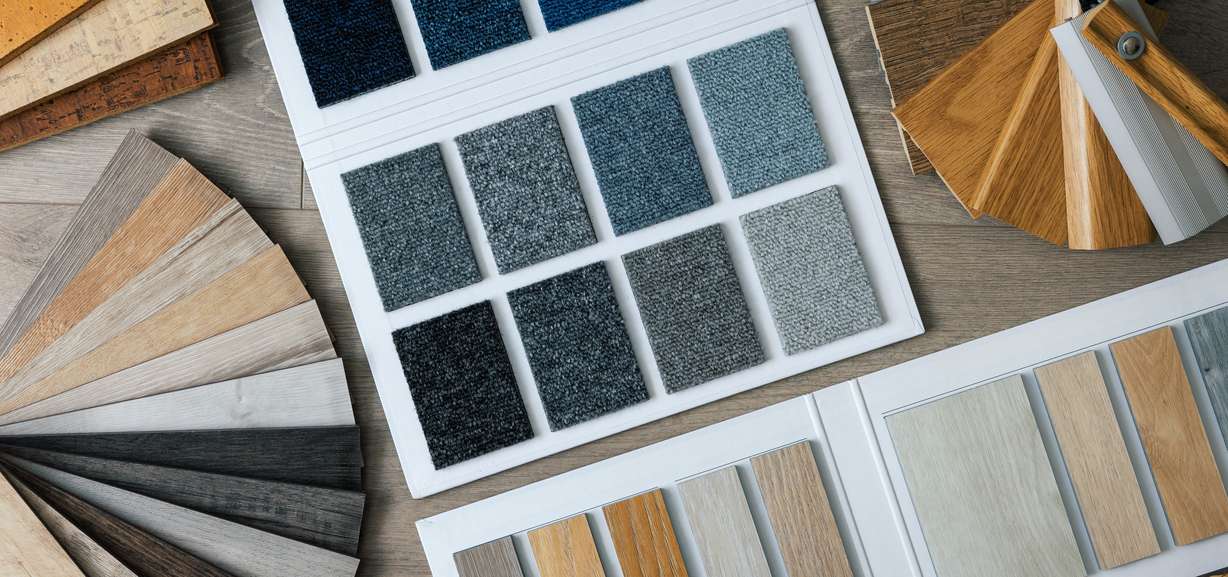
Today's flooring options are nearly unlimited. Tile can look like wood and vinyl can look like tile. When you choose your flooring materials, your choice should come down to style preference and the function of the room.
Because there are so many options, it's important to separate styles when you mix flooring.
Don't put tile with a wood plank pattern next to LVP with wood patterns. While the colors and pattern of the flooring may be similar, the styles are still very at the transition point, according to Giant Carpet One.
The point of mixing flooring is to find materials that complement each other—not contradict each other.
Don't mix too many styles together
It can be tempting to get a little bit of everything you like, but unlike a plate of food from a buffet, the flooring in your home will last much longer.
Kate Nicholson at House Digest recommends sticking with the age-old "rule of three."
Choose only three flooring finishes across your entire home. This could be carpet in the bedrooms, LVP in the kitchen and bathrooms, and tile in your mudroom and entryway. However you decide to separate your flooring choices, go with your favorite three.
Give mixed flooring a purpose
Instead of choosing different flooring only for the fun of it, use it to define spaces in your home.
According to Sarah Lyon for The Spruce, open concept homes are on their way out this year. Instead, people are opting for more separate spaces and rooms.
If adding doors, walls, and framing to your open concept home is not in your wheelhouse, consider using different flooring to visually separate your spaces.
For example, you can choose to put a neutral walnut LVP in your kitchen, and a few feet away, opt for a neutral beige carpet in the living room. If your entryway is also part of this area, consider adding a neutral-tone tile until you reach another part of the space.
How you define each room is up to you, just consider using the most practical flooring materials in the right spaces.
Where to put different types of flooring
What kind of flooring you put in different spaces in your house matters. Some types of flooring hold up well in high-moisture rooms. Others will wear faster in moist spaces.
A Consumer Reports surface-wear test found that laminate and porcelain tile are excellent choices for resisting foot traffic, stains, and sunlight.
LVP and tile would be great choices for a kitchen or bathroom, while hardwood flooring might be better in low-traffic, low-moisture areas.
Li Wang, the lead in floor testing for Consumer Reports, says porcelain tile is the best choice for bathrooms, mudrooms, laundry rooms, and possibly kitchens.
It's important to note that glass and ceramic objects are likely to break if they fall or are dropped on tile, so consider how often you use those types of dishes in the kitchen.
Carpet is always a solid choice in bedrooms, as it has noise-softening qualities and can be insulting in the winter.
Unfortunately, cleaning stains out of carpet can be tricky, so thoughtfully consider which rooms may be best suited for it. If you have a new pet or kids who spill things easily and you still want carpet, it might be wise to have a spot cleaner handy.
Curate your home with help from Giant Carpet One
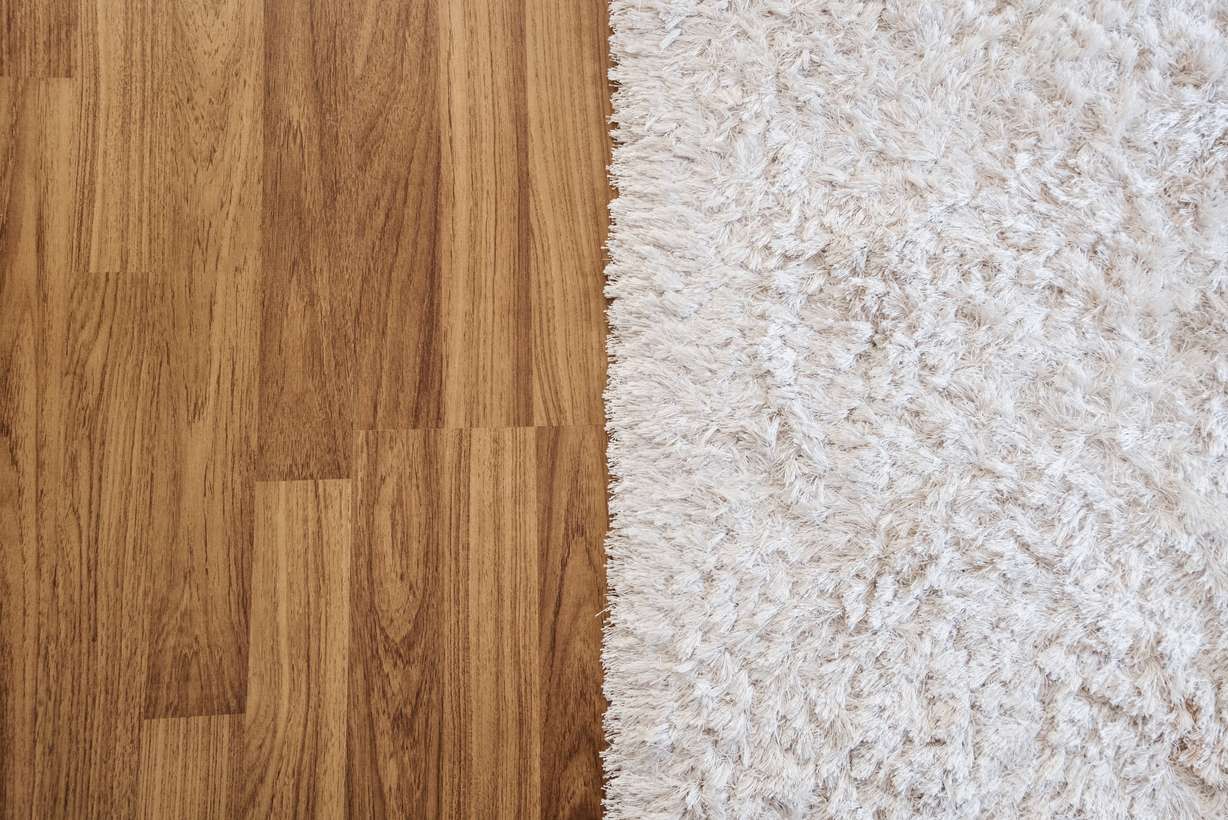
Mixing flooring materials can transform a home when done thoughtfully. If upgrading flooring is part of your 2026 plan, get help from the professionals at Giant Carpet One.
They can help you determine which flooring is best for each space in your home, as well as finding the right shades to complement each material. Visit their website or a store near you to get started.