'%3e%3cpath%20d='M34.1406%205.85938C30.3906%202.10547%2025.3047%200%2020%200C14.6953%200%209.60938%202.10547%205.85938%205.85938C2.10938%209.61328%200%2014.6953%200%2020C0%2025.3047%202.10547%2030.3906%205.85938%2034.1406C9.61328%2037.8906%2014.6953%2040%2020%2040C25.3047%2040%2030.3906%2037.8945%2034.1406%2034.1406C37.8906%2030.3906%2040%2025.3047%2040%2020C40%2014.6953%2037.8945%209.60938%2034.1406%205.85938ZM37.0117%2023.543H31.1602V13.5391H27.6328V19.9414C28.1211%2020.6914%2028.3711%2021.582%2028.3711%2022.5625V22.625C28.3711%2023.668%2028.1172%2024.6055%2027.6328%2025.4297V26.6094H36.082C33.4883%2032.9375%2027.2891%2037.3789%2020.0039%2037.3789C10.3711%2037.3789%202.62109%2029.6289%202.62109%2020C2.62109%2010.3711%2010.3711%202.62109%2020%202.62109C29.6289%202.62109%2037.3789%2010.3711%2037.3789%2020C37.3789%2021.1484%2037.2617%2022.2656%2037.0508%2023.3477C37.0391%2023.4141%2037.0234%2023.4766%2037.0117%2023.543Z'%20fill='white'/%3e%3cpath%20d='M22.3086%2018.5352C20.4336%2018.125%2019.9531%2017.8398%2019.9766%2017.1836V17.1406C19.9766%2016.6992%2020.3477%2016.2148%2021.4023%2016.2148C22.582%2016.2148%2023.8867%2016.6797%2025.0781%2017.4766L26.8516%2015.0195C25.4453%2013.8906%2023.707%2013.3398%2021.5547%2013.3398C18.5195%2013.3398%2016.4375%2015%2016.4063%2017.4766V17.5352C16.3633%2020.2617%2018.5859%2020.9805%2021.293%2021.6016C23.0391%2021.9766%2023.5703%2022.3164%2023.5703%2022.9609L23.5469%2022.9766C23.5469%2023.3906%2023.2578%2023.7031%2022.7852%2023.8359C22.5742%2023.9062%2022.1289%2023.9727%2021.5156%2023.9727C20.7617%2023.9727%2019.7539%2023.8633%2018.6328%2023.4844C18.0898%2023.2891%2017.4727%2023.0039%2016.8047%2022.6133L20.1406%2026.625C20.2813%2026.6602%2021.0977%2026.8516%2021.7734%2026.8516C25.0039%2026.8516%2027.0859%2025.2461%2027.1094%2022.6328V22.5703C27.1602%2020.1133%2025.2148%2019.1719%2022.3086%2018.5352Z'%20fill='white'/%3e%3cpath%20d='M5.24219%2013.5664V26.6133H8.75391V23.7578L10.2969%2021.9531L14.2031%2026.6133H18.3867L12.3555%2019.5195L17.4023%2013.5664H13.4531L8.75391%2019.0586V13.5664H5.24219Z'%20fill='white'/%3e%3c/g%3e%3cdefs%3e%3cclipPath%20id='clip0_97_2430'%3e%3crect%20width='40'%20height='40'%20fill='white'/%3e%3c/clipPath%3e%3c/defs%3e%3c/svg%3e)



- Salt Lake City joins Rocky Mountain Power's Community Clean Energy Program.
- Residents face a $4 monthly rate increase; low-income residents exempt from extra costs.
- The program aims to get city on track for net-100% renewable electricity, starting in 2027.
SALT LAKE CITY — Utah's capital city has opted into a new clean energy program that its leaders say makes a big leap toward solving air quality and other environmental challenges facing the city and state.
Members of the Salt Lake City Council voted unanimously last week to join Rocky Mountain Power's Community Clean Energy Program, making it the largest of the 19 eligible communities to do so. The measure, which includes a modest rate increase for residents and businesses, opens the door for the city to tap into more renewable energy options in the near future.
"This is a great opportunity for Utah to bring clean, renewable energy onto our grid at this moment, and to me, this is a big step for Utah," said Salt Lake City Councilman Dan Dugan shortly after the vote.
Last week's vote was several years in the making. The Utah Legislature passed a bipartisan bill in 2019 that allowed up to 19 communities in the state to partner with Rocky Mountain Power to promote renewable energy through a program that gradually builds new clean energy sources for participating communities.
Salt Lake City jumped at the opportunity, passing a resolution that year that called on it to reach net-100% renewable electricity by 2030. It chipped away at that goal in 2024, when the 80-megawatt solar Elektron Solar Project went online after a few snags, helping to cover 80% to 85% of the electrical needs of its municipally owned buildings.
But it's taken time for the cities to turn the 2019 partnership into action. The Utah Public Service Commission finally approved it last month, setting aside a June 2 deadline for communities to formally enter the program. Utah's capital city, again, didn't waste any time.
"For years, many in our community have wanted access to cleaner energy. This program gives residents and businesses a simple, practical way to participate in building a more resilient future," Salt Lake City Mayor Erin Mendenhall said in a statement after last week's vote.
The decision opts most residents and businesses into the program. An extra $4 per month will be applied to residential power bills. There's no extra cost for certain low-income residents. Nonresidential users will see a change based on usage, estimated at a 5% increase in the typical monthly bill for a medium-sized office building.
Customers can also opt out of the program if they so choose. They are expected to be notified of the change toward the end of this year, at which point they can opt out for free for the first six months. It's $30 after that.
City officials estimate that the program will formally begin in early 2027, though exact dates have yet to be finalized.
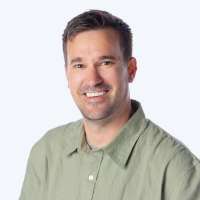
The measure was passed after a public hearing that drew no pushback. Josh Kraft, a government relations manager for Utah Clean Energy and a Salt Lake resident, called it a "tremendous opportunity" to boost renewable energy resources.
"It is an opportunity for Salt Lake City and the host communities for the 2034 Winter Olympics Games to show leadership on reducing emissions and climate change," he said.
Cottonwood Heights, Emigration Canyon, Holladay, Kearns, Midvale and Millcreek are the only other Salt Lake County communities that joined Utah Renewable Communities. The other communities are scattered across Grand, Summit, Washington and Weber counties.