'%3e%3cpath%20d='M34.1406%205.85938C30.3906%202.10547%2025.3047%200%2020%200C14.6953%200%209.60938%202.10547%205.85938%205.85938C2.10938%209.61328%200%2014.6953%200%2020C0%2025.3047%202.10547%2030.3906%205.85938%2034.1406C9.61328%2037.8906%2014.6953%2040%2020%2040C25.3047%2040%2030.3906%2037.8945%2034.1406%2034.1406C37.8906%2030.3906%2040%2025.3047%2040%2020C40%2014.6953%2037.8945%209.60938%2034.1406%205.85938ZM37.0117%2023.543H31.1602V13.5391H27.6328V19.9414C28.1211%2020.6914%2028.3711%2021.582%2028.3711%2022.5625V22.625C28.3711%2023.668%2028.1172%2024.6055%2027.6328%2025.4297V26.6094H36.082C33.4883%2032.9375%2027.2891%2037.3789%2020.0039%2037.3789C10.3711%2037.3789%202.62109%2029.6289%202.62109%2020C2.62109%2010.3711%2010.3711%202.62109%2020%202.62109C29.6289%202.62109%2037.3789%2010.3711%2037.3789%2020C37.3789%2021.1484%2037.2617%2022.2656%2037.0508%2023.3477C37.0391%2023.4141%2037.0234%2023.4766%2037.0117%2023.543Z'%20fill='white'/%3e%3cpath%20d='M22.3086%2018.5352C20.4336%2018.125%2019.9531%2017.8398%2019.9766%2017.1836V17.1406C19.9766%2016.6992%2020.3477%2016.2148%2021.4023%2016.2148C22.582%2016.2148%2023.8867%2016.6797%2025.0781%2017.4766L26.8516%2015.0195C25.4453%2013.8906%2023.707%2013.3398%2021.5547%2013.3398C18.5195%2013.3398%2016.4375%2015%2016.4063%2017.4766V17.5352C16.3633%2020.2617%2018.5859%2020.9805%2021.293%2021.6016C23.0391%2021.9766%2023.5703%2022.3164%2023.5703%2022.9609L23.5469%2022.9766C23.5469%2023.3906%2023.2578%2023.7031%2022.7852%2023.8359C22.5742%2023.9062%2022.1289%2023.9727%2021.5156%2023.9727C20.7617%2023.9727%2019.7539%2023.8633%2018.6328%2023.4844C18.0898%2023.2891%2017.4727%2023.0039%2016.8047%2022.6133L20.1406%2026.625C20.2813%2026.6602%2021.0977%2026.8516%2021.7734%2026.8516C25.0039%2026.8516%2027.0859%2025.2461%2027.1094%2022.6328V22.5703C27.1602%2020.1133%2025.2148%2019.1719%2022.3086%2018.5352Z'%20fill='white'/%3e%3cpath%20d='M5.24219%2013.5664V26.6133H8.75391V23.7578L10.2969%2021.9531L14.2031%2026.6133H18.3867L12.3555%2019.5195L17.4023%2013.5664H13.4531L8.75391%2019.0586V13.5664H5.24219Z'%20fill='white'/%3e%3c/g%3e%3cdefs%3e%3cclipPath%20id='clip0_97_2430'%3e%3crect%20width='40'%20height='40'%20fill='white'/%3e%3c/clipPath%3e%3c/defs%3e%3c/svg%3e)



Estimated read time: 4-5 minutes
Strokes are generally thought of as something that affects people aged 60 and older. Today, it's happening to people much younger.
Increasingly people 20-40 and even children and teenagers are having strokes.
Parents should pay attention because these numbers indicate a troubling trend.
"The idea that strokes are an 'old person's disease' is incredibly harmful," says Dr. Mohammad Shoari, a neurologist at Holy Cross Hospitals. "We are seeing strokes in younger adults, even teenagers, with increasing frequency. Lifestyle factors, genetics, and even certain medical conditions can put anyone at risk. This isn't just about grandpas anymore; it's about protecting our entire community."
Why young people are facing more stroke risk
Traditional stroke risk factors include high blood pressure, high cholesterol, diabetes, alcohol use and smoking. Other contributing factors include obesity, sedentary lifestyles (including excessive screen time), poor diet, and stress.
Recreational drug use has emerged as a concerning risk factor for strokes in teens and young adults.
A brand-new 2026 study published in the National Library of Medicine says "The growing prevalence of illicit drug use among young people is a serious concern worldwide and contributes to an increased risk of stroke in younger populations…."
Other factors that increase risk include overuse of certain medications like stimulants for ADHD, or undiagnosed conditions like heart problems and genetic predispositions.
Information from the American Heart Association cites research that shows among younger people, non-traditional factors like migraines are associated with increased stroke risk.
Recognizing the new face of stroke
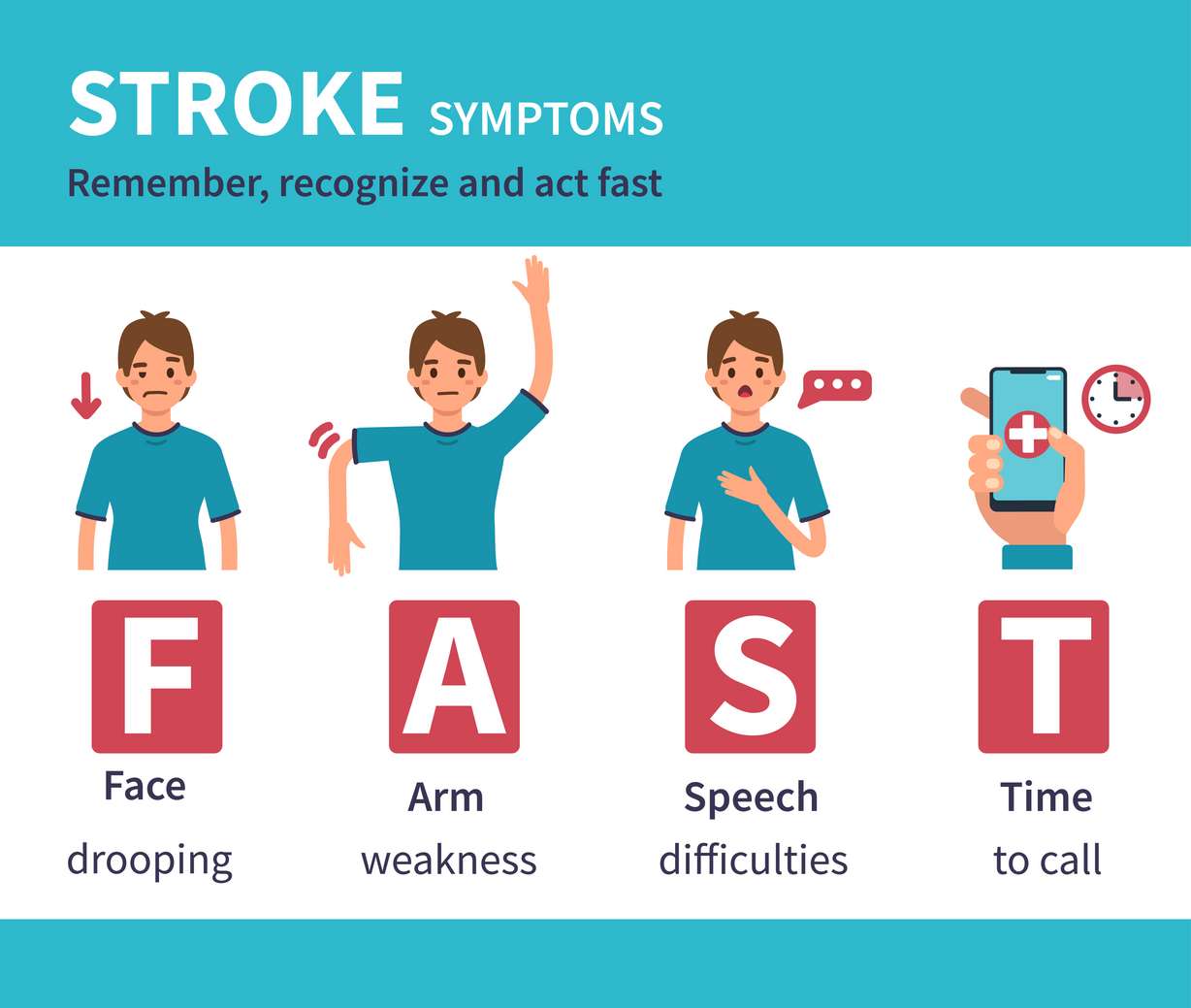
When you suspect a stroke might be happening, you've got to think FAST. The American Stroke Association says, "Prompt treatment may make the difference between life and death — or the difference between a full recovery and long-term disability." FAST is an acronym that helps you spot the symptoms of a stroke. F stands for face drooping, A for arm weakness, S for speech difficulty, and T for time to call 911.
This is true for everyone experiencing stroke. However, sometimes symptoms in younger individuals might be subtle or misattributed to other conditions like migraine, anxiety, or drug use. It's important to take any potential stroke symptom seriously, regardless of age.
"Every minute counts when someone is having a stroke," emphasizes Dr. Rebecca Reiser, a neurologist at Holy Cross Hospital Jordan Valley. "The quicker a patient receives specialized medical attention, the higher their chances of a full recovery. Don't second-guess or wait for symptoms to worsen. Call 911 immediately."
Proactive steps to take
As with most health conditions, there are some steps you can take (both for yourself and your children) to be proactive and reduce stroke risk. Healthy habits like a balanced diet, plenty of exercise, and limiting processed foods and sugary drinks are great places to start.
Manage stress by attending routine medical checkups to monitor blood pressure, cholesterol, and other potential risk factors. Talk with your teens about the risks of recreational drugs and other unhealthy behaviors.
Safeguard your family's health by focusing on these basics! By understanding the modern landscape of stroke risk and knowing when to act, parents can protect their children.
Stroke services offered at CommonSpirit Health
At CommonSpirit Health, they're committed to building healthy communities. They offer various stroke treatments including TNK (tenecteplase), a medication that reduces ischemic stroke risk, CT scans, thrombectomy surgery for blood clots, and rehab for stroke patients.
CommonSpirit Health has a mission to care for the most vulnerable, relentlessly innovate how and where healing can happen, and unite to benefit the common good. Their expansive network spans diverse communities, uniquely positioning them to meet changing needs, improve population health, and help chart the path to health equity.
To learn more about CommonSpirit Health visit their website.
–––––––––––––––––––––––––––––––––––––––––––––––––––––––––––––––––––––––––––––––––––––––––––––––––––––––––––––––––––––––––––––––––––
The opinions and conclusions expressed in this article are the sponsor's own and do not reflect the views or opinions of KSL.com. This Site Does Not Provide Medical Advice. Any content on this Site, such as text, graphics, images, information obtained from, or contained on this Site are for informational purposes only. The content is not intended to be a substitute for professional medical advice, diagnosis, or treatment. Always seek the advice of your physician or other qualified health provider with any questions you may have regarding a medical condition. Never disregard professional medical advice or delay in seeking it because of something you have read on this site! The owner and operator of this site do not recommend or endorse any specific tests, physicians, products, procedures, opinions, or other information that may be mentioned on the site. Reliance on any information provided by the Operator, including their employees, contractors or others appearing on the Site at the invitation of the Operator, or other visitors to the Site is solely at your own risk. If you think you may have a medical emergency, call your doctor or 911 immediately.