Estimated read time: 3-4 minutes
Home improvement projects often start with visible upgrades. Homeowners may focus on remodeling a kitchen, updating flooring or improving outdoor spaces. But some of the most impactful improvements happen behind the walls and systems that help a home run efficiently.
Energy efficiency upgrades can improve comfort, reduce wasted energy and help manage monthly utility costs. The challenge for many homeowners is deciding which upgrades are worth prioritizing and where to begin.
Every home is different, and the improvements that make the most sense for one household may not be the same for another. Factors like the age of the home, existing insulation, heating equipment and how the space is used can all affect where energy is being lost.
For many Utah homeowners, the first step is identifying how their home is currently performing.
One common area to evaluate is the heating system. Furnaces typically run heavily throughout Utah winters, and older systems may require more energy to maintain comfortable indoor temperatures. Upgrading to a high-efficiency natural gas furnace can improve heating performance and help reduce energy use over time.
Smart thermostats are another upgrade many homeowners consider. These devices allow households to better manage heating schedules and temperature settings throughout the day. By automatically adjusting temperatures when people are away or sleeping, smart thermostats can help improve overall efficiency while maintaining comfort.
Insulation and weatherization improvements can also make a meaningful difference in energy usage. Air leaks around windows, doors and attic spaces allow warm air to escape during the winter and let outside air enter the home. Sealing those gaps and adding insulation where needed can help stabilize indoor temperatures and reduce strain on heating systems.
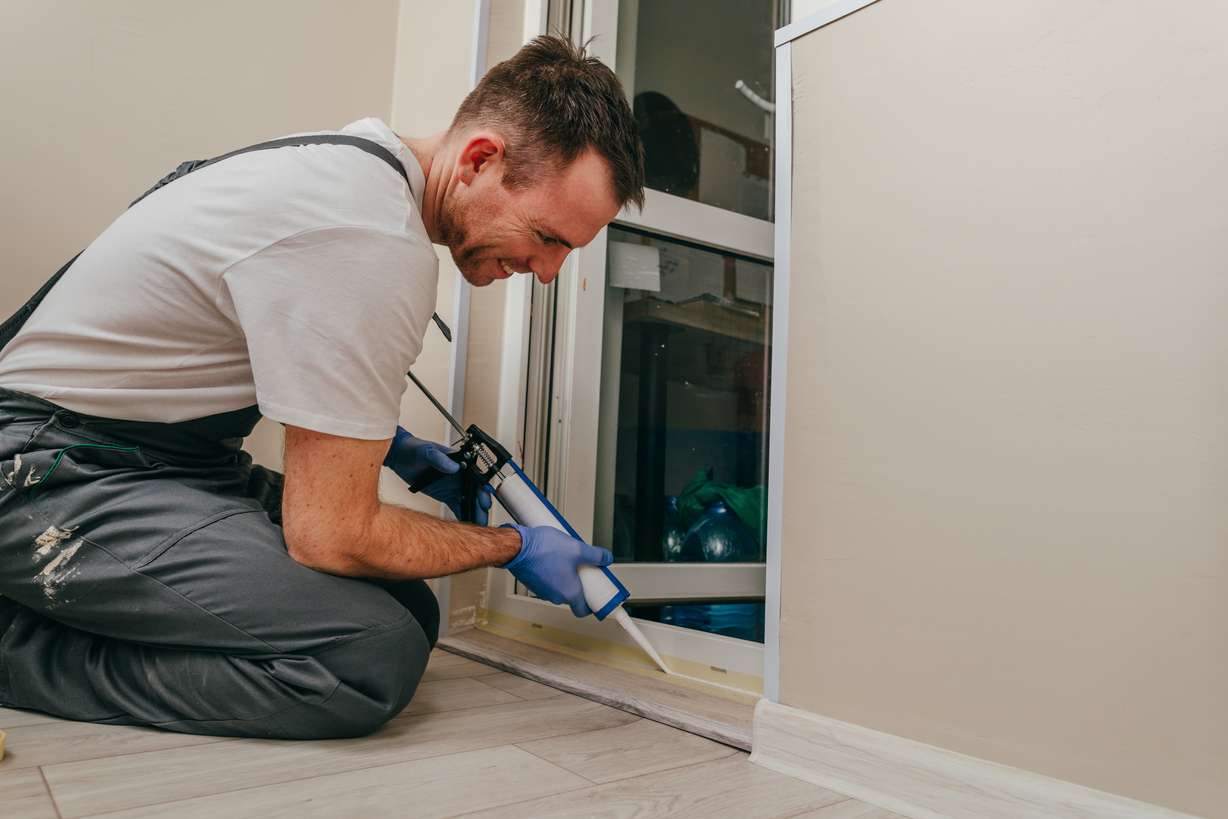
While some homeowners know exactly what upgrades they want to pursue, others may find it helpful to start with a broader look at their home's energy use. A Home Energy Plan can provide that perspective.
A Home Energy Plan evaluates how a home currently uses natural gas and identifies areas where improvements could have the greatest impact. The plan helps homeowners understand where their home may be losing energy and which upgrades may offer the best return based on their needs and budget.
Rather than tackling every improvement at once, many households choose to approach upgrades gradually. Some might start with smaller improvements such as sealing air leaks or installing a smart thermostat, then plan larger upgrades like insulation or heating equipment over time.
Programs like ThermWise are designed to support that process. ThermWise offers rebates for qualifying energy-efficient upgrades, helping offset the upfront cost of improvements such as high-efficiency furnaces, smart thermostats and certain weatherization measures.
These rebates can make it easier for homeowners to invest in improvements that improve comfort and efficiency without taking on the full cost alone.
Energy-efficient upgrades are not always the most visible home improvements, but they often provide lasting benefits. Homes that retain heat more effectively and use efficient heating systems tend to maintain more consistent indoor temperatures and require less natural gas to stay comfortable.
For homeowners who are considering upgrades or simply want to understand their options, resources and rebate information are available through the ThermWise program. Details about available incentives and Home Energy Plans can be found at thermwise.com, where homeowners can explore which improvements may make sense for their home.