'%3e%3cpath%20d='M34.1406%205.85938C30.3906%202.10547%2025.3047%200%2020%200C14.6953%200%209.60938%202.10547%205.85938%205.85938C2.10938%209.61328%200%2014.6953%200%2020C0%2025.3047%202.10547%2030.3906%205.85938%2034.1406C9.61328%2037.8906%2014.6953%2040%2020%2040C25.3047%2040%2030.3906%2037.8945%2034.1406%2034.1406C37.8906%2030.3906%2040%2025.3047%2040%2020C40%2014.6953%2037.8945%209.60938%2034.1406%205.85938ZM37.0117%2023.543H31.1602V13.5391H27.6328V19.9414C28.1211%2020.6914%2028.3711%2021.582%2028.3711%2022.5625V22.625C28.3711%2023.668%2028.1172%2024.6055%2027.6328%2025.4297V26.6094H36.082C33.4883%2032.9375%2027.2891%2037.3789%2020.0039%2037.3789C10.3711%2037.3789%202.62109%2029.6289%202.62109%2020C2.62109%2010.3711%2010.3711%202.62109%2020%202.62109C29.6289%202.62109%2037.3789%2010.3711%2037.3789%2020C37.3789%2021.1484%2037.2617%2022.2656%2037.0508%2023.3477C37.0391%2023.4141%2037.0234%2023.4766%2037.0117%2023.543Z'%20fill='white'/%3e%3cpath%20d='M22.3086%2018.5352C20.4336%2018.125%2019.9531%2017.8398%2019.9766%2017.1836V17.1406C19.9766%2016.6992%2020.3477%2016.2148%2021.4023%2016.2148C22.582%2016.2148%2023.8867%2016.6797%2025.0781%2017.4766L26.8516%2015.0195C25.4453%2013.8906%2023.707%2013.3398%2021.5547%2013.3398C18.5195%2013.3398%2016.4375%2015%2016.4063%2017.4766V17.5352C16.3633%2020.2617%2018.5859%2020.9805%2021.293%2021.6016C23.0391%2021.9766%2023.5703%2022.3164%2023.5703%2022.9609L23.5469%2022.9766C23.5469%2023.3906%2023.2578%2023.7031%2022.7852%2023.8359C22.5742%2023.9062%2022.1289%2023.9727%2021.5156%2023.9727C20.7617%2023.9727%2019.7539%2023.8633%2018.6328%2023.4844C18.0898%2023.2891%2017.4727%2023.0039%2016.8047%2022.6133L20.1406%2026.625C20.2813%2026.6602%2021.0977%2026.8516%2021.7734%2026.8516C25.0039%2026.8516%2027.0859%2025.2461%2027.1094%2022.6328V22.5703C27.1602%2020.1133%2025.2148%2019.1719%2022.3086%2018.5352Z'%20fill='white'/%3e%3cpath%20d='M5.24219%2013.5664V26.6133H8.75391V23.7578L10.2969%2021.9531L14.2031%2026.6133H18.3867L12.3555%2019.5195L17.4023%2013.5664H13.4531L8.75391%2019.0586V13.5664H5.24219Z'%20fill='white'/%3e%3c/g%3e%3cdefs%3e%3cclipPath%20id='clip0_97_2430'%3e%3crect%20width='40'%20height='40'%20fill='white'/%3e%3c/clipPath%3e%3c/defs%3e%3c/svg%3e)


- The Road Home is adopting a new strategy for this year's Point-In-Time Count, to improve family homelessness data accuracy.
- Families are encouraged to visit the Connie Crosby Family Resource Center in Midvale.
- Volunteers face challenges identifying families due to their nomadic nature and visibility issues.
SALT LAKE CITY — Volunteers across Utah count the number of people experiencing homelessness at the end of January every year.
The Point-In-Time Count is meant to help capture a snapshot of the number of people experiencing homelessness; it is conducted nationwide over several days in January.
The data collected helps state leaders, policymakers and service providers get a better understanding of the unsheltered population throughout the state — and what the needs are.
Social service agencies and government entities, along with coordinated volunteers in Salt Lake County, will join other municipalities across the state and nation in visiting designated areas to collect data on where homeless community members sleep on the night of Jan. 28.
The 2026 count takes place Thursday, Friday and Saturday, between the hours of 4 a.m. and 6 a.m.
Data from Utah's 2025 Point-In-Time count revealed an 18% increase from the prior year in homelessness across the state, with over 4,500 people affected. The 2025 count also revealed that over 650 children were experiencing homelessness — an increase of 12% from 2024, signaling the need for family resources.
Utah families saw a significant uptick in homelessness during the COVID-19 pandemic, with a 27% increase between 2020 and 2023, according to a 2024 report by the Utah Office of Homeless Services.
Leaders at The Road Home, one of Utah's largest homeless shelter operators, believe there may be more families experiencing homelessness that haven't been accounted for previously.
During this year's Point-In-Time Count, families experiencing homelessness in Salt Lake County are encouraged to visit the Connie Crosby Family Resource Center as part of Road Home's new approach to obtain a more accurate view of family homelessness.
"We're trying this new method — hoping that we can get families to come in to shelter to make sure that we are not missing anyone who is experiencing unsheltered homelessness," said Tessa Nicolaides, director of the Connie Crosby Family Resource Center and director of the family street outreach program. "(We're) hoping that this will be a way to identify those families and get them accounted for and then also make sure they're getting connected to resources."
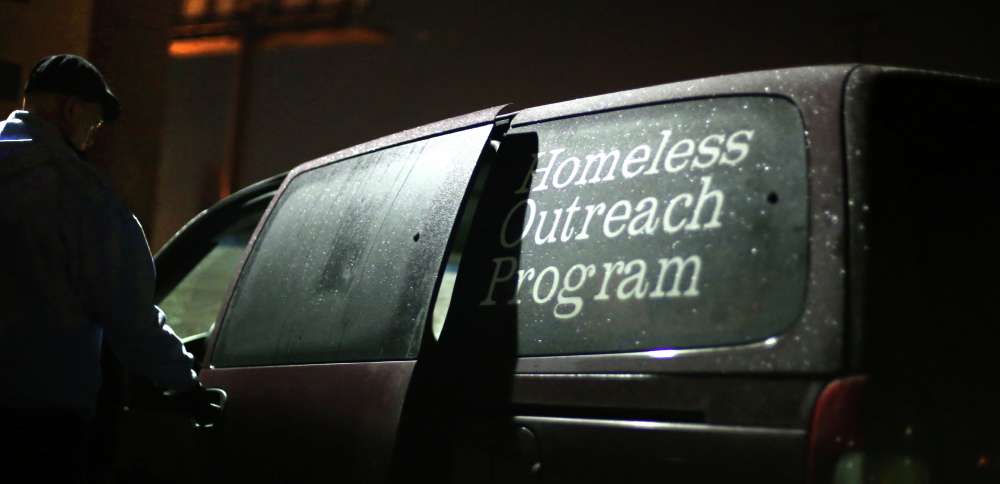
Nicolaides said that for volunteers and street outreach teams canvassing areas for people experiencing homelessness, it can be challenging to encounter families with children because they aren't always as visible.
"It's been hard in years past, just because it's a very nomadic population," she said. "There's a lot of moving around; trying to stay warm; trying to go to different areas; maybe there's some fear around potential(ly) (the Division of Child and Family Services) getting involved — even though we know being homeless does not equate to abuse or neglect or anything, but there's a lot of fear."
The Road Home notes that this form of outreach may reveal a spike in the number of unsheltered families compared to previous years. Its leaders add it doesn't necessarily mean a sharp rise in homelessness, but rather a discovery of families who were unaccounted for during previous statewide counts.
"So we're hoping that this method will equate to a better representation of the families that we know are out there. They've always been out there; we just haven't had an easy way to account for them during those three days," Nicolaides told KSL.
Though volunteers, homeless service providers, and local and state officials participating in the count will go out in the early mornings of Thursday, Friday and Saturday, unsheltered families can visit the Connie Crosby Family Resource Center, located at 529 W. 9th Avenue in Midvale, between 8 a.m. and noon on those days.
Families with children under the age of 18 who choose to visit the resource center during those times will be asked a few confidential questions about their living situation; they'll also have access to basic supplies, helpful resources and other incentives.
If an unsheltered family is unable to visit the resource center in person but still wants to participate in the count, they can call the main shelter line — if possible — at 801-569-1201.
The Road Home also encourages those aware of a family experiencing homelessness to spread the word by referring them to the Connie Crosby Family Resource Center for support during the Point-In-Time Count.
"The Road Home is committed to making sure every family experiencing homelessness is seen, counted, and supported. This year's approach is about reaching families where they are and helping them access the resources they need," the organization said in a statement as part of a media release.
Katie Zimmerman, volunteer coordinator for the Salt Lake Valley Coalition to end homelessness, said on Friday that more than 330 volunteers had signed up to help with the countywide assessment of homelessness.
While she said the number is slightly lower than last year's volunteer count, Zimmerman was hopeful that more people would still sign up in time to help on all three mornings, or at least one.
Zimmerman said she has been part of the count for the past nine years. The unique experience yields an opportunity meet others from different walks of life, she said.
"We have a lot of people with lived experience that are now out of the experience of experiencing homelessness and are participating in the count themselves, so they're a good group to learn from as well," she said.
Data collected from the 2026 count will be made available later this year. Information on Point-In-Time Count efforts across Utah is available at endutahhomelessness.org.