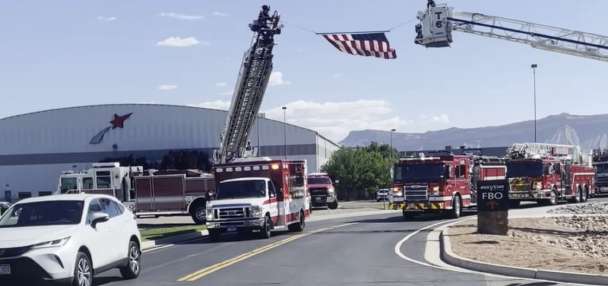
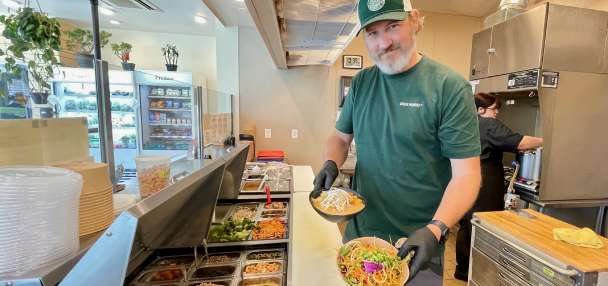
Anyone who makes a habit out of attending Friday night games knows it's a whole experience — and it doesn't just start when the players take the field. Long before kickoff, families and friends meet up for pre-game dinners and, win or lose, often gather afterward at a local eatery to celebrate or commiserate.
It may look like just another fun Friday night, but the impact extends far beyond the stands. Those crowds, carloads and conversations translate into measurable economic gains, especially for small businesses located near stadiums.
On a national scale, Sports ETA reports that the amateur and youth sports tourism sector accounts for $39.7 billion in annual spending and contributes $91.8 billion to the broader economy. Wintergreen Research projects the global youth sports industry will reach $77.5 billion by 2026, which shows just how powerful local sports can be as an economic driver.
That power is visible here in Utah, too. A KSL NewsRadio report by Adam Small and Kennedy Camarena found that visitors brought $194 million to Salt Lake County's economy through sports tourism — and it wasn't from the Jazz, Mammoth or Utes. The boost came from high school sports.
While numbers for Utah County are not readily available, one can assume a similar impact – especially since some of the state's powerhouse gridiron teams are spread from Spanish Fork and Springville northward to Provo, Timpview, Skyridge, Lone Peak and Lehi, to name some of the traditional favorites.
With playoff games underway this weekend, local businesses stand to benefit — particularly those near stadiums. Here's how the gridiron effect plays out across the community.

Transportation
It starts with getting there. Faced with limited parking, many fans opt for ridesharing instead of driving themselves. That means more fares for local Uber and Lyft drivers and extra foot traffic for nearby convenience stores and gas stations. Even before the first whistle, those small purchases and short trips begin adding up.
Pre-game bites and post-game parties
Food is part of the ritual. Local restaurants often see a surge in business about an hour before kickoff as fans look for something to eat before heading to the bleachers.
After the game, the same fans may crowd into nearby diners for celebratory burgers or head to an ice-cream shop to ease the sting of a loss. Either way, food and emotion go hand in hand — and nearby eateries reap the rewards.
It's not just sit-down restaurants that benefit. Snack shops, bakeries and grocery stores offering grab-and-go options see higher sales on game nights. Anywhere you can pick up a bag of chips, a soda or a box of cookies that lasts four quarters is fair game for hungry spectators.
Retail shopping
Some fans mark a big win with a little celebratory shopping. Others use retail therapy to shake off a tough loss. In both cases, local stores get a boost in traffic after the lights go out. Retailers that sell spirit wear, gifts or other small goods can also see noticeable increases in foot traffic during the season.
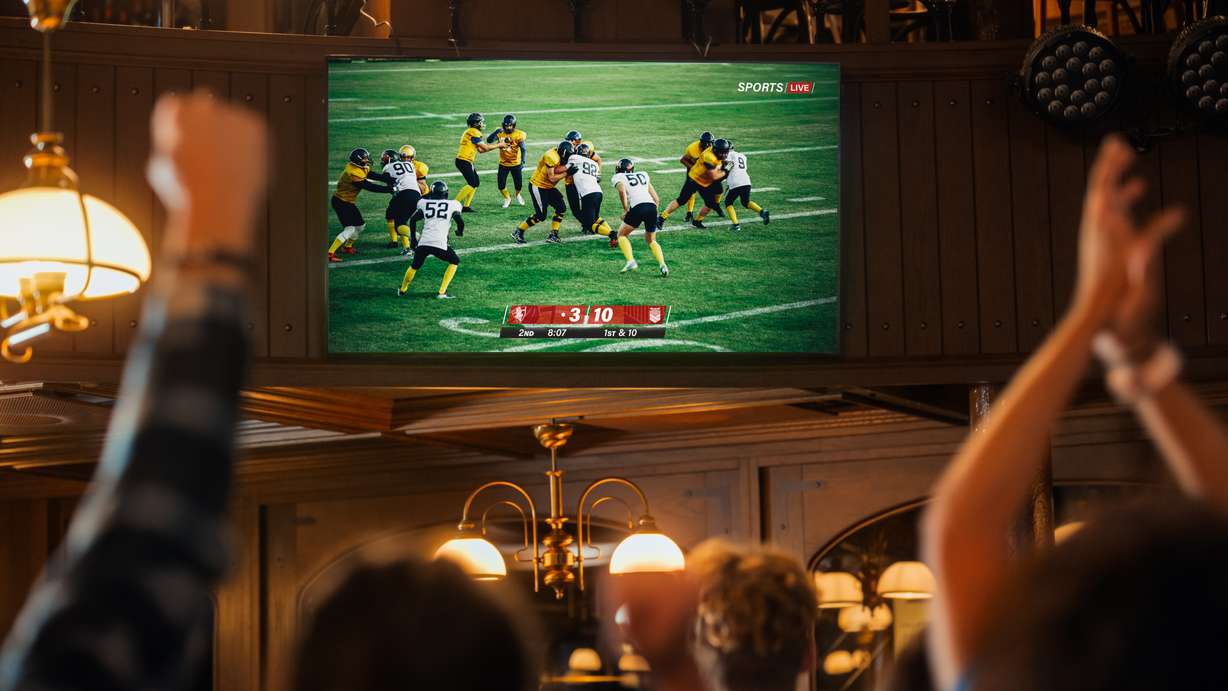
How small businesses can make the most of game nights
The savviest business owners don't just know when local teams play — they plan around it. Here are a few ways to turn game-night energy into steady sales:
- Update signage or marquee boards to advertise special discounts for anyone wearing school colors.
- Keep doors open a little later on Fridays to accommodate post-game shoppers.
- Offer quick-service menus or family-sized meal deals that make it easy for fans to eat and go.
- Post about game nights on social media to draw in parents and students before and after kickoff.
For those looking to make a lasting impression, sponsoring a local team or event can go even further.
Forbes columnist Doug Roberts also explains how this kind of support can ultimately lead to higher customer loyalty and sales.
"Seventy percent of consumers are willing to pay a premium for products and services if a company shares their values, and Gen Z is more likely to base its shopping decisions on a business's real-world impact on society," Roberts writes.
What spectators can do
Of course, fans play a role too. Every ticket you purchase, every meal you share and every ride you request contributes to the local economy. Choosing a nearby restaurant or store before or after the game helps keep dollars circulating close to home — and strengthens the same community that fills the stands on Friday nights.
Next time you head to a high-school matchup, make a point to stop by one of the small businesses that make game nights possible. Whether you're picking up snacks, grabbing dinner or buying a team sweatshirt, you're helping sustain the heartbeat of the local economy.
If the next big game finds you in Utah Valley, you can visit thechamber.org for a full directory of local businesses who could use your support.