Estimated read time: 5-6 minutes
This archived news story is available only for your personal, non-commercial use. Information in the story may be outdated or superseded by additional information. Reading or replaying the story in its archived form does not constitute a republication of the story.
Summertime is finally here, so it's time to hit your favorite lakes and reservoirs! One water sport that's become increasingly popular over the last decade is kayaking.
Statista reports that the number of kayakers in the U.S. has grown 87.3% since 2010 and for good reason. These watertight vessels are loads of fun, easy to maneuver and even offer a good form of low-impact exercise as a bonus.
As with any outdoor adventure, this activity comes with a level of risk. So, before you pull out the kayaks, it's important to be aware of and follow certain safety precautions.
Here are nine ways you can keep yourself, others and the waterways safe this summer as you launch out on your next kayaking adventure.
Wear a life jacket and bright colors
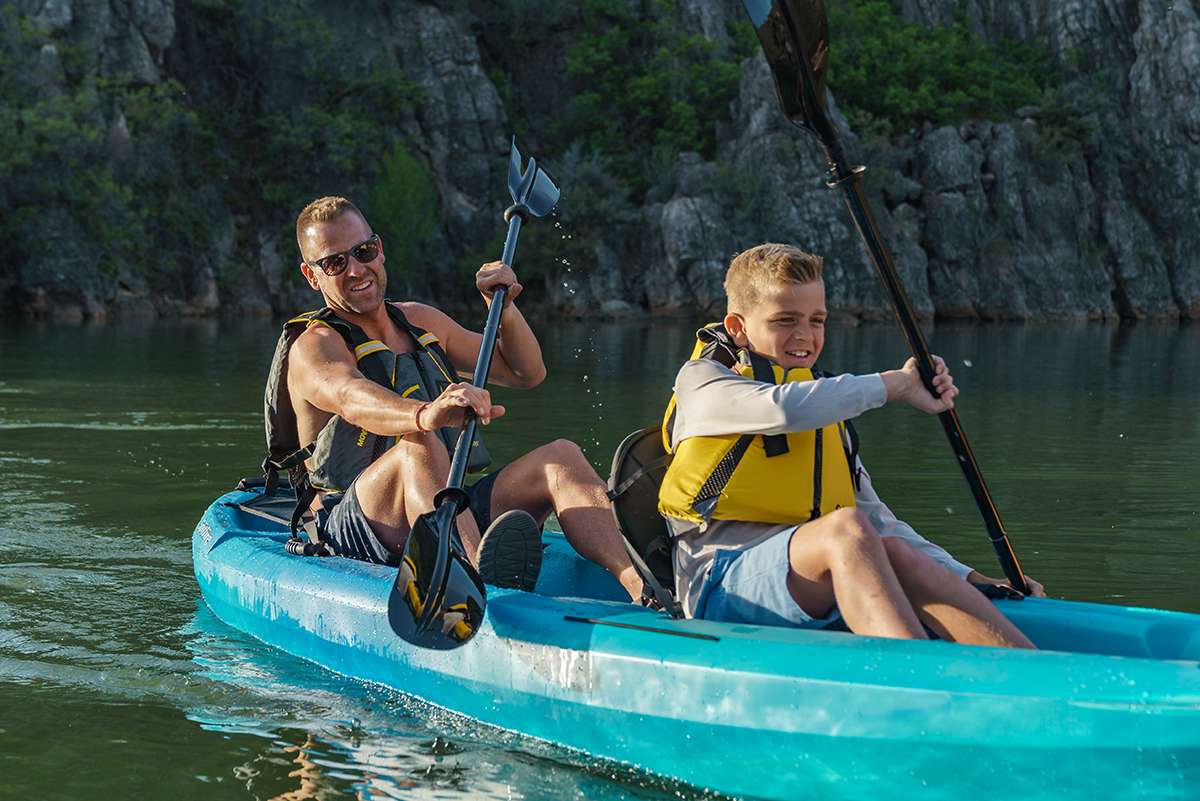
First and foremost, always wear a life jacket or personal flotation device (PFD) when recreating on open water. Not only is this the smart thing to do, it's also the law. According to the Utah Division of State Parks, there has to be "at least one properly sized U.S. Coast Guard-approved life jacket for each person aboard a vessel."
It's also a good idea to wear bright colors with your life jacket so you'll be more visible to surrounding watercraft.
Bring plenty of drinking water
You can work up a decent sweat kayaking — especially if the weather's warm — so be sure to bring plenty of water to stay hydrated. Boat Ed writes a good rule of thumb is to drink some water every 15 to 20 minutes.
Don't paddle alone
The old adage "there's safety in numbers" proves true regarding kayaking. Going with a friend or a group of people is an excellent way to reduce your risk of getting into a dangerous situation.
Let someone know when and where you're going
No matter how big or small your group size is, always let someone on land know when and where you're going. Tell a friend, family member or neighbor where you're kayaking, what course you're taking and when you expect to be home. That way, in case anything happens, they'll know where to find you.
Lifetime kayaks are great for those who want a stable and reliable kayak without making a hefty investment. These plastic kayaks are very affordable, and their sturdy plastic construction requires very little maintenance.
–Paddling Magazine
Pack out whatever you pack in
Now that you know how to keep yourself safe on a kayak, it's time to turn your attention to the water. Do your part to keep things clean by packing out whatever garbage you might bring in. Never toss your trash in the water and make sure all of your containers are secure so nothing falls out.
Be willing to pick up the trash
The Environmental Protection Agency website says trash in waterways can cause a host of problems, including poor water quality, plant and animal endangerment, and polluted tourism hotspots.
Even when you're doing your part to keep the waterways clean, there will always be others who don't. Taking the initiative to clean up any extra trash or debris you see goes a long way toward keeping the outdoors a safer and healthier place for everybody.
Stop at all watercraft inspection stations
If you've never heard of the "STD of the Sea," which stands for "skiff-transmitted disease," it refers to invasive species that may be lurking on watercraft. These things can cause a lot of problems to the ecosystem if they enter where they don't belong. They can outcompete native species, disrupt natural habitats, and cause damage to infrastructure. That's why it's important to stop at all watercraft inspection stations after you've had your fun.
"Be aware that boats, kayaks, canoes, paddleboards and any other floating conveyance are required to stop at all inspection stations when they are open and operating," the Utah Department of Natural Resources states.
"If an inspection station is not open, you still have a legal responsibility to decontaminate your watercraft effectively."
Clean, drain and dry your kayaks after every use
Cleaning, draining and drying your kayak after every use extends its life and prevents the spread of those pesky invasive species. Cleaning your kayak removes potential hitchhikers such as plant fragments, seeds, and tiny organisms.
Find a good kayak
Last, but certainly not least, using a good, stable kayak is key to staying safe in the water this summer. And don't worry — you don't have to drain your bank account to find the right one.
"Lifetime kayaks are great for those who want a stable and reliable kayak without making a hefty investment," Paddling Magazine says. "These plastic kayaks are very affordable, and their sturdy plastic construction requires very little maintenance."
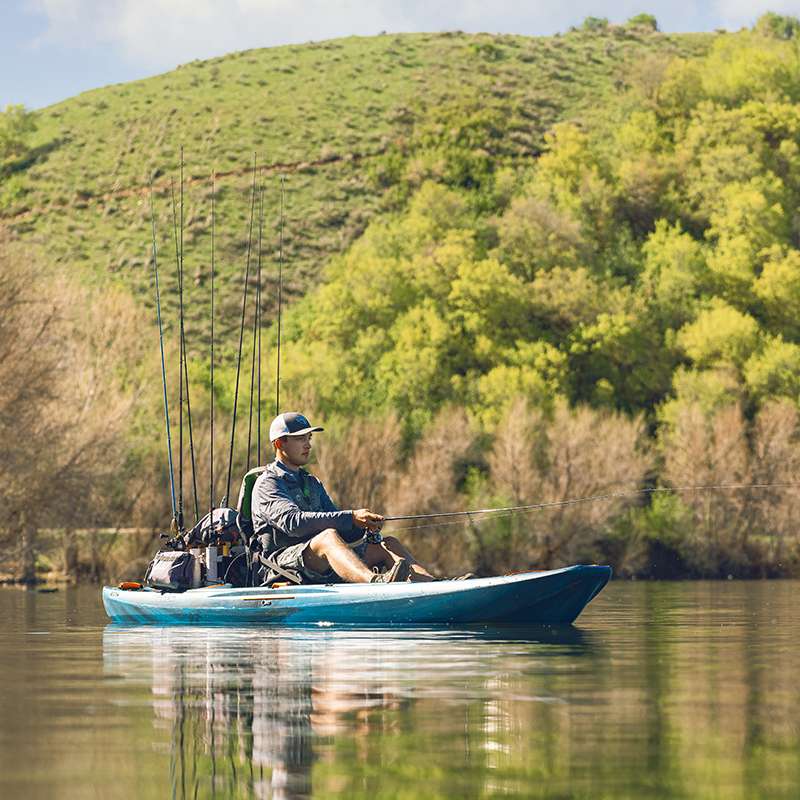
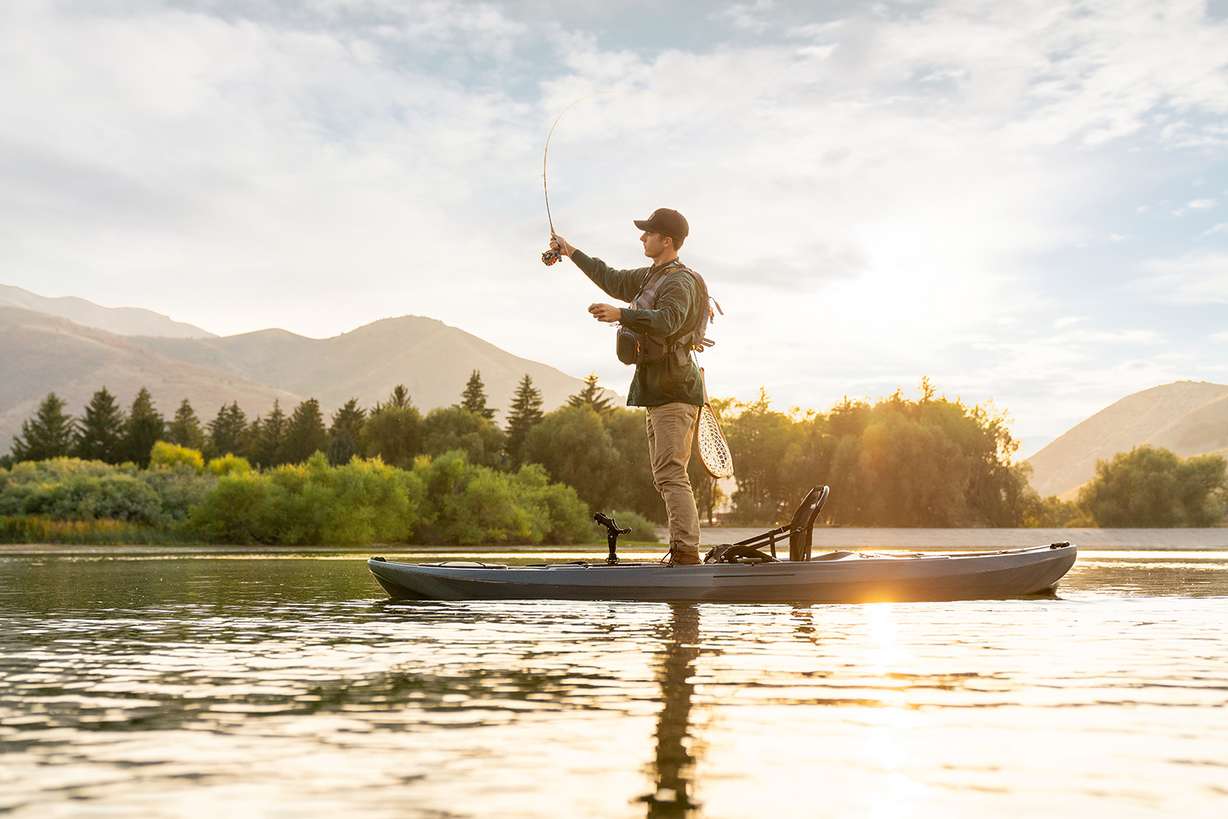
Lifetime kayaks are built from high-density polyethylene plastic, which makes them durable and lightweight. Different styles and accessories are available for both kids and adults, and each kayak comes with handy, built-in features such as cup holders and paddle cradles. The Lifetime fishing kayaks are equipped with rod holders.
For best pricing, buy online and pick up your purchase at one of Lifetime Products' eight stores in Utah and Idaho.