'%3e%3cpath%20d='M34.1406%205.85938C30.3906%202.10547%2025.3047%200%2020%200C14.6953%200%209.60938%202.10547%205.85938%205.85938C2.10938%209.61328%200%2014.6953%200%2020C0%2025.3047%202.10547%2030.3906%205.85938%2034.1406C9.61328%2037.8906%2014.6953%2040%2020%2040C25.3047%2040%2030.3906%2037.8945%2034.1406%2034.1406C37.8906%2030.3906%2040%2025.3047%2040%2020C40%2014.6953%2037.8945%209.60938%2034.1406%205.85938ZM37.0117%2023.543H31.1602V13.5391H27.6328V19.9414C28.1211%2020.6914%2028.3711%2021.582%2028.3711%2022.5625V22.625C28.3711%2023.668%2028.1172%2024.6055%2027.6328%2025.4297V26.6094H36.082C33.4883%2032.9375%2027.2891%2037.3789%2020.0039%2037.3789C10.3711%2037.3789%202.62109%2029.6289%202.62109%2020C2.62109%2010.3711%2010.3711%202.62109%2020%202.62109C29.6289%202.62109%2037.3789%2010.3711%2037.3789%2020C37.3789%2021.1484%2037.2617%2022.2656%2037.0508%2023.3477C37.0391%2023.4141%2037.0234%2023.4766%2037.0117%2023.543Z'%20fill='white'/%3e%3cpath%20d='M22.3086%2018.5352C20.4336%2018.125%2019.9531%2017.8398%2019.9766%2017.1836V17.1406C19.9766%2016.6992%2020.3477%2016.2148%2021.4023%2016.2148C22.582%2016.2148%2023.8867%2016.6797%2025.0781%2017.4766L26.8516%2015.0195C25.4453%2013.8906%2023.707%2013.3398%2021.5547%2013.3398C18.5195%2013.3398%2016.4375%2015%2016.4063%2017.4766V17.5352C16.3633%2020.2617%2018.5859%2020.9805%2021.293%2021.6016C23.0391%2021.9766%2023.5703%2022.3164%2023.5703%2022.9609L23.5469%2022.9766C23.5469%2023.3906%2023.2578%2023.7031%2022.7852%2023.8359C22.5742%2023.9062%2022.1289%2023.9727%2021.5156%2023.9727C20.7617%2023.9727%2019.7539%2023.8633%2018.6328%2023.4844C18.0898%2023.2891%2017.4727%2023.0039%2016.8047%2022.6133L20.1406%2026.625C20.2813%2026.6602%2021.0977%2026.8516%2021.7734%2026.8516C25.0039%2026.8516%2027.0859%2025.2461%2027.1094%2022.6328V22.5703C27.1602%2020.1133%2025.2148%2019.1719%2022.3086%2018.5352Z'%20fill='white'/%3e%3cpath%20d='M5.24219%2013.5664V26.6133H8.75391V23.7578L10.2969%2021.9531L14.2031%2026.6133H18.3867L12.3555%2019.5195L17.4023%2013.5664H13.4531L8.75391%2019.0586V13.5664H5.24219Z'%20fill='white'/%3e%3c/g%3e%3cdefs%3e%3cclipPath%20id='clip0_97_2430'%3e%3crect%20width='40'%20height='40'%20fill='white'/%3e%3c/clipPath%3e%3c/defs%3e%3c/svg%3e)




Estimated read time: 5-6 minutes
This archived news story is available only for your personal, non-commercial use. Information in the story may be outdated or superseded by additional information. Reading or replaying the story in its archived form does not constitute a republication of the story.
Editor's note: This article is a part of a series reviewing U.S. and Utah history for KSL.com's Historic section.SALT LAKE CITY — Halloween has become a popular holiday in the U.S. throughout the years. In fact, a survey conducted by Statista in 2015 found that respondents ranked it as their third-favorite holiday, behind Christmas and Thanksgiving.
There are many reasons why it’s become so popular. Some people like the fear and spooky lore attached to the holiday, and some find it fun to dress in a costume once a year. Others like to quote "Saturday Night Live" character David S. Pumpkins in a recent cartoon special: “Halloween’s about candy, man.”
The National Retail Federation even anticipated that shoppers would spend a combined $9 billion on Halloween-related purchases in 2018, with the average shopper spending $86.79 on candy or decorations. It’s a slight decline from the group’s 2017 projection, but still nearly three times more than what it projected in 2005.
So how exactly did Halloween start and when did it become all about carving pumpkins, dressing in costumes and candy?
Halloween’s origin
Halloween dates back to a group called the Celts, who lived 2,000 years ago in northwestern Europe in what is now modern-day Ireland, northern France and the United Kingdom, according to History.com. They celebrated a holiday called Samhain that began on Oct. 31 and ended on Nov. 1 to mark the end of the harvest and the Celtic calendar. The start of winter and this new year was associated with death, History.com added.
Samhain wasn’t full of candy and delight; rather, Encyclopaedia Britannica described it as “fraught with danger, charged with fear, and full of supernatural episodes.” It was believed that the world of the dead came back to earth and played tricks on mortal beings.
To combat that, Celtic priests built large fires because they believed it would keep evil spirits away, according to a history of Halloween compiled by the University of Albany. Some Celts wore masks and disguises because they believed it would help them not be recognized by evil spirits, Britannica added. It is suggested this is likely why Halloween has been associated with witches, demons and other evil creatures.
Historian Nicholas Rogers told Time Magazine that Celts also likely made stock and livestock sacrifice during the holiday.
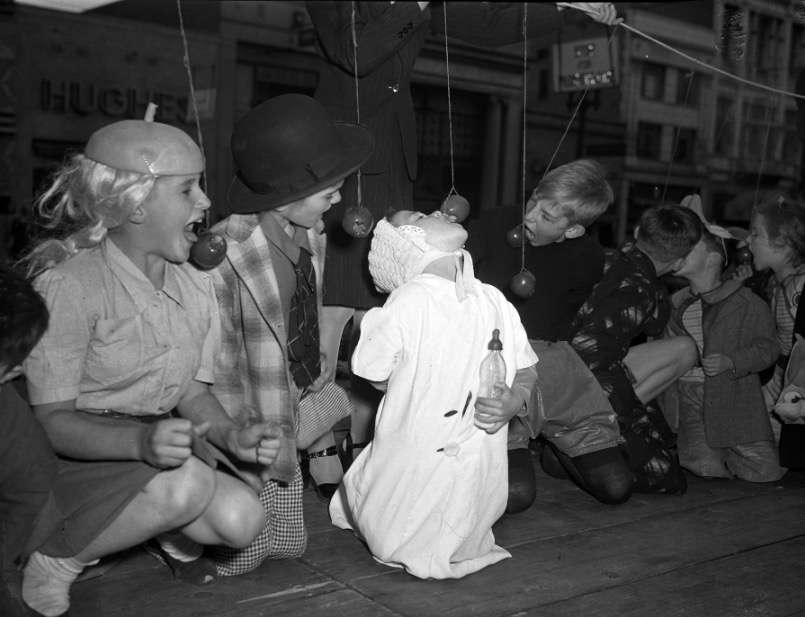
Romans, who conquered the majority of Celtic territory, later combined Samhain with two of their own holidays: Feralia and Pomona, History.com noted. The first holiday honored the passing of the dead, while the other celebrated the goddess of fruit and trees — the latter could explain why apples are often involved in the current holiday (bobbing for apples and ciders.)
In 609 A.D., the Catholic church began celebrating All Saints’ Day and All Souls’ Day. Both holidays honored the dead — the former honored saints who had reached heaven, and the latter honored people who had died but not yet reached heaven. Portions of the old Celtic land still celebrated Samhain, and the Catholic holidays (All Saints' Day and All Souls' Day) were celebrated earlier in the year. Pope Gregory III eventually moved these holidays to Nov. 1 and Nov. 2.
“All Souls Day was celebrated similarly to Samhain, with big bonfires, parades, and dressing up in costumes as saints, angels and devils,” History.com said.
The night before the Catholic holidays became “All Hallows Eve” in those areas, and the Samhain traditions morphed into Christian rituals, according to an article by Ellen Feldman for American Heritage. Felman also reported that “villagers gave ‘soul cakes’ to poor people who promised to pray for departed relatives.”
Halloween is a contraction of "All Hallows Eve" and continues to be celebrated the day before All Saints’ Day, though the Catholic church noted it’s a completely secular holiday.
Halloween's start in America
Eventually, all of the celebrating and traditions made it to North America. It began in the mid-1800s, according to the University of Albany. That's when many Irish citizens immigrated to the U.S. in the middle of a giant famine in Ireland, bringing their Celtic traditions with them.
Feldman wrote that one of the first published American articles about Halloween was in an 1871 edition of Godey's Lady's Book, a women's magazine. Feldman added Halloween grew in popularity in the ensuing decades, but the American tradition "severed its ties with restless spirits, destructive pranks, and, perhaps most important, working-class Irish Catholic traditions and became a proper Victorian lady — safe, sinless and romantically inclined."
She wrote that those initial spooky Halloween traditions began to pick up again in the 20th Century.
Where does pumpkin carving come from?
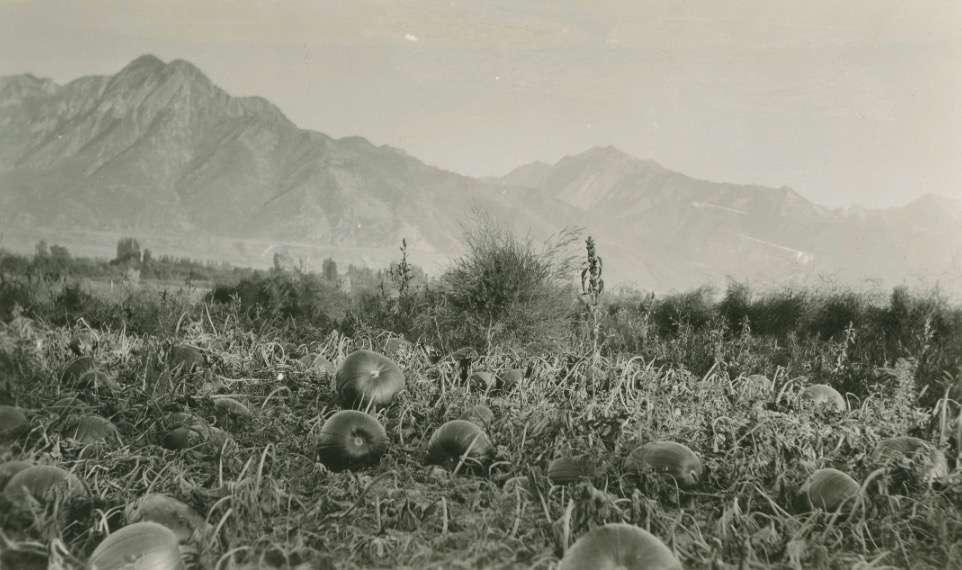
This is another Halloween tradition that resulted from Celtic origins. It starts with the folklore of Stingy Jack, a man who tricked the devil for wealth and then wasn't allowed into heaven, so his spirit remained on earth, according to Britannica.
People carved demonic faces in turnips to keep Jack's spirit away. When Irish immigrants came to America, they used pumpkins instead and it all got lumped into Halloween.
So when did trick-or-treating start?
How did going door to door for candy get involved in all of this? It possibly started from a practice in the 10th century during the three-holiday span from Oct. 31-Nov. 2.
“Poor people would visit the houses of wealthier families and receive pastries called 'soul cakes' in exchange for a promise to pray for the souls of the homeowners’ dead relatives,” according to History.com.
Trick-or-treating also may have roots to a tradition from Guy Fawkes Day, in which kids took to the streets on the evening of Nov. 5 to ask for pennies in honor of Guy Fawkes, according to Time Magazine.
Feldman wrote that children began trick-or-treating for candy in the 1920s. It was in the American lexicon by the time the legendary Peanuts cartoons depicted it in 1951, History.com added.
Since then, it has remained a popular tradition that continues to this day.