'%3e%3cpath%20d='M34.1406%205.85938C30.3906%202.10547%2025.3047%200%2020%200C14.6953%200%209.60938%202.10547%205.85938%205.85938C2.10938%209.61328%200%2014.6953%200%2020C0%2025.3047%202.10547%2030.3906%205.85938%2034.1406C9.61328%2037.8906%2014.6953%2040%2020%2040C25.3047%2040%2030.3906%2037.8945%2034.1406%2034.1406C37.8906%2030.3906%2040%2025.3047%2040%2020C40%2014.6953%2037.8945%209.60938%2034.1406%205.85938ZM37.0117%2023.543H31.1602V13.5391H27.6328V19.9414C28.1211%2020.6914%2028.3711%2021.582%2028.3711%2022.5625V22.625C28.3711%2023.668%2028.1172%2024.6055%2027.6328%2025.4297V26.6094H36.082C33.4883%2032.9375%2027.2891%2037.3789%2020.0039%2037.3789C10.3711%2037.3789%202.62109%2029.6289%202.62109%2020C2.62109%2010.3711%2010.3711%202.62109%2020%202.62109C29.6289%202.62109%2037.3789%2010.3711%2037.3789%2020C37.3789%2021.1484%2037.2617%2022.2656%2037.0508%2023.3477C37.0391%2023.4141%2037.0234%2023.4766%2037.0117%2023.543Z'%20fill='white'/%3e%3cpath%20d='M22.3086%2018.5352C20.4336%2018.125%2019.9531%2017.8398%2019.9766%2017.1836V17.1406C19.9766%2016.6992%2020.3477%2016.2148%2021.4023%2016.2148C22.582%2016.2148%2023.8867%2016.6797%2025.0781%2017.4766L26.8516%2015.0195C25.4453%2013.8906%2023.707%2013.3398%2021.5547%2013.3398C18.5195%2013.3398%2016.4375%2015%2016.4063%2017.4766V17.5352C16.3633%2020.2617%2018.5859%2020.9805%2021.293%2021.6016C23.0391%2021.9766%2023.5703%2022.3164%2023.5703%2022.9609L23.5469%2022.9766C23.5469%2023.3906%2023.2578%2023.7031%2022.7852%2023.8359C22.5742%2023.9062%2022.1289%2023.9727%2021.5156%2023.9727C20.7617%2023.9727%2019.7539%2023.8633%2018.6328%2023.4844C18.0898%2023.2891%2017.4727%2023.0039%2016.8047%2022.6133L20.1406%2026.625C20.2813%2026.6602%2021.0977%2026.8516%2021.7734%2026.8516C25.0039%2026.8516%2027.0859%2025.2461%2027.1094%2022.6328V22.5703C27.1602%2020.1133%2025.2148%2019.1719%2022.3086%2018.5352Z'%20fill='white'/%3e%3cpath%20d='M5.24219%2013.5664V26.6133H8.75391V23.7578L10.2969%2021.9531L14.2031%2026.6133H18.3867L12.3555%2019.5195L17.4023%2013.5664H13.4531L8.75391%2019.0586V13.5664H5.24219Z'%20fill='white'/%3e%3c/g%3e%3cdefs%3e%3cclipPath%20id='clip0_97_2430'%3e%3crect%20width='40'%20height='40'%20fill='white'/%3e%3c/clipPath%3e%3c/defs%3e%3c/svg%3e)




Estimated read time: 2-3 minutes
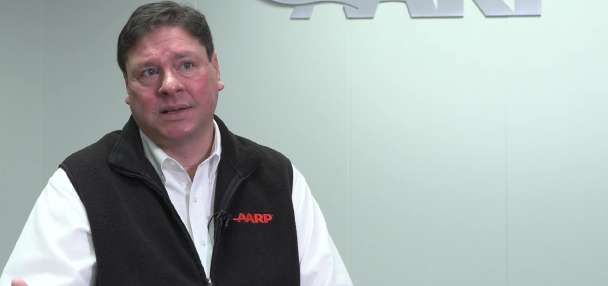
SALT LAKE CITY — Utahns lost more than two-and-a-half million dollars in scams in 2025, according to AARP. Here are the most common scams and what older adults can do to avoid becoming a victim. Fraud losses are most likely underreported, meaning that the number is probably much higher. But AARP is fighting back, giving people tools to spot scams and take action before it's too late. Grant Johnson is retired and now volunteers for AARP. He’s working to stay one step ahead of scammers. He said his mother-in-law was scammed out of $11,000 and that inspired him to volunteer. He shared the story with local media. “At Christmas time he was opening the mail and noticed quite a bit of money was missing from her account,” said Johnson. That experience led Grant to start teaching others how to protect themselves from fraud and help police identify scammers. Right now, romance scams are hitting the community hard. “A guy is caught up in this romance scam and has already given $20,000. And he admitted he knows it's a scam, but he likes to talk to her,” said Johnson. According to the AARP Fraud Watch Network, here are the top 10 reported Scams in Utah for 2025: (The Most Common Scams Targeting Utahns in 2025) 1. Impostor Business 2. Identity Theft 3. Online Dating/Romance 4. Tech Support/Computer Virus 5. Fraudulent Sales 6. Investment Fraud 7. Sweepstakes/Prizes/Lottery 8. Impostor Government 9. Phishing 10. Unauthorized Money Withdrawal Alan Ormsby with AARP Utah said there's one warning sign they all share. “The scammers want you to trust them somehow, and so they're gonna pretend to be a business. They're gonna pretend to be the government. They're gonna pretend to be someone who you know or trust. And then they're gonna put you into fear.” They're trained to say all the right words, but Johnson said preparing ahead of time can make all the difference. “I always like to have a rehearsal script," said Johnson. "Something right there that if a scammer calls you, something that you can ask them questions, something to break it.” If you think you're being targeted, stop all communications. Don't send money and report it even if you're not sure. “These scams are everywhere. And don't feel ashamed or don't feel out of sorts that you are maybe caught up in the middle of it,” said Ormsby. AARP Utah offers free classes taught by volunteers like Johnson. Click here for more information.
In partnership with AARP.
Related: How to protect yourself from rising threat of voice phishing scams