'%3e%3cpath%20d='M34.1406%205.85938C30.3906%202.10547%2025.3047%200%2020%200C14.6953%200%209.60938%202.10547%205.85938%205.85938C2.10938%209.61328%200%2014.6953%200%2020C0%2025.3047%202.10547%2030.3906%205.85938%2034.1406C9.61328%2037.8906%2014.6953%2040%2020%2040C25.3047%2040%2030.3906%2037.8945%2034.1406%2034.1406C37.8906%2030.3906%2040%2025.3047%2040%2020C40%2014.6953%2037.8945%209.60938%2034.1406%205.85938ZM37.0117%2023.543H31.1602V13.5391H27.6328V19.9414C28.1211%2020.6914%2028.3711%2021.582%2028.3711%2022.5625V22.625C28.3711%2023.668%2028.1172%2024.6055%2027.6328%2025.4297V26.6094H36.082C33.4883%2032.9375%2027.2891%2037.3789%2020.0039%2037.3789C10.3711%2037.3789%202.62109%2029.6289%202.62109%2020C2.62109%2010.3711%2010.3711%202.62109%2020%202.62109C29.6289%202.62109%2037.3789%2010.3711%2037.3789%2020C37.3789%2021.1484%2037.2617%2022.2656%2037.0508%2023.3477C37.0391%2023.4141%2037.0234%2023.4766%2037.0117%2023.543Z'%20fill='white'/%3e%3cpath%20d='M22.3086%2018.5352C20.4336%2018.125%2019.9531%2017.8398%2019.9766%2017.1836V17.1406C19.9766%2016.6992%2020.3477%2016.2148%2021.4023%2016.2148C22.582%2016.2148%2023.8867%2016.6797%2025.0781%2017.4766L26.8516%2015.0195C25.4453%2013.8906%2023.707%2013.3398%2021.5547%2013.3398C18.5195%2013.3398%2016.4375%2015%2016.4063%2017.4766V17.5352C16.3633%2020.2617%2018.5859%2020.9805%2021.293%2021.6016C23.0391%2021.9766%2023.5703%2022.3164%2023.5703%2022.9609L23.5469%2022.9766C23.5469%2023.3906%2023.2578%2023.7031%2022.7852%2023.8359C22.5742%2023.9062%2022.1289%2023.9727%2021.5156%2023.9727C20.7617%2023.9727%2019.7539%2023.8633%2018.6328%2023.4844C18.0898%2023.2891%2017.4727%2023.0039%2016.8047%2022.6133L20.1406%2026.625C20.2813%2026.6602%2021.0977%2026.8516%2021.7734%2026.8516C25.0039%2026.8516%2027.0859%2025.2461%2027.1094%2022.6328V22.5703C27.1602%2020.1133%2025.2148%2019.1719%2022.3086%2018.5352Z'%20fill='white'/%3e%3cpath%20d='M5.24219%2013.5664V26.6133H8.75391V23.7578L10.2969%2021.9531L14.2031%2026.6133H18.3867L12.3555%2019.5195L17.4023%2013.5664H13.4531L8.75391%2019.0586V13.5664H5.24219Z'%20fill='white'/%3e%3c/g%3e%3cdefs%3e%3cclipPath%20id='clip0_97_2430'%3e%3crect%20width='40'%20height='40'%20fill='white'/%3e%3c/clipPath%3e%3c/defs%3e%3c/svg%3e)




Estimated read time: 2-3 minutes
This archived news story is available only for your personal, non-commercial use. Information in the story may be outdated or superseded by additional information. Reading or replaying the story in its archived form does not constitute a republication of the story.
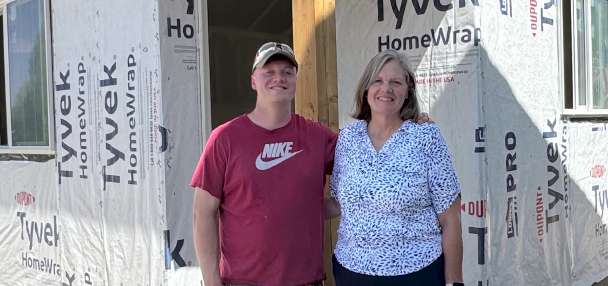
SALT LAKE CITY — Scammers are utilizing email, phone and text messages to prey on people, and seniors are often at the top of their list. In today’s Positively 50+, we look at common scams and how to protect the older adults in our lives. Sandy Hunter got a text message that stopped her in her tracks. “It made me feel stupid that I wasn’t more paying attention to what was going on,” she said. The text said she had an unpaid toll fee. Hunter recalls driving through a toll booth back east last fall and figured it was legit. “I clicked on their link that they had with that text. It asked me to put in the $69.99,” she said. The next day, she got text alerts from her credit union. Scammers spent $300 at a Lowe's in California. “Since I gave them my PIN, it’s like giving them my signature,” Hunter said. More than four in 10 Americans say they have lost money to scams. Scammers don’t discriminate, but the elderly are particularly vulnerable. “We have a loneliness epidemic right now, so they tend to have a lot of time on their hands and be a little bit more yearning for connection,” said Katie Hass with the Utah Division of Consumer Protection. Red flags to look out for include urgent language or threats. “They’re trying to get you in that elevated state,” Hass said. Also, look out for unknown senders with links, requests for money via gift cards, PayPal or Venmo and generic greetings. “Somebody will call up and say, 'Hi grandma, it’s me,'” Hass said. “'My car's getting towed. I’m worried Dad is going to be mad at me. Can you Venmo me or PayPal me some money?'” If the text has a weird email or telephone number on it, chances are it’s bogus. To protect yourself or a loved one:
- Do not click on links from unknown texts or emails.
- Know that legitimate agencies won’t ask for payment by gift cards or pressure you to act immediately.
- If something feels off, stop and call a friend or family to verify.
- It’s tempting, but do not respond.
“Even if you engage to say you have the wrong number or this is the wrong thing, or this isn’t me. They will get you,” Hass warned. If you think you’ve been scammed, contact your bank immediately, and report it to local authorities and the FTC. You can also file a complaint with the Utah Division of Consumer Protection. Shredding sensitive documents is a great way to prevent fraud. AARP will be hosting two free shredding events on June 28 — one in Salt Lake City, and one in Ogden. Sign up at aarp.org/utahfun.