'%3e%3cpath%20d='M34.1406%205.85938C30.3906%202.10547%2025.3047%200%2020%200C14.6953%200%209.60938%202.10547%205.85938%205.85938C2.10938%209.61328%200%2014.6953%200%2020C0%2025.3047%202.10547%2030.3906%205.85938%2034.1406C9.61328%2037.8906%2014.6953%2040%2020%2040C25.3047%2040%2030.3906%2037.8945%2034.1406%2034.1406C37.8906%2030.3906%2040%2025.3047%2040%2020C40%2014.6953%2037.8945%209.60938%2034.1406%205.85938ZM37.0117%2023.543H31.1602V13.5391H27.6328V19.9414C28.1211%2020.6914%2028.3711%2021.582%2028.3711%2022.5625V22.625C28.3711%2023.668%2028.1172%2024.6055%2027.6328%2025.4297V26.6094H36.082C33.4883%2032.9375%2027.2891%2037.3789%2020.0039%2037.3789C10.3711%2037.3789%202.62109%2029.6289%202.62109%2020C2.62109%2010.3711%2010.3711%202.62109%2020%202.62109C29.6289%202.62109%2037.3789%2010.3711%2037.3789%2020C37.3789%2021.1484%2037.2617%2022.2656%2037.0508%2023.3477C37.0391%2023.4141%2037.0234%2023.4766%2037.0117%2023.543Z'%20fill='white'/%3e%3cpath%20d='M22.3086%2018.5352C20.4336%2018.125%2019.9531%2017.8398%2019.9766%2017.1836V17.1406C19.9766%2016.6992%2020.3477%2016.2148%2021.4023%2016.2148C22.582%2016.2148%2023.8867%2016.6797%2025.0781%2017.4766L26.8516%2015.0195C25.4453%2013.8906%2023.707%2013.3398%2021.5547%2013.3398C18.5195%2013.3398%2016.4375%2015%2016.4063%2017.4766V17.5352C16.3633%2020.2617%2018.5859%2020.9805%2021.293%2021.6016C23.0391%2021.9766%2023.5703%2022.3164%2023.5703%2022.9609L23.5469%2022.9766C23.5469%2023.3906%2023.2578%2023.7031%2022.7852%2023.8359C22.5742%2023.9062%2022.1289%2023.9727%2021.5156%2023.9727C20.7617%2023.9727%2019.7539%2023.8633%2018.6328%2023.4844C18.0898%2023.2891%2017.4727%2023.0039%2016.8047%2022.6133L20.1406%2026.625C20.2813%2026.6602%2021.0977%2026.8516%2021.7734%2026.8516C25.0039%2026.8516%2027.0859%2025.2461%2027.1094%2022.6328V22.5703C27.1602%2020.1133%2025.2148%2019.1719%2022.3086%2018.5352Z'%20fill='white'/%3e%3cpath%20d='M5.24219%2013.5664V26.6133H8.75391V23.7578L10.2969%2021.9531L14.2031%2026.6133H18.3867L12.3555%2019.5195L17.4023%2013.5664H13.4531L8.75391%2019.0586V13.5664H5.24219Z'%20fill='white'/%3e%3c/g%3e%3cdefs%3e%3cclipPath%20id='clip0_97_2430'%3e%3crect%20width='40'%20height='40'%20fill='white'/%3e%3c/clipPath%3e%3c/defs%3e%3c/svg%3e)



- Utah's 2026 water year saw mountain precipitation that was 96% of normal.
- Record warmth led to record-low snowpack, affecting water supply and reservoirs anyway.
- 2027 begins with severe drought but good soil moisture; El Niño's impact uncertain.
SALT LAKE CITY — Utah's 2026 water year was relatively normal in terms of statewide precipitation in the mountains, which generate most of the state's water supply.
The state's mountain sites — on average — collected 28.1 inches of precipitation between Oct. 1, 2025, and Sept. 30 of this year, according to the U.S. Natural Resources Conservation Service. That's roughly 96% of the 30-year normal, but nothing about the 2026 water year felt normal.
"It was really, truly strange," said Jordan Clayton, a hydrologist for the Conservation Service and director of the Utah Snow Survey.
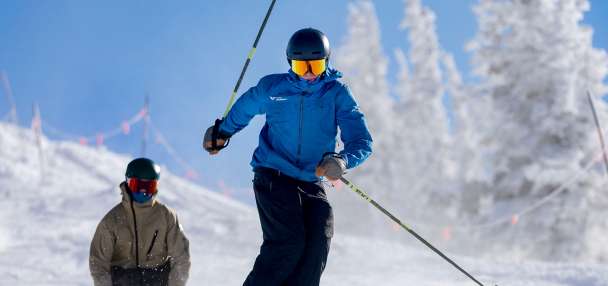
Thanks to record warmth in the winter and throughout the year, snow lines ended up being at 11,000 feet elevation during many different storms. That meant rain fell in many areas that typically receive snow.
Most of the snow the mountains did receive melted in March, when statewide temperatures at the end of the month mirrored what's normal for early June.
Utah's snowpack hit its lowest April 1 point since the Natural Resources Conservation Service began tracking it in the 1930s. Its peak of 8.4 inches of snow-water equivalent was the lowest in the modern era of snowpack collection, dating back to the 1980s.
Snowpack accounts for approximately 95% of the state's water supply, and 21 of Utah's streams received their lowest snowpack runoff on record, and 17 experienced their second-lowest.
That's roughly half of the snowpack runoff points the Conservation Service monitors.
"It's unprecedented, and unfortunately it means we didn't get the water that we needed, and our reservoirs didn't fill the way we need them to fill," Clayton told KSL, recapping the dismissal year.
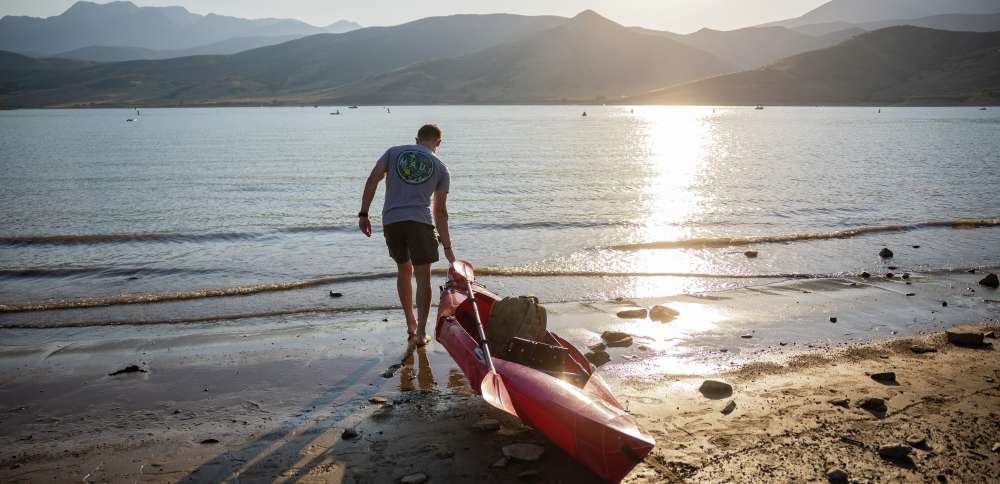
The state's reservoirs tumbled from 60% capacity at the beginning of the water year to 47% by the end of it, peaking at just 71% in May, per Utah Division of Water Resources data. This year's peak was 15 percentage points below the previous water year's highest point.
That 96% precipitation for the water year was heavily boosted by an extremely wet start to the year last October, and then again by summer monsoons to close the year. The first month and final 2 1/2 months, combined, accounted for nearly 40% of the overall statewide collection.
Clayton points out that the statewide number is also an index of sorts, as some regions received much stronger precipitation than others during the end of summer.
What's in store for 2027?
Utah's 2027 water year started with good and bad news.
Over 85% of Utah remains in severe or extreme drought, but the statewide soil moisture average in the mountains is above normal to start the 2027 water year. Strong soil moisture levels can help the efficiency of next spring's snowpack runoff.
But what type of snowpack Utah receives this winter remains a question.
Federal meteorologists say there's more than a 90% chance there will be a "very strong" El Niño event this winter, but it's still unclear what that means for Utah. The state is traditionally caught between oceanic patterns, having had both good and bad snow years when there's an El Niño or La Niña.
The National Weather Service's Climate Prediction Center continues to list Utah as having "equal chances" in terms of precipitation and temperatures throughout meteorological winter in its preliminary models, meaning it could be a coin flip.
Those early models also suggest precipitation chances may increase toward the end of the season and early spring, but the odds of above-normal temperatures may also increase by then.
Ski Utah is hoping for the best, launching a "Vote Super El Niño" campaign ahead of the season. Clayton didn't want to say what another bad winter would mean for the state's water supply since it's outside of his purview.
He knows it wouldn't be good, though. In addition to harming water supply, it would hurt other key bodies of water like the Great Salt Lake, which fell to its second-lowest point on record this year.
"(Water managers) will probably have to be put in some tough positions on how to manage a dwindling water supply if we have a repeat of last winter," he said.