'%3e%3cpath%20d='M34.1406%205.85938C30.3906%202.10547%2025.3047%200%2020%200C14.6953%200%209.60938%202.10547%205.85938%205.85938C2.10938%209.61328%200%2014.6953%200%2020C0%2025.3047%202.10547%2030.3906%205.85938%2034.1406C9.61328%2037.8906%2014.6953%2040%2020%2040C25.3047%2040%2030.3906%2037.8945%2034.1406%2034.1406C37.8906%2030.3906%2040%2025.3047%2040%2020C40%2014.6953%2037.8945%209.60938%2034.1406%205.85938ZM37.0117%2023.543H31.1602V13.5391H27.6328V19.9414C28.1211%2020.6914%2028.3711%2021.582%2028.3711%2022.5625V22.625C28.3711%2023.668%2028.1172%2024.6055%2027.6328%2025.4297V26.6094H36.082C33.4883%2032.9375%2027.2891%2037.3789%2020.0039%2037.3789C10.3711%2037.3789%202.62109%2029.6289%202.62109%2020C2.62109%2010.3711%2010.3711%202.62109%2020%202.62109C29.6289%202.62109%2037.3789%2010.3711%2037.3789%2020C37.3789%2021.1484%2037.2617%2022.2656%2037.0508%2023.3477C37.0391%2023.4141%2037.0234%2023.4766%2037.0117%2023.543Z'%20fill='white'/%3e%3cpath%20d='M22.3086%2018.5352C20.4336%2018.125%2019.9531%2017.8398%2019.9766%2017.1836V17.1406C19.9766%2016.6992%2020.3477%2016.2148%2021.4023%2016.2148C22.582%2016.2148%2023.8867%2016.6797%2025.0781%2017.4766L26.8516%2015.0195C25.4453%2013.8906%2023.707%2013.3398%2021.5547%2013.3398C18.5195%2013.3398%2016.4375%2015%2016.4063%2017.4766V17.5352C16.3633%2020.2617%2018.5859%2020.9805%2021.293%2021.6016C23.0391%2021.9766%2023.5703%2022.3164%2023.5703%2022.9609L23.5469%2022.9766C23.5469%2023.3906%2023.2578%2023.7031%2022.7852%2023.8359C22.5742%2023.9062%2022.1289%2023.9727%2021.5156%2023.9727C20.7617%2023.9727%2019.7539%2023.8633%2018.6328%2023.4844C18.0898%2023.2891%2017.4727%2023.0039%2016.8047%2022.6133L20.1406%2026.625C20.2813%2026.6602%2021.0977%2026.8516%2021.7734%2026.8516C25.0039%2026.8516%2027.0859%2025.2461%2027.1094%2022.6328V22.5703C27.1602%2020.1133%2025.2148%2019.1719%2022.3086%2018.5352Z'%20fill='white'/%3e%3cpath%20d='M5.24219%2013.5664V26.6133H8.75391V23.7578L10.2969%2021.9531L14.2031%2026.6133H18.3867L12.3555%2019.5195L17.4023%2013.5664H13.4531L8.75391%2019.0586V13.5664H5.24219Z'%20fill='white'/%3e%3c/g%3e%3cdefs%3e%3cclipPath%20id='clip0_97_2430'%3e%3crect%20width='40'%20height='40'%20fill='white'/%3e%3c/clipPath%3e%3c/defs%3e%3c/svg%3e)




- Utah updated its birth certificate policy after KSL Investigators exposed record issues.
- The new policy, effective Aug. 3, allows original birth certificates for amendments.
- The policy change eliminates the $25 fee and reduces documentation burdens for Utahns.
SALT LAKE CITY — When Richard Glauser requested copies of his birth certificate, he expected a straightforward process. Instead, he had to spend weeks on end trying to prove his identity to the state.
"They're supposed to be serving the people of Utah, and they're basically harassing the people of Utah," Glauser said, reflecting on his experience.
The issues started when he received a call informing him that there was a problem with his birth record.
"They said, 'We don't have your birth certificate.' And I said, 'I have my birth certificate,'" Glauser recalled.
He presented his original birth certificate but was told the birth certificate the Utah Office of Vital Records and Statistics had on file for him was missing his first and middle names.
"And I said, 'Well, OK, here it is. Fix it.' And they said, 'No, you have to fill out an application to amend your birth certificate,'" he said.
Glauser said his application to amend the birth certificate on file was rejected multiple times, even after he provided passports going back 37 years and driver's licenses going back 27 years.
"My bar card, my library card, my voter registration card (and) my Medicare card," he said, listing off other documents he provided.
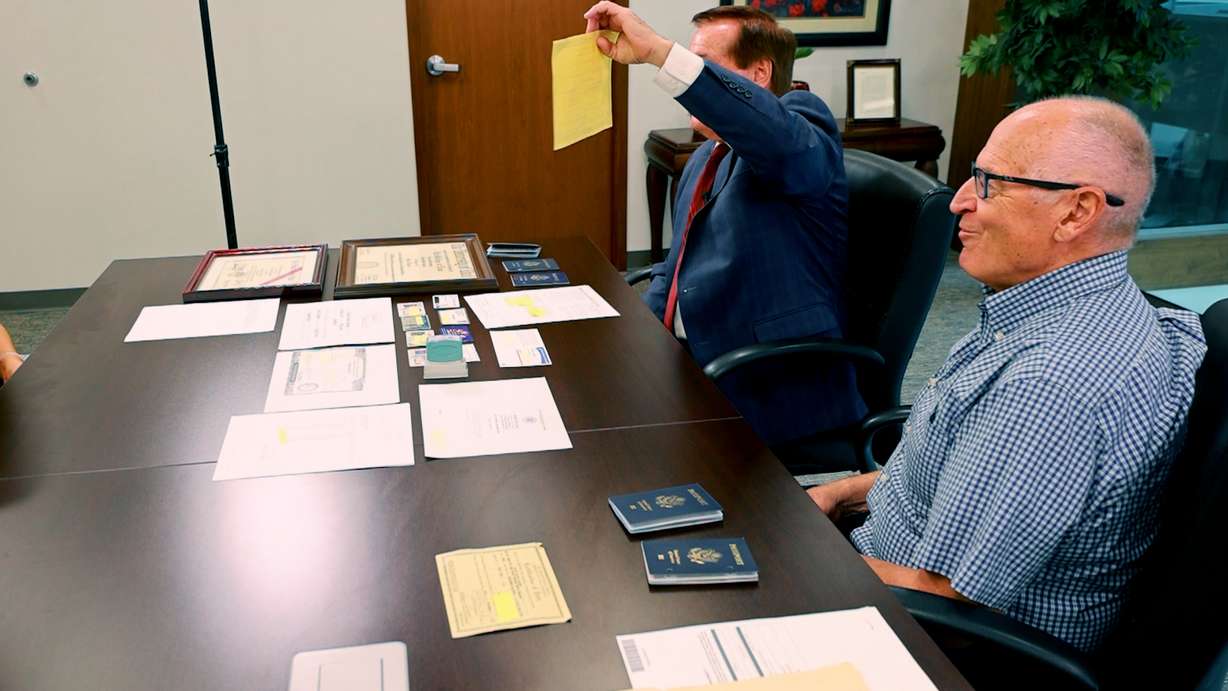
He provided his notary stamp, Social Security records from when he was 15, and even his Aaronic Priesthood ordination certificate. And his older brother, David Glauser, signed an affidavit vouching for Richard's identity.
"And they denied it again," Richard said.
Exasperated, Richard wrote a letter to the director of the Office of Vital Records and Statistics and copied Gov. Spencer Cox's office.
Finally, his application to amend his birth certificate was accepted.
But then Richard's wife and David ran into the very same problem when they tried to get copies of their birth certificates.
"We've three times asked for birth certificates," Richard explained. "Three times. We have them. We have certified copies. They don't have copies of what they issued to us."
Wanting answers, Richard had asked for a meeting with the director of the Utah Office of Vital Records and Statistics, Nicole Bissonette.
"They said she won't meet with anyone," Richard said.
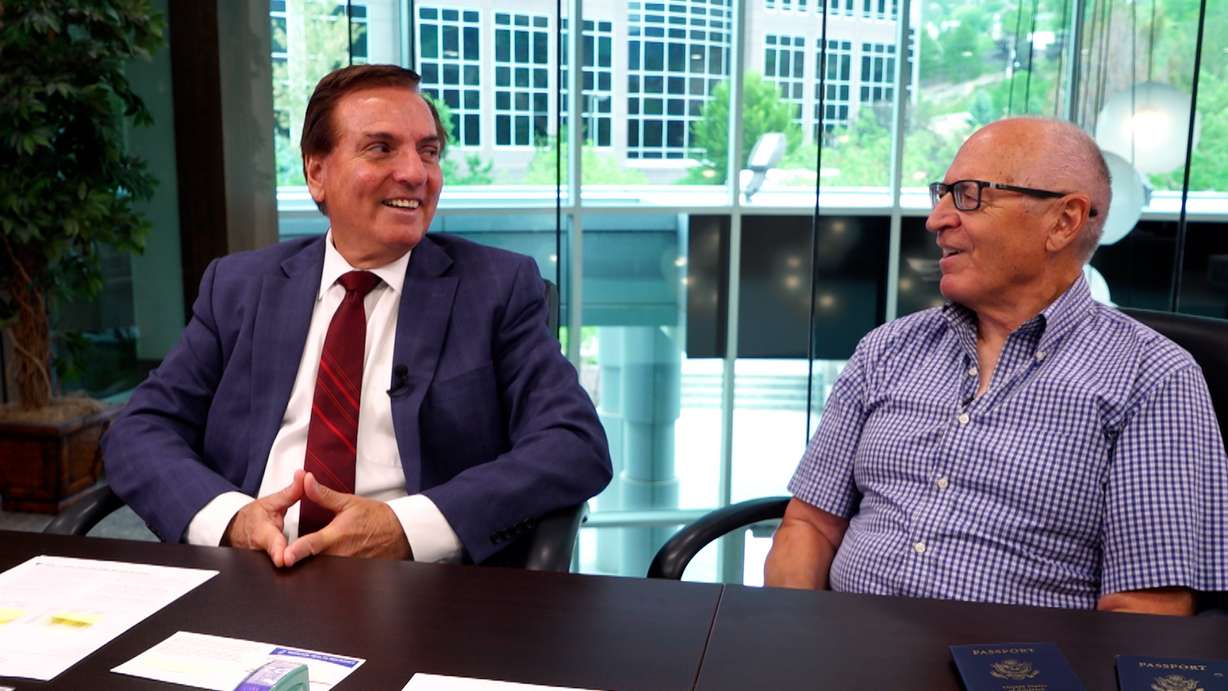
That's when he called the KSL Investigators for help.
But as it turns out, the director didn't meet with KSL either. When the KSL Investigators showed up for a scheduled interview with her, we were informed she had a meeting.
Department of Health and Human Services spokesperson Josh Loftin participated in the interview instead.
"These safeguards are put in place to make sure that they can't get records fraudulently," Loftin said, explaining DHHS is focused on fraud prevention.
But he couldn't answer this question: How were Richard and David's names on their records in the past, but not today?
Inside Salt Lake County's vital records vault, the KSL Investigators found some answers.
Salt Lake County Health Department Communications Director Nicholas Rupp explained that back when records were kept on paper, it was common for parents to leave the hospital with their newborn before deciding on a name.
"They needed to add that given name to the birth certificate. And so, they would go down to their local vital records office, wherever they were in the state, and get that name added," Rupp said.
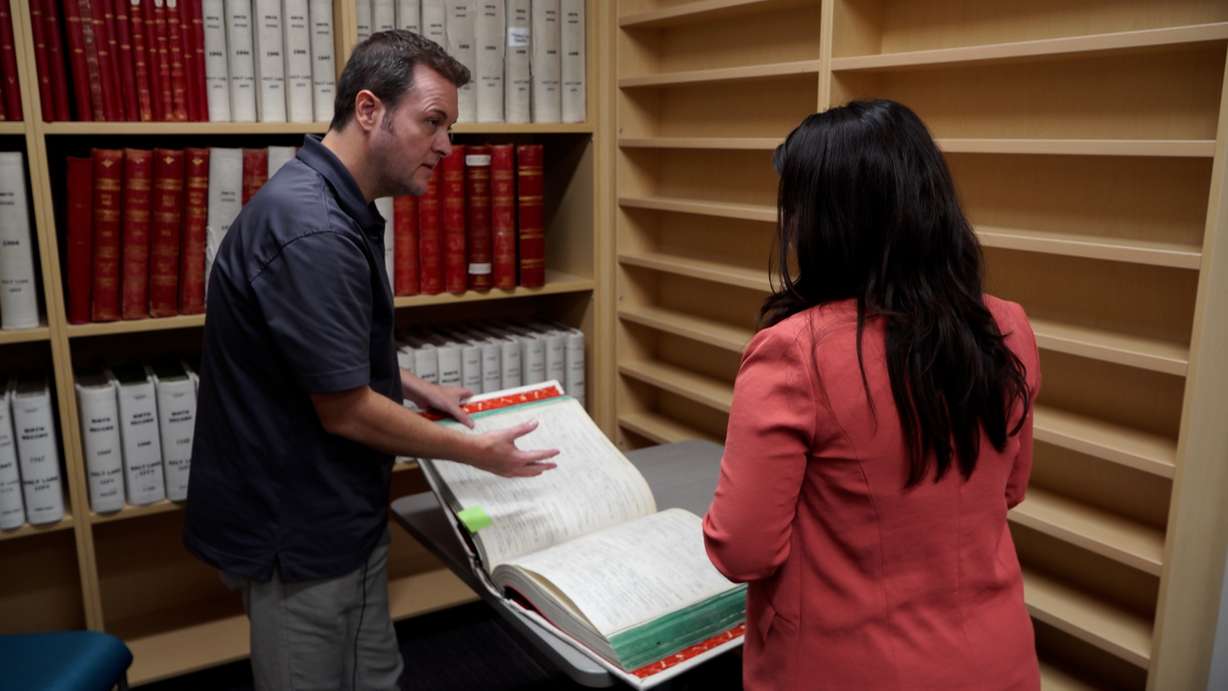
Rupp said every county handled those early amendments a little differently. In many cases, the update was recorded in the county's index but not written onto the actual certificate on the books.
Using one example from records now 100 years old and no longer private under Utah law, Rupp showed how a baby girl's name had been added to the index in 1925. But when looking at the corresponding birth certificate in the record book, the child's full name did not appear on the document itself.
Rupp said the state used to accept the amendments written into the index book as official records, but not anymore.
No one at the state or county has been able to find a record clearly indicating when that changed, but the result has been jarring discoveries for people requesting their records.
"People have been surprised, shocked, upset, all completely understandable valid reactions to having their name not be available on their own birth certificate, particularly when in some cases they have a birth certificate with their name on it," Rupp said.
The KSL Investigators went back to the state and again asked for an interview with the director of the Office of Vital Records and Statistics.
The DHHS refused that second interview request. But after persistent questions from the KSL Investigators, the state changed its policy.
In an emailed statement, Loftin wrote in part that KSL Investigators' "work on this story has identified issues with documentation and fees that have caused undue burden for Utahns seeking a certified record."
As of Aug. 3, the newly changed policy allows citizens to use an original copy of their birth certificate to add their name to the official record and waives the $25 amendment fee for those instances.
That means people like Richard and David, who have their original birth certificates, don't need to spend weeks gathering records only to prove what they've known their whole lives.
"He's still him," David said about his brother with a chuckle.
Rupp said the Salt Lake County Health Department had seen about 50 people impacted by the issue this year, prior to the state's recent policy change in response to KSL's reporting.