'%3e%3cpath%20d='M34.1406%205.85938C30.3906%202.10547%2025.3047%200%2020%200C14.6953%200%209.60938%202.10547%205.85938%205.85938C2.10938%209.61328%200%2014.6953%200%2020C0%2025.3047%202.10547%2030.3906%205.85938%2034.1406C9.61328%2037.8906%2014.6953%2040%2020%2040C25.3047%2040%2030.3906%2037.8945%2034.1406%2034.1406C37.8906%2030.3906%2040%2025.3047%2040%2020C40%2014.6953%2037.8945%209.60938%2034.1406%205.85938ZM37.0117%2023.543H31.1602V13.5391H27.6328V19.9414C28.1211%2020.6914%2028.3711%2021.582%2028.3711%2022.5625V22.625C28.3711%2023.668%2028.1172%2024.6055%2027.6328%2025.4297V26.6094H36.082C33.4883%2032.9375%2027.2891%2037.3789%2020.0039%2037.3789C10.3711%2037.3789%202.62109%2029.6289%202.62109%2020C2.62109%2010.3711%2010.3711%202.62109%2020%202.62109C29.6289%202.62109%2037.3789%2010.3711%2037.3789%2020C37.3789%2021.1484%2037.2617%2022.2656%2037.0508%2023.3477C37.0391%2023.4141%2037.0234%2023.4766%2037.0117%2023.543Z'%20fill='white'/%3e%3cpath%20d='M22.3086%2018.5352C20.4336%2018.125%2019.9531%2017.8398%2019.9766%2017.1836V17.1406C19.9766%2016.6992%2020.3477%2016.2148%2021.4023%2016.2148C22.582%2016.2148%2023.8867%2016.6797%2025.0781%2017.4766L26.8516%2015.0195C25.4453%2013.8906%2023.707%2013.3398%2021.5547%2013.3398C18.5195%2013.3398%2016.4375%2015%2016.4063%2017.4766V17.5352C16.3633%2020.2617%2018.5859%2020.9805%2021.293%2021.6016C23.0391%2021.9766%2023.5703%2022.3164%2023.5703%2022.9609L23.5469%2022.9766C23.5469%2023.3906%2023.2578%2023.7031%2022.7852%2023.8359C22.5742%2023.9062%2022.1289%2023.9727%2021.5156%2023.9727C20.7617%2023.9727%2019.7539%2023.8633%2018.6328%2023.4844C18.0898%2023.2891%2017.4727%2023.0039%2016.8047%2022.6133L20.1406%2026.625C20.2813%2026.6602%2021.0977%2026.8516%2021.7734%2026.8516C25.0039%2026.8516%2027.0859%2025.2461%2027.1094%2022.6328V22.5703C27.1602%2020.1133%2025.2148%2019.1719%2022.3086%2018.5352Z'%20fill='white'/%3e%3cpath%20d='M5.24219%2013.5664V26.6133H8.75391V23.7578L10.2969%2021.9531L14.2031%2026.6133H18.3867L12.3555%2019.5195L17.4023%2013.5664H13.4531L8.75391%2019.0586V13.5664H5.24219Z'%20fill='white'/%3e%3c/g%3e%3cdefs%3e%3cclipPath%20id='clip0_97_2430'%3e%3crect%20width='40'%20height='40'%20fill='white'/%3e%3c/clipPath%3e%3c/defs%3e%3c/svg%3e)




- Provo Planning Commission recommended denial of Vesper's proposed amphitheater project on June 24.
- The 20,000-seat venue faced mixed community reactions and significant scrutiny from officials.
- City Council will decide on a zoning change on July 14; the project requires extensive studies before final approvals.
PROVO — After a lengthy public meeting where Provo Planning Commission members grilled the Vesper developers on proposal details, the commission ultimately recommended denial on the project.
"This is a big freaking deal," commission member Anne Allen said.
The June 24 meeting featured almost five hours of discussion on the Vesper Amphitheater — a proposed 20,000-seat music venue, hotel and retail destination in the mouth of Provo Canyon. The project has received mixed sentiments in the community, with some expressing excitement and others voicing doubt and fear, and the public comment portion of the meeting was no different.
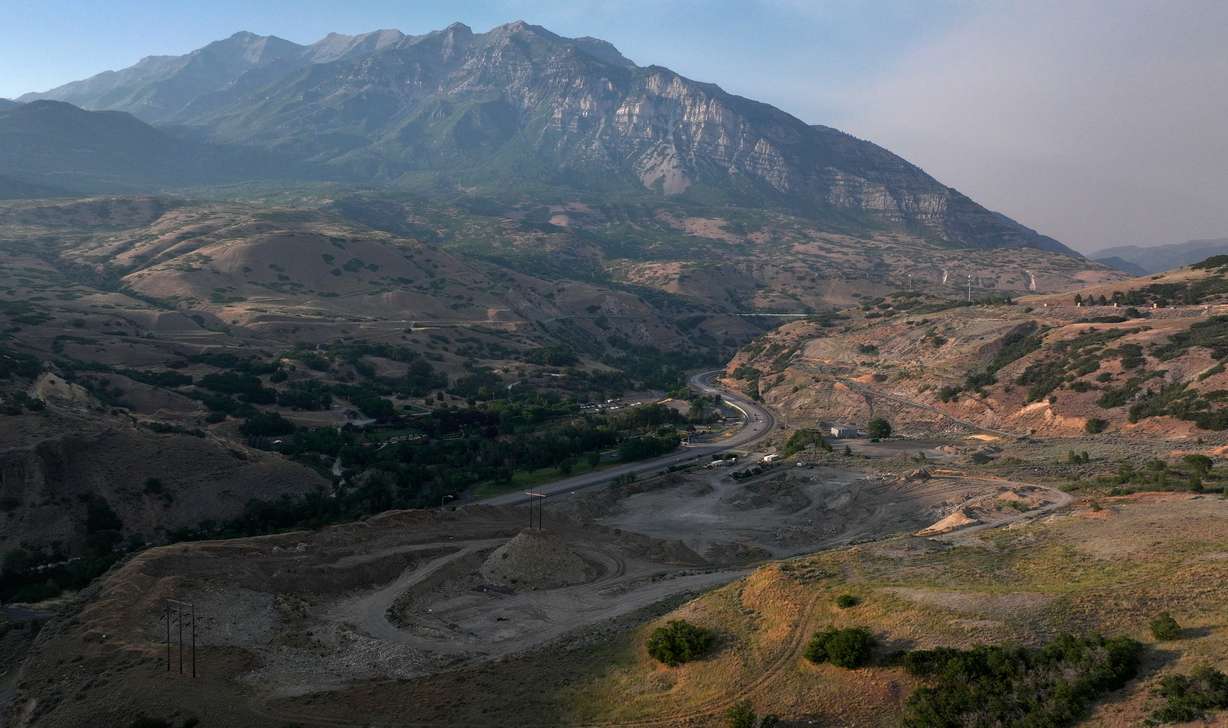
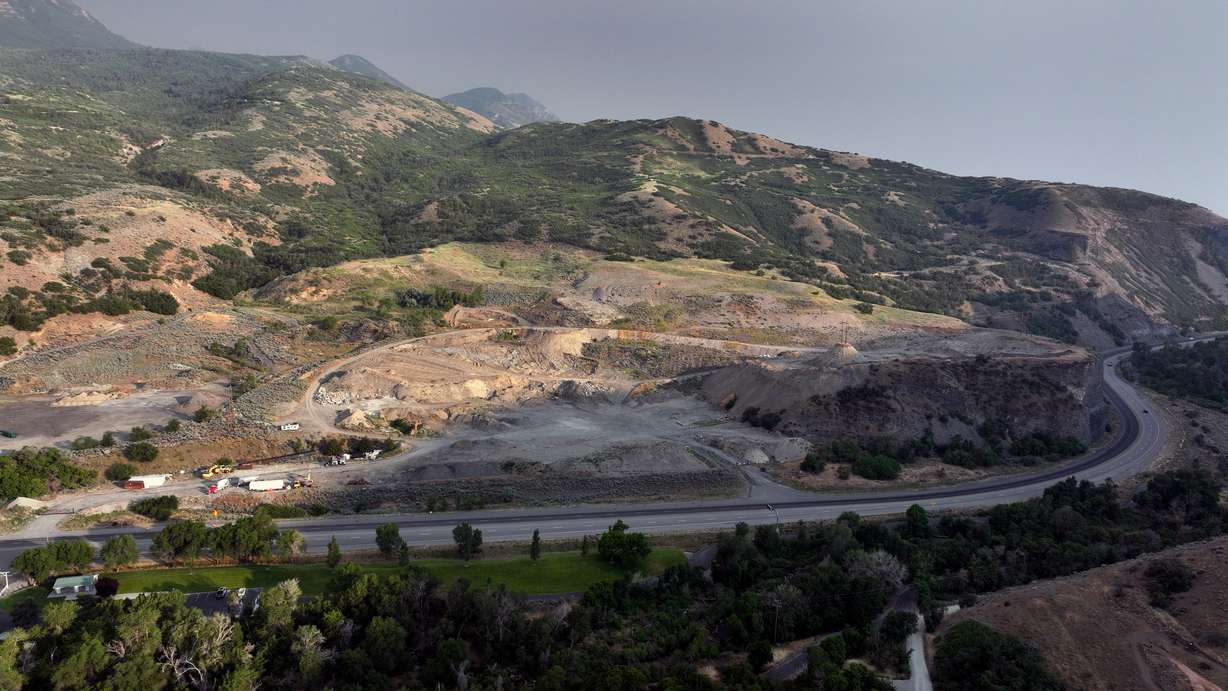
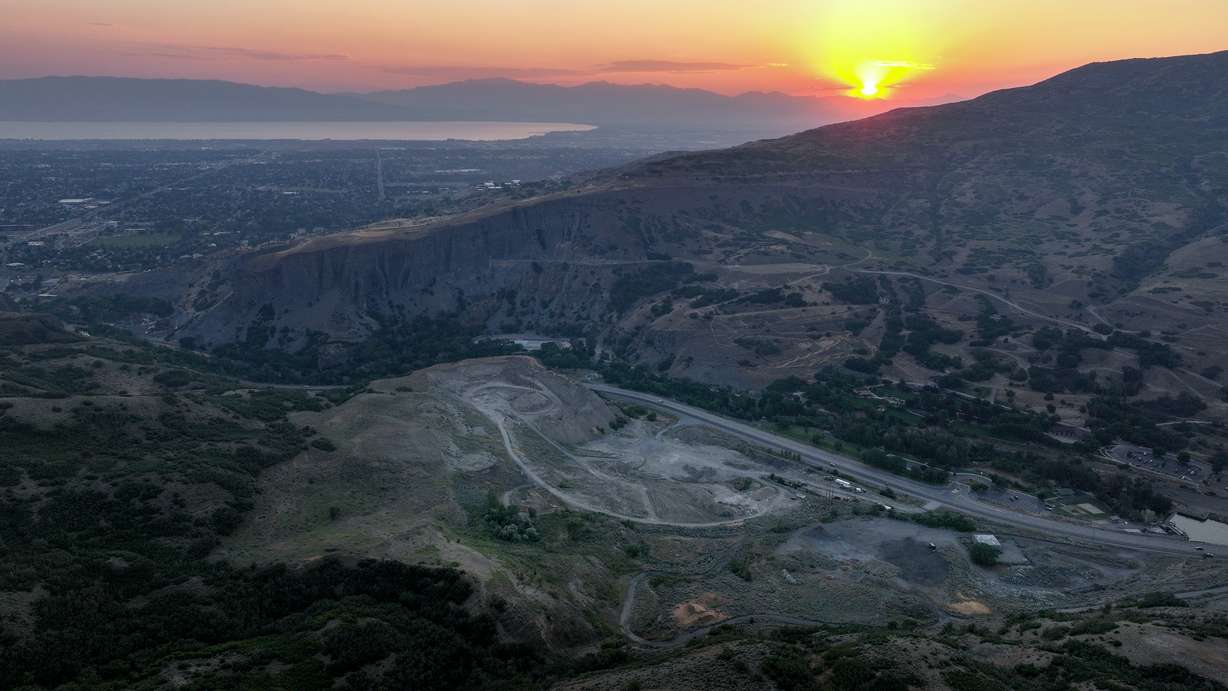
The venue would be built at the site of a mining facility, at 6622 North and U.S. 189, situated on the south side of Provo Canyon Road, across the street from Mount Timpanogos and Canyon View parks.
Vesper touts the project as a "reclamation" and "restoration" of the land by beautifying the gravel pit that sits on the project site. But the land owned by the Provo Canyon Mining Company is only 26 acres of the proposed 100.7-acre development. The rest of the development would encompass two adjacent parcels owned by Provo city.
Developers are still in very early phases, taking the first steps by requesting a general plan amendment, zoning change and approval of a concept plan. The Provo Planning Commission took its time questioning Vesper representative Bryan Bayles on dozens of details, issues and concerns.
A letter from Mayor Marsha Judkins was read at the meeting, outlining what some critics of the project may see as an improvement. Judkins said the project has received "substantial scrutiny," and there are "valid concerns (that) I share the desire to ensure they are fully addressed."
The development agreement, based on the project's concept plan and tied to the zone change request, would "legally bind the developers to strict project standards." If obligations are not met, the project will not be able to move forward, and the zoning can be reverted.
While the development agreement would limit the uses and scope of the project, and Bayles answered many of the questions that the public brought up, the commission in the end voted 5 to 2 to recommend denial for all three applications by Vesper. Only Commissioners Jonathon Hill and Jon Lyons voted in favor of the project.
The City Council will make the final decision on the applications on July 14.
If the council does move the project forward, Vesper will still have to complete multiple ecological, environmental, traffic and engineering studies to finalize the design and meet the development agreement's requirements. The Utah Department of Transportation would also have to sign off on the infrastructure improvements after completing its own review.
City planner Bill Peperone explained if any technical reviews show the project won't work or UDOT says it can't be done, the project will become dead in the water.
"There's all kinds of obstacles that still have to be overcome. That's why it's probably going to take them six or eight months to answer all those questions and provide all those studies to show that this is really feasible to be built, before this is going to come back to you," he said.
Vesper would then need to apply for final project plan approval before the developers can even begin the construction process.
Related:
The Osmonds announced a concert venue in Provo Canyon. Will it actually happen?
The Osmond family's proposal of a massive concert venue at the base of Provo Canyon still requires many legal approvals, including a significant zoning change.A zone change is not approving the amphitheater project but is "signaling a willingness" to consider a future finalized proposal that would transform an industrial site into a recreation, entertainment and protected open space destination, the mayor said.
It's "entirely appropriate" to scrutinize the project and have high expectations, but "opportunities to convert an active gravel pit into a significant community asset are exceedingly rare," Judkins said.
'Heart of Vesper'
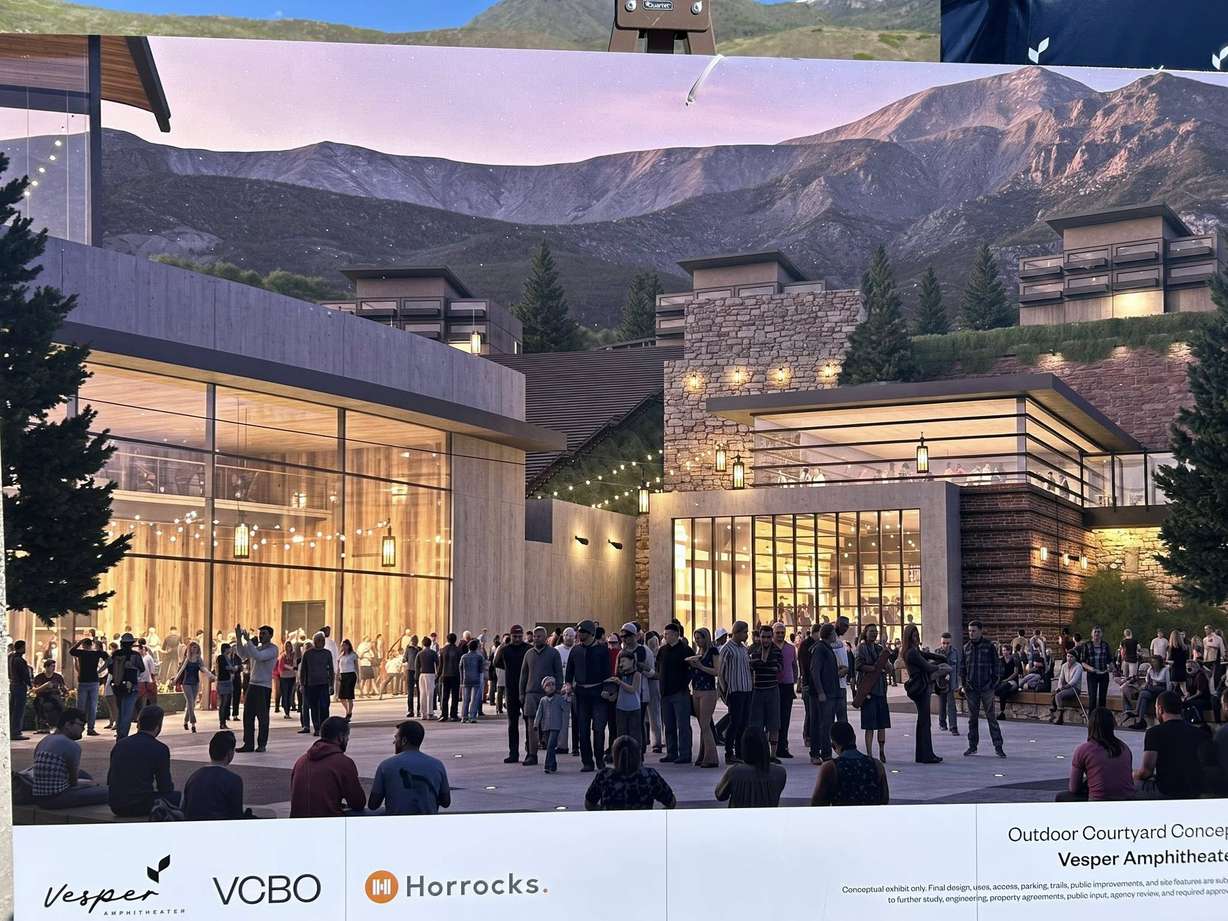
The development agreement would allow an amphitheater with up to 20,000 seats, 8,000 parking spaces, a 75-room hotel and 150,000 square feet of retail space. Vesper would need to commence construction within three years from final approval and complete the project within seven years.
The project must be designed as "a high-quality canyon-integrated destination environment," the agreement states, utilizing materials and architecture to blend the development into the natural surroundings.
Bayles says the "heart of Vesper" is the natural setting, which is why trail connections, restored open space, public access and a canyon-sensitive design are central to the plans.
Because a majority of the property is "not untouched canyon land" but has visible scarring and slope disturbance, the development would be focused on the land that has already been disturbed by mining, he added. The rest of the land will be restored, if necessary, or remain untouched by placing it into a conservation easement. He estimates 40 acres of the city-owned land would be put in the easement.
Approving the zoning change allows the project to move into a more detailed technical review while operating under a city-controlled framework, Bayles said.
"The city is not being asked to simply trust us. The city is being asked to adopt a framework that gives it enforceable control," Bayles said.
The development agreement includes obligations for the project on noise mitigation, traffic solutions, dark sky compliance, safety requirements and other community considerations. The agreement also noted that any required project infrastructure improvements would be funded by Vesper — not the city — including road construction.
"The entrance to Provo Canyon can remain what it is today, or it can be restored and reused to create a more thoughtful gateway that improves access, supports trails and open space, honors the arts and brings people together," Bayles said.
He added that any uses of the retail space would be solely "ancillary to the amphitheater" and would include concessions and merch shops that only operate during events.
Peperone explained it is uncommon for a development agreement to stipulate that zoning will be reverted if the developer does not fulfill the high standards, but the city thought it was important to put in safeguards for such a large development that is causing so many concerns.
"We've put much more teeth in this development agreement than ever before because of these issues," Peperone said.
Why such a large scale?
Despite assurances that Vesper intends to dedicate extensive thought and research into finding solutions to the concerns brought up, many people at the meeting still took issue with the size and scale of the project.
"I just wish this was smaller, I really do," planning member Melissa Kendall said. "I just feel like this is not in the public's best interest, and it's not what the public wants."
When asked if the capacity could be reduced, Bayles said "the size of it is what makes it work." There are already multiple smaller-sized venues in the area but no other large venues.
The 20,000-seat capacity is "a critically important component" because Vesper seeks to have "world-class performers" and needs a venue large enough to accommodate that and be competitive, Bayles said. They already agreed to lower it from 25,000 and "can't go below that number" of 20,000, he added.

"If we can't have a certain size venue, it doesn't fiscally make sense," Bayles said, adding that the maximum would only happen for a "handful of events" a year and always on weekends. But when asked, he couldn't give a number estimate on how many "a handful" is.
Public comments against the proposal questioned the scale of the project, called the project "an irreversible decision" and said the amphitheater would be "more of an eyesore" than the gravel pit.
But others said they were excited to have a new place to do fun things in the county, think it would be "a really beautiful addition," and that they appreciated the development was giving heavily disturbed land a new purpose.
A couple residents said they are intrigued by the idea of an outdoor amphitheater but think the scale is too much for the location.
Commission member Lisa Jensen agreed, saying "I just think logistically, it's not realistic."
'Significant strain'
The other issue stemming from the scale of the project that is concerning to many is the traffic.
The Orem City Council posted a letter to Provo this week saying the existing transportation infrastructure already faces "significant strain" and is prone to "traffic backups stretching miles up the canyon" during holiday weekends and the camping season.
"We are concerned that the thousands of extra vehicle trips generated by the amphitheater could further exacerbate these existing challenges and affect access to existing canyon destinations for residents and visitors," Orem said.
Vesper is in talks with UDOT for traffic solutions, including a proposed pedestrian and vehicle bridge across the highway. The traffic study will look at how to manage parking with a quick-loading design "to minimize impacts to the existing canyon road" and potential shuttles to lots in the city.
Additional law enforcement staffing and coordination would be needed for traffic control and vehicle accident response. It would also necessitate Orem, Provo and the Utah Highway Patrol to reassess jurisdictional agreements for the area since it is along a boundary between the two cities and state-covered land, Orem said.
Both the Orem City Council and planning commissioners expressed fears the proposed site will not be adequate to accommodate parking for 20,000 people, causing attendees to seek parking at the parks across the road or along the highway shoulder.
"Our existing park is already at capacity during weddings, community events and typical recreational use. The current proposal may affect the ability of residents to access and enjoy these parks," Orem said.
City engineer Gordon Haight said the UDOT solutions would be a "massive improvement" for the road system in the area overall, benefiting commuters even when the venue isn't in use. But if final parking and events management solutions cannot be demonstrated, the project won't be approved.
Preserving the canyon environment
Commissioner Joel Temple pointed to the city's Hillsides and Canyons Plan where the majority of residents want "minimal additional development beyond improvements to basic amenities."
"None of this strikes me as minimal development," Temple said. "This, to me, sets a precedent for the rest of the state. This sends a signal that our canyons are up for sale and our public lands are up for development. And I'm not comfortable with that in any form."
The plan shows the Vesper project is in a "high level of ecological constraint," meaning it is "less suitable" for development due to high fire risk, habitat priority access and geological hazards.
The Orem City Council said while it likes the idea of economic benefits and improved trail connections, there are environmental, traffic and community impacts that need to be addressed to preserve "the general enjoyment of the canyon's open space."
A petition, signed by almost 5,000 people, argues the project is a "huge threat to this canyon sanctuary" and would alter the character of a place so many people love.