- The Conservative Climate Caucus, founded by Utah Sen. John Curtis, faces challenges.
- Up to a third of its members might be lost after the midterms.
- Curtis remains hopeful about bipartisan climate policy despite potential leadership changes.
SALT LAKE CITY — A group of congressional Republicans focused on establishing climate-focused policies could be decimated in the midterm elections on Tuesday. But the caucus' founder still believes the bipartisan bridge to environmental policy is still possible.
Utah Sen. John Curtis founded the Conservative Climate Caucus in 2021, when he was a representative in the House, with the goal to educate fellow Republicans on climate policy and enact legislation consistent with their right-leaning values. But the group faces a potential wipeout, as 15 members are set to retire in January and another 11 are fighting for their political lives in competitive races.
Worst-case scenario, the group could lose up to a third of its membership.
"I think what you're really seeing is that in these elections that are a little bit of a blue wave, the seats that are vulnerable happen to also be the people that talk about climate," Curtis told the Deseret News. "I really think it's that the seats are vulnerable, and those people are more likely to talk about climate for a number of reasons."
The group's current chairwoman, Rep. Mariannette Miller-Meeks, R-Iowa, faces a tough reelection fight in a district that is rated as "lean Democratic" by the nonpartisan Cook Political Report. The vice chairs, Reps. Jen Kiggans of Virginia and Juan Ciscomani of Arizona, are in tossups.
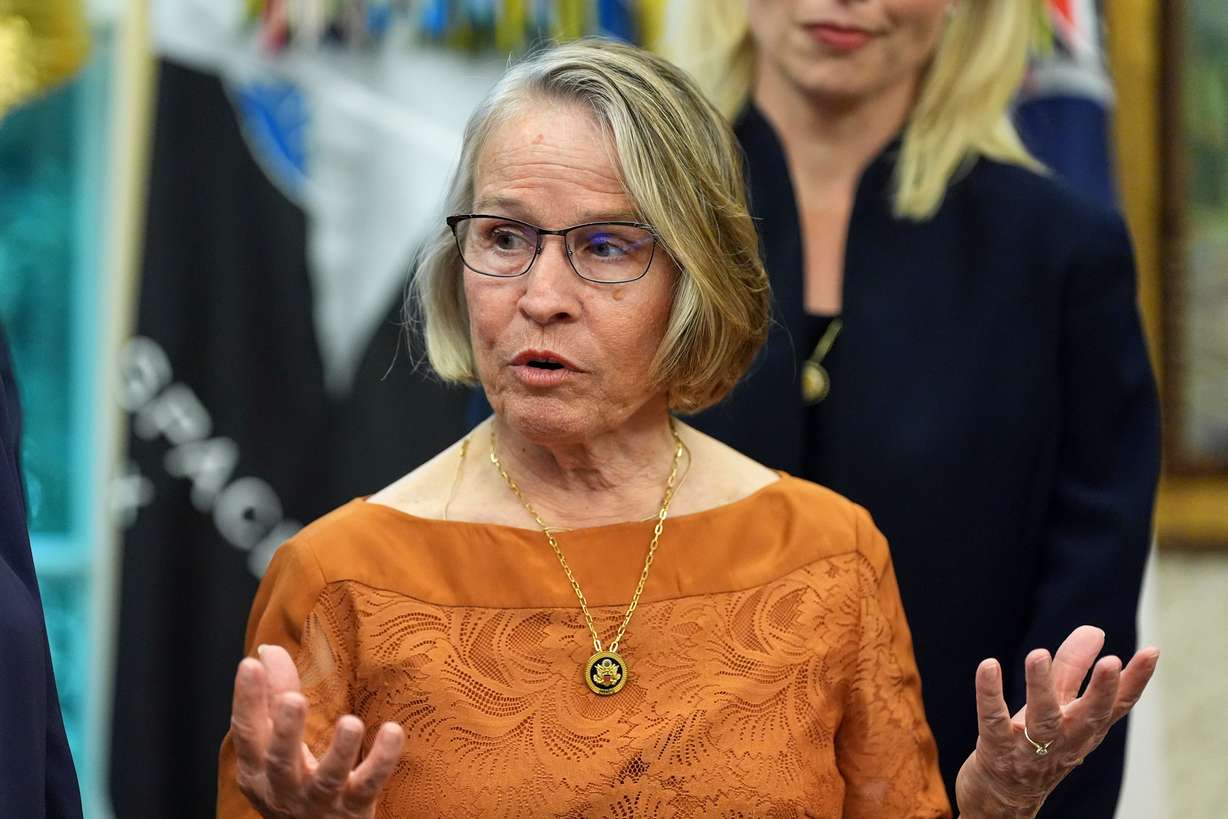
If the trio loses their reelection bids, it would force the group to elect new leadership. With a potentially smaller caucus membership next year, it'll put pressure on its leaders to prioritize recruiting new members — which Curtis suggested would make the caucus healthier.
"New members are always more receptive than existing members to the climate discussion," Curtis said. "A lot of them that have been in the House for a while have become hardened on the kind of old, traditional, 'it's-a-hoax' position, and new members are coming in a little fresher — and the fresh eyes tend to be more receptive to the conversation."
Is there a middle path forward?
Curtis first created the group with the goal to bridge the ideological divide between Republicans and Democrats when it comes to environmental issues. As the Utah senator puts it, Republicans have long prioritized affordability and reliability when it comes to the energy debate, while Democrats have instead focused on clean and renewable sources.
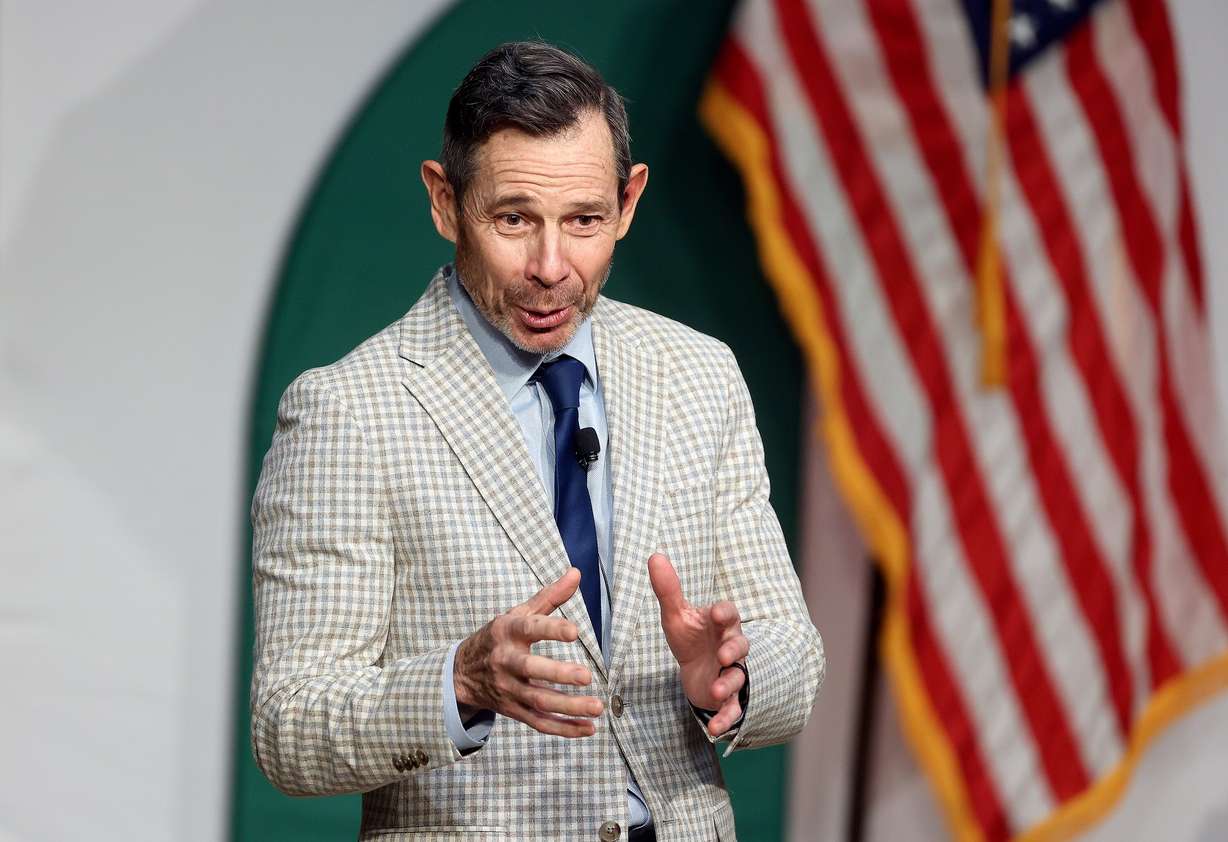
But that gap has narrowed in recent years, Curtis argues — and Republican-led groups such as the Conservative Climate Caucus are crucial to finding that happy medium.
"A demand for affordable energy, reliable energy and clean energy are all coming together," Curtis said. "I think that's merging to both sides caring about all three of those things."
"The demand for energy has really, I think, moderated the conversation a lot between Republicans and Democrats," he added. "I think, moving forward, you're seeing Democrats come down off their position of only renewables, and much more."
That mission coincides with bipartisan negotiations for permitting reform, which recently resulted in a comprehensive deal in the Senate that was unveiled last month. That framework tackles issues ranging from data center costs, transmission power lines, environmental review deadlines, clearer guidelines for consultations and more.
However, there are still some outstanding issues, such as language related to wind and solar projects that have been largely stalled under the Trump administration. Those concerns could be further punted down the line if climate-focused Republicans lose their races and their party is booted into the minority.
But Republicans will remain important in the energy realm even in the minority, as Democrats will rely on them if they want some of their policies to be approved by President Donald Trump. So when it comes to recruitment, Curtis said, it's important to find candidates from red districts who can help toe the line when it comes to climate and the environment.
"I think my race is really instructive," Curtis said. "I ran as somebody who knew that I talked about climate in a red, red, red, red state against red, red, red opponents, and prevailed at a pretty dominant rate. I think that shows the whole point of the caucus: You can be a Republican, you can talk about this issue and do it in a way that actually has the support of a red constituency."