'%3e%3cpath%20d='M34.1406%205.85938C30.3906%202.10547%2025.3047%200%2020%200C14.6953%200%209.60938%202.10547%205.85938%205.85938C2.10938%209.61328%200%2014.6953%200%2020C0%2025.3047%202.10547%2030.3906%205.85938%2034.1406C9.61328%2037.8906%2014.6953%2040%2020%2040C25.3047%2040%2030.3906%2037.8945%2034.1406%2034.1406C37.8906%2030.3906%2040%2025.3047%2040%2020C40%2014.6953%2037.8945%209.60938%2034.1406%205.85938ZM37.0117%2023.543H31.1602V13.5391H27.6328V19.9414C28.1211%2020.6914%2028.3711%2021.582%2028.3711%2022.5625V22.625C28.3711%2023.668%2028.1172%2024.6055%2027.6328%2025.4297V26.6094H36.082C33.4883%2032.9375%2027.2891%2037.3789%2020.0039%2037.3789C10.3711%2037.3789%202.62109%2029.6289%202.62109%2020C2.62109%2010.3711%2010.3711%202.62109%2020%202.62109C29.6289%202.62109%2037.3789%2010.3711%2037.3789%2020C37.3789%2021.1484%2037.2617%2022.2656%2037.0508%2023.3477C37.0391%2023.4141%2037.0234%2023.4766%2037.0117%2023.543Z'%20fill='white'/%3e%3cpath%20d='M22.3086%2018.5352C20.4336%2018.125%2019.9531%2017.8398%2019.9766%2017.1836V17.1406C19.9766%2016.6992%2020.3477%2016.2148%2021.4023%2016.2148C22.582%2016.2148%2023.8867%2016.6797%2025.0781%2017.4766L26.8516%2015.0195C25.4453%2013.8906%2023.707%2013.3398%2021.5547%2013.3398C18.5195%2013.3398%2016.4375%2015%2016.4063%2017.4766V17.5352C16.3633%2020.2617%2018.5859%2020.9805%2021.293%2021.6016C23.0391%2021.9766%2023.5703%2022.3164%2023.5703%2022.9609L23.5469%2022.9766C23.5469%2023.3906%2023.2578%2023.7031%2022.7852%2023.8359C22.5742%2023.9062%2022.1289%2023.9727%2021.5156%2023.9727C20.7617%2023.9727%2019.7539%2023.8633%2018.6328%2023.4844C18.0898%2023.2891%2017.4727%2023.0039%2016.8047%2022.6133L20.1406%2026.625C20.2813%2026.6602%2021.0977%2026.8516%2021.7734%2026.8516C25.0039%2026.8516%2027.0859%2025.2461%2027.1094%2022.6328V22.5703C27.1602%2020.1133%2025.2148%2019.1719%2022.3086%2018.5352Z'%20fill='white'/%3e%3cpath%20d='M5.24219%2013.5664V26.6133H8.75391V23.7578L10.2969%2021.9531L14.2031%2026.6133H18.3867L12.3555%2019.5195L17.4023%2013.5664H13.4531L8.75391%2019.0586V13.5664H5.24219Z'%20fill='white'/%3e%3c/g%3e%3cdefs%3e%3cclipPath%20id='clip0_97_2430'%3e%3crect%20width='40'%20height='40'%20fill='white'/%3e%3c/clipPath%3e%3c/defs%3e%3c/svg%3e)



- Experts at the University of Utah emphasize pre- and post-wildfire strategies.
- The Wildfire Emissions Prevention Act aims to reduce administrative hurdles for prescribed burns.
- Recent Utah legislation has explored ways to reduce risks for homes near wildland-urban interface.
SALT LAKE CITY — Addressing wildfires has, for years, focused on fire suppression.
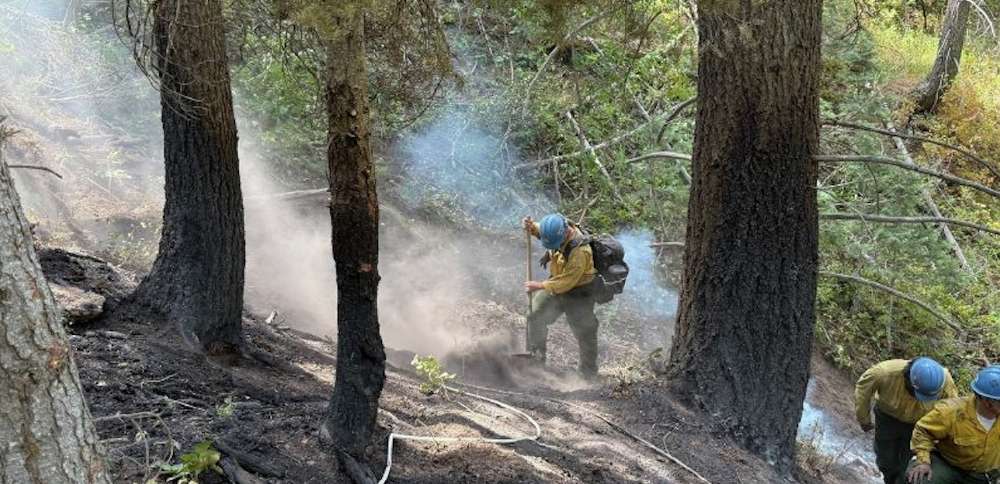
When a fire breaks out, local, state and federal crews typically race to put it out as fast as possible to prevent its spread.
But what about the time before or after a fire? Those are where the biggest gaps in addressing a growing concern might be, experts from various fields warned as they brainstormed ideas to address during a roundtable discussion about the situation at the University of Utah on Friday.
While some ideas tied to both are now in motion, they come with data and funding constraints that must be sorted out. It could influence future state and federal legislation tied to forest management and other elements of wildfire resilience.
"I think we've got to look at additional ways to fund pre-fire, post-fire, suppression — obviously, we've drained some of that account," House Majority Leader Casey Snider, R-Paradise, told KSL after attending the meeting.
Friday's Western Wildfire Resilience Roundtable, hosted by the Wilkes Center for Climate Science and Policy, centered around five "discussion streams."
Experts shared their experiences in dealing with shared issues across different boundaries, like one forest that might cut through federal, state, local and private land. The capacity to recover from events, exploring "durable" markets for low-value material like trees, creating safer communities and improving regional operating systems were the four other key topics.
The nearly 90-minute conversation seemed to hit its more emphatic moments, though, when the discussion shifted to elements before a fire and elements after one.

Before the fire
Forest management has been a major topic in recent years. The Senate unanimously passed the Wildfire Emissions Prevention Act last month, which Utah Sen. John Curtis championed. It aims to reduce administrative hurdles to implementing prescribed burns, which could help methodically reduce fire potential in high-risk areas.
If there has been a silver lining to the large, destructive fires in the West over the past few years, it might be that it has turned forest management into a bipartisan issue, Curtis told the room.
Communities across red and blue hubs have felt the impact over the years, as fires have scorched out millions of acres of land and destroyed thousands of structures, among other issues. That's why he believes there's been growing support between Western Republicans, like himself, and Democrats on forest management plans and other federal land changes.
"Prescribed fire is certainly one thing we're keeping on the table and intend to continue pushing for," said Brad Shoemaker, fuels and post-fire specialist for the U.S. Wildland Fire Service.
If and when a fire does develop, there can also be steps taken to reduce its impact on communities.
Utah lawmakers passed a bill last year that zeroed in on homes built within the wildland-urban interface, areas where development meets wildland vegetation. It created new fees for homeowners in these areas, which go toward a fire prevention and mitigation fund that pays for lot assessments and other tools to help reduce the risk of fires reaching homes.
The state estimated at the end of 2025 that nearly 60,000 structures fall within "high risk" for being impacted by wildfires because of their location.
Snider said the point was to incentivize people to take steps to make their homes less vulnerable to wildfires, noting that the bill also requires insurers to take into account the steps people have taken with the hope of reducing insurance premiums in the long run.
That's the best course to prevent riskier homes and neighborhoods, said Kimi Barrett, a principal researcher at the Alliance for Wildfire Resilience, an organization that seeks policy changes tied to wildfire damage, noting there are ways to map where fires are likely to go as they approach homes.
"A lot of what Utah has done and is doing is ... an outstanding example for other states," she said, saying it could be applied elsewhere.
After the fire
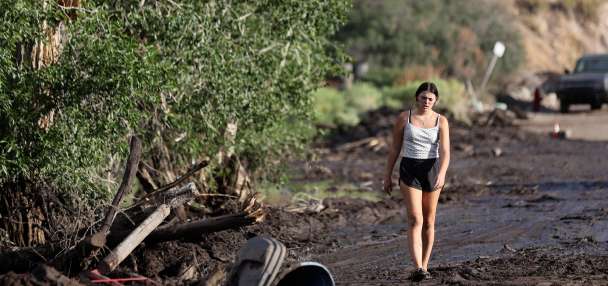
Post-fire recovery was also a big concern, especially on the heels of what happened after the Cottonwood Fire near Beaver this year. Once the fire was out, monsoonal rains poured over the fire, causing widespread and destructive flooding that added to the more than 100 structures that were lost.
Communities are at risk of flooding for years after a fire.
"I feel like we focus so much on suppression — and we're really good at suppression — but we've started looking at more ... how can we help with post-fire rehabilitation?" said Brianne Emery, acting director of the Utah Division of Forestry, Fire and State Lands, as Kelly Norris, Wyoming's state forester, nodded in agreement.
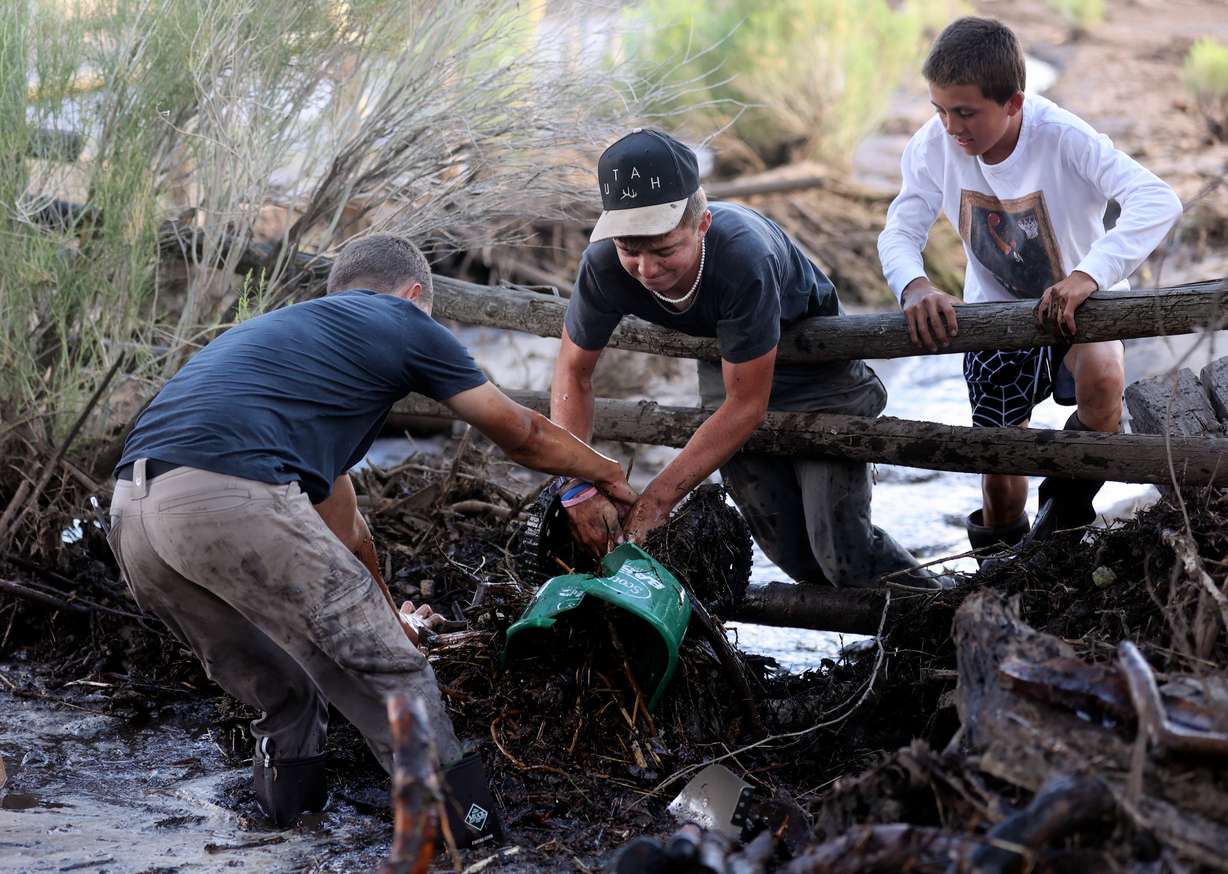
That could be improvements to where and when erosion control and reseeding are conducted, to limit impacts to landscapes and ecosystems after a fire. That's something that's still in early research phases.
"We need that research because we don't have it," Norris interjected.
Future research could reshape how fires are managed to set up recovery efforts.
Finding the support
Snider left the meeting feeling like Utah is on the right track, but the work isn't over. He told KSL that he believes what the state has done so far to manage lands and address high-risk homes will eventually lead to results, and future legislation and funding will likely build on what's been done so far.
However, this year has been a reminder that the work isn't over. Over 1,200 fires have burned more than 560,000 acres statewide, the second-most in modern history, after a record-low snowpack impacted drought conditions.
"I don't see monumental, game-changing shifts but ... there's obviously more work to be done," he said. "We just have to expedite the speed at which we actually accomplish things."
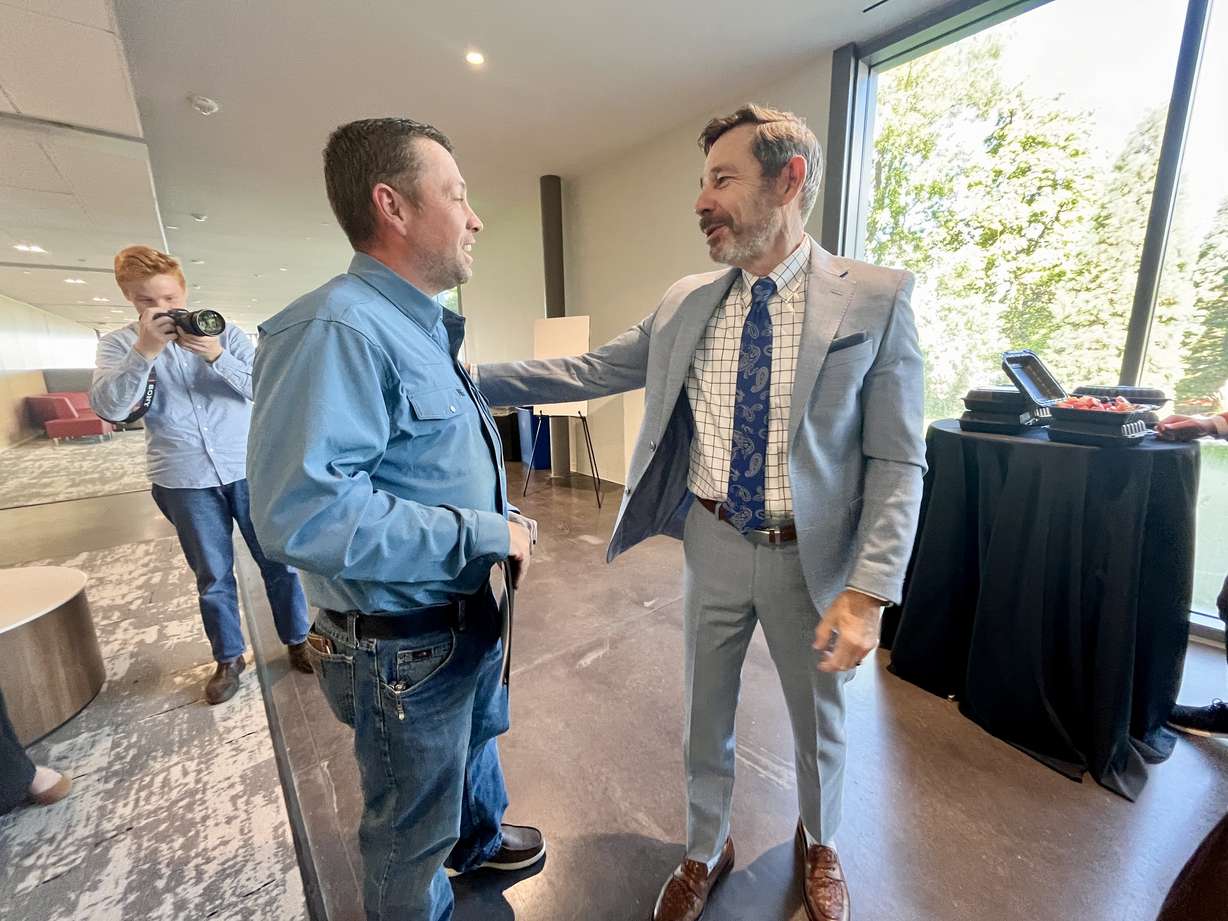
Addressing a lack of data on pre- and post-fire is something that could be explored further on a federal level, Curtis said.
Funding, on the other hand, could be tricky, especially as the federal spending deficit continues to climb. It requires being more efficient and creative with existing resources, and potential private funding opportunities as they become available.
Reforms like the Wildfire Emissions Prevention Act are one element in accomplishing that, but there could be other changes like the Fix Our Forests Act that Curtis has advocated.
While there's growing bipartisan support to address wildfire resilience among lawmakers in the West, Curtis said there's still a gap in conveying the ongoing risks to colleagues living in other regions.
Still, he's hopeful that he's able to get the data and funding set aside to get them to understand what Western states are asking for.
"We're going to be strapped for resources no matter what, so that's why things like (this roundtable), like, how do we do the most with what we have, are so important," he said.