Estimated read time: 2-3 minutes
This archived news story is available only for your personal, non-commercial use. Information in the story may be outdated or superseded by additional information. Reading or replaying the story in its archived form does not constitute a republication of the story.
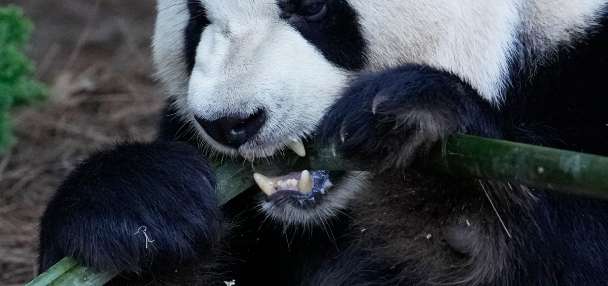
JACKSON, Wyoming — Grizzly bear 399, who has captivated researchers and visitors at Teton National Park for years, has died after being hit by a car on the Snake River Highway in Wyoming. “People from around the world have followed grizzly bear 399 for several decades. At 28 years old, she was the oldest known reproducing female grizzly bear in the Greater Yellowstone Ecosystem,” said Hilary Cooley, Grizzly Bear Recovery Coordinator for the U.S. Fish and Wildlife Service. Unfortunately, collisions with bears are not uncommon in their habitats, the National Parks Service said in a news release. There have been 49 grizzly bears killed by vehicles in the Yellowstone area since 2009, averaging to 3.3 bears killed annually. Including this incident, there have been two fatalities in 2024, the news release said. The National Parks Service said grizzly bear 399 had a cub with her at the time of the accident. They don't believe the cub was injured, but its whereabouts were unknown. “Wildlife vehicle collisions and conflict are unfortunate. We are thankful the driver is okay and understand the community is saddened to hear that grizzly bear 399 has died,” said Angi Bruce, Wyoming Game and Fish Department Director. Rangers confirmed the bear's identity through a microchip and ear tags on the bear. Agencies are working with local and Wyoming state authorities to gather more information, the National Parks Service said. “The grizzly bear is an iconic species that helps make the Greater Yellowstone Ecosystem so extraordinary. Grizzly bear 399 has been perhaps the most prominent ambassador for the species. She has inspired countless visitors into conservation stewardship around the world and will be missed,” said Grand Teton National Park Superintendent Chip Jenkins. The news release said the U.S. Fish and Wildlife Service is monitoring the area to locate the cub.