
Estimated read time: 3-4 minutes
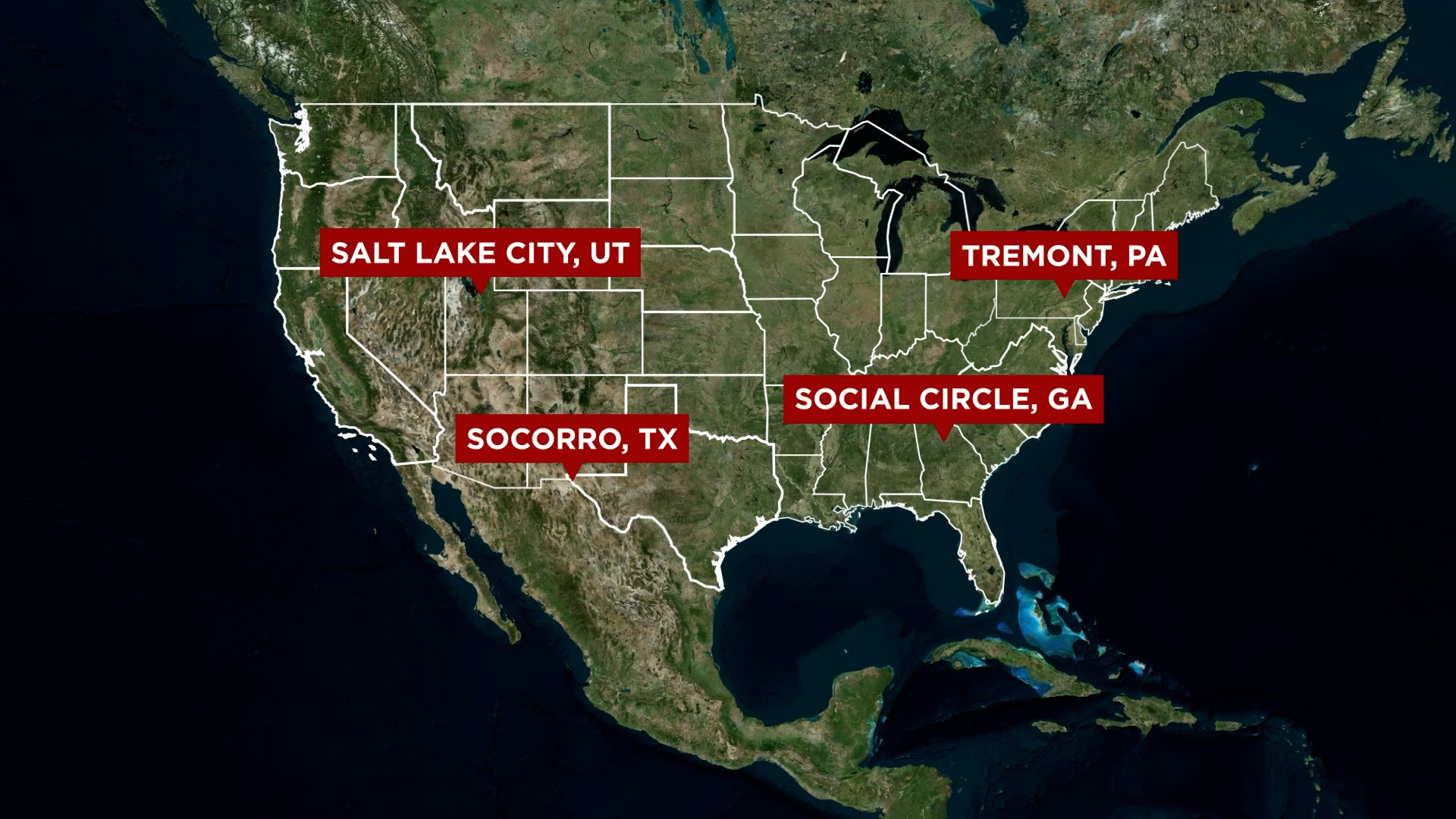
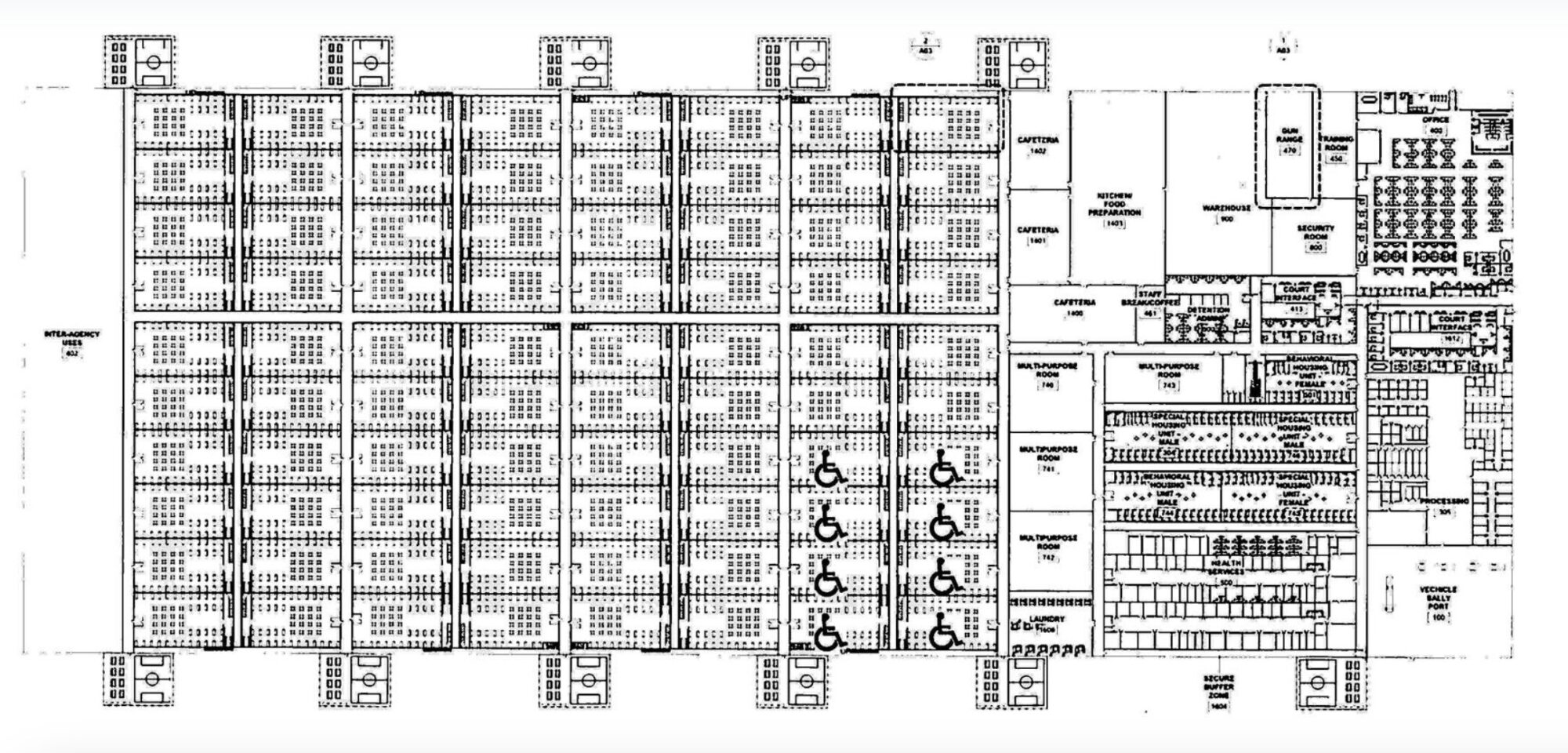
SALT LAKE CITY — The Utah attorneys behind a $56 million lawsuit against the federal government, alleging a Venezuelan man was wrongfully deported to El Salvador’s high-security prison system where he suffered severe torture and abuse, are raising concerns about the new network of large-scale immigration detention facilities—dubbed “ICE Mega Centers”—that they say could replicate conditions seen abroad. "It ought to be something that all of us should be very concerned about," said attorney Richard Lambert. The lawsuit centers on the man’s transfer to Terrorism Confinement Center (CECOT), a massive and controversial prison in El Salvador. Attorneys with the Salt Lake City-based firm Parker and McConkie argue their client’s experience offers a warning about what could happen at the proposed ICE facilities, which are expected to house between 7,000 and 10,000 detainees each, an unprecedented measure. Speaking at a press conference, attorney Brent Ward described the proposed Salt Lake City facility as “another massive warehouse for human beings,” adding, “this one in Salt Lake City of all places—heaven help us.” Attorney Jim McConkie questioned whether such a facility fits the image of Salt Lake City, particularly as the region prepares to welcome international visitors. “We have the Olympics, we have people coming from all over the world to see the LDS Temple,” McConkie said. “Do we really want the largest incarceration camp ever built?” Lambert, invoked historical parallels to warn of potential consequences. He referenced the World War II-era Topaz Japanese American Internment Camp, recalling family accounts of its construction and the suffering it caused. “I never thought in my lifetime that we’d ever see such a thing again,” Lambert said, adding the facility could become "a monstrous monument of the inhumanity of man to man." Lambert also raised concerns about how the facilities might be constructed, alleging they could rely on stacked metal enclosures similar to those reportedly used in El Salvador’s prison system. “How do you build out a warehouse and make it a place to confine 10,000 people?” he asked. “You do it by putting in metal cages… and stacking them one upon another.” However, the attorneys’ concerns remain to be seen. The Department of Homeland Security issued a statement Tuesday. A DHS spokesperson did not answer specific questions about how many people will be detained at the new facility, when it will open, the expected water and sewer usage, or what sort of retrofitting the warehouse will undergo, but said the agency is reviewing “policies and proposals,” as with any transition. “As Secretary Mullin said in his confirmation hearing: ‘I will work with the community leaders and make sure that we are delivering for the American people what the President set out … We want to work with community leaders. We want to be good partners,’” the statement read. Four locations for the ICE Mega Centers have been identified so far: Salt Lake City; Socorro, Texas; Tremont, Pennsylvania; and Social Circle, Georgia.Additional locations have also been identified for “regional centers” that would house between 1,000 and 1,500 people. The Department of Homeland Security’s “ICE Detention Reengineering Initiative” calls for the construction of eight “mega centers,” 16 regional “processing sites,” and 10 existing “turnkey” facilities to increase bed capacity to 92,600 beds across the country. While details about the Utah site remain limited, a proposed layout for a similar facility in Georgia includes more than 8,000 beds, cafeterias, court processing areas, and even a gun range adjacent to a training room.In response to questions, a DHS spokesperson issued a statement, saying the agency is reviewing “policies and proposals,” as with any transition. “As Secretary Mullin said in his confirmation hearing: ‘I will work with the community leaders and make sure that we are delivering for the American people what the President set out…We want to work with community leaders. We want to be good partners,’” the statement read. Listen to the full press conference.