Estimated read time: 9-10 minutes
- The KSL Vault project aims to revive decades-old Utah news stories on YouTube every night.
- The initiative, led by KSL videographer Ray Boone, offers a glimpse into Utah's past.
- Viewers can revisit familiar faces and events, bridging generations and memories.
SALT LAKE CITY — Thousands of videotapes have been sitting on shelves in a room downstairs at KSL for decades. It's a room no one really goes into anymore, and it takes special keycards for two locked doors just to get inside.
But once you step into this room, about half the size of a Swig soda shop, you'll notice them right away — thousands upon thousands of videotape cases stacked several rows high, with dates and numbers on them.
And within those cases are videotapes filled with stories about Utah: The people who lived here. The places they visited. The issues they cared about.
Most of those stories aired on television at least once — perhaps on a newscast in 1984 or 1992 — and were never seen again.
Until now.
Thanks to an idea from KSL videographer Ray Boone, those old stories are getting something they never had before … a second chance to be seen. It's a project we're calling the KSL Vault.
This special series is more than a collection of old news stories; it's a chance to watch Utah grow up.
When yesterday's news becomes history
There was a time, not that long ago, when watching the news meant being in front of a television at a certain hour. There was no YouTube, social media or websites where viewers could catch a story whenever.
If someone wanted to know what happened that day, or see a story a reporter did because they were in it, you had to be watching at 10 p.m. Or 6 p.m. Or whenever the newscast aired. There weren't nearly as many newscasts back then as there are today.
It was called "appointment television," and if you missed it, well … you missed it.
The next morning, that reporter and photographer were already working on another story, under another deadline, for another newscast. Yesterday's news was already old news.
But the film, and later the tapes, kept rolling.
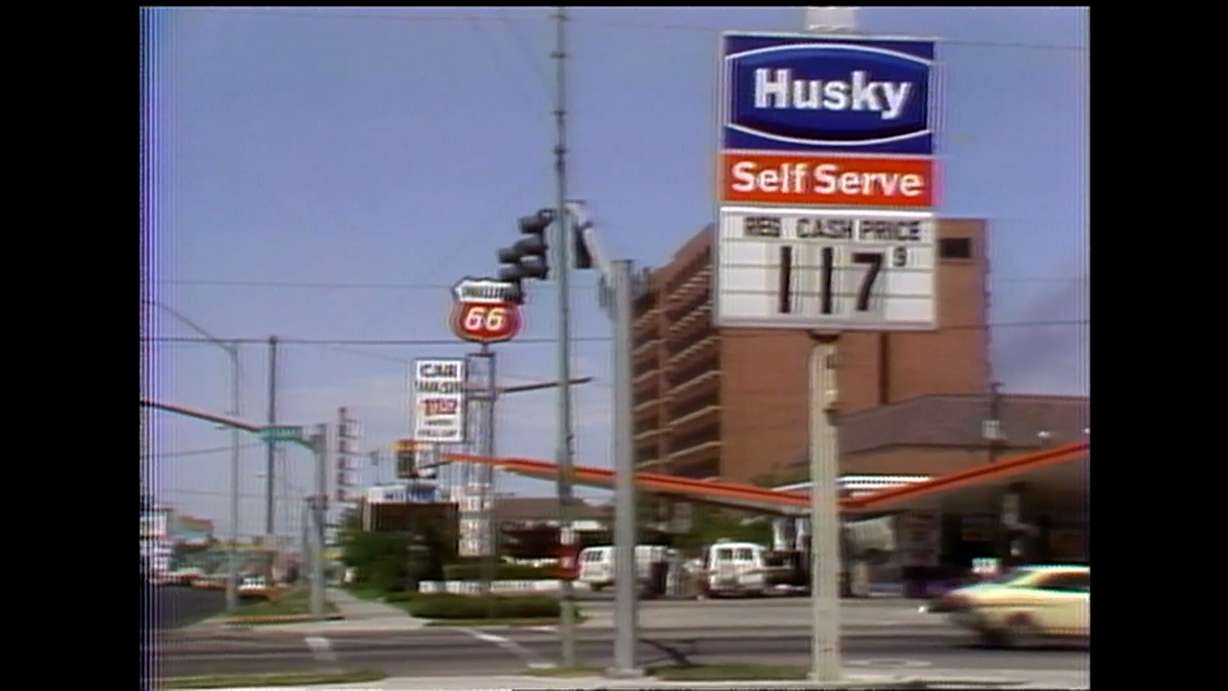
Somewhere along the way, all those ordinary stories started becoming something extraordinary: history Not necessarily the kind found in textbooks, with important dates and famous names, but the kind of history found in everyday life.
- The price of a gallon of gas.
- The opening of a new shopping center.
- A neighborhood worried about traffic because of a new road (like Bangerter Highway).
They're the kinds of local television news stories that might not have seemed particularly remarkable at the time. But give them 30 or 40 years? Suddenly, they're fascinating.
A window into a different Utah
When you watch enough of these old stories, as we did, you'll start to notice something: Utah looks a little different — a lot different.
The roads aren't quite as busy, the buildings aren't quite as tall and some neighborhoods are barely recognizable.
Take the southern part of Salt Lake County, for example. Draper, Riverton, Herriman, Sandy and Bluffdale were once filled with green fields, farms and wide-open spaces.
Today, many of those same places are filled with homes, buildings, busy roads and packed neighborhoods. Some businesses have disappeared, restaurants people still talk about and places that now exist only in memories.
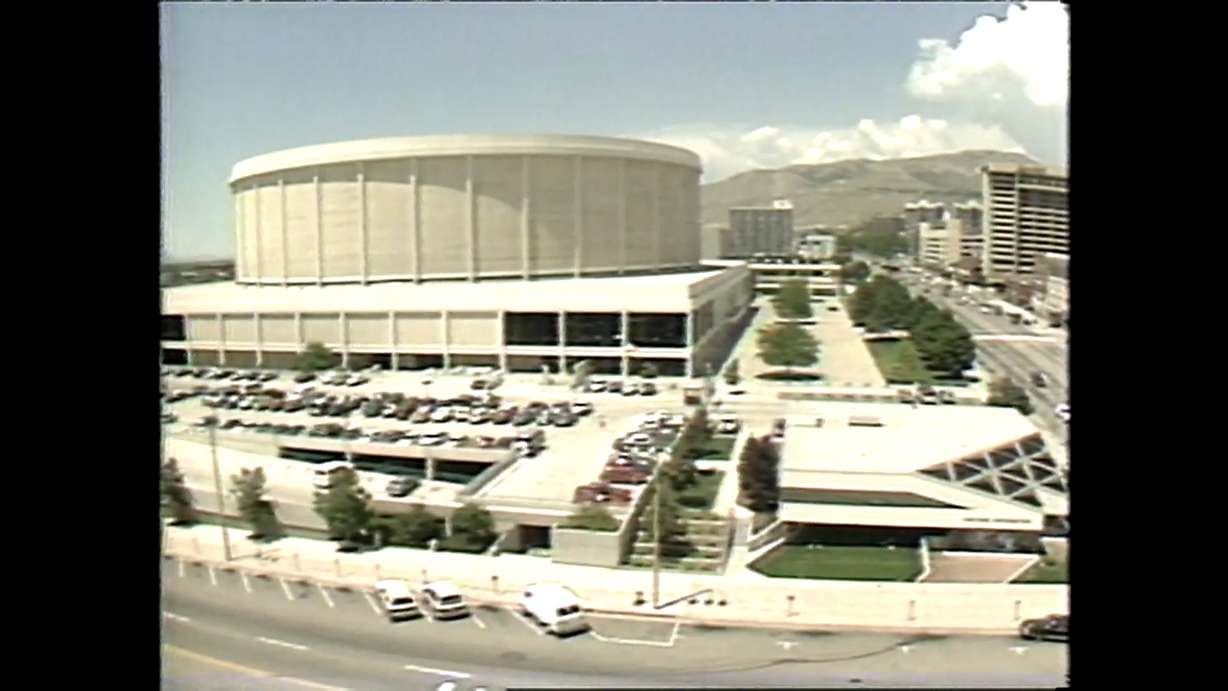
The cars are different. The hairstyles? Definitely different. And the clothes? Well, let's just say some fashion trends are probably best left in the archives.
But look beyond the bell-bottoms, big hair and old station graphics, and something else becomes clear — the people aren't all that different.
Utahns worried about housing costs decades ago, just as they do today. They debated development, traffic, education and the future of their communities. They celebrated victories and faced challenges, while wondering what tomorrow might bring.
Some of those old stories feel surprisingly familiar. Others remind us just how much the world has changed. Like the time a Provo apartment complex wanted to ban MTV. Yes, MTV.
There was a time when that was news. And somewhere downstairs at KSL, there's a recording of it.
The idea that opened the Vault
Those old recordings represented an opportunity to not just revisit the past, but to share it with you. They're your stories, after all, and KSL has been documenting them for generations.
Reporters and photographers have captured countless moments in the state's history, both big and small.
Much of that footage has been preserved in the station's archives, and many stories have already been digitized thanks to the hard work of longtime KSL editor Brian McBride.
So, why not bring them back? Why not introduce younger generations to a version of Utah they've never known?
Why not let people experience the Utah their parents and grandparents remember, you know … "Way back when I was a kid" kind of stuff?
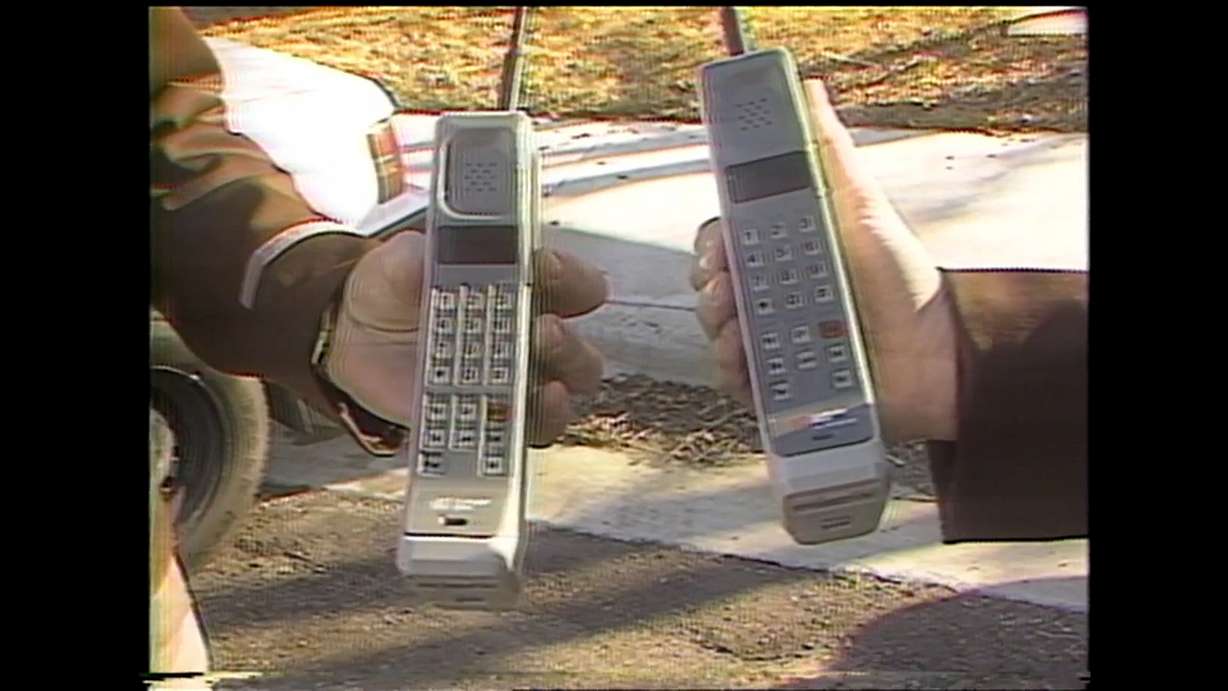
Those ideas are included in the KSL Vault — a project that will bring a different archived KSL news story to YouTube every night.
Some will be funny, some will be serious and some might make viewers shake their heads and wonder what everyone was thinking back then. That's part of the fun. There's also a good chance some of these stories might bring back memories they haven't thought about in years.
You never quite know what you'll find when you open a vault.
Familiar faces, familiar voices
Of course, the stories aren't the only things viewers might recognize. The KSL Vault also offers a chance to revisit the reporters and anchors who delivered Utah's news over the years — people who became familiar faces in living rooms across the state.
Some have retired, including Bruce Lindsay, Mark Eubank, Carole Mikita, John Hollenhorst, Duane Cardall, and Ed Yeates … to name a few. Others have moved on, like Jane Clayson, Jim Nantz and Craig Bolerjack. And some are no longer with us, such as legendary anchor Dick Nourse, Bob Welti and Paul James.
But their work remains.
Retired KSL anchor Keith McCord, whose familiar voice and storytelling defined the station for 39 years before he retired in 2020, will help introduce the project. Joining him is Alex Cabrero, who started at KSL in 2004 and worked alongside many of the legendary journalists whose stories are now being rediscovered.
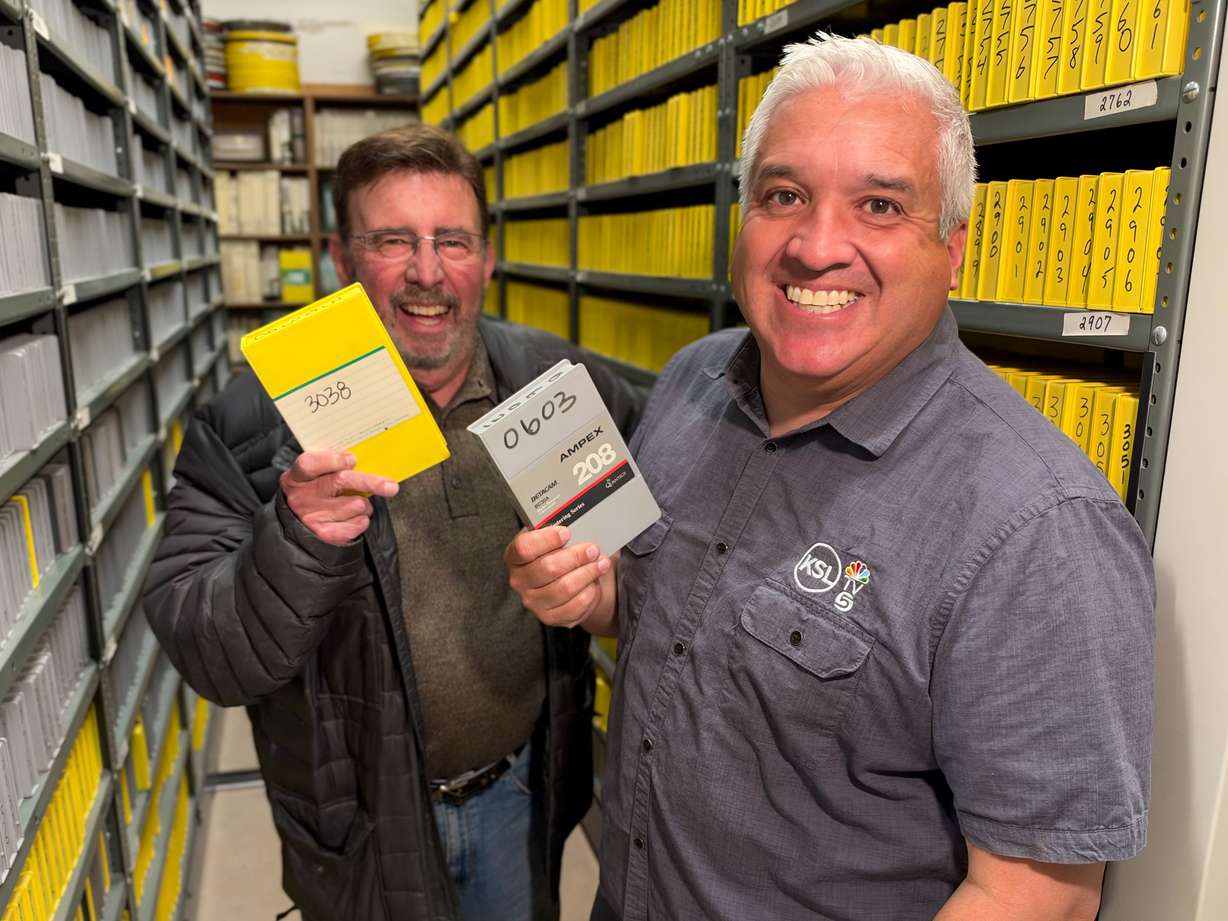
McCord and Cabrero will help connect two different eras of KSL — when television news came into homes at a scheduled time and when stories are watched on a phone, computer or television on demand.
It's a bridge between generations, and a reminder that while the technology used to tell stories has changed dramatically, the reason for telling them hasn't.
But it's always been about people.
You might even see yourself
Perhaps the most interesting part of the KSL Vault isn't what viewers will learn about Utah. It's what they might remember.
Imagine clicking on a story from 1986 and recognizing the street where you grew up. Maybe you'll see the restaurant where you had your first date. Or maybe you were a student at the elementary school when Arnold Schwarzenegger showed up to teach you about exercise.
Maybe there's a familiar storefront in the background, a school that has since been torn down or perhaps a neighborhood before all the houses were built. Maybe you'll even see a parent or grandparent being interviewed, or a younger version of someone you know now.
You might even see yourself.
That's the thing about old news footage — reporters were focused on documenting what was happening that day, but they couldn't have known what those images would mean decades later.
A passing car, a busy sidewalk, a crowd gathered at a local event or people waiting in line for seats to see "Star Wars." Ordinary moments, captured almost by accident, that eventually become little pieces of someone's personal history.
As those moments are shared again, they have a way of bringing people together.
One person's old news story might be another person's favorite memory.
For KSL photographer Ray Boone, those old videotapes were more than a collection of yesterday's news… they were stories waiting to be told again.
Plus, if you see something you like, you can own a piece of this history. Simply reach out to kslvault@ksl.com for more information.
A second life for the stories and the storytellers
There's another part of this project worth remembering. Behind every old story was a team of people who worked to put it on television: reporters who asked questions; photographers who carried heavy cameras and recorded the pictures; editors who pieced everything together; and producers who found a place for it in the newscast.
Most worked under tight deadlines. They weren't thinking about what someone might make of their work 40 years later. They certainly weren't thinking about streaming YouTube shorts or Instagram reels. They were just doing their jobs.
Yet all these years later, their work still has something to say.
The KSL Vault gives those journalists a chance to tell their stories again. It also gives viewers a chance to appreciate the people who helped document Utah long before anyone imagined a world where nearly every moment could be recorded and shared instantly.
A story that once disappeared after a few minutes on TV can now find an entirely new audience and maybe even an entirely new meaning.
1 story at a time
A different archived news story will be shared each night on KSL's YouTube channel for the KSL Vault.
There won't necessarily be a theme. One night might feature a serious issue that shaped a Utah community. The next might be a quirky story that captures the personality of a different time.

That's intentional because history doesn't typically announce itself when it's happening. Sometimes it looks like a major breaking-news event. Other times, it looks like an apartment complex arguing about MTV.
Both tell us something about who we were and even a little about who we are. It's a living scrapbook of Utah, something for longtime residents to remember, and a chance for newcomers to discover.
For everyone, though, it's a chance to see how the place we call home became what it is today. Those old videotapes have been sitting downstairs at KSL for years, quietly holding on to moments that once mattered enough to make the evening news.
Now, they're finding their way back into the light — one story, one memory and one night at a time.