'%3e%3cpath%20d='M34.1406%205.85938C30.3906%202.10547%2025.3047%200%2020%200C14.6953%200%209.60938%202.10547%205.85938%205.85938C2.10938%209.61328%200%2014.6953%200%2020C0%2025.3047%202.10547%2030.3906%205.85938%2034.1406C9.61328%2037.8906%2014.6953%2040%2020%2040C25.3047%2040%2030.3906%2037.8945%2034.1406%2034.1406C37.8906%2030.3906%2040%2025.3047%2040%2020C40%2014.6953%2037.8945%209.60938%2034.1406%205.85938ZM37.0117%2023.543H31.1602V13.5391H27.6328V19.9414C28.1211%2020.6914%2028.3711%2021.582%2028.3711%2022.5625V22.625C28.3711%2023.668%2028.1172%2024.6055%2027.6328%2025.4297V26.6094H36.082C33.4883%2032.9375%2027.2891%2037.3789%2020.0039%2037.3789C10.3711%2037.3789%202.62109%2029.6289%202.62109%2020C2.62109%2010.3711%2010.3711%202.62109%2020%202.62109C29.6289%202.62109%2037.3789%2010.3711%2037.3789%2020C37.3789%2021.1484%2037.2617%2022.2656%2037.0508%2023.3477C37.0391%2023.4141%2037.0234%2023.4766%2037.0117%2023.543Z'%20fill='white'/%3e%3cpath%20d='M22.3086%2018.5352C20.4336%2018.125%2019.9531%2017.8398%2019.9766%2017.1836V17.1406C19.9766%2016.6992%2020.3477%2016.2148%2021.4023%2016.2148C22.582%2016.2148%2023.8867%2016.6797%2025.0781%2017.4766L26.8516%2015.0195C25.4453%2013.8906%2023.707%2013.3398%2021.5547%2013.3398C18.5195%2013.3398%2016.4375%2015%2016.4063%2017.4766V17.5352C16.3633%2020.2617%2018.5859%2020.9805%2021.293%2021.6016C23.0391%2021.9766%2023.5703%2022.3164%2023.5703%2022.9609L23.5469%2022.9766C23.5469%2023.3906%2023.2578%2023.7031%2022.7852%2023.8359C22.5742%2023.9062%2022.1289%2023.9727%2021.5156%2023.9727C20.7617%2023.9727%2019.7539%2023.8633%2018.6328%2023.4844C18.0898%2023.2891%2017.4727%2023.0039%2016.8047%2022.6133L20.1406%2026.625C20.2813%2026.6602%2021.0977%2026.8516%2021.7734%2026.8516C25.0039%2026.8516%2027.0859%2025.2461%2027.1094%2022.6328V22.5703C27.1602%2020.1133%2025.2148%2019.1719%2022.3086%2018.5352Z'%20fill='white'/%3e%3cpath%20d='M5.24219%2013.5664V26.6133H8.75391V23.7578L10.2969%2021.9531L14.2031%2026.6133H18.3867L12.3555%2019.5195L17.4023%2013.5664H13.4531L8.75391%2019.0586V13.5664H5.24219Z'%20fill='white'/%3e%3c/g%3e%3cdefs%3e%3cclipPath%20id='clip0_97_2430'%3e%3crect%20width='40'%20height='40'%20fill='white'/%3e%3c/clipPath%3e%3c/defs%3e%3c/svg%3e)


Estimated read time: 2-3 minutes
- The El Niño phenomenon may become the strongest ever by 2027, says the World Meteorological Organization.
- Warm Pacific Ocean temperatures fuel a nearly 100% likelihood of El Niño persisting.
- The WMO emphasizes preparedness for extreme weather impacts on agriculture and global temperatures.
GENEVA — The El Niño weather phenomenon is set to intensify further into 2027 and could be the strongest ever, raising risks of extreme weather into next year, the World Meteorological Organization said on Thursday.
The U.N. weather agency said its forecasts showed a near 100% likelihood that El Niño would persist through February 2027, fueled by exceptionally warm Pacific Ocean temperatures. This is the first time it has expressed such a degree of certainty, the organization said.
"If this trajectory continues, it may be stronger than anything since our monitoring began. So literally off the charts," WMO Secretary-General Celeste Saulo told a Geneva press conference.
El Niño is a periodic warming of sea surface temperatures in the eastern Pacific caused by weakening trade winds. It occurs every two to seven years and tends to last up to 12 months, causing intense rains and droughts across Latin America.
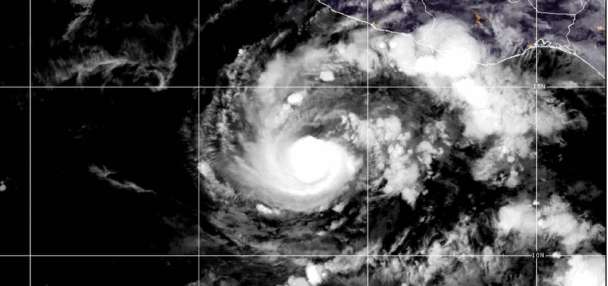
A very strong El Niño can significantly shift rainfall and temperature patterns worldwide, and fuel extreme weather, such as droughts and typhoons.
Warming ocean
While it is a naturally occurring phenomenon and not directly linked to fossil fuel-driven climate change, it can be intensified by warmer ocean temperatures, which are.
"El Niño is being supersized before our eyes. The science leaves no room for doubt: The planet is in uncharted waters, and those waters are heating up," said U.N. Secretary-General Antonio Guterres.
Sample Pacific Ocean temperatures in this year's El Niño, one of just four categorized in the top "very strong" bracket in records dating back to 1950, are already more than 3.6 degrees Fahrenheit above normal, the World Meteorological Organization said.
The event has already had an impact on soft commodities in tropical areas, causing a severe food crisis across Central America's Dry Corridor.
'Pulse' in global temperatures
It is set to peak toward the end of this year, the organization said in a statement. But its effects will continue into 2027 and are set to leave higher global temperatures next year in its wake, officials said.
"Normally after an El Niño event we tend to see a pulse in the global temperatures; a temporary one," Wilfran Moufouma Okia, the World Meteorological Organization's chief of climate prediction services, told reporters, referring to 2024, which was the hottest year so far. "2027 has the potential to be the warmest on record."
The organization said it was stepping up preparedness and early warning efforts in preparation to allow states to take early action, such as switching to drought-resistant crops in some places.
"WMO is committed to working closely with partners across the United Nations and humanitarian system to provide the climate intelligence and insights needed to support disaster management and climate-sensitive sectors like agriculture, health, energy and water resources," Saulo said.