'%3e%3cpath%20d='M34.1406%205.85938C30.3906%202.10547%2025.3047%200%2020%200C14.6953%200%209.60938%202.10547%205.85938%205.85938C2.10938%209.61328%200%2014.6953%200%2020C0%2025.3047%202.10547%2030.3906%205.85938%2034.1406C9.61328%2037.8906%2014.6953%2040%2020%2040C25.3047%2040%2030.3906%2037.8945%2034.1406%2034.1406C37.8906%2030.3906%2040%2025.3047%2040%2020C40%2014.6953%2037.8945%209.60938%2034.1406%205.85938ZM37.0117%2023.543H31.1602V13.5391H27.6328V19.9414C28.1211%2020.6914%2028.3711%2021.582%2028.3711%2022.5625V22.625C28.3711%2023.668%2028.1172%2024.6055%2027.6328%2025.4297V26.6094H36.082C33.4883%2032.9375%2027.2891%2037.3789%2020.0039%2037.3789C10.3711%2037.3789%202.62109%2029.6289%202.62109%2020C2.62109%2010.3711%2010.3711%202.62109%2020%202.62109C29.6289%202.62109%2037.3789%2010.3711%2037.3789%2020C37.3789%2021.1484%2037.2617%2022.2656%2037.0508%2023.3477C37.0391%2023.4141%2037.0234%2023.4766%2037.0117%2023.543Z'%20fill='white'/%3e%3cpath%20d='M22.3086%2018.5352C20.4336%2018.125%2019.9531%2017.8398%2019.9766%2017.1836V17.1406C19.9766%2016.6992%2020.3477%2016.2148%2021.4023%2016.2148C22.582%2016.2148%2023.8867%2016.6797%2025.0781%2017.4766L26.8516%2015.0195C25.4453%2013.8906%2023.707%2013.3398%2021.5547%2013.3398C18.5195%2013.3398%2016.4375%2015%2016.4063%2017.4766V17.5352C16.3633%2020.2617%2018.5859%2020.9805%2021.293%2021.6016C23.0391%2021.9766%2023.5703%2022.3164%2023.5703%2022.9609L23.5469%2022.9766C23.5469%2023.3906%2023.2578%2023.7031%2022.7852%2023.8359C22.5742%2023.9062%2022.1289%2023.9727%2021.5156%2023.9727C20.7617%2023.9727%2019.7539%2023.8633%2018.6328%2023.4844C18.0898%2023.2891%2017.4727%2023.0039%2016.8047%2022.6133L20.1406%2026.625C20.2813%2026.6602%2021.0977%2026.8516%2021.7734%2026.8516C25.0039%2026.8516%2027.0859%2025.2461%2027.1094%2022.6328V22.5703C27.1602%2020.1133%2025.2148%2019.1719%2022.3086%2018.5352Z'%20fill='white'/%3e%3cpath%20d='M5.24219%2013.5664V26.6133H8.75391V23.7578L10.2969%2021.9531L14.2031%2026.6133H18.3867L12.3555%2019.5195L17.4023%2013.5664H13.4531L8.75391%2019.0586V13.5664H5.24219Z'%20fill='white'/%3e%3c/g%3e%3cdefs%3e%3cclipPath%20id='clip0_97_2430'%3e%3crect%20width='40'%20height='40'%20fill='white'/%3e%3c/clipPath%3e%3c/defs%3e%3c/svg%3e)


- The U.S. House passed a bill to make daylight saving time permanent.
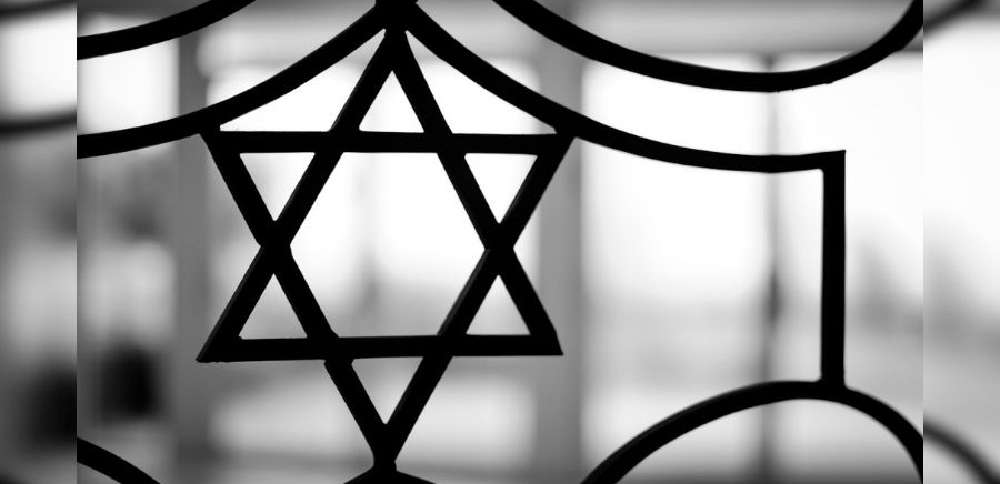
- Should the bill become law, the time change would have potential impacts on Jewish observances, like Shabbat.
- Rabbi Benny Zippel expresses faith in God's will on what will happen.
SALT LAKE CITY — Members of the Jewish faith have followed traditions for thousands of years, observing ordinances and holidays across the ages as the sun rises and sets across the world.
Now, after the U.S. House of Representatives passed a bill to make daylight saving time permanent nationwide, Jewish observances may be affected, as the clocks do not follow the path of the sun.
Rabbi Sam Spector of the Congregation Kol Ami in Salt Lake City said Jewish holidays often begin the night before the holy day. For example, the Jewish Passover this year began at sundown on the evening of April 1, rather than the morning of April 2.
The bill will need to pass the Senate and be signed by President Donald Trump before it becomes law. Until then, daylight saving time remains a summer-only occurrence — shifting clocks an hour ahead to provide more daylight in the evening. However, observance of Jewish holidays, including their Sabbath, remains centered around sunrise and sunset.
On their Sabbath day, which they refer to as Shabbat, practicing Jews avoid driving, turning on or off lights or operating electrical appliances (including phones), cooking and a number of other things related to creation, including getting married or attending weddings.
Sunrise in Salt Lake City for Friday's Shabbat will be at 6:10 a.m., Mountain Daylight Time. If daylight saving time were to persist year-round, the sun could rise as late as 8:51 a.m. in Salt Lake City in December, forcing observant Jews to delay leaving their homes for work after Jewish holidays or other activities following their Sabbath.
Even in the summertime, daylight saving time impacts the lives of practicing Jews, moving the end of their Sabbath day deep into Saturday evening. Rabbi Spector shared an anecdotal story of a man whose brother was getting married on Saturday evening. Due to daylight saving time, the man was unable to attend the wedding.
"I think that daylight saving, when it extends the length of our days, can make certain things more challenging in the summertime," Rabbi Spector said. "For those that do not drive on the Sabbath or get married on the Sabbath, it may be almost 10 p.m. at night before they can drive. That can be a challenge when living in a non-Jewish world."
Rabbi Benny Zippel of the Chabad Lubavitch of Utah said the Jewish people are proud to uphold the same values and traditions that were laid down in the Torah thousands of years ago. He also expressed his faith that God's will would be done, should the time change become permanent.
"Just like during the six days of creation, God proclaimed when it was evening and when it was morning," Rabbi Zippel said. "We remain firmly confident and committed to an omnipotent and all-powerful God who knows what's best for us. If daylight saving time is passed year-round, we have to trust that God knows what's best."
Correction: A previous version included an error that misstated the sunset time during Shabbat. It has since been corrected.

Related stories
Most recent Utah stories
Related topics
 Joe Wirthlin