
Estimated read time: 2-3 minutes
This archived news story is available only for your personal, non-commercial use. Information in the story may be outdated or superseded by additional information. Reading or replaying the story in its archived form does not constitute a republication of the story.
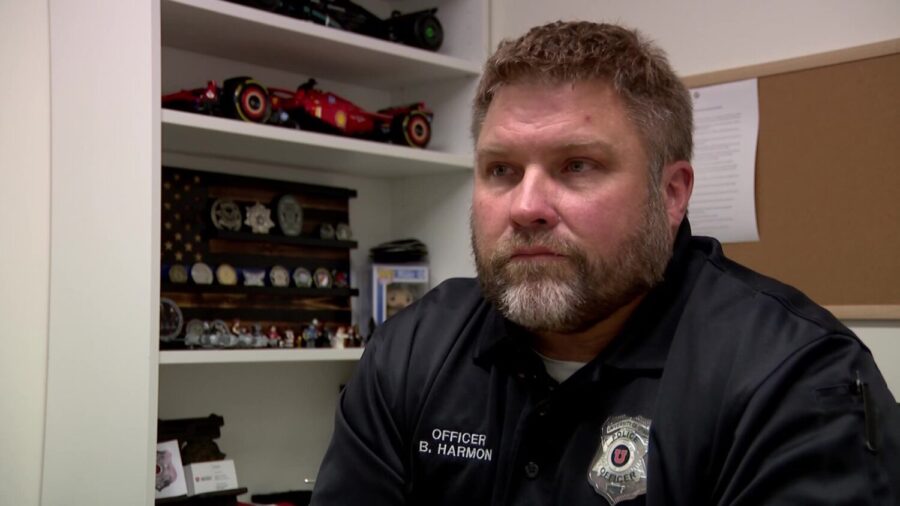
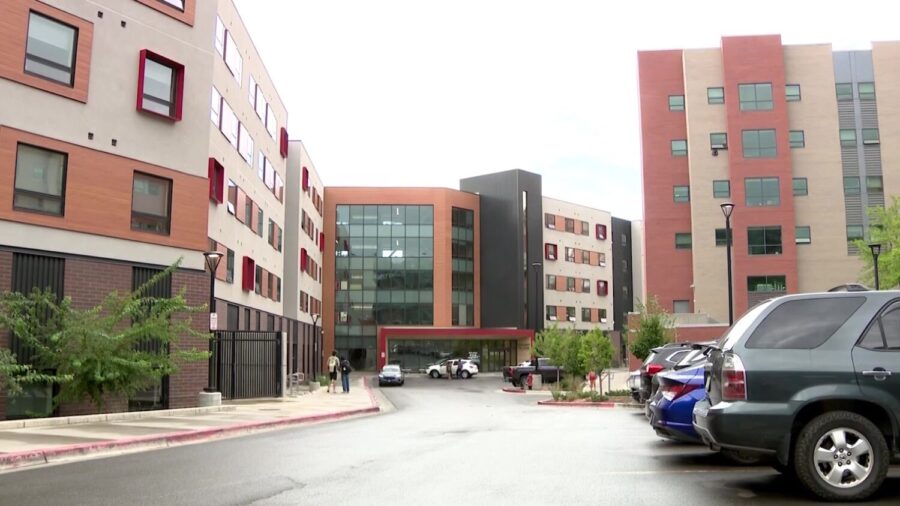
SALT LAKE CITY – The University of Utah is taking a proactive step toward campus safety by assigning a full-time police officer to Kahlert Village, the school’s largest on-campus housing community. The new role, years in the making, marks the first time the university has embedded an officer directly into student housing. More than 1,400 first-year students have moved into Kahlert Village in recent weeks, and Officer Benjamin Harmon is now a daily presence in the halls. His official title is Residence Life Resource Officer, and his mission is clear: Build trust and keep students safe.“I love sports, I do jiu-jitsu, I like riding my motorcycle, my mountain bike… and I love Legos,” Harmon said with a smile. It’s the kind of personal detail he hoped would help students see him as approachable and relatable.Captain Jason Hinojosa of the University of Utah Police Department said the position wasn’t created in direct response to the 2018 murder of student Lauren McCluskey, but acknowledged that tragedy reshaped how the university approaches safety. “Having him embedded is going to be what helps us gain that trust,” Hinojosa said. “The whole point is to make sure that we have somebody who’s got their finger on the pulse of what’s happening with the student community.”
Related: Video: Five years since Lauren McCluskey’s murder, what’s changed?
For students like Revin Cachat, the presence of a police officer in the dorms is a mixed bag. “It might be overkill,” he said. “But safety is obviously a number one priority here on campus. Stuff happens — we’re not in high school anymore.” Harmon was quick to clarify that he’s not there to hand out parking tickets or dampen the college experience. “If there’s issues, suspicious persons in the dorms, I look into that and try to identify people so that we can prevent any accidents,” he said. As for how the university will measure the success of this pilot program, Hinojosa said they’ll be looking at crime reports and incident trends to determine what may have been prevented. If successful, the hope is to expand the program as the student population continues to grow. For now, Harmon is settling into his new role — one that blends law enforcement with mentorship, and safety with community. “It just feels like home out here,” Cachat said.