'%3e%3cpath%20d='M34.1406%205.85938C30.3906%202.10547%2025.3047%200%2020%200C14.6953%200%209.60938%202.10547%205.85938%205.85938C2.10938%209.61328%200%2014.6953%200%2020C0%2025.3047%202.10547%2030.3906%205.85938%2034.1406C9.61328%2037.8906%2014.6953%2040%2020%2040C25.3047%2040%2030.3906%2037.8945%2034.1406%2034.1406C37.8906%2030.3906%2040%2025.3047%2040%2020C40%2014.6953%2037.8945%209.60938%2034.1406%205.85938ZM37.0117%2023.543H31.1602V13.5391H27.6328V19.9414C28.1211%2020.6914%2028.3711%2021.582%2028.3711%2022.5625V22.625C28.3711%2023.668%2028.1172%2024.6055%2027.6328%2025.4297V26.6094H36.082C33.4883%2032.9375%2027.2891%2037.3789%2020.0039%2037.3789C10.3711%2037.3789%202.62109%2029.6289%202.62109%2020C2.62109%2010.3711%2010.3711%202.62109%2020%202.62109C29.6289%202.62109%2037.3789%2010.3711%2037.3789%2020C37.3789%2021.1484%2037.2617%2022.2656%2037.0508%2023.3477C37.0391%2023.4141%2037.0234%2023.4766%2037.0117%2023.543Z'%20fill='white'/%3e%3cpath%20d='M22.3086%2018.5352C20.4336%2018.125%2019.9531%2017.8398%2019.9766%2017.1836V17.1406C19.9766%2016.6992%2020.3477%2016.2148%2021.4023%2016.2148C22.582%2016.2148%2023.8867%2016.6797%2025.0781%2017.4766L26.8516%2015.0195C25.4453%2013.8906%2023.707%2013.3398%2021.5547%2013.3398C18.5195%2013.3398%2016.4375%2015%2016.4063%2017.4766V17.5352C16.3633%2020.2617%2018.5859%2020.9805%2021.293%2021.6016C23.0391%2021.9766%2023.5703%2022.3164%2023.5703%2022.9609L23.5469%2022.9766C23.5469%2023.3906%2023.2578%2023.7031%2022.7852%2023.8359C22.5742%2023.9062%2022.1289%2023.9727%2021.5156%2023.9727C20.7617%2023.9727%2019.7539%2023.8633%2018.6328%2023.4844C18.0898%2023.2891%2017.4727%2023.0039%2016.8047%2022.6133L20.1406%2026.625C20.2813%2026.6602%2021.0977%2026.8516%2021.7734%2026.8516C25.0039%2026.8516%2027.0859%2025.2461%2027.1094%2022.6328V22.5703C27.1602%2020.1133%2025.2148%2019.1719%2022.3086%2018.5352Z'%20fill='white'/%3e%3cpath%20d='M5.24219%2013.5664V26.6133H8.75391V23.7578L10.2969%2021.9531L14.2031%2026.6133H18.3867L12.3555%2019.5195L17.4023%2013.5664H13.4531L8.75391%2019.0586V13.5664H5.24219Z'%20fill='white'/%3e%3c/g%3e%3cdefs%3e%3cclipPath%20id='clip0_97_2430'%3e%3crect%20width='40'%20height='40'%20fill='white'/%3e%3c/clipPath%3e%3c/defs%3e%3c/svg%3e)


- Personal protection is the top reason Americans own guns, rising to 72% in 2024.
- Mass shootings are rare but increasing; 305 occurred in the U.S. this year.
- ALERRT emphasizes armed civilian intervention as a last resort.
SALT LAKE CITY — Personal protection is the leading reason Americans give for owning a gun.
The share of gun owners who cited protection as a major reason increased from 67% in 2017 to 72% in 2024, according to Pew Research Center.
On another note, mass shootings have been steadily increasing in the United States since 1966.
Mass shootings most commonly occur in crowded public settings, with workplaces accounting for 28% of incidents and schools for 22%, according to the Rockefeller Institute of Government. Even so, the institute notes that mass shootings remain "one of the rarest forms of gun violence."
Comforting? Probably not. But that raises a second question: Would you feel safer knowing there were armed civilians around you who could intervene?
Should civilians intervene?
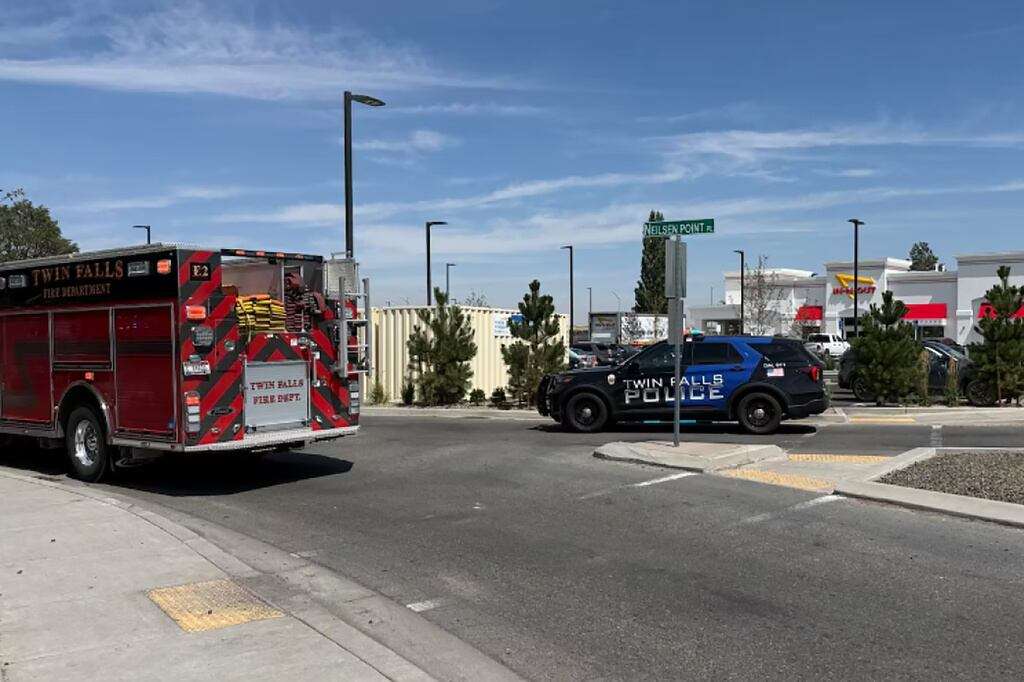
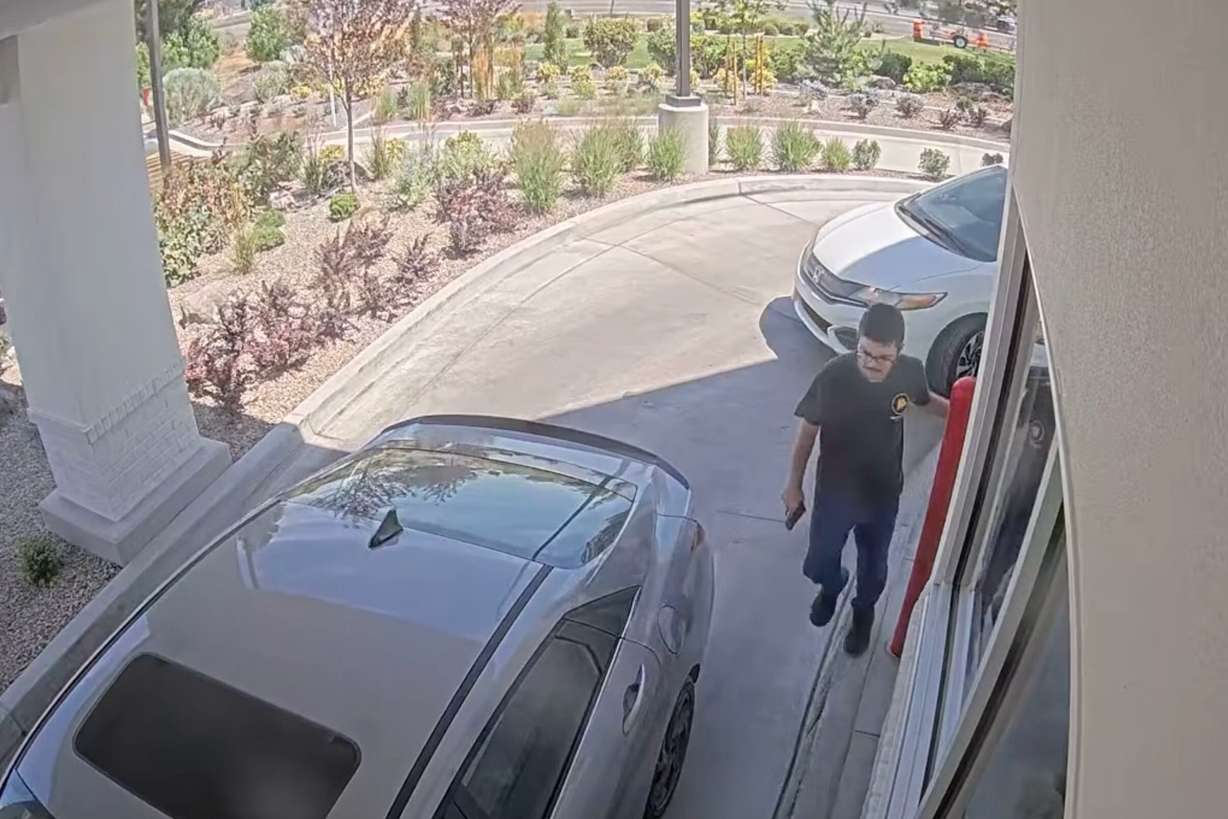
Jordan Salinas, who happened to be in the area when Twin Falls In-N-Out shooter Chad Williams began gunning down individuals at the newly opened burger joint earlier this month, was quickly praised across the nation for taking the actions he did as an armed civilian.
But the difference between Salinas and the average concealed carrier is that he had been prepared for that very situation.
Salinas told news outlets that after the Boise Towne Square Mall shooting in 2021, he decided that if he ever found himself in such a dire situation, he would be trained for it.
"Obviously, you want to build fundamentals. Grip, sight alignment, trigger pull — that's all absolutely foundational," he told Idaho news outlet KTVB. "The other element to that is being able to respond and react and maintain composure and those fundamentals under stress."
The Gun Violence Archive defines a mass shooting as generally an "American phenomenon" where "a minimum of four victims shot, either injured or killed, not including any shooter who may also have been killed or injured in the incident."
Statistics indicate that there have been 305 mass shootings in the U.S. so far this year.
Advanced Law Enforcement Rapid Response Training, or ALERRT, is a Texas State University-based program that trains law enforcement and civilians on how to respond to active-shooter situations.
It also analyzes every active shooter situation with the FBI.
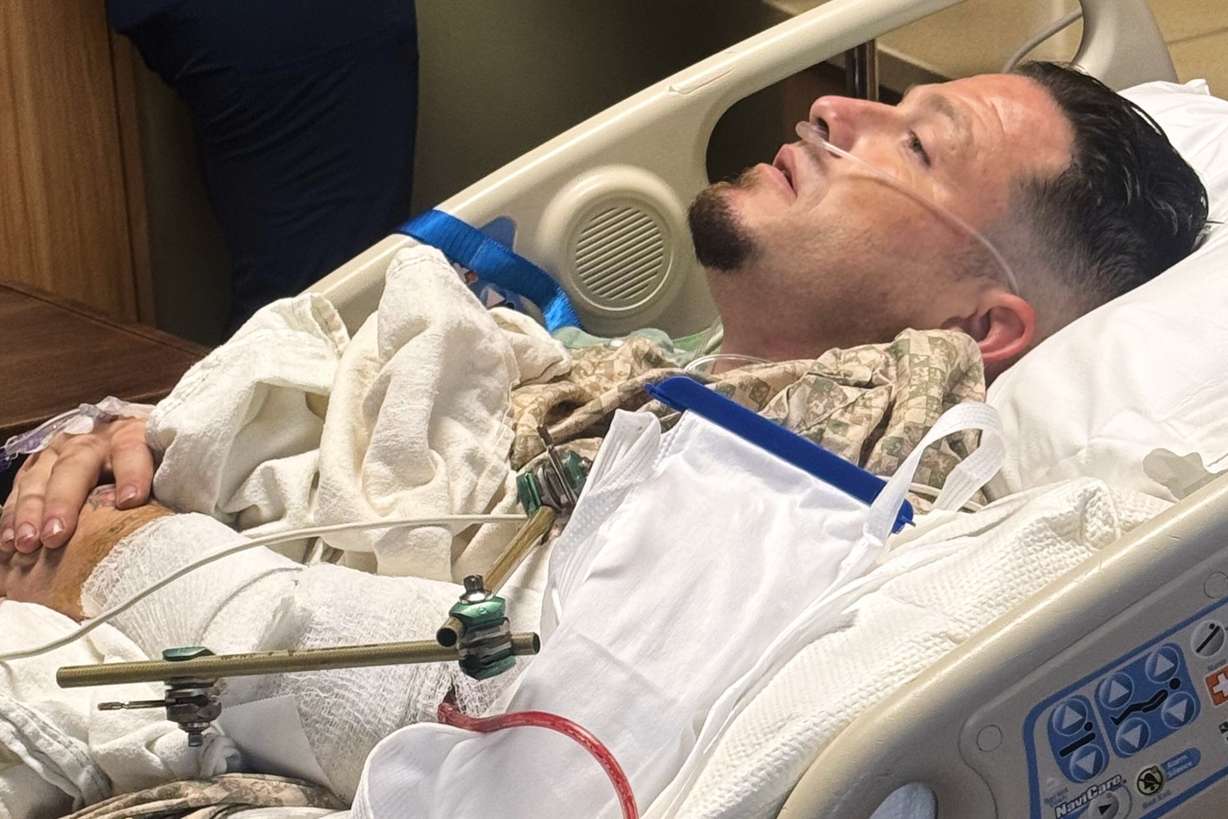
James Keith, director of external relations at ALERRT, told the Deseret News the program was founded in 2002 in the wake of the Columbine High School shooting.
"We saw how many people were killed in that short amount of time in that school library," and realized "the days of waiting for a SWAT team or backup to come in, those are gone."
ALERRT trains law enforcement to "stop the killing, go in there, take care of that threat, eliminate it as quickly as possible," he said.
Keith emphasized that Salina's actions in Twin Falls demonstrate the potential value of a prepared civilian who "in this case, helped minimize loss of life."
But ALERRT considers armed civilian intervention a last resort, not the default response.
They teach civilians, "Avoid, Deny, Defend."
- Avoid: Get away from the attacker as quickly as possible.
- Deny: If escape is possible, barricade or otherwise prevent the attacker from reaching you.
- Defend: Fight back only when the first two options are unavailable, and your life is in immediate danger.
When a fatal mistake is made
Though he was "grateful" for Salinas' actions, what occurred was "rare," Keith explained.
When mass shootings occur, "Our goal is for there to be minimal to no loss of life, and that includes the civilian who may have an open carry license or something of that nature," he said.
"If they are in a situation and they are confronted with that person, then you know we can understand taking that action. But there's a lot of factors that can go wrong."
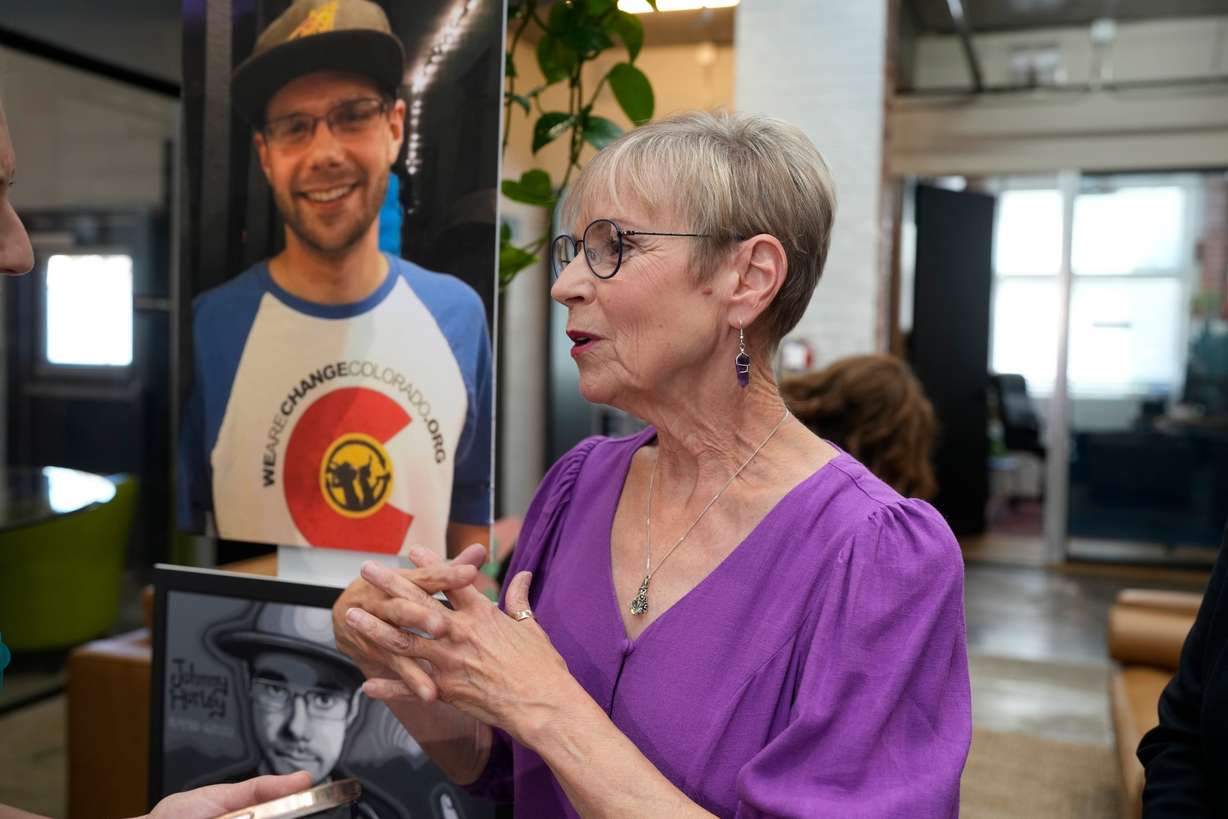
In 2021, Colorado civilian Johnny Hurley stopped a gunman who had killed a police officer, only to be fatally shot by a responding officer who mistook him for another attacker. In 2018, armed security guard Jemel Roberson was killed while holding down the actual gunman.
"Also, when civilians are firing guns, you do have a higher risk of more people being injured through crossfire," Keith said. "We really only advise it for situations where there is that immediate life and death threat. It should be a last resort."
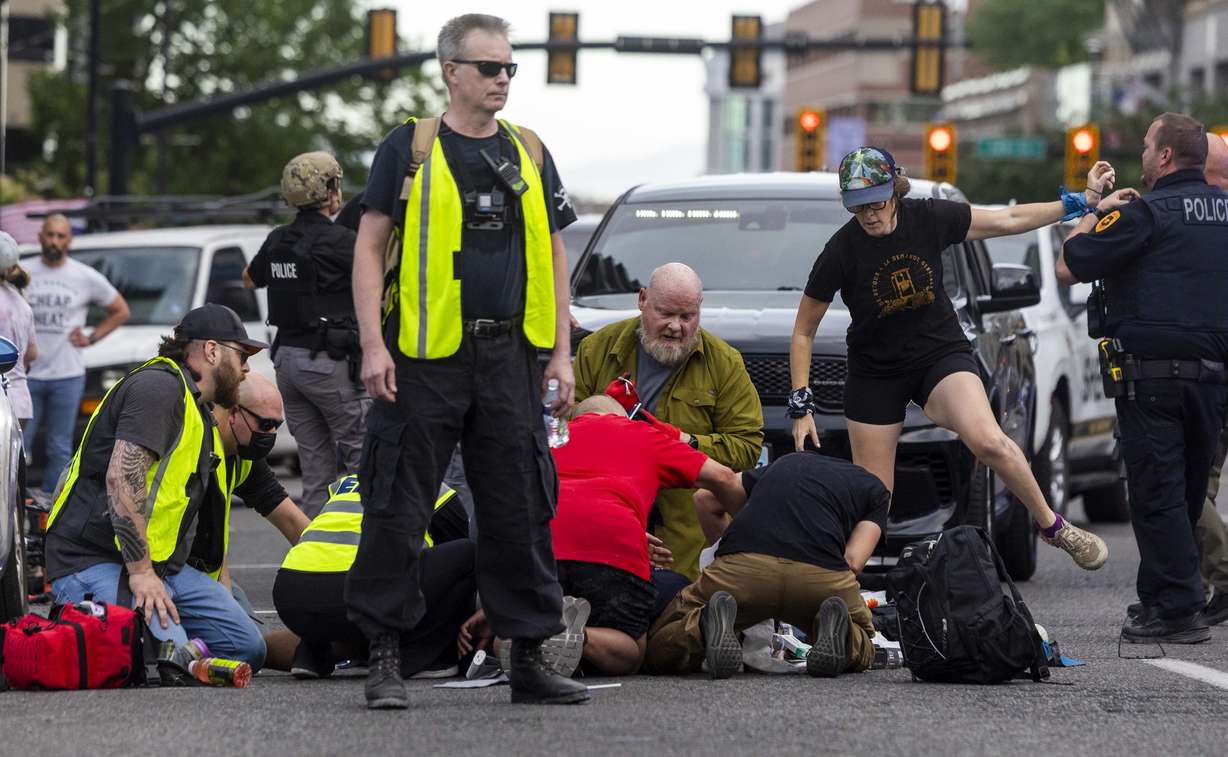
There is currently an active wrongful death case in Utah following civilian gunfire that took the life of Afa Ah Loo at a "No Kings" protest in Salt Lake City last year.
Attorneys for the Ah Loo family allege that Afa's death was ultimately caused by the volunteer local 50501 chapter's "ill-prepared manner" of organizing the protest. According to the filing, the local No Kings chapter hired a group identified as Armed Queers SLC as its security for the event in Salt Lake City, with which defendant Matthew Alder was affiliated.
Alder is accused of "recklessly" firing and causing the death of Ah Loo after being concerned that a separate individual was going to fire on the crowd.
'This can happen anywhere'
Nobody wants to live in fear, but Keith explained that there's a difference between paranoia and diligence.
"The reality is this can happen anywhere," Keith said, and when he goes anywhere, especially with his family, he makes sure to check every alternative exit plan.
"If you hear gunshots, don't stop, don't freeze, don't hide underneath a desk, don't hide behind a chair. Those aren't going to protect you," he teaches his kids.
The reality, he said, is "we're all going to be affected by this at the rate that these are going. Be it in a town near us or in a facility that we frequent. We hear all the time, 'We never thought it would happen here,' and then it does. And so, the biggest thing that we can do is train and teach people to be prepared to respond appropriately."