
Estimated read time: 3-4 minutes
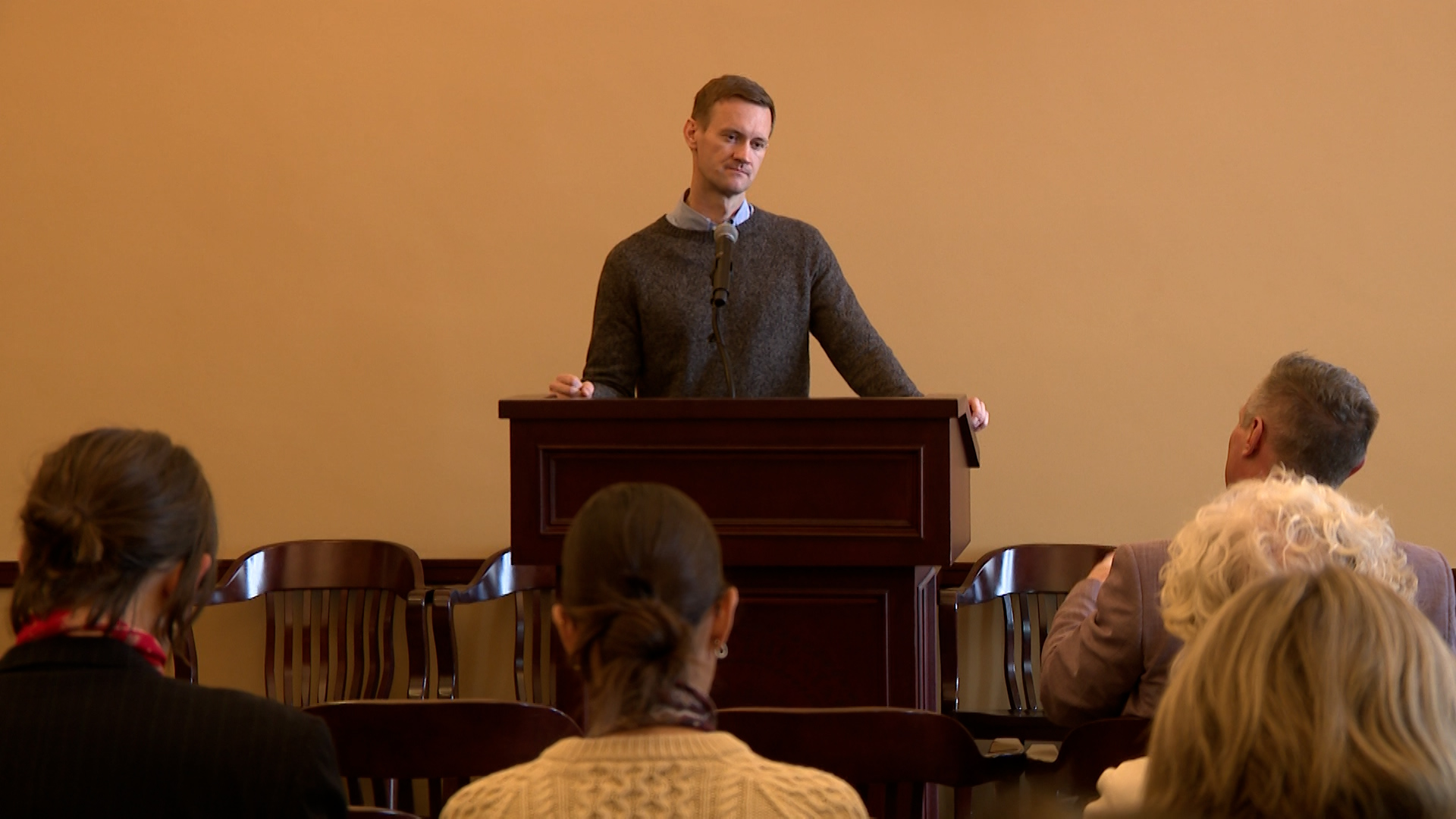
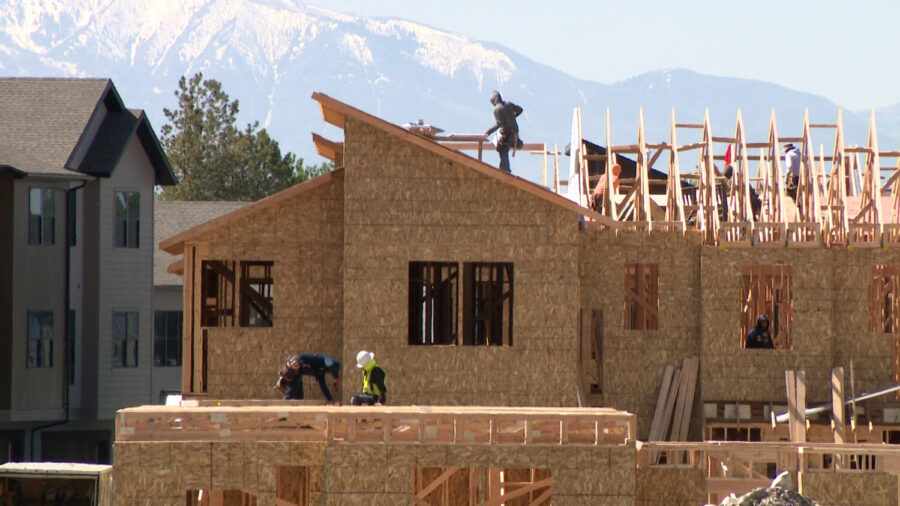
SALT LAKE CITY – As homeownership remains out of reach for many Utahns, the governor's housing advisor has one goal. “Create more supply,” said Steve Waldrip, senior advisor for housing strategy in Gov. Spencer Cox’s office. “We need more houses.” The governor announced a plan in 2023 to build 35,000 starter homes over four years, but progress has been slow. Still, state officials keep trying. Waldrip gathered state lawmakers, nonprofit organizations, and other stakeholders at the Capitol on Tuesday for a news conference to discuss how they will push to make a dent in the state’s housing market, which is ranked among the least affordable in the country. The median housing price for all housing types in Utah was $518,000 in December, according to the Kem C. Gardner Policy Institute. “I think this is an existential issue,” said Rep. Cal Roberts, R-Draper, who is running a bill during the upcoming legislative session that would make state money available for cities to apply for to help build infrastructure – like water, sewer, and roads – for new housing developments.“If we can invest in the infrastructure, we unlock that housing that's been planned,” Roberts said, noting there are 180,000 “entitled” units across the state set aside for housing that haven’t moved forward yet. Another bill from Roberts aims to make unused state land available to build new homes on. Rep. Ray Ward, R-Bountiful, proposes loosening local land use rules by making it easier for residents to get exceptions to city or county building regulations. This is a step down from Ward’s unsuccessful bill last year that initially sought to require local municipalities to allow new homes on any lot size. A bill from Rep. Jill Koford, R-Ogden, would raise the primary residential exemption from 45% to 60% with the goal of offering “a little bit of relief” to homeowners burdened by high property taxes. However, Koford did not have an exact estimate of how much money this would save a typical family each year. If the bill passes, Utah voters would then have to vote on it as a constitutional amendment. Finally, Rep. John Johnson, R-North Ogden, has a plan to tax corporations that own a lot of rental housing, one year after a proposal to ban large companies from buying homes in the state fell flat. “We have a problem,” Johnson said, “and that is that we have large pools of homes that are controlled by institutional investors.” However, the Gardner Institute reports those homes make up just about 3% of the state's rental housing supply. Asked by KSL about that statistic, Johnson said, “you know, it's hard for me to believe those numbers, quite frankly, seeing what I've looked at.” But that’s what the numbers show. The counties with the largest share of homes owned by institutional investors are Summit County, Uintah County, and Tooele County, according to the Gardner Institute’s latest data.After Tuesday’s news conference, Ross Ford, executive vice president of the Utah Home Builders Association, agreed that additional housing supply is important and said builders are ready to construct it. “We’ve got builders that are anxious and ready to go wherever they can,” Ford said, while adding that “a lot of the supply [lawmakers] claim that’s out there, it’s locked up for a variety of different reasons.” Ford said the proposal from Roberts to build more infrastructure would help unlock certain projects, but he said many other bills are “kind of nibbling around the edges” of what he said is the real problem – cities and towns getting in the way of new housing. “We have too many local government officials that ran on a no-growth platform,” Ford said. “They're not going to be cooperative.” The legislative session starts Jan. 20.