'%3e%3cpath%20d='M34.1406%205.85938C30.3906%202.10547%2025.3047%200%2020%200C14.6953%200%209.60938%202.10547%205.85938%205.85938C2.10938%209.61328%200%2014.6953%200%2020C0%2025.3047%202.10547%2030.3906%205.85938%2034.1406C9.61328%2037.8906%2014.6953%2040%2020%2040C25.3047%2040%2030.3906%2037.8945%2034.1406%2034.1406C37.8906%2030.3906%2040%2025.3047%2040%2020C40%2014.6953%2037.8945%209.60938%2034.1406%205.85938ZM37.0117%2023.543H31.1602V13.5391H27.6328V19.9414C28.1211%2020.6914%2028.3711%2021.582%2028.3711%2022.5625V22.625C28.3711%2023.668%2028.1172%2024.6055%2027.6328%2025.4297V26.6094H36.082C33.4883%2032.9375%2027.2891%2037.3789%2020.0039%2037.3789C10.3711%2037.3789%202.62109%2029.6289%202.62109%2020C2.62109%2010.3711%2010.3711%202.62109%2020%202.62109C29.6289%202.62109%2037.3789%2010.3711%2037.3789%2020C37.3789%2021.1484%2037.2617%2022.2656%2037.0508%2023.3477C37.0391%2023.4141%2037.0234%2023.4766%2037.0117%2023.543Z'%20fill='white'/%3e%3cpath%20d='M22.3086%2018.5352C20.4336%2018.125%2019.9531%2017.8398%2019.9766%2017.1836V17.1406C19.9766%2016.6992%2020.3477%2016.2148%2021.4023%2016.2148C22.582%2016.2148%2023.8867%2016.6797%2025.0781%2017.4766L26.8516%2015.0195C25.4453%2013.8906%2023.707%2013.3398%2021.5547%2013.3398C18.5195%2013.3398%2016.4375%2015%2016.4063%2017.4766V17.5352C16.3633%2020.2617%2018.5859%2020.9805%2021.293%2021.6016C23.0391%2021.9766%2023.5703%2022.3164%2023.5703%2022.9609L23.5469%2022.9766C23.5469%2023.3906%2023.2578%2023.7031%2022.7852%2023.8359C22.5742%2023.9062%2022.1289%2023.9727%2021.5156%2023.9727C20.7617%2023.9727%2019.7539%2023.8633%2018.6328%2023.4844C18.0898%2023.2891%2017.4727%2023.0039%2016.8047%2022.6133L20.1406%2026.625C20.2813%2026.6602%2021.0977%2026.8516%2021.7734%2026.8516C25.0039%2026.8516%2027.0859%2025.2461%2027.1094%2022.6328V22.5703C27.1602%2020.1133%2025.2148%2019.1719%2022.3086%2018.5352Z'%20fill='white'/%3e%3cpath%20d='M5.24219%2013.5664V26.6133H8.75391V23.7578L10.2969%2021.9531L14.2031%2026.6133H18.3867L12.3555%2019.5195L17.4023%2013.5664H13.4531L8.75391%2019.0586V13.5664H5.24219Z'%20fill='white'/%3e%3c/g%3e%3cdefs%3e%3cclipPath%20id='clip0_97_2430'%3e%3crect%20width='40'%20height='40'%20fill='white'/%3e%3c/clipPath%3e%3c/defs%3e%3c/svg%3e)



Estimated read time: 7-8 minutes
- Pamela Atkinson, known as Utah's Mother Teresa, died Saturday at the age of 93.
- Her legacy includes funded clinics, a homeless trust fund and a men's resource center.
- Atkinson's compassion bridged divides of race, politics and socioeconomics in Utah.
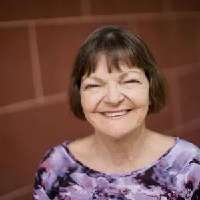
SALT LAKE CITY — Pamela Joan Collin Atkinson, longtime counselor to government officials, friend to the homeless, nurse educator and community advocate, died Saturday. She was 93.
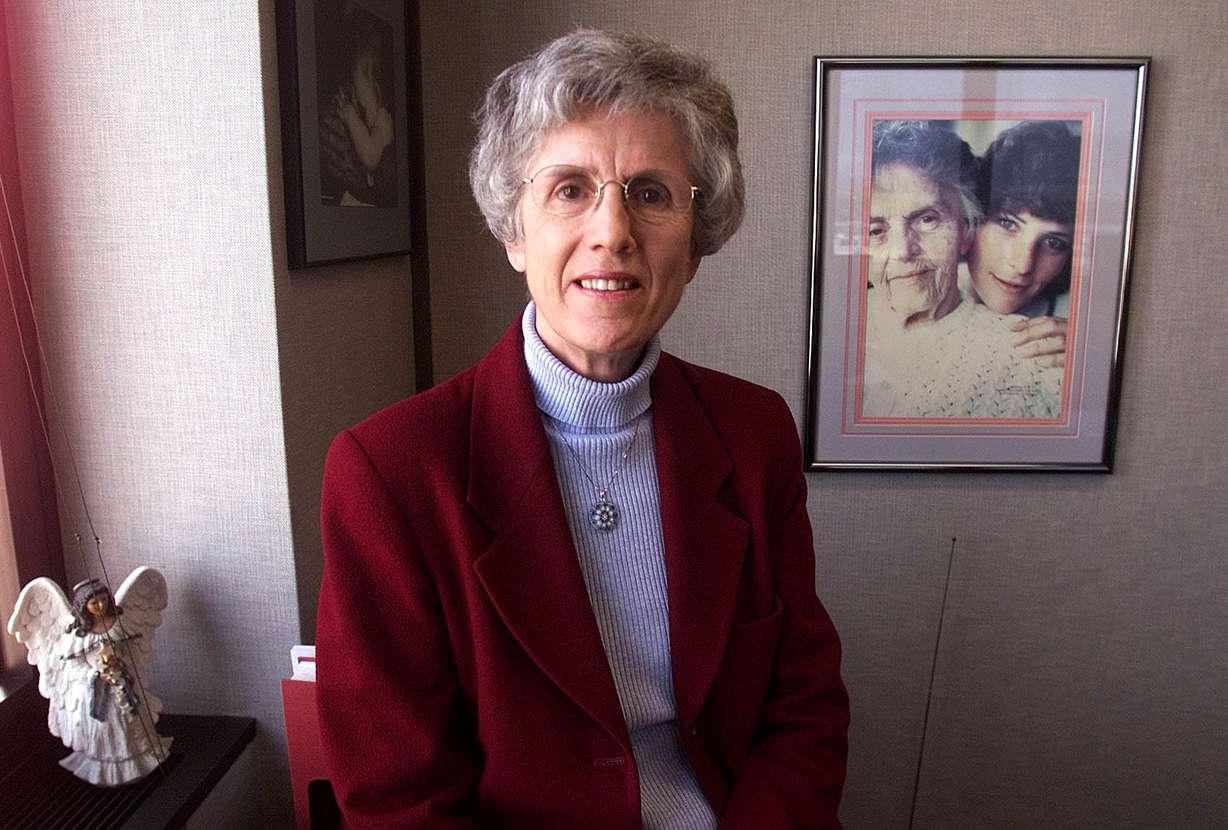
Atkinson has been called Utah's Mother Teresa for her love of and compassion for those who struggle. The mark she's left on Utah is both deeply felt and physically visible. The medical clinic that serves those experiencing homelessness, the state's homeless trust fund and a men's resource center all bear her name. First Presbyterian Church has established a "Pamela's closet" to gather supplies for those in need. And her phone number has for decades often been the first one dialed by charitable organizations and others who find themselves short on resources or unable to help someone in crisis.
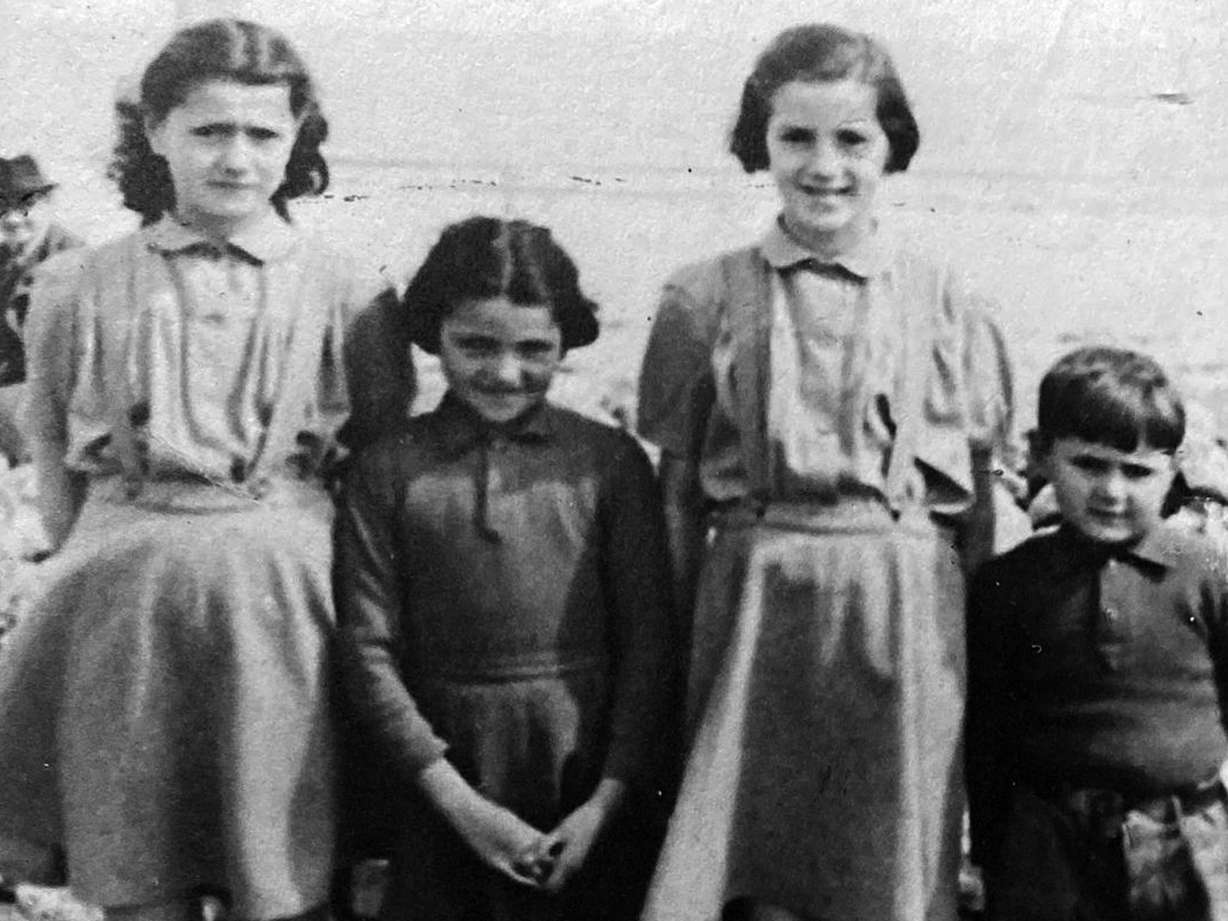
Atkinson was born in Bromley, Kent, England, on Feb. 9, 1933, the third of five children, and spent her childhood in poverty. She told Deseret News in 2010 that her father raced greyhounds and gambled away any money he earned. Eventually, he abandoned his family and her mother, Johannah Bye, took whatever work she could find to support her two sons and three daughters. Hunger was often part of life, and Atkinson took a newspaper route at a young age to bring some much-needed money into the household. During World War II's London Blitz, she endured air raids and time in underground shelters, before she was evacuated with a sister to the countryside. While it was safer, the woman who hosted them made it clear she was obligated to take them in but didn't want them. "She knew what it was to be unwanted and impoverished, with no one to encourage her," her daughter Heather Hooper said recently.
When the air raids ended, Atkinson returned home. By the time she was a teen, she was painfully aware that her family lacked what most of her peers had, she said: creature comforts like a table at which to study or indoor plumbing.
Her keen mind, however, would compensate for a lack of material comforts as she grew up. She read voraciously and knew instinctively that education would change her life, so she studied hard. She was lucky to befriend a librarian who began to select and set aside books for Atkinson, who said that taught her how important mentors can be.
Lying heel-to-head with her sisters at night, Atkinson said she plotted a future without poverty. "I'll marry a rich man and never have anything to do with poor people," she promised herself.

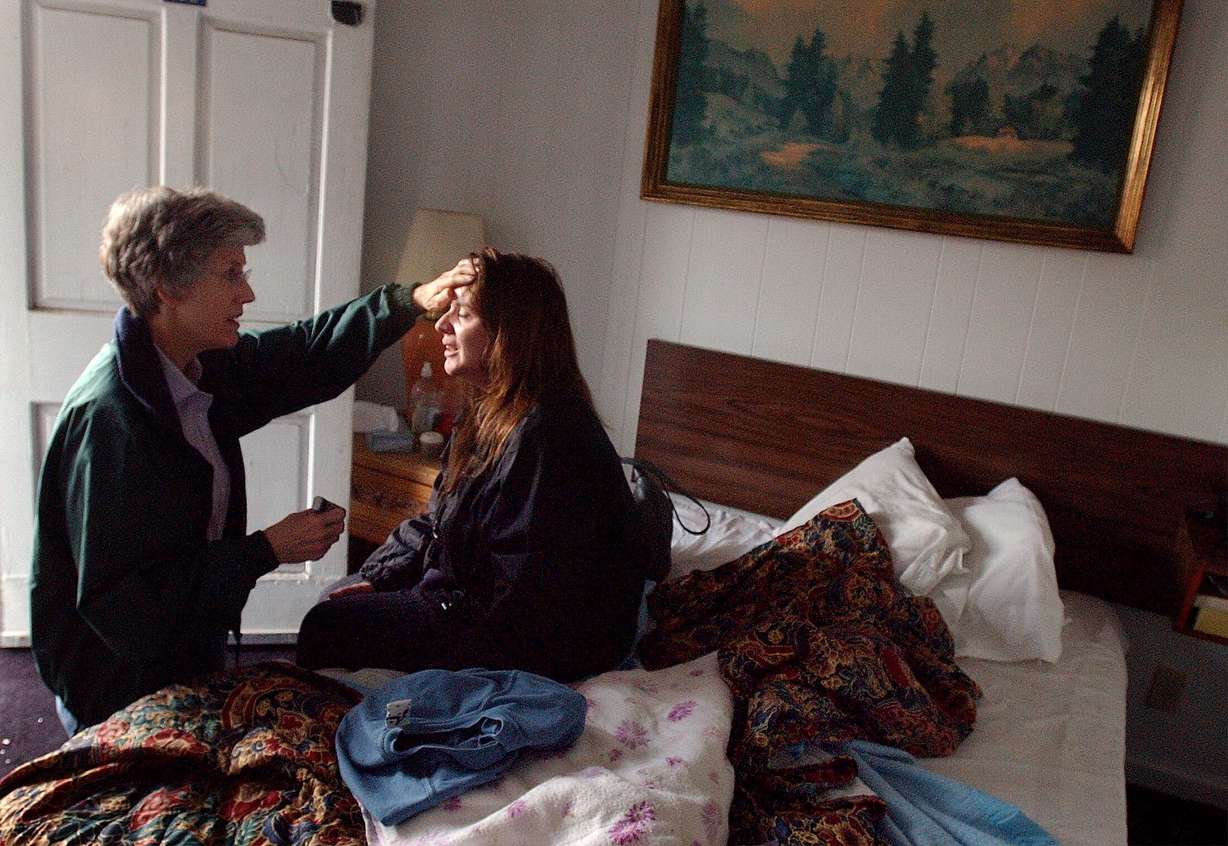
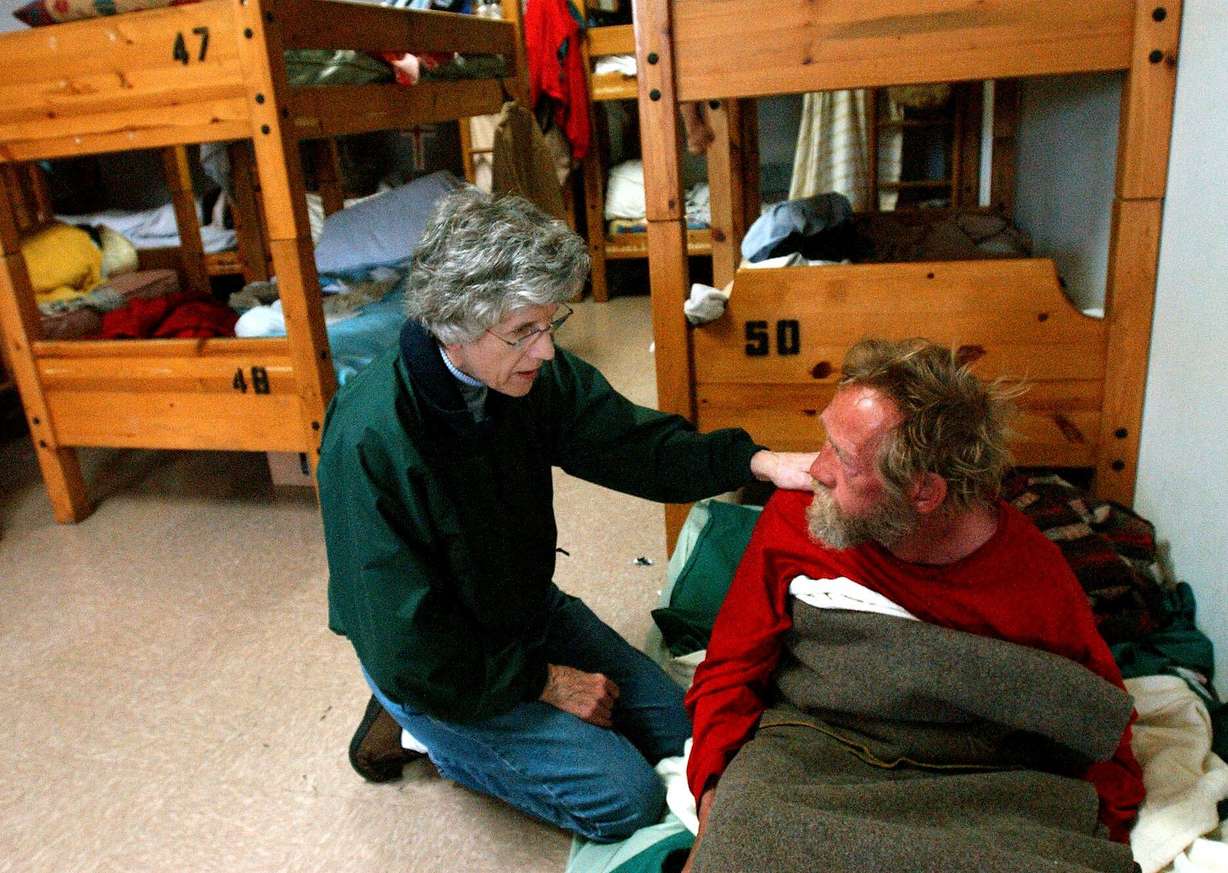
She got that wrong: She couldn't escape the tug of her heart. Her early experiences gave her a keen understanding of and love for those who are homeless, impoverished or sick. That love and later a strong faith in God would put the plight of those who suffer in her heart, where it would be translated into actions involving her head and her hands. She became a doer, a giver and a carer who always found time for those in need of a hug or encouragement — sometimes with a bit of scolding thrown in. Atkinson moved easily between governors' mansions, boardrooms and the makeshift cardboard shelters along Utah's Jordan River or near the underpasses where people sometimes set up camp.
As Deseret News reported, "She will pay to kennel a dog to get his owner into medical care. She speaks at the funerals of prominent friends — but she also eulogizes and mourns homeless friend C.J. and Papa Smurf and poor Virgil Robertson, who froze to death one Thanksgiving Day."
Atkinson helped establish several clinics that serve low-income populations, including the Lincoln Family Health Center and the Rose Park Family Health Center, both based in elementary schools, as well as an Intermountain Neighborhood Clinic. She also served for a decade on the state Board of Regents, among other education-related service.
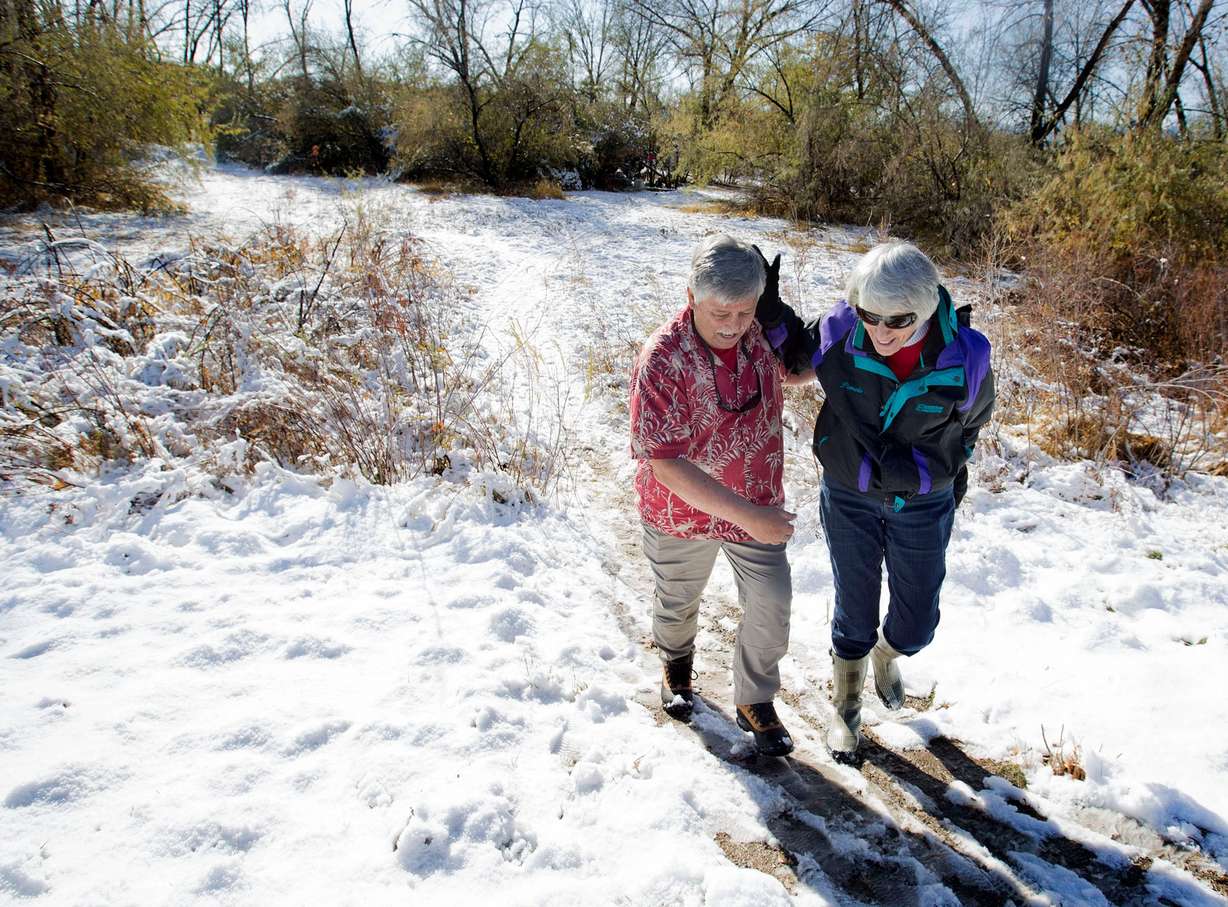
A longtime elder of the First Presbyterian Church in Salt Lake City, decades ago Atkinson began collaborating on humanitarian tasks with H. David Burton, who was then presiding bishop of The Church of Jesus Christ of Latter-day Saints. It was with her own church group that she had served a meal at a Salvation Army dining room and was asked to greet each homeless individual and welcome them, while her friends served the food. As she shook the hand of each person seeking food, she learned that for many of them that handshake was a very rare and welcome touch, perhaps the first physical contact in days or longer.
Burton in an earlier Atkinson profile noted her sixth sense "in terms of when people are hurting, regardless of what that hurt is — temporal, emotional, psychological. Every time you see her, collaborate with her, you come away saying, 'I think that person genuinely cares about me.'"
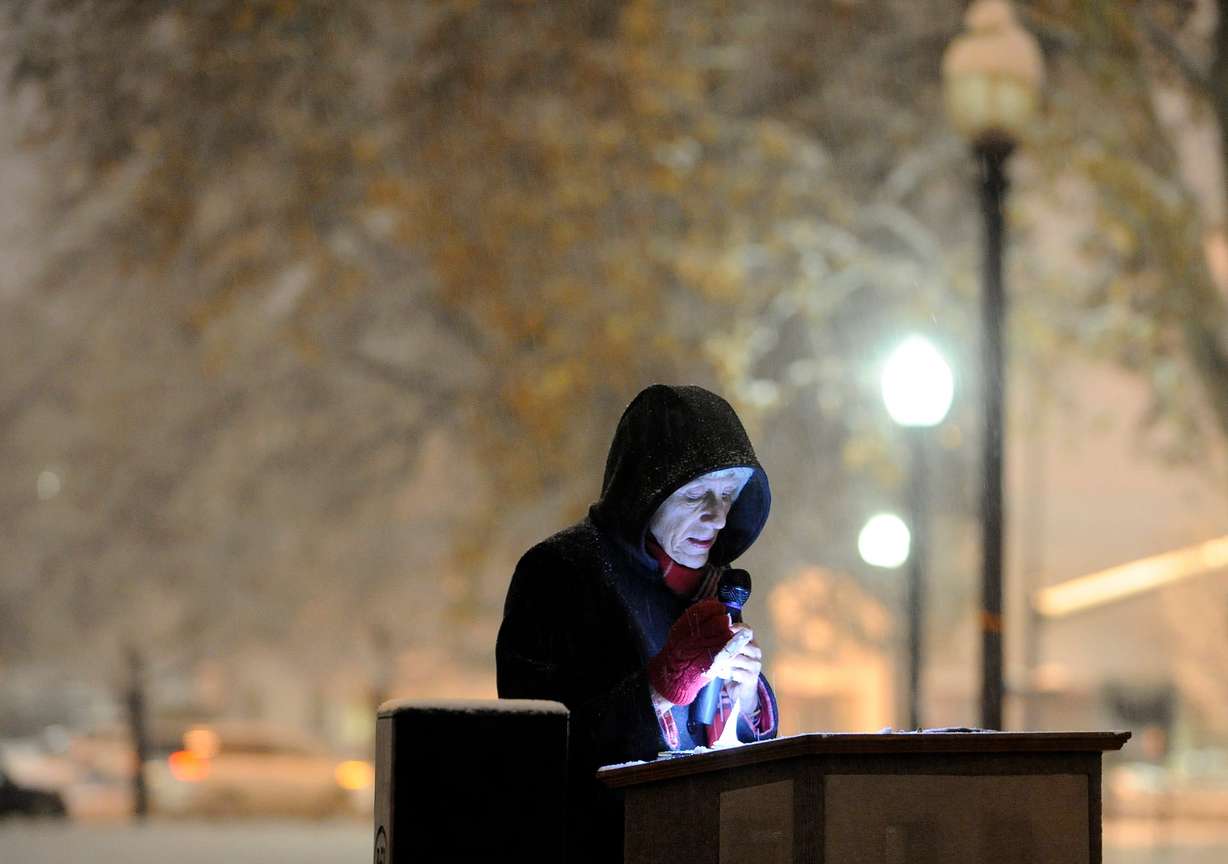
Hers was a gift of compassion and connection that bridged divides of race, politics, socioeconomics and faith. Atkinson said she never let differences get in the way of friendship or politics wreck relationships.
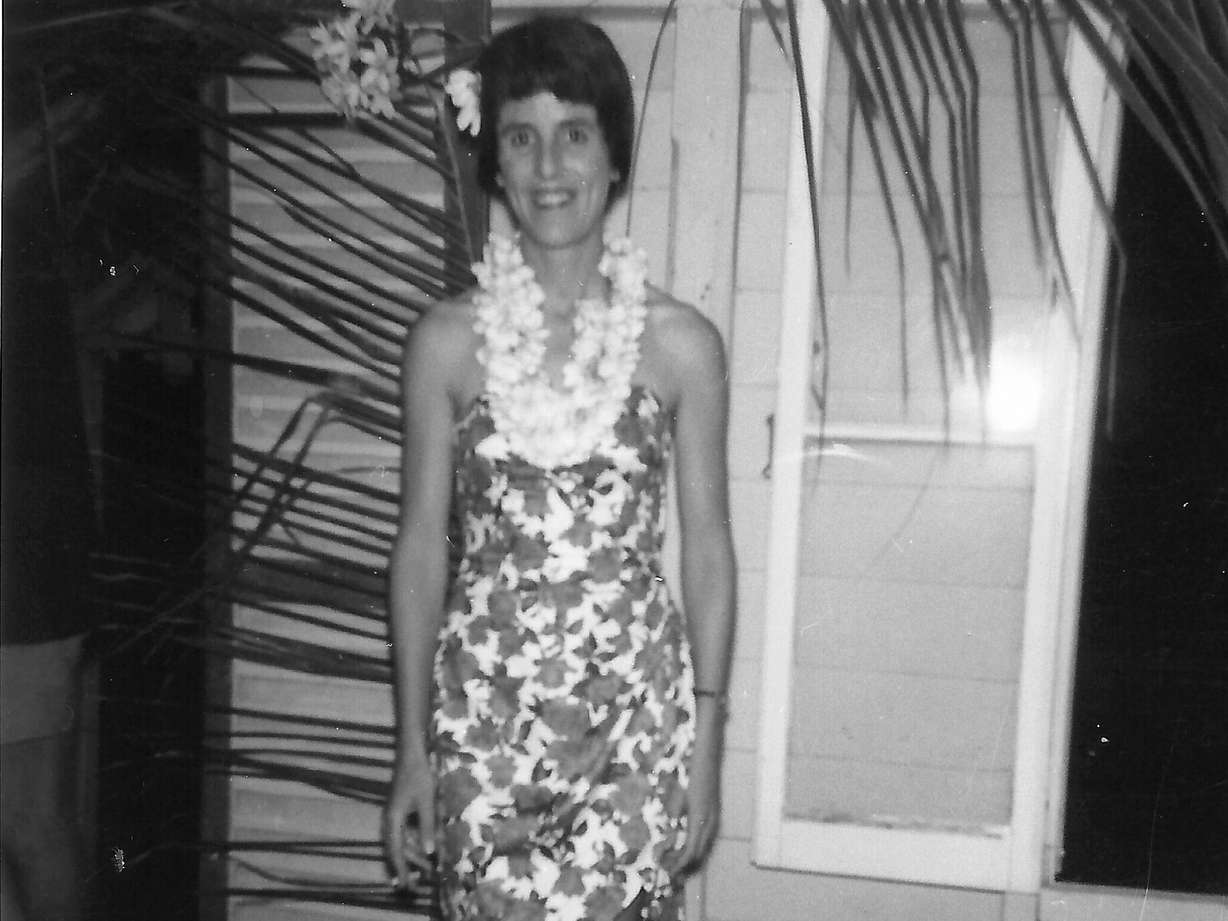
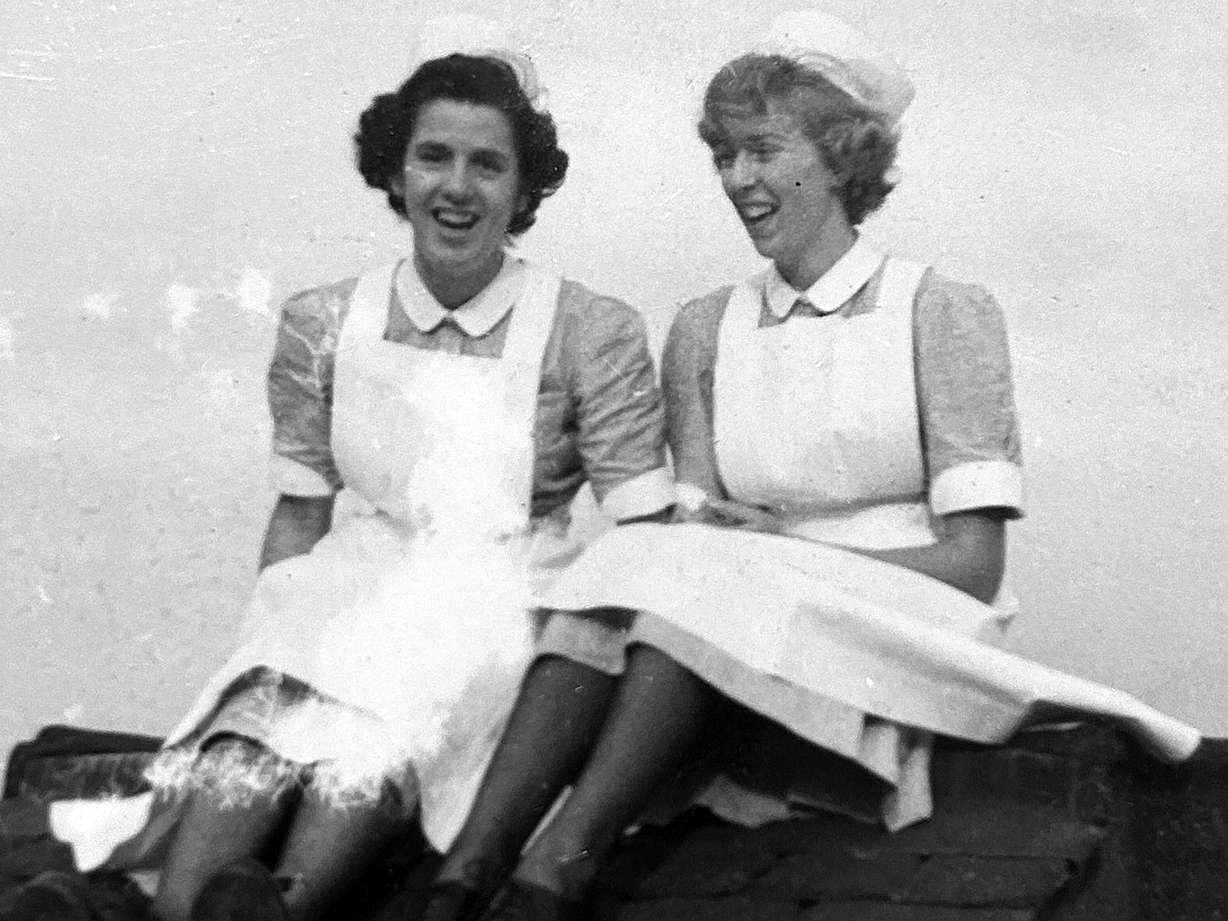
As a young woman, Atkinson demonstrated a fierce determination to carve the life she wanted. After she graduated from high school, which was a rarity in her family, Atkinson landed one of 40 spots at a nursing school in London and when she completed those studies, she left for Australia, where she worked with Aboriginal people in the Torres Strait islands between New Guinea and Queensland for two years. She learned to water ski there in shark-infested waters and told her daughter, Heather Hooper, that "you learn to get up the first time and stay up."
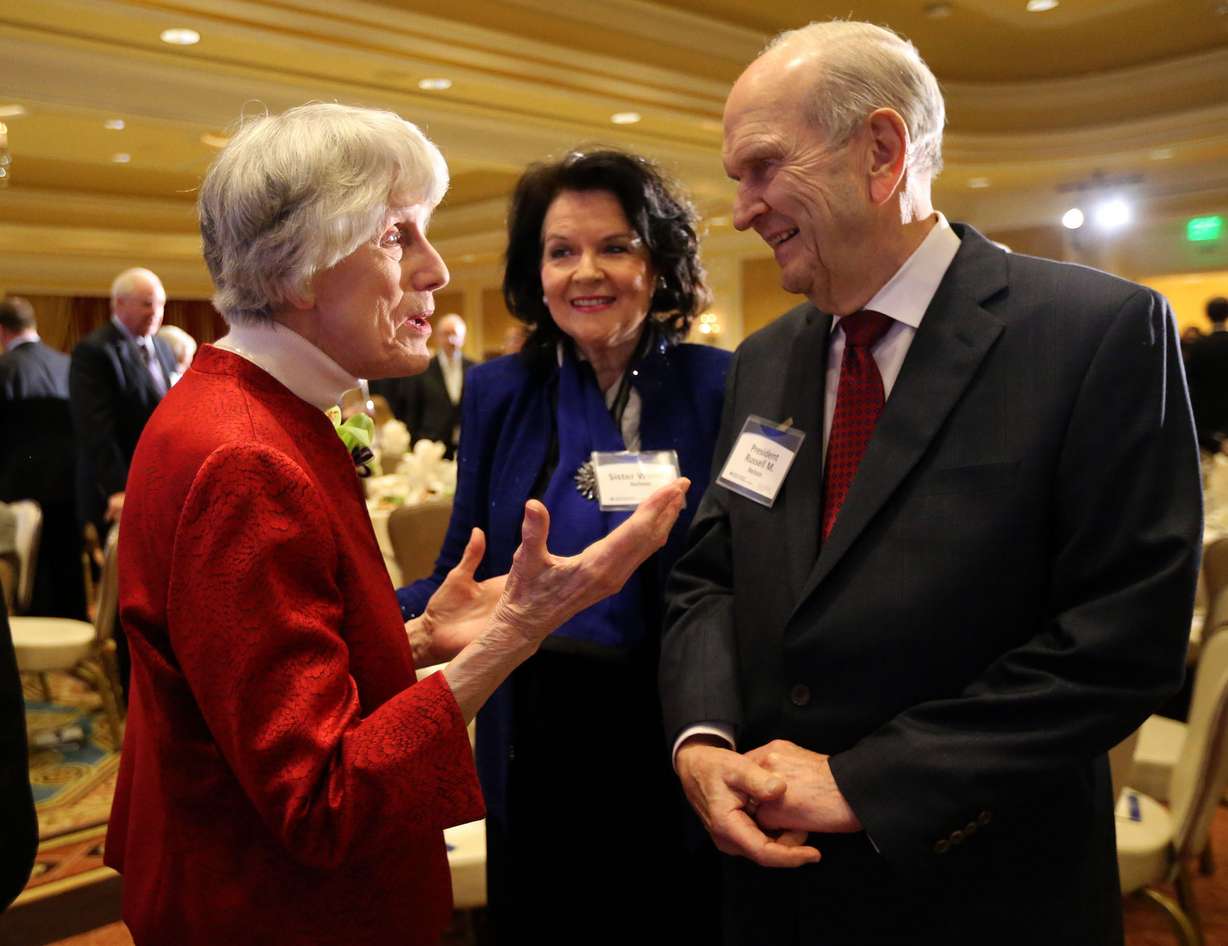
She came to the United States and worked for a time in a Philadelphia hospital, before moving to San Francisco, where she gained broad experience in different kinds of nursing at a medical center. In an interview for Deseret magazine, she said that in America she followed the advice of friends and went back to school, earning a bachelor's degree in nursing with a minor in criminology from the University of California, followed by a master's degree from the University of Washington, where she studied sociology, business and education while teaching others nursing and management leadership skills.
She married and had three children: Roger, Sally and Heather. She and her husband later divorced.
Atkinson left direct patient care for a job helping to run LDS Hospital in Salt Lake City, before she was lured away briefly by a San Diego hospital. Intermountain Health convinced her to come back and she worked her way up to vice president over mission services, where she was again able to use her talents in programs that help the needy.
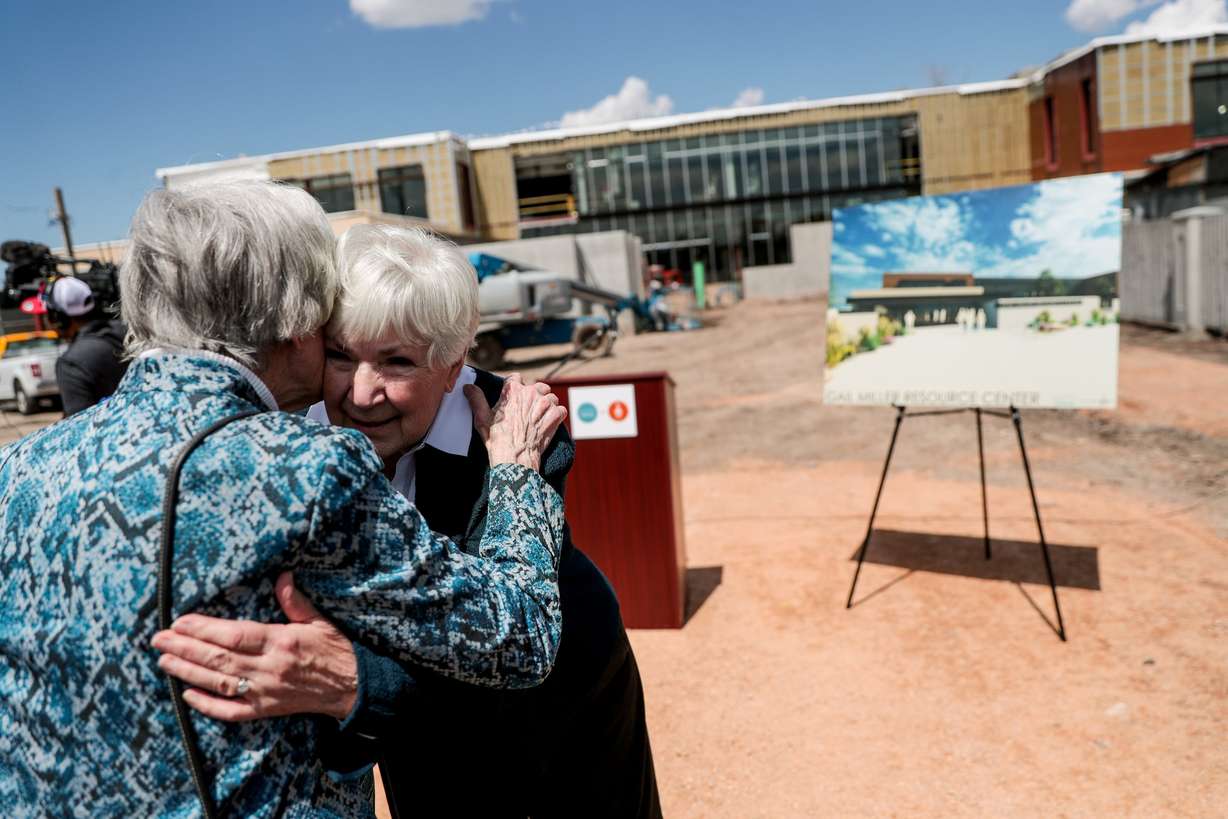
In a profile of Atkinson, Scott Anderson, president and chief executive officer of Zions Bank, described her as a "very astute counselor and business person who understands the political environment."
She has been an adviser to four of Utah's governors: Mike Leavitt, Jon Huntsman, Gary Herbert and Spencer Cox. She served on the state Homeless Coordinating Committee, Envision Utah, Utah Coalition Against Pornography, the Deseret News editorial board, the State Refugee Advisory Board and the Utah College of Applied Technology Board. When the National Center for Youth Law sued Utah over problems in the foster care system, she was welcomed by the center and the Division of Child and Family Services as the tie-breaker for the mandated oversight panel. She has been a board member in the corporate world, including for BMW Bank of North America. She called the checks she received from serving on corporate boards her "God-wants-me-to-help-others" fund, and used every penny earned for such tasks as buying someone the medicine they couldn't afford or covering rent for a struggling family.
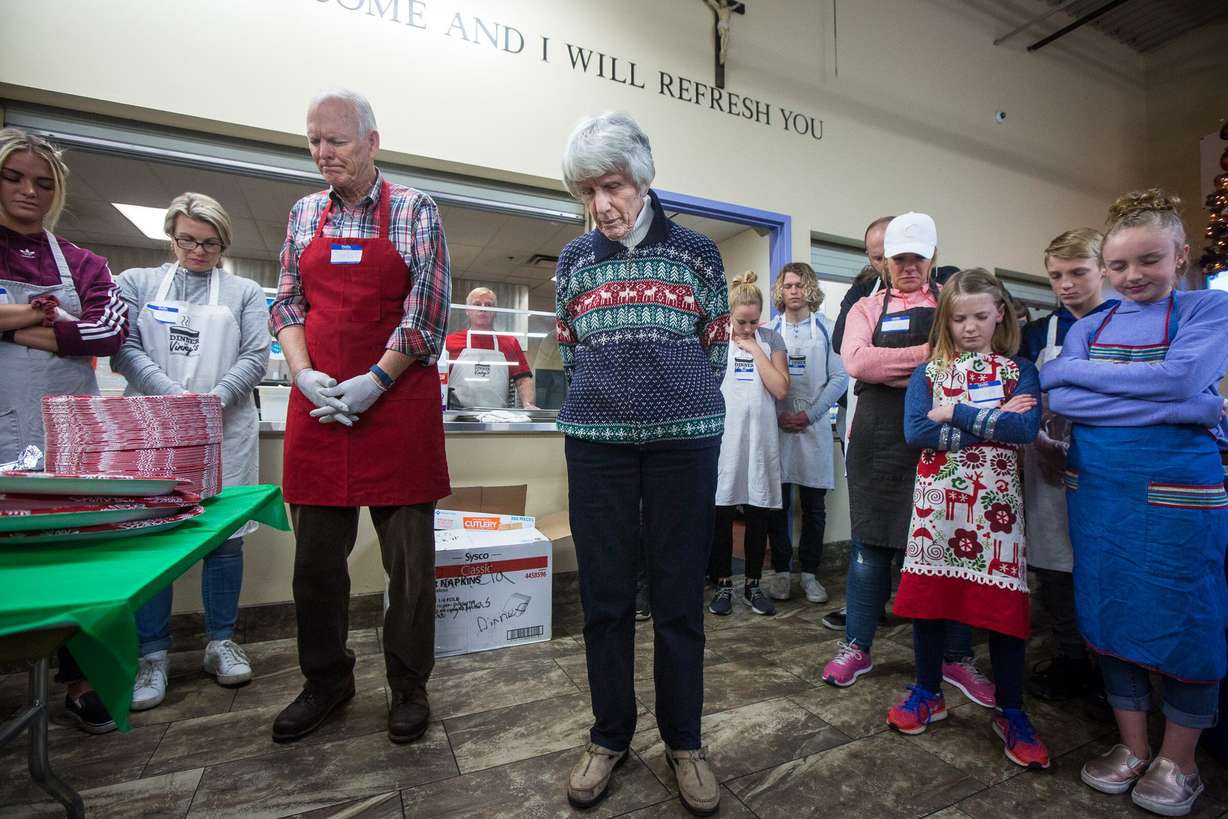
She told Deseret she always tried to be a good leader "and a good leader knows when to lead, but also when to follow. Great ideas come out of group thinking. That's when people come up with creative solutions."
Asked what her long life has taught her, Atkinson told Deseret News, "I've learned the Lord never gives up on us. I decided at age 14 I was going to get a great education and learn as much as I could in high school. I loved learning. I have a very curious mind. As I got older and became a nurse, I found that caring for people gave me great joy. Nursing also gave me great sadness, particularly when people died. But I found that doing little things for people made a huge difference."
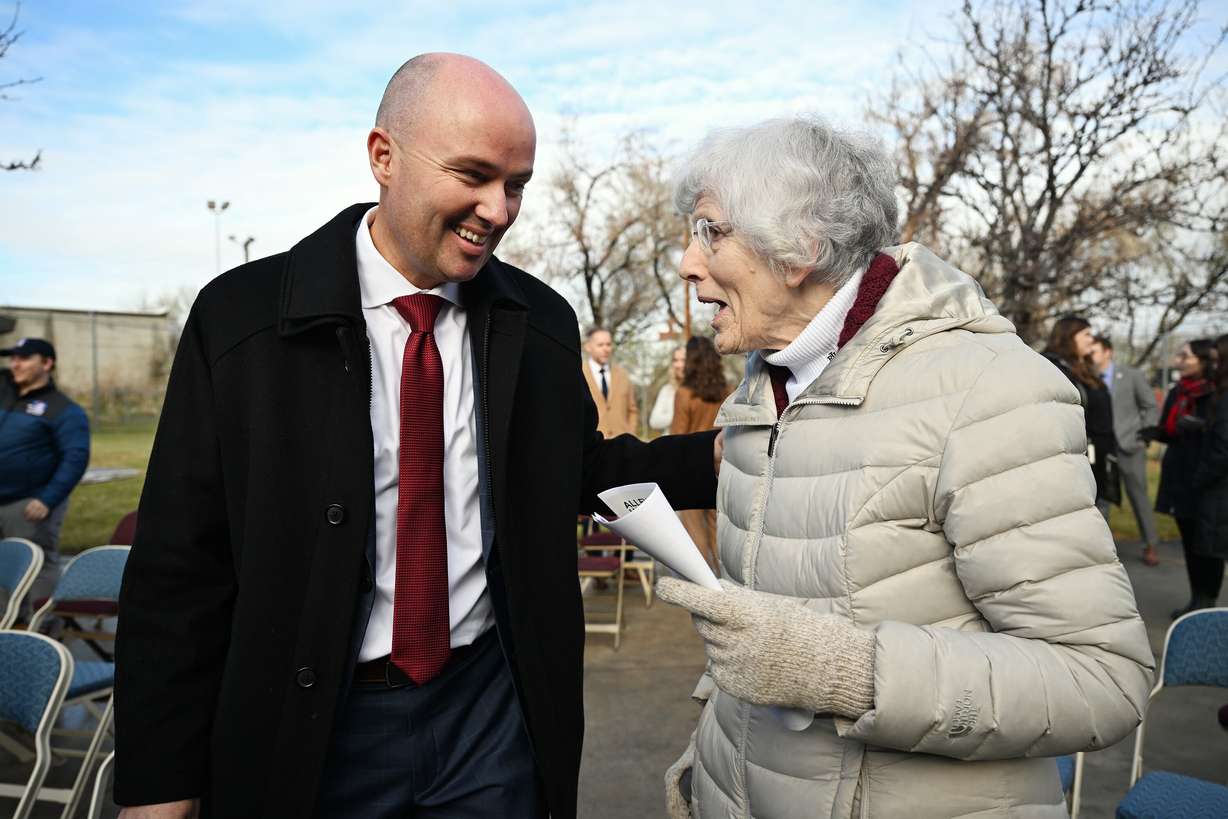
Atkinson said that when she lagged, she sometimes felt a holy nudge — "the Lord reminding me of an opportunity to do his work." Occasionally, she said, she got a "holy shove."
Besides her three children— Roger Atkinson, Sally Lambert and Heather Hooper — Atkinson had 11 grandsons, nine of whom survive her, one great-grandson and five great-granddaughters.
Funeral services will be held at First Presbyterian Church in Salt Lake City at 11 a.m. on Oct. 30.