'%3e%3cpath%20d='M34.1406%205.85938C30.3906%202.10547%2025.3047%200%2020%200C14.6953%200%209.60938%202.10547%205.85938%205.85938C2.10938%209.61328%200%2014.6953%200%2020C0%2025.3047%202.10547%2030.3906%205.85938%2034.1406C9.61328%2037.8906%2014.6953%2040%2020%2040C25.3047%2040%2030.3906%2037.8945%2034.1406%2034.1406C37.8906%2030.3906%2040%2025.3047%2040%2020C40%2014.6953%2037.8945%209.60938%2034.1406%205.85938ZM37.0117%2023.543H31.1602V13.5391H27.6328V19.9414C28.1211%2020.6914%2028.3711%2021.582%2028.3711%2022.5625V22.625C28.3711%2023.668%2028.1172%2024.6055%2027.6328%2025.4297V26.6094H36.082C33.4883%2032.9375%2027.2891%2037.3789%2020.0039%2037.3789C10.3711%2037.3789%202.62109%2029.6289%202.62109%2020C2.62109%2010.3711%2010.3711%202.62109%2020%202.62109C29.6289%202.62109%2037.3789%2010.3711%2037.3789%2020C37.3789%2021.1484%2037.2617%2022.2656%2037.0508%2023.3477C37.0391%2023.4141%2037.0234%2023.4766%2037.0117%2023.543Z'%20fill='white'/%3e%3cpath%20d='M22.3086%2018.5352C20.4336%2018.125%2019.9531%2017.8398%2019.9766%2017.1836V17.1406C19.9766%2016.6992%2020.3477%2016.2148%2021.4023%2016.2148C22.582%2016.2148%2023.8867%2016.6797%2025.0781%2017.4766L26.8516%2015.0195C25.4453%2013.8906%2023.707%2013.3398%2021.5547%2013.3398C18.5195%2013.3398%2016.4375%2015%2016.4063%2017.4766V17.5352C16.3633%2020.2617%2018.5859%2020.9805%2021.293%2021.6016C23.0391%2021.9766%2023.5703%2022.3164%2023.5703%2022.9609L23.5469%2022.9766C23.5469%2023.3906%2023.2578%2023.7031%2022.7852%2023.8359C22.5742%2023.9062%2022.1289%2023.9727%2021.5156%2023.9727C20.7617%2023.9727%2019.7539%2023.8633%2018.6328%2023.4844C18.0898%2023.2891%2017.4727%2023.0039%2016.8047%2022.6133L20.1406%2026.625C20.2813%2026.6602%2021.0977%2026.8516%2021.7734%2026.8516C25.0039%2026.8516%2027.0859%2025.2461%2027.1094%2022.6328V22.5703C27.1602%2020.1133%2025.2148%2019.1719%2022.3086%2018.5352Z'%20fill='white'/%3e%3cpath%20d='M5.24219%2013.5664V26.6133H8.75391V23.7578L10.2969%2021.9531L14.2031%2026.6133H18.3867L12.3555%2019.5195L17.4023%2013.5664H13.4531L8.75391%2019.0586V13.5664H5.24219Z'%20fill='white'/%3e%3c/g%3e%3cdefs%3e%3cclipPath%20id='clip0_97_2430'%3e%3crect%20width='40'%20height='40'%20fill='white'/%3e%3c/clipPath%3e%3c/defs%3e%3c/svg%3e)


- Three Utah advocacy groups filed an FTC complaint against the Utah Office of Energy Development over its nuclear energy ads.
- The groups argue the ads contain misleading claims about nuclear safety compared to daily items like bananas and chairs.
- The complaint seeks FTC enforcement action amid Utah's statewide push for nuclear power expansion.
SALT LAKE CITY — A trio of environmental advocacy groups on Monday filed a complaint with the Federal Trade Commission accusing the Utah Office of Energy Development of producing deceptive and misleading advertisements promoting nuclear energy.
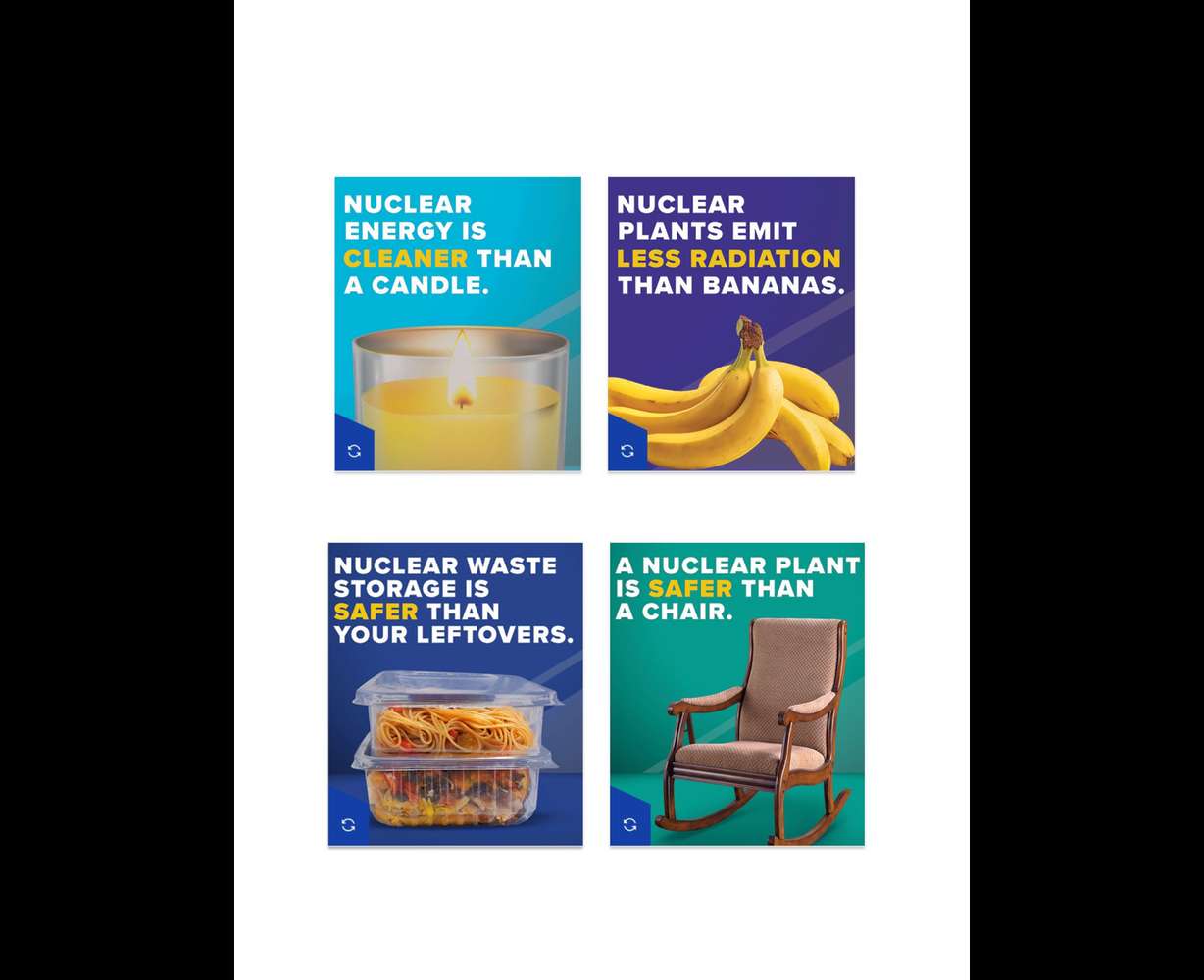
Specifically, Downwinders, Inc., Healthy Environment Alliance of Utah and Utah Physicians for a Healthy Environment are calling into question claims that nuclear power plants emit less radiation than eating a banana, that nuclear energy is safer than a candle, and that nuclear power is less risky than eating leftovers or sitting in a chair.
Downwinders volunteer Steve Erickson described the aforementioned claims — which appeared online, on billboards and in newspapers — as "state-sponsored propaganda."
"This campaign has been one of industry propaganda, and it is not benefiting the Utah public, which, by the way, is paying for this campaign through our tax dollars," Erickson said. "We think that there's time for a course correction."
Erickson said the groups are hopeful the FTC will seek enforcement action by issuing the office a cease-and-desist order requiring the removal of the advertisements.
"This is our effort to push back against misinformation that is pro-nuclear and designed to convince the public to support what is a mad rush recklessly towards building nuclear power across the state," Erickson said.
The filing of the complaint comes amid a strong push toward nuclear power by some of the state's top leaders, including Gov. Spencer Cox, who has routinely touted nuclear energy as part of his "Operation Gigawatt" initiative.
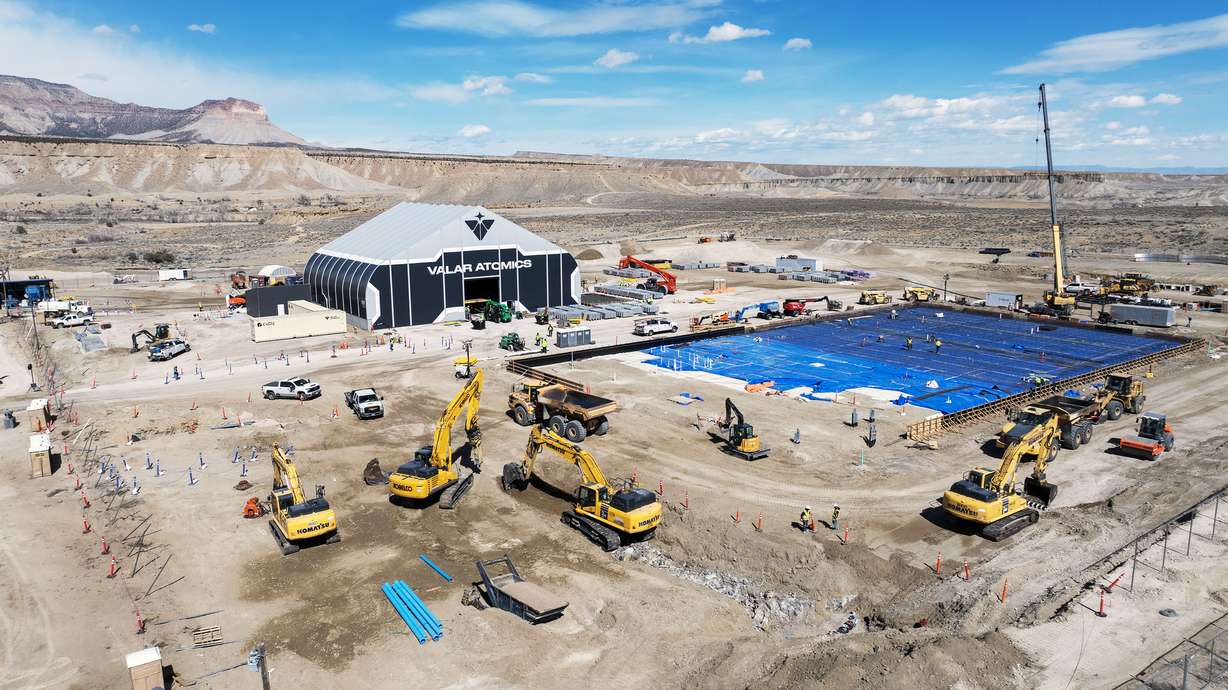
In June, Valar Atomics' small modular reactor in Orangeville, Emery County, reached zero-power fueled criticality, an important step toward full functionality, marking the first time a Department of Energy-authorized reactor has been built outside of a national laboratory.
Meanwhile, Hi Tech Solutions and Holtec International last November announced plans for a "nuclear energy ecosystem" to be developed in and around Brigham City. Per the plan, four to 10 small modular reactors tapping nuclear technology would be built around the city.
Brian Moench, president of Utah Physicians for a Health Environment, said the claims made in the advertising campaign are misleading, calling it "an insult" to science, empirical evidence and logic.
"Every phase of the nuclear fuel cycle exposes the public to more radiation. The science has been very clear for decades — there is no safe level of radiation exposure," Moench said. "Studies done throughout the world show that people who live within a few miles of nuclear power plants have higher rates of virtually every kind of cancer, including and especially children's cancer."
Utahn and downwinder activist Mary Dickson said she felt offended after first seeing one of the billboards while driving to Idaho.
"I wanted to scream," Dickson, a thyroid cancer survivor, said. "They're outright misleading. To compare nuclear energy and nuclear waste to things like candles, chairs and leftovers in your refrigerator is so utterly offensive to me as someone who has suffered these offenses."
The FTC regulates advertising and may prohibit unfair or deceptive acts or practices in or affecting commerce.
Specifically, the complaint asks the FTC to determine whether enforcement action is appropriate, "including cease-and-desist orders, required corrective disclosures, and any other remedies necessary to protect Utah residents and consumers," said a release from the advocacy groups filing the complaint.
The Utah Office of Energy Development didn't respond to a request for comment from KSL.