Estimated read time: 3-4 minutes
- Marco Rubio emphasized the role of faith in his work at the 2026 Federalist Society's convention.
- He highlighted Christianity's influence on U.S. systems and the belief in inherent rights from God.
- There is speculation about a potential 2028 presidential bid from Rubio.
SALT LAKE CITY — Secretary of State Marco Rubio addressed how his faith played a role in his past work as an attorney and how he believes Christianity is embedded in U.S. systems.
Rubio delivered the keynote address last Friday at the Federalist Society's 2026 National Lawyers Convention, where he was asked by an attendee how his religion informs his work.
"Attorney is what you do," he said. "Your faith is who you are."
Rubio went on to detail how Christianity teaches people that their job is to care for the less fortunate, to feed the hungry, clothe the naked and "visit the prisoner."
Visiting the prisoner is something a defense attorney would do often, Rubio argued, but it's also a belief that's embedded in U.S. society and systems.
"I also think embedded in our system of government and our system of laws is very powerful Judeo-Christian principles about the dignity of the human being and of the individual, which our legal system ultimately recognizes," he said.
The criminal justice system is built on the idea that no matter if you believe someone is guilty, the system is designed so every person has a "vigorous defense" and will be innocent until the other side can prove it.
Rubio argued that Americans take that construct for granted, because in other countries, people are presumed guilty.
"In our system of law, you're presumed innocent, even though everybody knows you did it, right?" Rubio said. "But that isn't because we're nice people. It's because embedded in our Judeo-Christian values is the belief that the individual and the freedom of that individual is something that's sacred because it's given to us by our Creator."
The secretary and former senator went on to say that the nation's founding documents speak to the fact that an American's rights "don't come from the government."
Rubio: Rights come from God
Rights do not change with different presidential elections or who leads at various levels of government, he argued.
"Our rights don't come from the law. Our rights are not determined by whoever happens to be leading every two, four or six years ... our rights come from our Creator, they are inherent in us as a person," he said.
Rubio finished by saying that Christianity teaches people to not only care for the less fortunate but also to value human dignity for all "irrespective of the circumstances they come from."
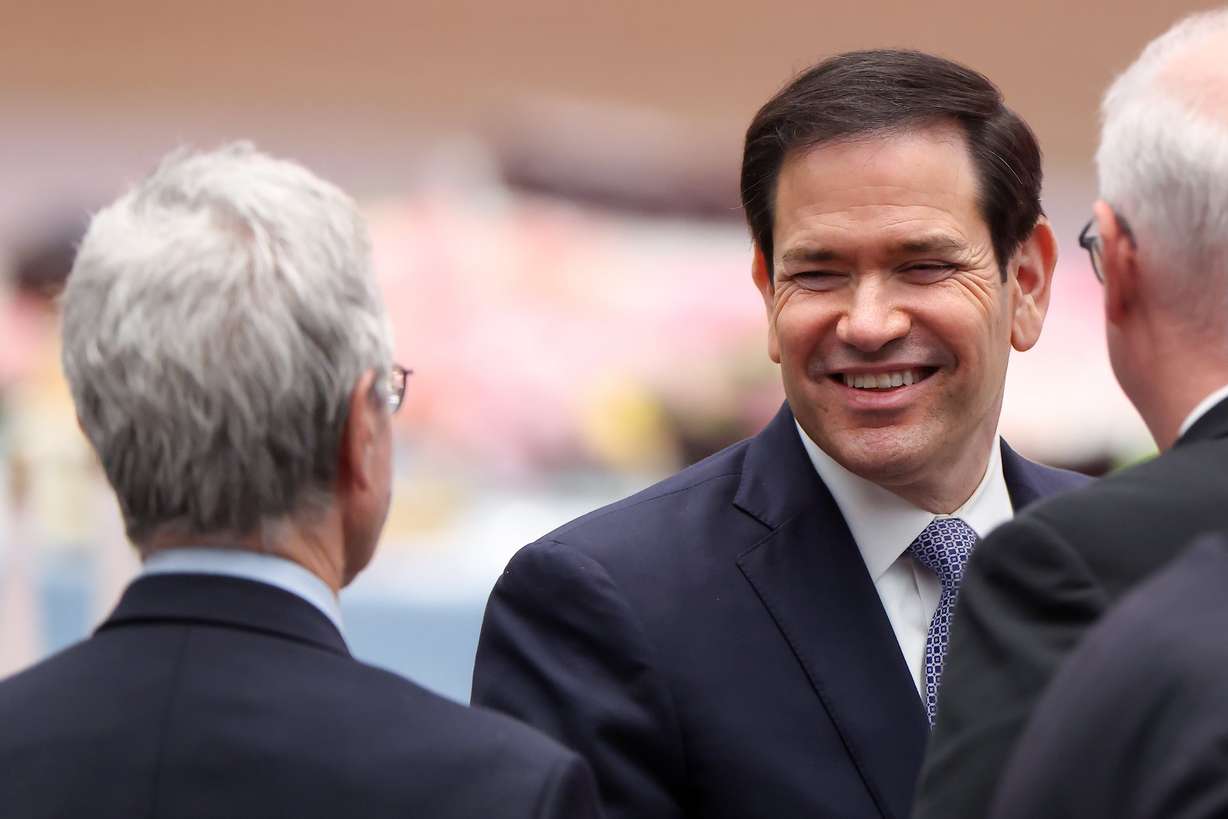
Rubio has always been vocal about his faith. From ages 8 to 11, he and his family lived in Las Vegas, where they attended meetings with The Church of Jesus Christ of Latter-day Saints, but he later received his first Communion as a Catholic and was confirmed.
In his 2012 book, Rubio describes spending three years as a Latter-day Saint and was baptized for the second time after being first baptized Catholic. He described upholding the teachings during those years more than his parents.
Although his religious affiliation has changed several times, Rubio is now active in the Catholic Church. He wrote about a spiritual journey where he "craved" Holy Communion and wanted to dive deeper into his Roman Catholic roots.
During his time in the Senate, Rubio introduced several bills related to religious organizations and religious freedom. He also was the co-chair of the International Religious Freedom Summit in 2022.
Rubio's remarks were edited and reshared on his official Instagram account as well as the official State Department account.
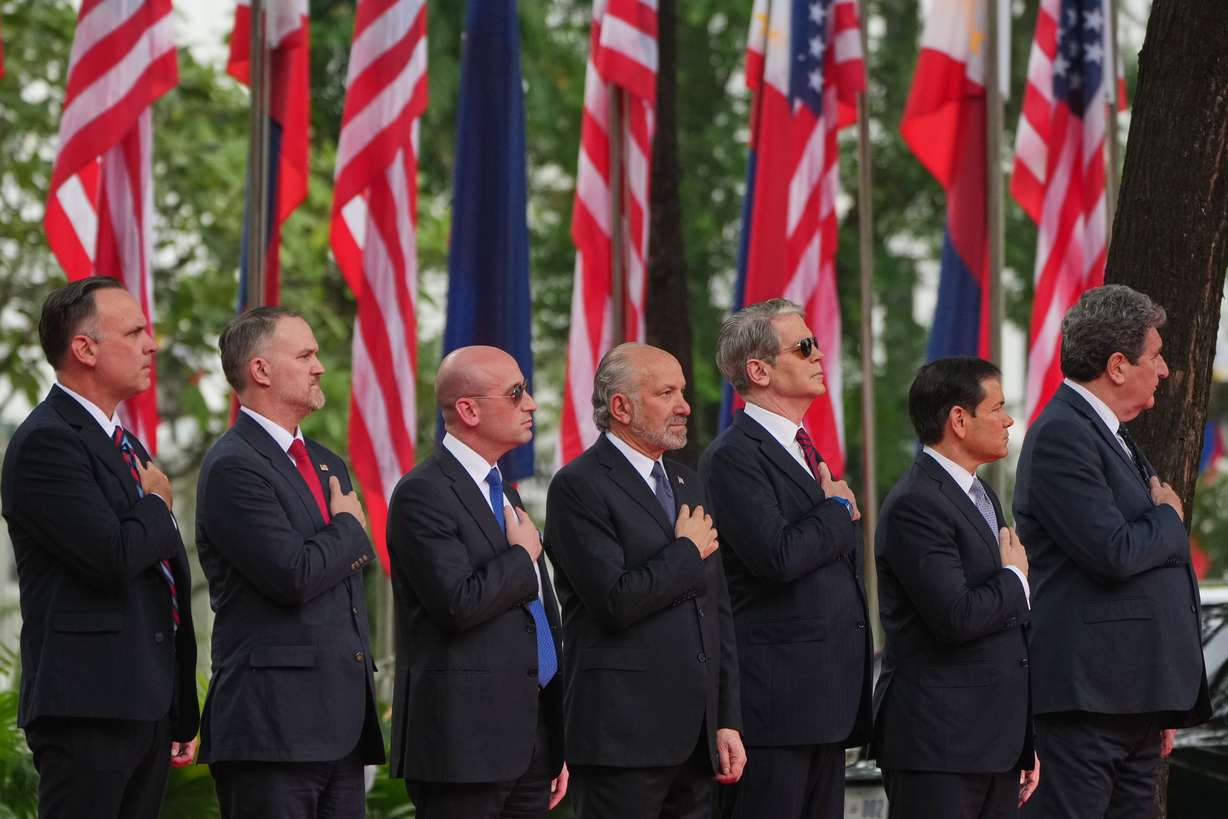
This comes as rumors swirl about whether Rubio would make another presidential bid after challenging President Donald Trump in 2024 but later dropping out.
He and Vice President JD Vance are, for now, considered the president's "heirs" to the Republican Party, but the two of them are in difficult and interesting positions ahead of 2028, where they must outwardly project confidence in the administration but may also need to break from Trump in order to build a campaign.