'%3e%3cpath%20d='M34.1406%205.85938C30.3906%202.10547%2025.3047%200%2020%200C14.6953%200%209.60938%202.10547%205.85938%205.85938C2.10938%209.61328%200%2014.6953%200%2020C0%2025.3047%202.10547%2030.3906%205.85938%2034.1406C9.61328%2037.8906%2014.6953%2040%2020%2040C25.3047%2040%2030.3906%2037.8945%2034.1406%2034.1406C37.8906%2030.3906%2040%2025.3047%2040%2020C40%2014.6953%2037.8945%209.60938%2034.1406%205.85938ZM37.0117%2023.543H31.1602V13.5391H27.6328V19.9414C28.1211%2020.6914%2028.3711%2021.582%2028.3711%2022.5625V22.625C28.3711%2023.668%2028.1172%2024.6055%2027.6328%2025.4297V26.6094H36.082C33.4883%2032.9375%2027.2891%2037.3789%2020.0039%2037.3789C10.3711%2037.3789%202.62109%2029.6289%202.62109%2020C2.62109%2010.3711%2010.3711%202.62109%2020%202.62109C29.6289%202.62109%2037.3789%2010.3711%2037.3789%2020C37.3789%2021.1484%2037.2617%2022.2656%2037.0508%2023.3477C37.0391%2023.4141%2037.0234%2023.4766%2037.0117%2023.543Z'%20fill='white'/%3e%3cpath%20d='M22.3086%2018.5352C20.4336%2018.125%2019.9531%2017.8398%2019.9766%2017.1836V17.1406C19.9766%2016.6992%2020.3477%2016.2148%2021.4023%2016.2148C22.582%2016.2148%2023.8867%2016.6797%2025.0781%2017.4766L26.8516%2015.0195C25.4453%2013.8906%2023.707%2013.3398%2021.5547%2013.3398C18.5195%2013.3398%2016.4375%2015%2016.4063%2017.4766V17.5352C16.3633%2020.2617%2018.5859%2020.9805%2021.293%2021.6016C23.0391%2021.9766%2023.5703%2022.3164%2023.5703%2022.9609L23.5469%2022.9766C23.5469%2023.3906%2023.2578%2023.7031%2022.7852%2023.8359C22.5742%2023.9062%2022.1289%2023.9727%2021.5156%2023.9727C20.7617%2023.9727%2019.7539%2023.8633%2018.6328%2023.4844C18.0898%2023.2891%2017.4727%2023.0039%2016.8047%2022.6133L20.1406%2026.625C20.2813%2026.6602%2021.0977%2026.8516%2021.7734%2026.8516C25.0039%2026.8516%2027.0859%2025.2461%2027.1094%2022.6328V22.5703C27.1602%2020.1133%2025.2148%2019.1719%2022.3086%2018.5352Z'%20fill='white'/%3e%3cpath%20d='M5.24219%2013.5664V26.6133H8.75391V23.7578L10.2969%2021.9531L14.2031%2026.6133H18.3867L12.3555%2019.5195L17.4023%2013.5664H13.4531L8.75391%2019.0586V13.5664H5.24219Z'%20fill='white'/%3e%3c/g%3e%3cdefs%3e%3cclipPath%20id='clip0_97_2430'%3e%3crect%20width='40'%20height='40'%20fill='white'/%3e%3c/clipPath%3e%3c/defs%3e%3c/svg%3e)


- The 2026 World Cup is expected to surpass the Olympics in global viewership.
- Steve Starks calls the World Cup the largest sporting event, engaging 70% globally.
- Fraser Bullock argues the Olympics have a broader reach, impacting more countries.
SALT LAKE CITY — Fans around the world are expected to tune in for the 2026 World Cup football matches that begin this week and continue for more than a month in Canada, Mexico and the United States, where the sport is known as soccer.
The sprawling tournament, held every four years by the international sports federation known as FIFA, is often described as the sporting world's premier event given soccer's dominance in most countries outside the U.S.
So is the World Cup bigger than the Olympics?
Both generate billions of television viewers as well as billions in revenues, according to past comparisons with the four-year cycle that includes a Summer and a Winter Games. But this year's World Cup is expected to eclipse those popularity measures.
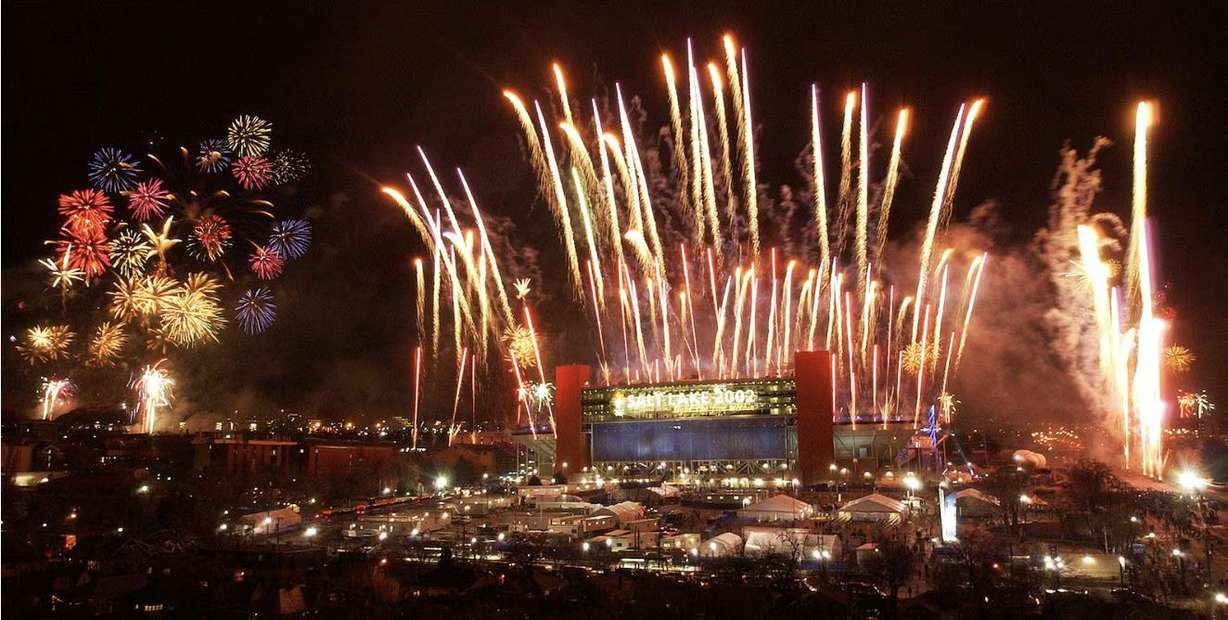
While that might make the answer to the question that seems to come up during every World Cup pretty obvious, it may be a little more nuanced in Utah, a state that hosted the 2002 Winter Games and is set to do it again in 2034.
"I think it's a fun question. It's fun for people to debate. It's probably impossible to get to an exact answer," said Steve Starks, CEO of the Larry H. Miller Company that holds a controlling interest in Utah's Major League Soccer team, Real Salt Lake.
'The largest sporting event in the world'
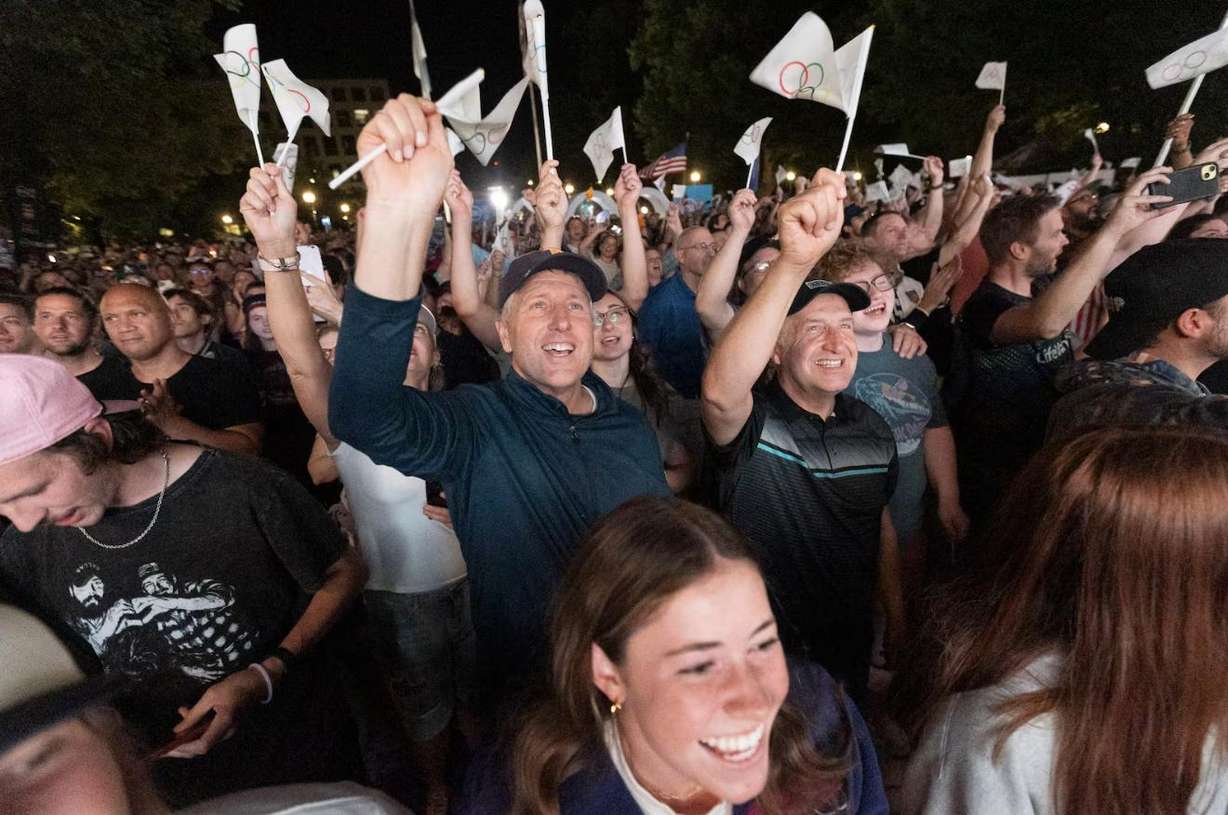
Starks, who also serves as the vice chair of Utah's Organizing Committee for the 2034 Olympic and Paralympic Winter Games, said more people around the world will be following the World Cup action, whether via broadcasts, streaming platforms or social media.
"If you look at total reach and magnitude, there's no question the World Cup is the largest sporting event in the world. When you think over 70% of the globe will engage," he said. "It's six billion people that will watch in some form or fashion World Cup matches."
Soccer is the world's most popular sport, Starks said.
"People are passionate about it. It unites cultures and nations because you simply need a flat surface and a ball and two goals," he said, allowing the sport to be played just about anywhere. "Every country has their team."
The Olympics, though, have their own spirit, Starks said.
"It's not focused on a single sport. In fact, a lot of times people are cheering for sports every two years that they otherwise don't watch at all. They don't even know who their favorite athlete in that sport is," he said, but still get behind their country's team.
"It's a different type of unifying influence that's really special. It's hard to compare the two. Fortunately, Utah has the opportunity to have a shared history with the Olympics," Starks said. "Now we have the opportunity to bring more focus on soccer."
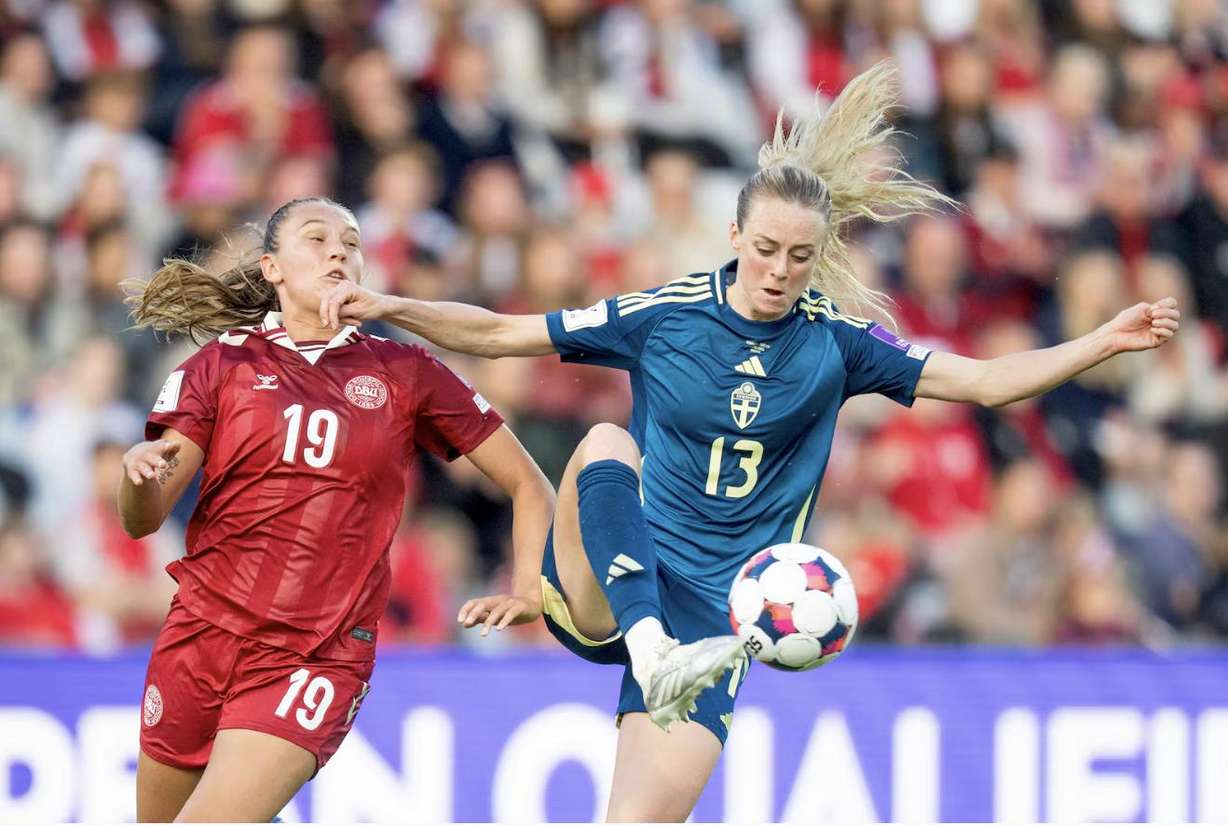
Utahns should be proud, he said, that the state not only supports athletes who train and compete at the same Olympic facilities from 2002 that are set to be used again in 2034, but also top-level competitors in professional team sports like soccer.
Three Real Salt Lake players received call-ups to their national World Cup teams: Juanma Sanabria, to play for Uruguay; Morgan Guilavogui, to Guinea; and Kobi Henry, to Trinidad and Tobago.
"Utah is in the big leagues when it comes to major sporting events," Starks said.
So much so that he believes Utah will someday be the site of World Cup matches. Salt Lake City ultimately was dropped from the successful U.S. bid with Canada and Mexico for this year's World Cup because the University of Utah's Rice-Eccles Stadium was deemed too small.
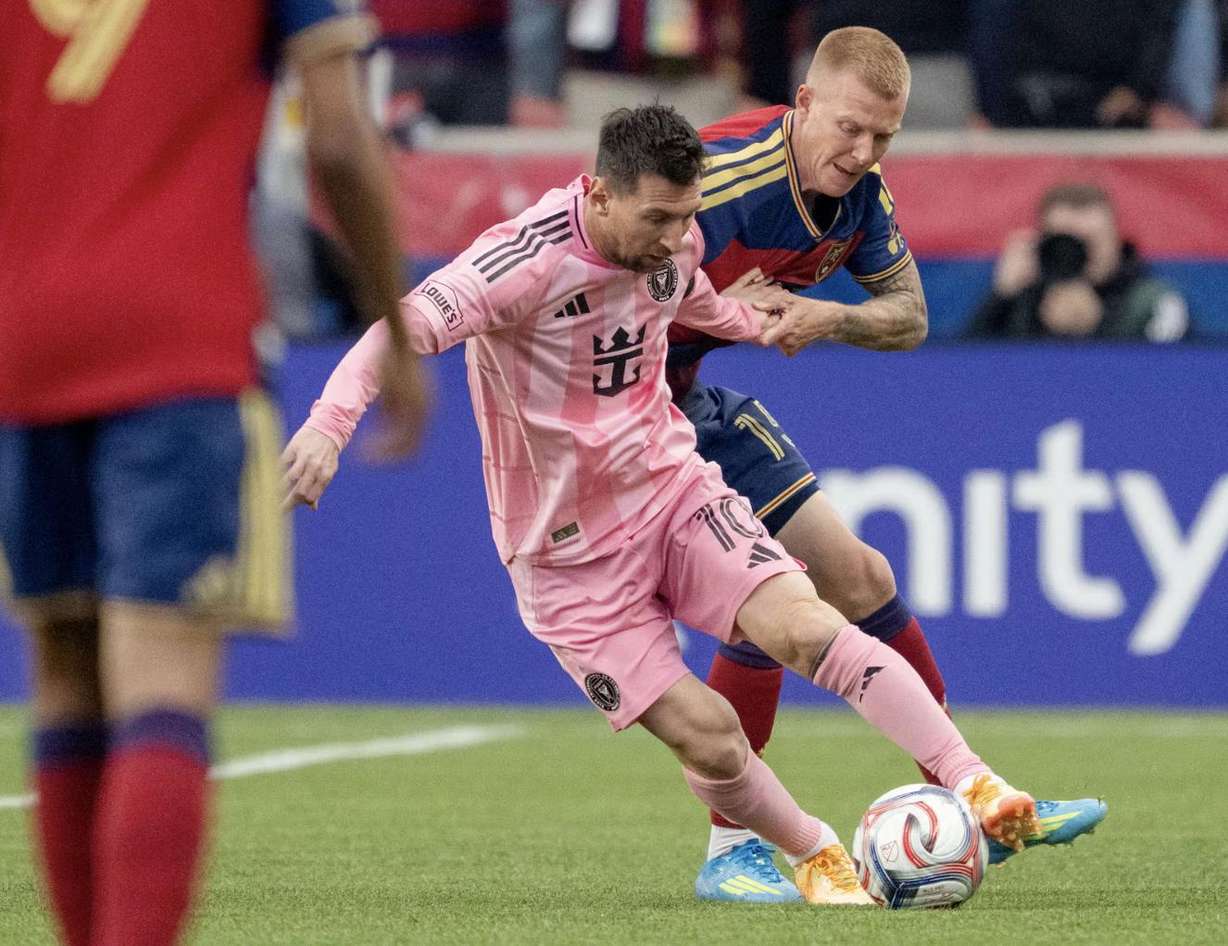
Starks said Real Salt Lake had 100,000 requests for tickets to see Lionel Messi and Inter Miami play at America First Field in Sandy in April, nearly five times the normal seating capacity. The team ended up adding 800 temporary seats.
Now, with World Cup matches in 11 cities across the United States filling stands with fans from around the world, he predicted "this will be a historic summer in America for soccer. I would not discount at all how big this is going to be."
Where the Olympics have more impact
For Fraser Bullock, the 2034 Winter Games organizing committee's president and executive chair, the Olympics may have an edge over the World Cup.
"Certainly, in the United States, the Olympics are more impactful," Bullock said.
As for impact on a global scale, he said the World Cup and the Olympics are both "spectacular platforms for athletes to inspire us and show us what's possible" but also have some big differences.
Take the geographic footprint. A record 48 countries are participating in this year's World Cup. But this year's Winter Games in Italy welcomed athletes from 93 countries. At the 2028 Summer Games in Los Angeles, that number will likely more than double.
And, of course, there are more sports — and more athletes — in the Olympics.
While just over 1,200 of the world's best soccer players are competing for the iconic FIFA trophy this year, nearly 10 times as many athletes are expected at the Los Angeles Olympics in 2028, where a record 353 medal events will be held.
"The broader reach allows the Olympics to bring more of the world together," Bullock said, adding that although the passion for soccer and its stars runs deep, "the Olympics are more global, more encompassing."
No lasting impact?
University of Utah political science professor Matthew Burbank, the author of two books on the Olympics, said he expects this year's World Cup to increase soccer's popularity in the United States only marginally.
"It's unlikely to dethrone the NFL as the most attention-grabbing sport for most Americans," Burbank said, referring to U.S. football. "On the other hand, it makes it clear to people who don't follow (soccer) just how many people do."
He said the only reason the World Cup gets compared to the Olympics is that "they're two very large-scale events that just generate a huge amount of hype. There's just a huge amount of media attention to both of them."
Hosting a World Cup, Burbank said is "a very different undertaking" than an Olympics, requiring multiple venues that not only can accommodate a soccer field but also 80,000 to 100,000 spectators, and often spread across a country, or, as in this year's tournament, a continent.
In the end, he said, neither the World Cup nor the Olympics leaves much of a mark.
"I don't think in all reality that these events really do have a kind of big, lasting impact for the most part in terms of thinking about bringing people together or making things more peaceful. Maybe for a day or something, but that's about it," Burbank said. "It doesn't last.