

- Utah considers a bill for digital license plates, led by Sen. Karen Kwan.
- Digital plates offer features like theft alerts and other security features.
- Purchase costs and potential electronic vulnerabilities are concerns that have been brought up.
SALT LAKE CITY — Utah has dabbled in digital driver's licenses in recent years along with other digital equipment, but license plates could be the next on the digital frontier.
Utah is exploring, at least conceptually, the idea of allowing digital license plates. It's part of a bill that Utah Senate Minority Whip Karen Kwan, D-Murray, is currently working on for the 2027 legislative session.
Digital license plates are essentially electronic displays that provide all the information that a regular plate does. They use Bluetooth and LTE connectivity to display a driver's plate, which can be updated with registration information.
"There's nothing stored on the license plates. There's no information about the consumer," she said.
They also have features like turning black when someone tries to pry it off a vehicle or fiddle with it in any way, Kwan noted. If a vehicle is stolen, the plate can also display a message conveying that.
The California-based company Reviver is the only manufacturer at the moment, selling its plates for $899 or leasing them for $39.95 per month.
Thousands of drivers in California and Arizona have purchased them for their vehicles since the states allowed them in recent years, while Texas has permitted them for commercial fleet vehicles. Michigan briefly allowed them, until a contract issue emerged in 2024.
Utah is now considering it.
Kwan has yet to complete a draft of her proposed bill, but Sen. Wayne Harper, R‑Taylorsville, co-chair of the Transportation Interim Committee, had her present it to the committee on Wednesday so members can consider the pros and cons of the concept before next year's session begins in January.
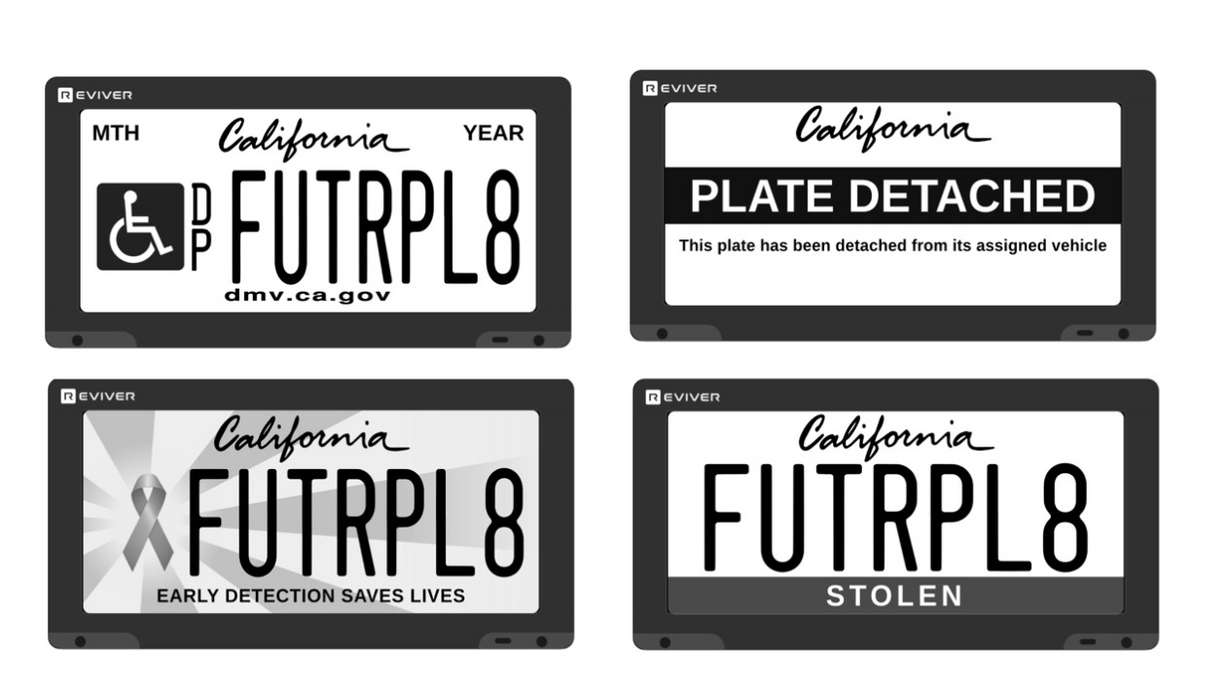
The bill would allow any manufacturer to sell or lease plates to Utah drivers, who would pay the state its normal license plate fees and registration costs.
All digital plates would have to meet the existing readability and visibility standards for the plates Utah issues, while ensuring all review standards are kept. Reviver allows customers to write their own slogan message underneath a license plate number — a feature Kwan calls "the vanity of all vanity plates" — would be turned off out of concern.
It would require that Utah and companies follow data privacy requirements, such as not allowing GPS for people to track the vehicle and that information can't be sold to third-party vendors.
"We will require the provider to delete data when it's no longer necessary," Kwan said.
Utah's Department of Motor Vehicles would be allowed to recover administration costs from businesses, which wouldn't be passed on to the consumer. That policy is consistent with other states, she added.
At least five other states are also exploring the idea, including Colorado and Nevada, CarBuzz reported in June.
The outlet pointed out that the plates are made of durable materials, while Reviver notes that each digital plate has a replaceable battery that lasts approximately four years.
Beyond customization and security, these features have helped grow the plates' popularity.
However, CarBuzz points out drawbacks, including cost and potential electronic vulnerabilities like cybersecurity and privacy concerns, that Kwan said she wants her bill to address.
Those arguments will likely be weighed when the bill is crafted and presented to state lawmakers. The next legislative session will begin on Jan. 19, 2027.