Estimated read time: 4-5 minutes
- Utah officials are preparing 2.2 million pounds of seed for wildfire restoration.
- The effort targets 19 major wildfires including the Cottonwood Fire and the Widemouth 2 Fire.
- Restoration aims to stabilize soil, improve watersheds, and restore wildlife habitats in Utah.
EPHRAIM, Sanpete County — Workers at a local warehouse are cutting open large bags of seed, emptying them into a mixer and then preparing custom blends that will eventually be spread across landscapes throughout Utah.
It's a process that might seem simple, but every little seed has a big purpose.
Especially after the summer Utah just had.
"We did have a big wildfire year," said Kevin Gunnell, manager and habitat coordinator at the Great Basin Research Center and Seed Warehouse in Ephraim.
Nearly 600,000 acres burned across Utah this past summer, leaving large areas of land blackened and damaged. Now comes the work of bringing much of that land back.
"There were a lot of big fires and a lot of ground impacted," said Gunnell. "In fact, it's going to be a record year for us."
The warehouse, which operates under the Utah Department of Natural Resources and Division of Wildlife Resources, is preparing approximately 2.2 million pounds of seed for restoration projects across the state this year.
According to Gunnell, that's a record for the facility, which has never before reached the 2-million-pound mark.
Of that total, roughly 1.6 million pounds have been requested specifically for wildfire rehabilitation.
Gunnell said crews are working on restoration efforts associated with 19 major wildfires, including the Cottonwood Fire near Beaver, the Widemouth 2 Fire near Fillmore and the Babylon Fire in southeastern Utah.
Each project presents its own challenges.
"We don't do any standard mixes for a project. We do try to customize every mix to the needs of the landscape," said Gunnell.
That means the types of grasses and other vegetation included in each mixture depend on the conditions and restoration goals of the area where the seeds will eventually be planted.
The warehouse obtains its seed from private commercial vendors before workers prepare the mixtures for distribution to restoration projects throughout Utah.
Long-lasting damage to the land
While the flames from this past summer's wildfires are out, the damage caused by wildfires can continue long afterward.
Without sufficient vegetation, burned landscapes can become more vulnerable to erosion and flooding when heavy rain moves across exposed soil.
Utah has already seen examples of that danger, including flooding in the Beaver area following the Cottonwood Fire.
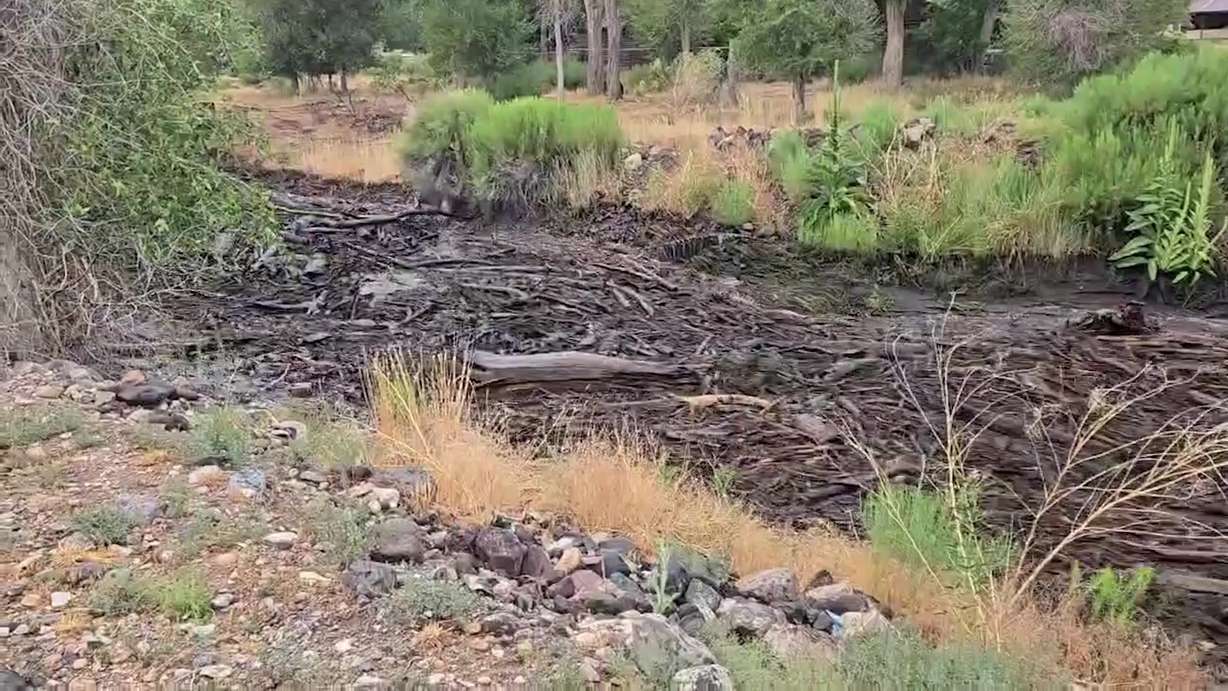
"Flooding is always going to be a component of that. We're not going to stop that immediately," said Gunnell.
However, getting vegetation established again can eventually help stabilize the soil, improve watershed conditions, and restore important wildlife habitat.
"We're trying to get stuff on the ground as quickly as we can," said Melissa Landeen, a conservation biologist who works in watershed restoration. "We want to get restoration started as soon as possible, but we know that in a lot of cases, we're not going to see the results of those for years down the line."
The Great Basin Research Center and Seed Warehouse is also unusual in its size and mission.
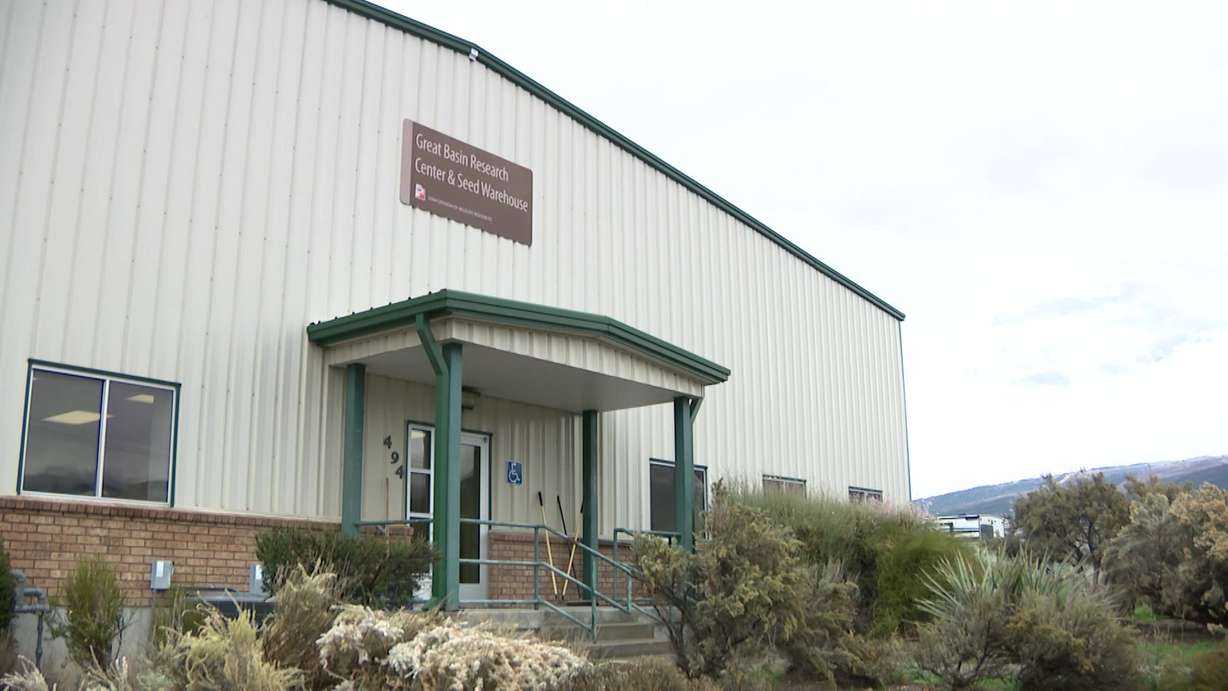
Gunnell said the Bureau of Land Management operates another major government seed warehouse serving much of the western United States, but Utah's facility is among the few state-run operations of its kind.
"We are really unique," he said.
The work also extends beyond responding to wildfires.
The warehouse provides seed for proactive restoration projects designed to improve landscapes before major disturbances occur, including efforts to address invasive species and other threats to habitat.
Gunnell said wildfires, despite their destruction, can sometimes provide an opportunity to improve long-term landscape conditions.
"As tragic as wildfire is, they're also an opportunity," he said, explaining that restoration can help put damaged landscapes on a more sustainable path.
For Gunnell, the results of that work are visible during everyday drives across Utah.
He joked that he annoys his children by pointing out places where he has helped with restoration projects over the years.
It's a reminder that the work happening inside the Ephraim warehouse eventually reaches far beyond its walls.
"There is a lot of work that goes into it, and we're just one small part of that," said Gunnell.
For now, the work continues.
More bags will be opened, more seed will be poured, and more mixtures will be prepared for landscapes that need help recovering.
The results won't happen overnight.
Some of those burned hillsides could take years to regain healthy vegetation.
But Landeen believes the effort is worth the wait.
"We're hoping that we can be literally planting these seeds that will be giving dividends for years and years to come," she said.
After a summer when wildfires changed so much of Utah's landscape, it's a reminder that sometimes the biggest comebacks start with the smallest things.