'%3e%3cpath%20d='M34.1406%205.85938C30.3906%202.10547%2025.3047%200%2020%200C14.6953%200%209.60938%202.10547%205.85938%205.85938C2.10938%209.61328%200%2014.6953%200%2020C0%2025.3047%202.10547%2030.3906%205.85938%2034.1406C9.61328%2037.8906%2014.6953%2040%2020%2040C25.3047%2040%2030.3906%2037.8945%2034.1406%2034.1406C37.8906%2030.3906%2040%2025.3047%2040%2020C40%2014.6953%2037.8945%209.60938%2034.1406%205.85938ZM37.0117%2023.543H31.1602V13.5391H27.6328V19.9414C28.1211%2020.6914%2028.3711%2021.582%2028.3711%2022.5625V22.625C28.3711%2023.668%2028.1172%2024.6055%2027.6328%2025.4297V26.6094H36.082C33.4883%2032.9375%2027.2891%2037.3789%2020.0039%2037.3789C10.3711%2037.3789%202.62109%2029.6289%202.62109%2020C2.62109%2010.3711%2010.3711%202.62109%2020%202.62109C29.6289%202.62109%2037.3789%2010.3711%2037.3789%2020C37.3789%2021.1484%2037.2617%2022.2656%2037.0508%2023.3477C37.0391%2023.4141%2037.0234%2023.4766%2037.0117%2023.543Z'%20fill='white'/%3e%3cpath%20d='M22.3086%2018.5352C20.4336%2018.125%2019.9531%2017.8398%2019.9766%2017.1836V17.1406C19.9766%2016.6992%2020.3477%2016.2148%2021.4023%2016.2148C22.582%2016.2148%2023.8867%2016.6797%2025.0781%2017.4766L26.8516%2015.0195C25.4453%2013.8906%2023.707%2013.3398%2021.5547%2013.3398C18.5195%2013.3398%2016.4375%2015%2016.4063%2017.4766V17.5352C16.3633%2020.2617%2018.5859%2020.9805%2021.293%2021.6016C23.0391%2021.9766%2023.5703%2022.3164%2023.5703%2022.9609L23.5469%2022.9766C23.5469%2023.3906%2023.2578%2023.7031%2022.7852%2023.8359C22.5742%2023.9062%2022.1289%2023.9727%2021.5156%2023.9727C20.7617%2023.9727%2019.7539%2023.8633%2018.6328%2023.4844C18.0898%2023.2891%2017.4727%2023.0039%2016.8047%2022.6133L20.1406%2026.625C20.2813%2026.6602%2021.0977%2026.8516%2021.7734%2026.8516C25.0039%2026.8516%2027.0859%2025.2461%2027.1094%2022.6328V22.5703C27.1602%2020.1133%2025.2148%2019.1719%2022.3086%2018.5352Z'%20fill='white'/%3e%3cpath%20d='M5.24219%2013.5664V26.6133H8.75391V23.7578L10.2969%2021.9531L14.2031%2026.6133H18.3867L12.3555%2019.5195L17.4023%2013.5664H13.4531L8.75391%2019.0586V13.5664H5.24219Z'%20fill='white'/%3e%3c/g%3e%3cdefs%3e%3cclipPath%20id='clip0_97_2430'%3e%3crect%20width='40'%20height='40'%20fill='white'/%3e%3c/clipPath%3e%3c/defs%3e%3c/svg%3e)




- Runners and bikers are circling the Great Salt Lake's former shoreline over five days, totaling 260 miles.
- Led by Dakota Jones, the event raises funds for Great Salt Lake conservation.
- Jones emphasizes collective action, highlighting the lake's environmental and economic challenges.
SALT LAKE CITY — Runners and cyclists from in and around Salt Lake City are circling the Great Salt Lake over the course of five days — totaling 260 miles — to bring attention to "where the water was."
The event started Tuesday at the State Capitol and was spearheaded by professional ultra-runner Dakota Jones. He is also a co-founder of Footprints, a nonprofit that helps runners turn their platforms into community climate action. He said his goal is to raise funds to support organizations working to save the Great Salt Lake.
"The Great Salt Lake has been drying up for a long time, and it's a gigantic health hazard, a huge environmental problem, and it's costing the state of Utah and its citizens billions of dollars," Jones told KSL. "So this is a really big problem that we need to address, and I think that there has been a lot of work for the lake, but not quite enough to really get us back to a healthy level."
Jones said he wanted to do something to help bring attention to the issue and raise funds the best way he could, which was to use his talents and platform as a professional athlete.
"Running may not seem super related to protecting the Great Salt Lake, but what it can do is raise awareness and funds to empower action to support the people who really are making a difference for the Great Salt Lake," he said.
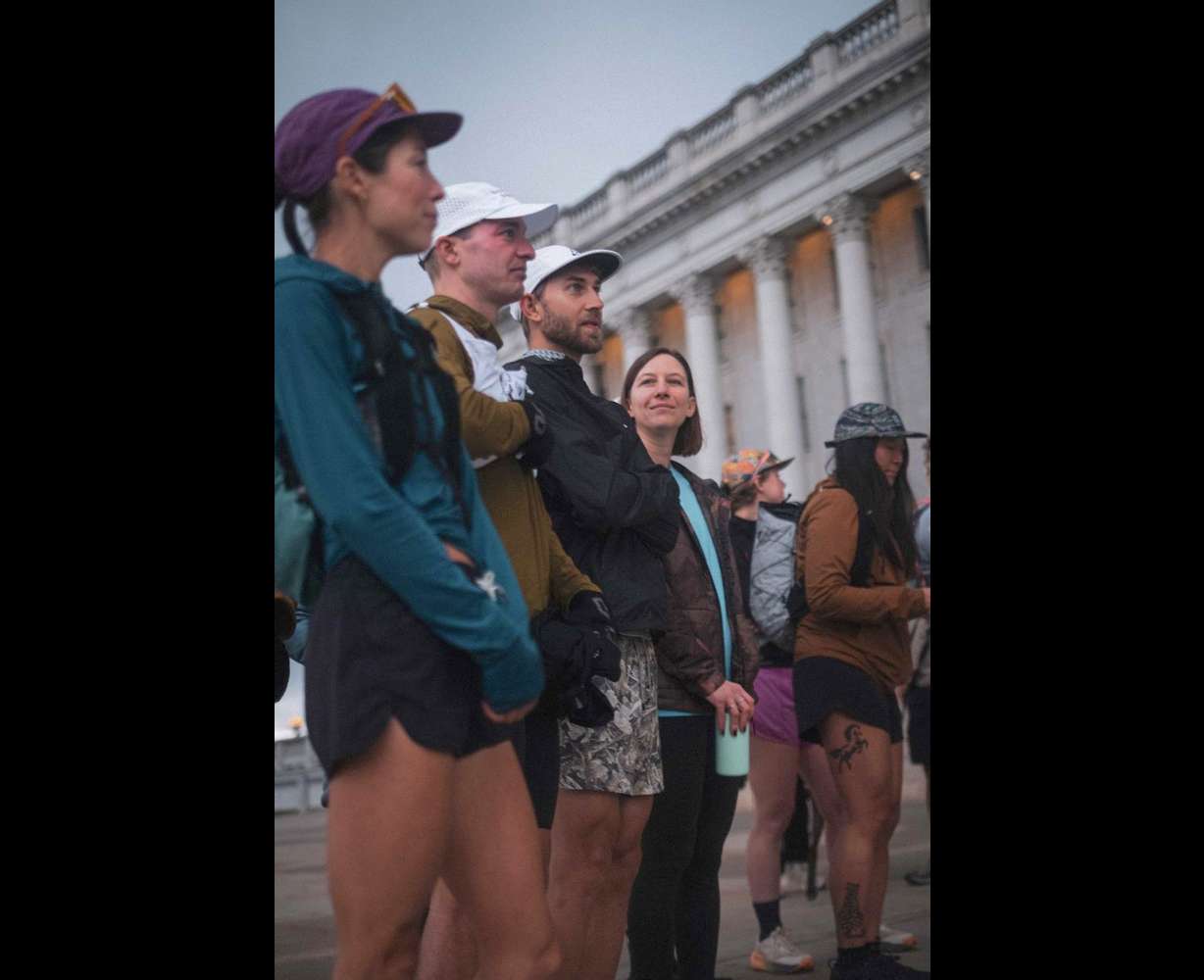
Initially, Jones was going to run the 260-mile route solo, but due to a foot injury, he was unable to complete the journey on his own. So he put out a call to runners and bikers to join in.
"More than a dozen people are going to join us for different sections," he said. "We're going to stick to the same exact schedule, and we will do it relay-style and hand off to people so we have continuous running all the way around the lake."
The route, Jones said, will trace "Where the Water Was," which is the name of the event.
"We're not following the lake or the water's edge itself; what we're following is the true lakeshore, more or less," he said. "The interesting thing is that we will be along where the water was, but totally out of sight of the water because it's receded in some places more than a mile from the water's edge."
"Calling it 'Where the Water Was' is a way of calling attention to the fact that we're on the lake shore, but we can't see the water, and that's a problem," he added.
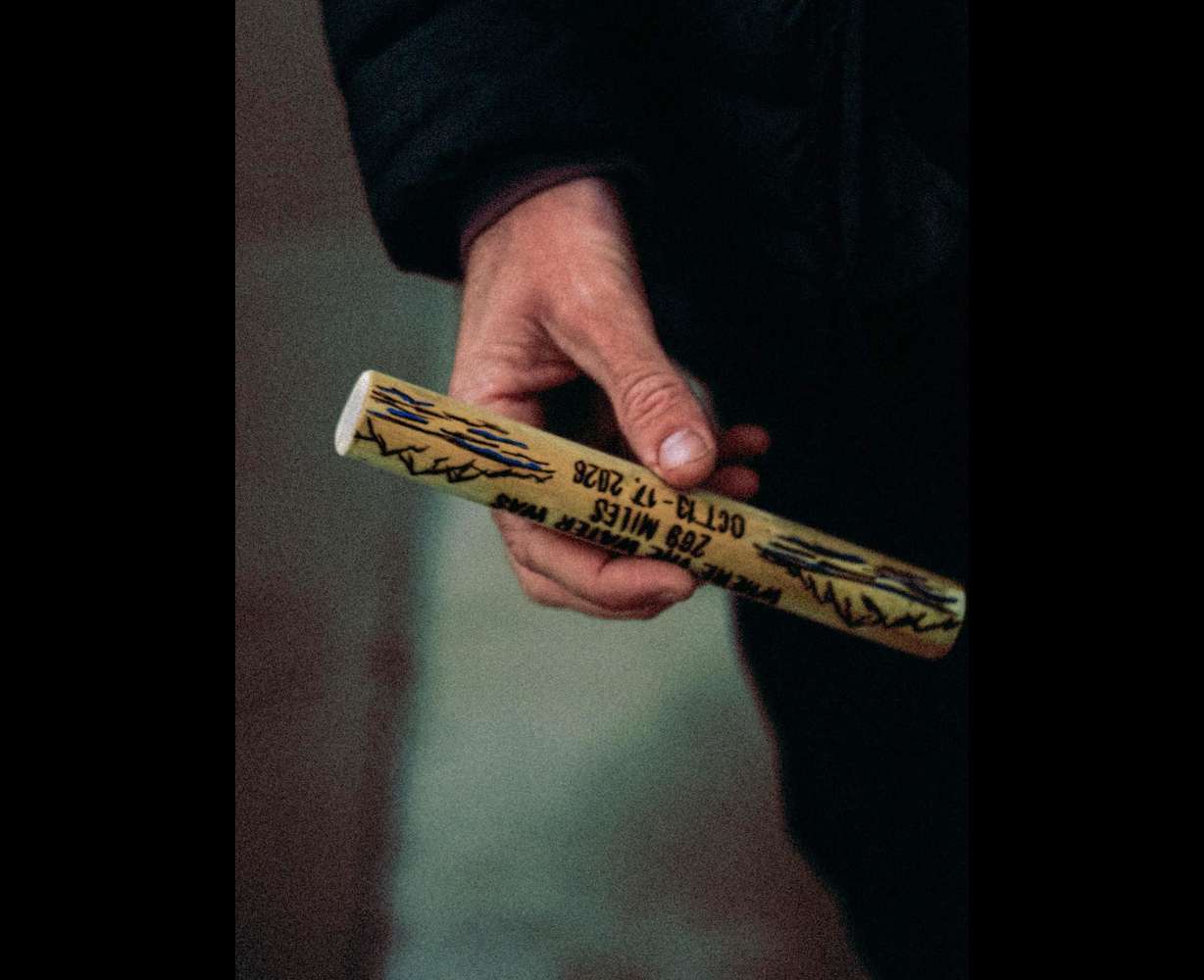
With the event now turning into a cooperative effort with many runners and bikers, Jones said he loves how it's worked out, adding that it's a metaphor for what it's going to take to get the lake back close to what it once was.
"This run was never about one person doing hard things; it's about getting a lot of people who live here to work together for a hard thing," he said. "That's what we're doing for the run, and that's what we have to do to save the lake."
The event will go through Saturday afternoon, with participants finishing at the State Capitol.