- The House will vote on the Alert Act, addressing a deadly collision.
- The bill mandates aircraft locator systems to prevent similar future accidents.
- Victims' families and senators seek stricter timelines and broader military compliance.
WASHINGTON — An aviation safety bill seeking to address lessons learned from last year's midair collision of a jet with an Army helicopter near the nation's capital is up for a vote Tuesday evening in the House, but key senators and the families of the 67 victims think the bill needs to be strengthened.
The House bill, called the Alert Act, has the backing of key industry groups. The National Transportation Safety Board said recently that the legislation, since amended, now addresses its recommendation to require all aircraft flying around busy airports to have key locator systems that let pilots know more precisely where other aircraft are flying.
The NTSB has been recommending new technology systems since 2008, and Chairwoman Jennifer Homendy has said such a system would have prevented the collision between the American Airlines jet and the Army Black Hawk helicopter that sent both aircraft plunging into the icy Potomac River.
Two key House committees unanimously advanced the bill last month. The bill is now being brought up for a full House vote under rules that won't allow any amendments. But victims' families said they want to make sure the bill has strict timelines to guarantee the reforms will be completed. And they worry the House bill would allow military flights to continue flying without broadcasting their locations on routine training flights and not just secret missions.
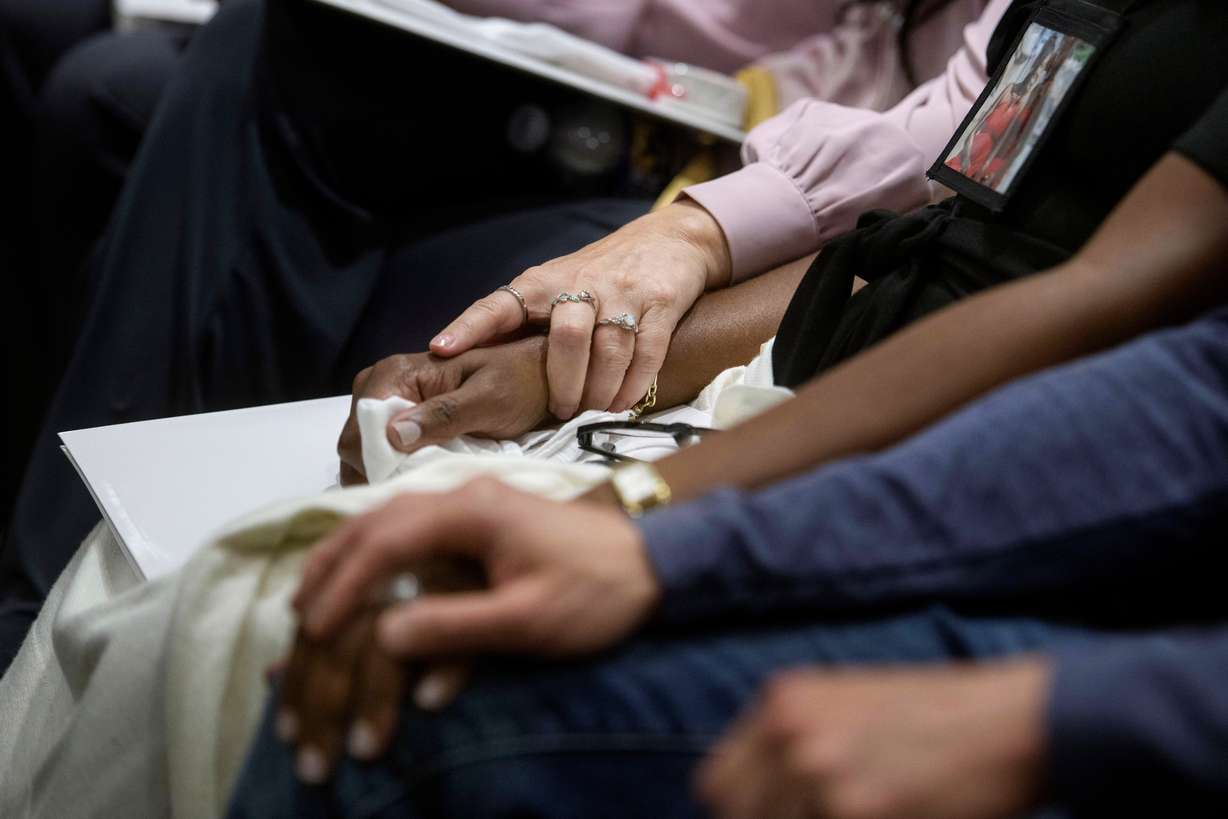
"Jan. 29, 2025, made clear what is at stake. The 67 lives lost that day should be honored with an improved system that prevents this from happening again," the main families group said Tuesday in a new statement. "And the flying public should not have to wait longer than necessary for those protections to be in place."
Sponsored by Republican Sam Graves and Democrat Rick Larens, the legislation needs to secure two-thirds of House support to advance to the Senate. Separate legislation called the ROTOR Act, which the Senate crafted, came up one vote short in the House. Senators Ted Cruz and Maria Cantwell have also said that the Alert Act still needs improvement.
Earlier this year, the NTSB's Homendy sharply criticized the original version of the bill as a "watered down" measure that wouldn't do enough to prevent future tragedies. But the board said the revised version would now address the shortcomings their investigation identified and require the Federal Aviation Administration, the Transportation Department and the military to take needed actions.
National Transportation Safety Board members at a hearing in late January were deeply troubled over years of ignored warnings about helicopter traffic dangers and other problems, long before the collision.
Everyone aboard the American Airlines jet, flying from Wichita, Kansas, and the helicopter died when the two aircraft collided. It was the deadliest plane crash on U.S. soil since 2001, and the victims included 28 members of the figure skating community.
A helicopter route in the approach path of a Reagan National Airport runway didn't ensure enough separation between helicopters and planes landing on the airport's secondary runway, and the route wasn't reviewed regularly, the board said. The poor design of that route was a key factor in the crash, along with air traffic controllers' overreliance on pilots seeing and avoiding other aircraft.
The bill now requires planes to have Automatic Dependent Surveillance-Broadcast In systems that can receive data about the locations of other aircraft. Proponents of such systems said they would have alerted the pilots of an American Airlines jet sooner to the impending collision with the Black Hawk helicopter. Most planes already have the complementary ADS-B Out systems that broadcast their locations.
The NTSB cited systemic weaknesses and years of ignored warnings as the main causes of the crash, but Homendy has said that if both the plane and the Black Hawk had been equipped with ADS-B In and the systems had been turned on, the collision would have been prevented. The Army's policy at the time of the crash mandated that its helicopters fly without that system on to conceal their locations, although the helicopter involved in this crash was on a training flight, not a sensitive mission.