'%3e%3cpath%20d='M34.1406%205.85938C30.3906%202.10547%2025.3047%200%2020%200C14.6953%200%209.60938%202.10547%205.85938%205.85938C2.10938%209.61328%200%2014.6953%200%2020C0%2025.3047%202.10547%2030.3906%205.85938%2034.1406C9.61328%2037.8906%2014.6953%2040%2020%2040C25.3047%2040%2030.3906%2037.8945%2034.1406%2034.1406C37.8906%2030.3906%2040%2025.3047%2040%2020C40%2014.6953%2037.8945%209.60938%2034.1406%205.85938ZM37.0117%2023.543H31.1602V13.5391H27.6328V19.9414C28.1211%2020.6914%2028.3711%2021.582%2028.3711%2022.5625V22.625C28.3711%2023.668%2028.1172%2024.6055%2027.6328%2025.4297V26.6094H36.082C33.4883%2032.9375%2027.2891%2037.3789%2020.0039%2037.3789C10.3711%2037.3789%202.62109%2029.6289%202.62109%2020C2.62109%2010.3711%2010.3711%202.62109%2020%202.62109C29.6289%202.62109%2037.3789%2010.3711%2037.3789%2020C37.3789%2021.1484%2037.2617%2022.2656%2037.0508%2023.3477C37.0391%2023.4141%2037.0234%2023.4766%2037.0117%2023.543Z'%20fill='white'/%3e%3cpath%20d='M22.3086%2018.5352C20.4336%2018.125%2019.9531%2017.8398%2019.9766%2017.1836V17.1406C19.9766%2016.6992%2020.3477%2016.2148%2021.4023%2016.2148C22.582%2016.2148%2023.8867%2016.6797%2025.0781%2017.4766L26.8516%2015.0195C25.4453%2013.8906%2023.707%2013.3398%2021.5547%2013.3398C18.5195%2013.3398%2016.4375%2015%2016.4063%2017.4766V17.5352C16.3633%2020.2617%2018.5859%2020.9805%2021.293%2021.6016C23.0391%2021.9766%2023.5703%2022.3164%2023.5703%2022.9609L23.5469%2022.9766C23.5469%2023.3906%2023.2578%2023.7031%2022.7852%2023.8359C22.5742%2023.9062%2022.1289%2023.9727%2021.5156%2023.9727C20.7617%2023.9727%2019.7539%2023.8633%2018.6328%2023.4844C18.0898%2023.2891%2017.4727%2023.0039%2016.8047%2022.6133L20.1406%2026.625C20.2813%2026.6602%2021.0977%2026.8516%2021.7734%2026.8516C25.0039%2026.8516%2027.0859%2025.2461%2027.1094%2022.6328V22.5703C27.1602%2020.1133%2025.2148%2019.1719%2022.3086%2018.5352Z'%20fill='white'/%3e%3cpath%20d='M5.24219%2013.5664V26.6133H8.75391V23.7578L10.2969%2021.9531L14.2031%2026.6133H18.3867L12.3555%2019.5195L17.4023%2013.5664H13.4531L8.75391%2019.0586V13.5664H5.24219Z'%20fill='white'/%3e%3c/g%3e%3cdefs%3e%3cclipPath%20id='clip0_97_2430'%3e%3crect%20width='40'%20height='40'%20fill='white'/%3e%3c/clipPath%3e%3c/defs%3e%3c/svg%3e)


Estimated read time: 5-6 minutes
This archived news story is available only for your personal, non-commercial use. Information in the story may be outdated or superseded by additional information. Reading or replaying the story in its archived form does not constitute a republication of the story.
SALT LAKE CITY — Two weeks into 2013 and the Apple rumor mill has already produced a grab bag of speculation. Based on the consensus of various news sources and analysts, here are the top five rumors circulating since the new year:
- Apple gearing up for great year in ChinaApple's CEO Tim Cook recently returned from a trip to China, where he spent considerable time in Beijing with the chairman of China Mobile, Xi Guohua. While no confirmed details of their meeting or discussion topics have leaked, an in-person meeting with leadership of a network with 700 million subscribers indicates Apple's interest in expanding its Chinese market share with the largest mobile network in the world. Public remarks by Cook confirmed Apple also intends to expand retail operations to 25 locations in China and to expand Apple's digital presence by deploying new servers for iTunes, App Store, and other Internet services in China. Such a deployment would improve download speeds, performance, and otherwise enable more Chinese consumers to access Apple products and services. Finally, Chinese web portal Tencent reported Apple plans to open research and development facilities in China. Such a move could be part of Tim Cook's plans to smooth the approvals process for Apple products so new hardware can go to market in China in conjunction with product launches in the United States.
- New iPads, iPhones coming sooner rather than laterUnsurprisingly, Apple is at work on new hardware for release this year. Last year, Apple launched the iPad mini and a new "generation 4" iPad less than 6 months after the release of the 3rd-generation iPad, upsetting most reports and analyst expectations. There are now rumors circulating that new iPads may arrive as early as March and a new iPhone 5s as early as June.

While this would be breaking the historical pattern of new device and new software once a year, a more frequent release cycle may help to smooth Apple's sales figures and may help combat competitors with more rapid release cycles.
June and March releases of next generation iPhone and iPad products, respectively, would be consistent with historical product launches in March as well as at Apple's annual developer conference, typically held in early June.
- Cheaper iPhone? Maybe notSources at Digitimes and the Wall Street Journal have reported that Apple's next strategic move to combat less expensive competitors, particular in emerging markets like India and China, includes producing a consumer variety of the iPhone.
Strangely enough, however, Reuters withdrew the article, citing "substantial changes to the story." While this does put a strange twist on the rumor of a cheap iPhone, Apple's own pricing and track record and penchant for flawless design still dampen the likelihood of such a product ever existing.
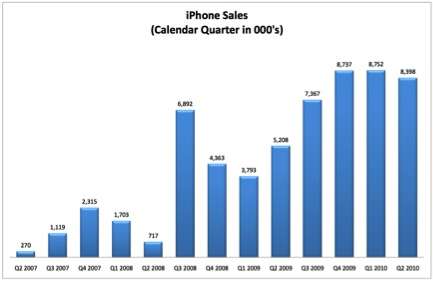
- iPhone sales demand halved? Probably notFollowing a dramatic series of reports and analyses, Apple's stock plunged below $500 for the first time in 11 months. Reports emerged that Apple had cut component orders by half, citing weak demand forecasts for the iPhone 5 moving into spring and summer sales.

- The future of the iPhoneEventually, someone is going to create a better iPhone, iPad, or other "smart" device that becomes indispensable, and Apple knows that this someone has to be them if they plan on dominating the next decade of devices.
Many Android handset makers have concluded that the connection between the tablet and smartphone is the future; finding the balance between aesthetics and functionality is now the focus, as is evidenced by the Samsung Galaxy's significantly larger screen size compared to iPhones and other smart phones. 2013's rumor mill is already off to a great start. As we find out which rumors are true and which are just good stories, the future of what we put in our pockets (and perhaps on our wrists) will become clearer for Apple and its competitors.
Brent Anderson is a mobile app consultant and developer specializing in iOS. He studies Information Systems at Brigham Young University and loves connecting businesses with technology in new and valuable ways.