'%3e%3cpath%20d='M34.1406%205.85938C30.3906%202.10547%2025.3047%200%2020%200C14.6953%200%209.60938%202.10547%205.85938%205.85938C2.10938%209.61328%200%2014.6953%200%2020C0%2025.3047%202.10547%2030.3906%205.85938%2034.1406C9.61328%2037.8906%2014.6953%2040%2020%2040C25.3047%2040%2030.3906%2037.8945%2034.1406%2034.1406C37.8906%2030.3906%2040%2025.3047%2040%2020C40%2014.6953%2037.8945%209.60938%2034.1406%205.85938ZM37.0117%2023.543H31.1602V13.5391H27.6328V19.9414C28.1211%2020.6914%2028.3711%2021.582%2028.3711%2022.5625V22.625C28.3711%2023.668%2028.1172%2024.6055%2027.6328%2025.4297V26.6094H36.082C33.4883%2032.9375%2027.2891%2037.3789%2020.0039%2037.3789C10.3711%2037.3789%202.62109%2029.6289%202.62109%2020C2.62109%2010.3711%2010.3711%202.62109%2020%202.62109C29.6289%202.62109%2037.3789%2010.3711%2037.3789%2020C37.3789%2021.1484%2037.2617%2022.2656%2037.0508%2023.3477C37.0391%2023.4141%2037.0234%2023.4766%2037.0117%2023.543Z'%20fill='white'/%3e%3cpath%20d='M22.3086%2018.5352C20.4336%2018.125%2019.9531%2017.8398%2019.9766%2017.1836V17.1406C19.9766%2016.6992%2020.3477%2016.2148%2021.4023%2016.2148C22.582%2016.2148%2023.8867%2016.6797%2025.0781%2017.4766L26.8516%2015.0195C25.4453%2013.8906%2023.707%2013.3398%2021.5547%2013.3398C18.5195%2013.3398%2016.4375%2015%2016.4063%2017.4766V17.5352C16.3633%2020.2617%2018.5859%2020.9805%2021.293%2021.6016C23.0391%2021.9766%2023.5703%2022.3164%2023.5703%2022.9609L23.5469%2022.9766C23.5469%2023.3906%2023.2578%2023.7031%2022.7852%2023.8359C22.5742%2023.9062%2022.1289%2023.9727%2021.5156%2023.9727C20.7617%2023.9727%2019.7539%2023.8633%2018.6328%2023.4844C18.0898%2023.2891%2017.4727%2023.0039%2016.8047%2022.6133L20.1406%2026.625C20.2813%2026.6602%2021.0977%2026.8516%2021.7734%2026.8516C25.0039%2026.8516%2027.0859%2025.2461%2027.1094%2022.6328V22.5703C27.1602%2020.1133%2025.2148%2019.1719%2022.3086%2018.5352Z'%20fill='white'/%3e%3cpath%20d='M5.24219%2013.5664V26.6133H8.75391V23.7578L10.2969%2021.9531L14.2031%2026.6133H18.3867L12.3555%2019.5195L17.4023%2013.5664H13.4531L8.75391%2019.0586V13.5664H5.24219Z'%20fill='white'/%3e%3c/g%3e%3cdefs%3e%3cclipPath%20id='clip0_97_2430'%3e%3crect%20width='40'%20height='40'%20fill='white'/%3e%3c/clipPath%3e%3c/defs%3e%3c/svg%3e)



- President Donald Trump's reduction of Utah's national monuments reignites debate over the 1906 Antiquities Act.
- Critics argue the act needs reform to prevent economic uncertainty for land users.
- Supporters fear monument shrinkage could lead to increased mining and leasing activities.
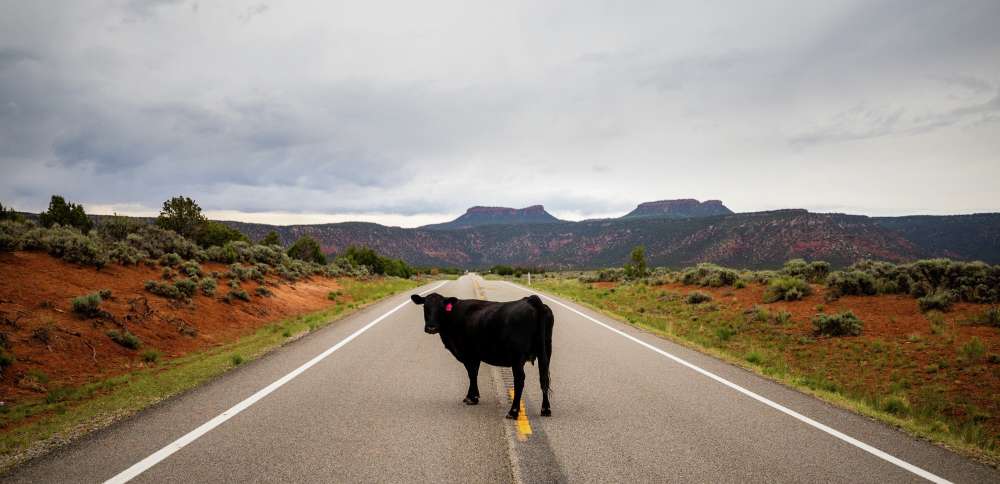
SALT LAKE CITY — The perpetual tug-of-war over American monuments like Bears Ears and Grand Staircase-Escalante have many Americans up in arms over the 1906 Antiquities Act.
Questions about the century-old legislation were renewed on Monday, when President Donald Trump signed a pair of executive orders shrinking two national monuments in Utah by about 90%.
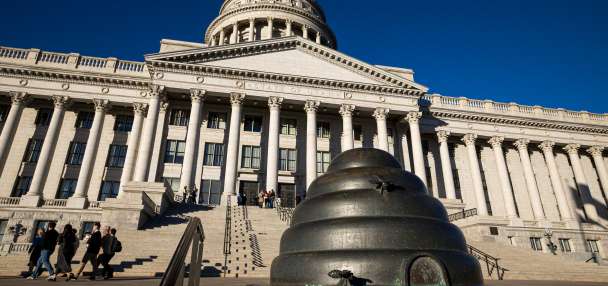
All six members of Utah's congressional delegation, as well as Gov. Spencer Cox and state House Speaker Mike Schultz, joined Trump in the Oval Office for the signing.
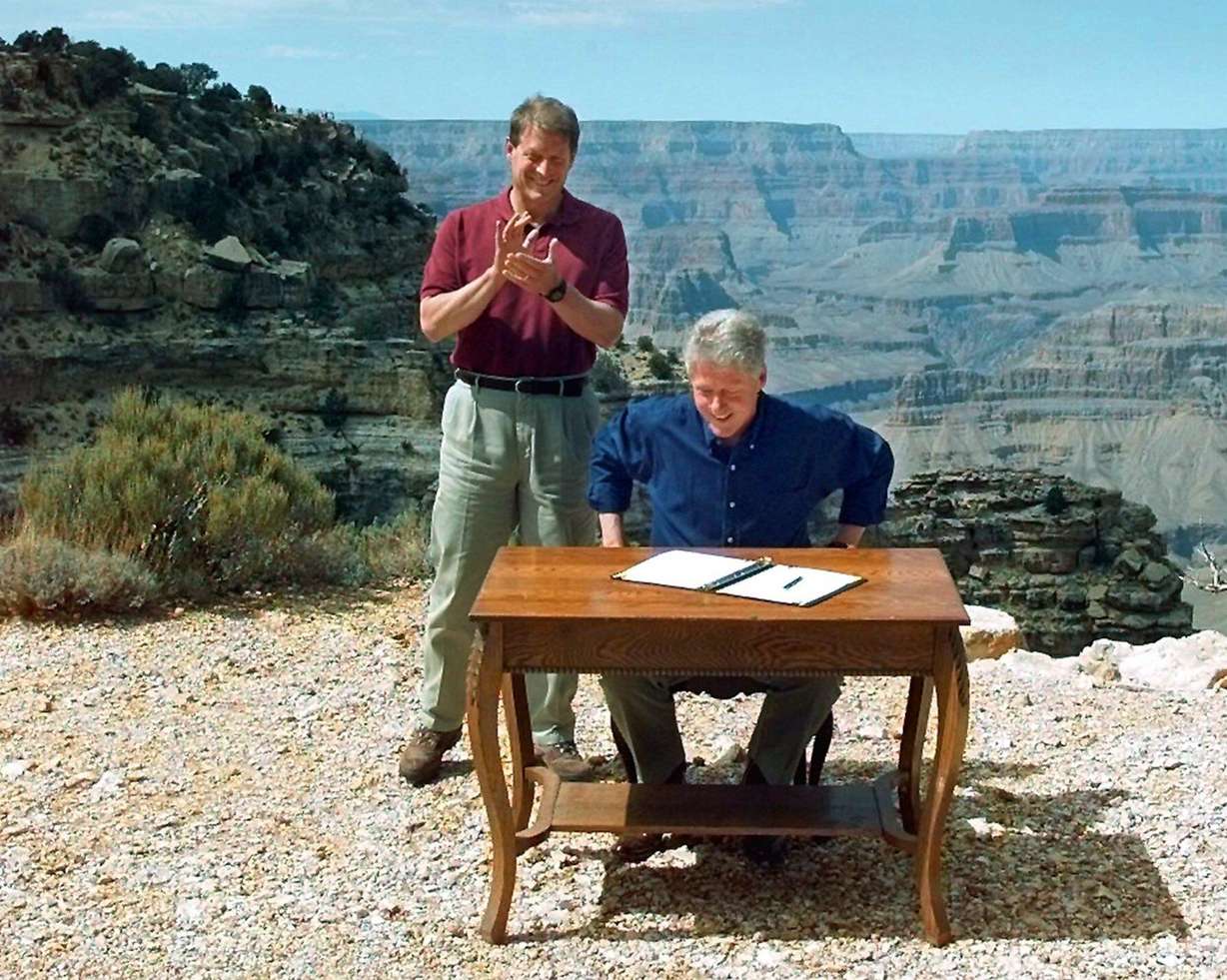
As former Presidents Bill Clinton, Barack Obama and Joe Biden did in their administrations, Trump used the Antiquities Act to alter how much land in Utah is off-limits to economic and recreational activities.
Megan Jenkins, a strategic research director for the Pacific Legal Foundation, told the Deseret News she believes the Antiquities Act needs legislative reform.
What is the Antiquities Act?
The Antiquities Act was signed in 1906 to provide legal protection for historical and scientific resources on federal lands. Lawmakers then believed the act was necessary to protect historical artifacts against looting as many Americans moved West.
The act requires the land designated as a monument to be the "smallest area compatible" with protecting the artifacts on it.
In Trump's most recent proclamation, he wrote, "The Antiquities Act further requires that any parcel of land reserved as part of a monument be confined to the smallest area compatible with the proper care and management of the objects to be protected."
The proclamation then listed what it said were flaws in previous designations.
Obama's designation protected items that were not historic landmarks, historic or prehistoric structures or other objects of historical or scientific interest, the proclamation said.
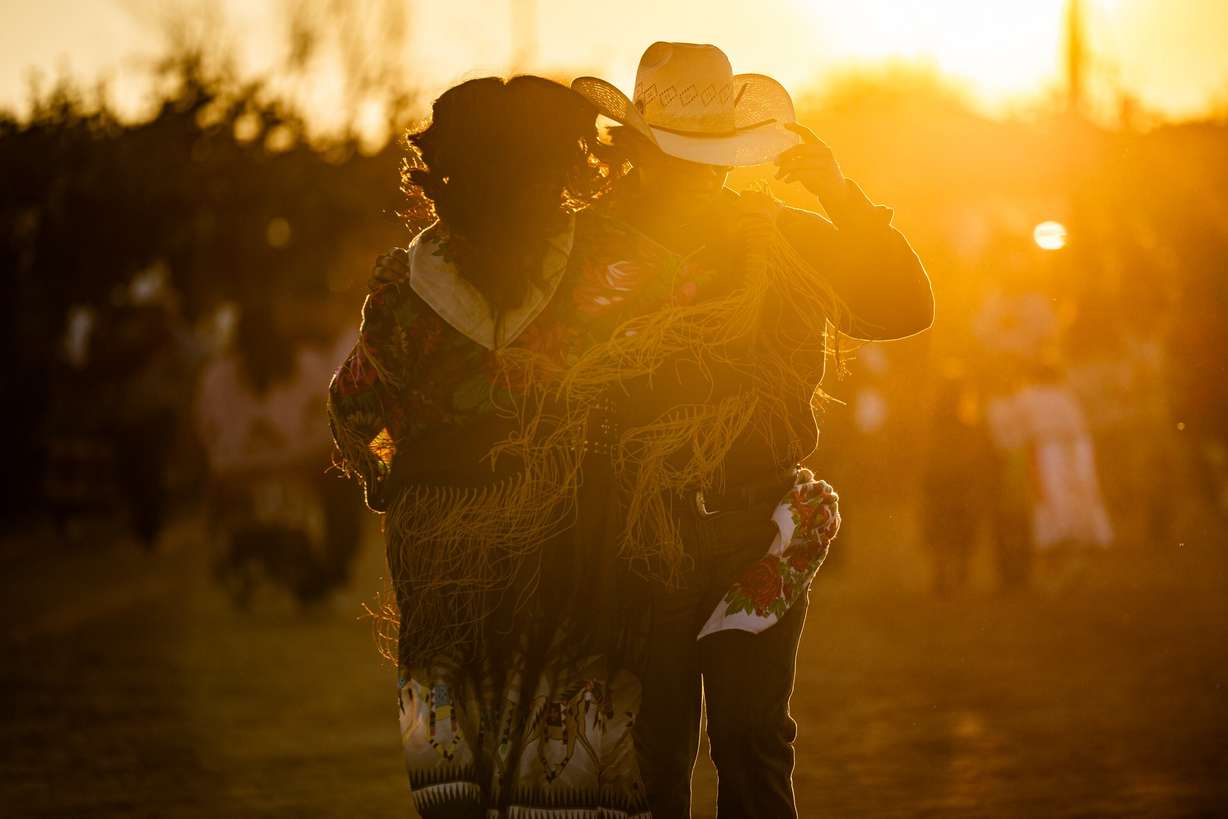
And while scenic, "these generic features are not 'landmarks,' 'structures,' or 'objects of historical or scientific interest' worthy of protection under the Antiquities Act," it said.
Meanwhile, environmentalist groups, including the Salt Lake City-based Southern Utah Wilderness Alliance, described Trump's use of the Antiquities Act as a fundamentally bad idea, which will "only bring uncertainty and chaos."
SUWA "is committed to defending the monuments — whether that's in a court of law or in the halls of Congress," the organization's executive director, Scott Braden, said in a statement.
A need for legislative reform
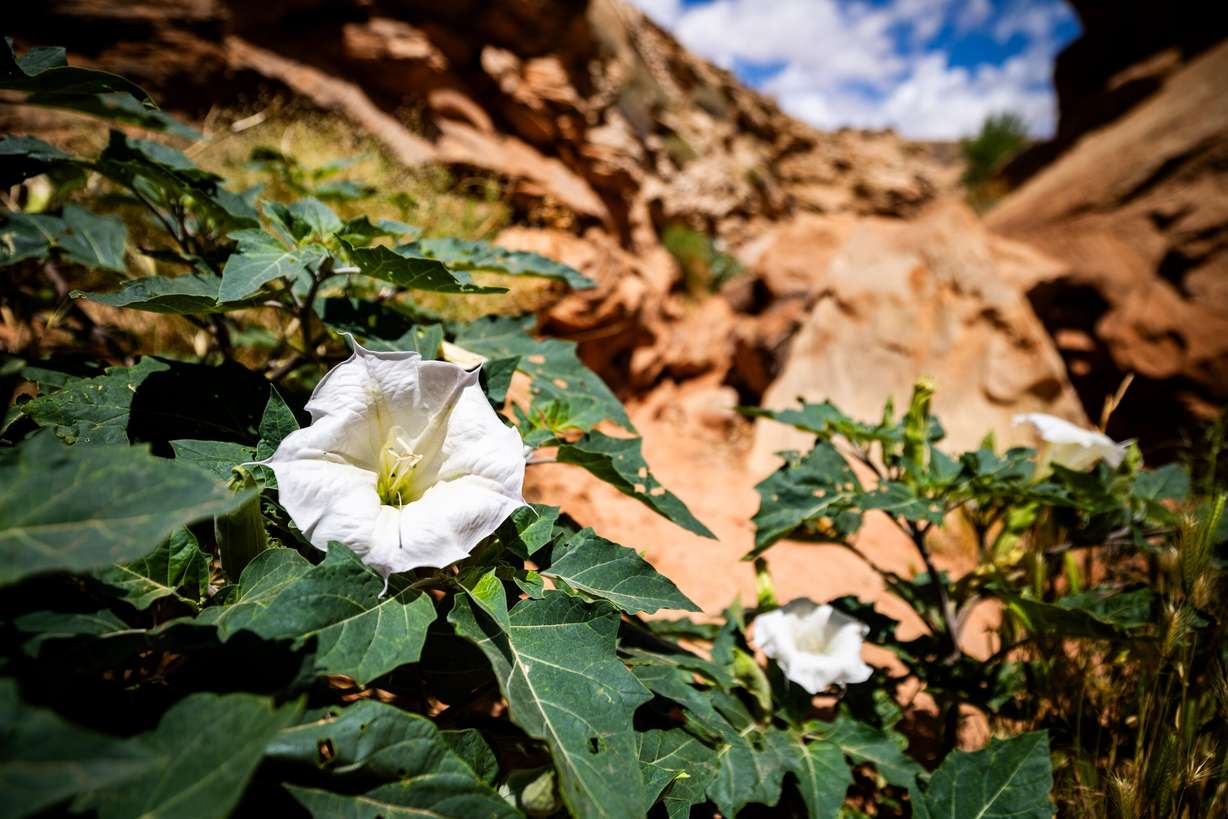
In a conversation with the Deseret News, Jenkins referenced a client of the Pacific Legal Foundation who ranches on the Utah-Arizona border. For six generations, Jenkins' family has made their living grazing on an area that former President Biden designated as the Ancestral Footprints National Monument.
"This political ping-pong has affected him," she said. "He doesn't know if his family will continue to be able to graze their cattle there. So it's really threatening his ability to pass his legacy, his business and his ranch onto his children."
Jenkins continued, "There are countless examples like that of people who rely on public lands for specific uses, and they just don't know if in four years they'll still be allowed to use the lands."
Reforms that would give public land users stability include limiting how much land a president is allowed to set aside unilaterally, Jenkins said.
Since 1906, nearly every president has used the act; as of 2026, the Antiquities Act has created more than 160 national monuments across the country.
There is still a need for the act, "but I don't think the answer is to set aside these vast areas," Jenkins said. "I think focusing more narrowly on the specific problem would be a better management solution."
The Antiquities Act has also run up against legal questions as to whether presidents can legally modify the monuments that previous presidents have put in place.
"If you read the statute, the Antiquities Act, it specifically gives the president the authority to reserve monuments that contain historic objects and of scientific interest, but it does not give the president the authority to modify or revoke monuments that have been declared by prior presidents," Mark Squillace, a professor at the University of Colorado Law School told Time magazine.
Jenkins added that Congress "more clearly defining" aspects of the Antiquity Act would help lawyers and politicians alike use the act most effectively.
What does shrinking a monument actually do?
Following Trump's executive orders, a flurry of social media posts accused the president of stealing public lands from Americans.
"I think the biggest misunderstanding I see is when I hear the phrase, 'Keep public lands in public hands.' People see this move and think, 'Oh my gosh, we're selling off these beautiful areas to private companies.' And that's not what's happening," Jenkins said.
Bears Ears and Grand Staircase-Escalante were federally owned before they were designated as monuments. When certain areas lose their monument designation, they still remain federal land.
"It's just changing the way that they're managed to be less restrictive," she said.
The public lands excluded from the monument areas will become eligible for mining claims and mineral and geothermal leasing. These activities will, as always, be subject to existing federal laws and permitting requirements.