
- Polls reveal a growing divide over U.S.-Israel relations, potentially impacting Senate races.
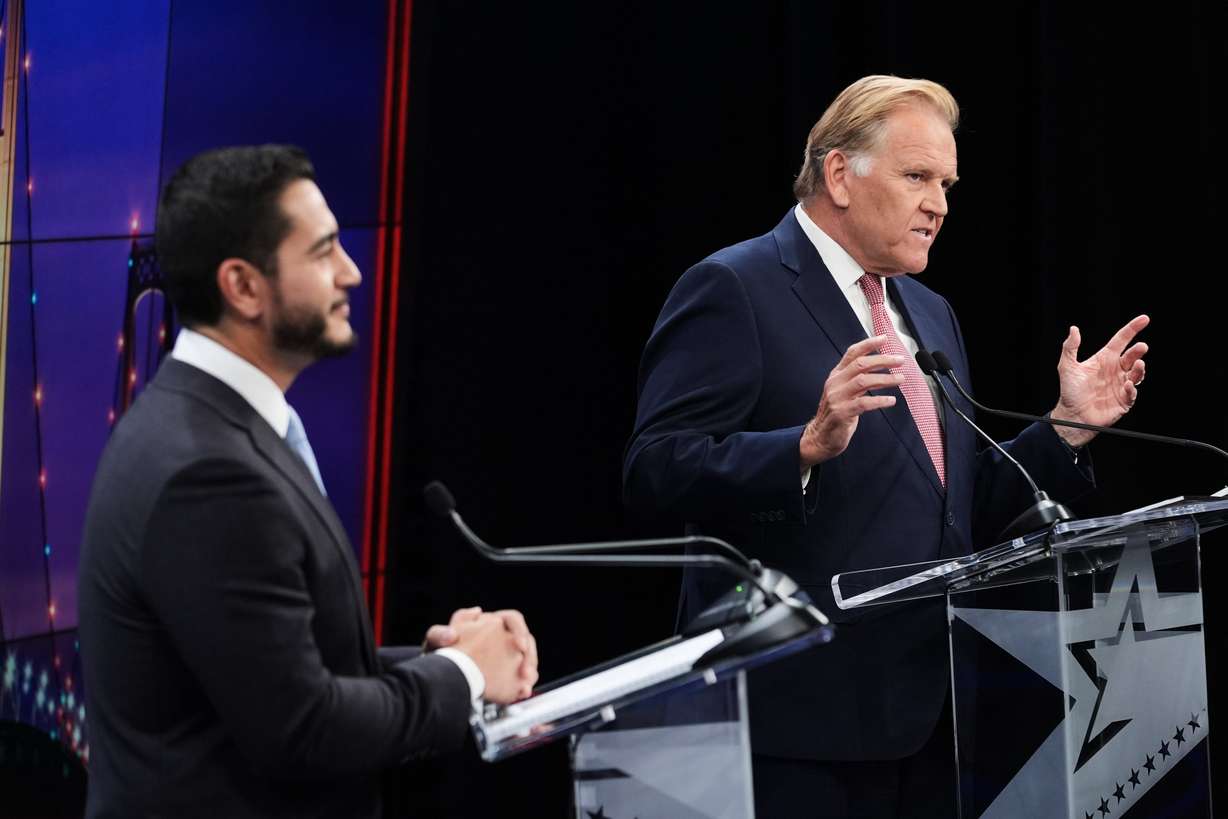
- Michigan voters face a choice between Republican Mike Rogers and Democrat Abdul El-Sayed.
- AIPAC pledged $9 million to Rogers, amid increasing controversy over Israel advocacy in politics.
WASHINGTON — The U.S.-Israel relationship became a top issue in some party primaries earlier this year. Now it could decide Senate control as Michigan voters face a stark choice between Republican Mike Rogers and Democrat Abdul El-Sayed.
Most Americans support the current, or a stronger, relationship with Israel, according to a new Deseret News/Hinckley Institute of Politics poll. But the positions, as in the high-stakes Senate race, vary widely by party.
"U.S. support for Israel has traditionally been a bipartisan issue," institute director Jason Perry told the Deseret News. "I don't think this poll shows a lack of support for one of our strategic allies, but it does show some fatigue."
Opinion has fractured along party lines as prolonged conflict pushes some Americans to question U.S. aid, Perry said.
A majority of American voters would like the United States government to either increase or maintain its diplomatic support for Israel, the poll found, with 18% seeking stronger ties and 37% agreeing with the status quo.
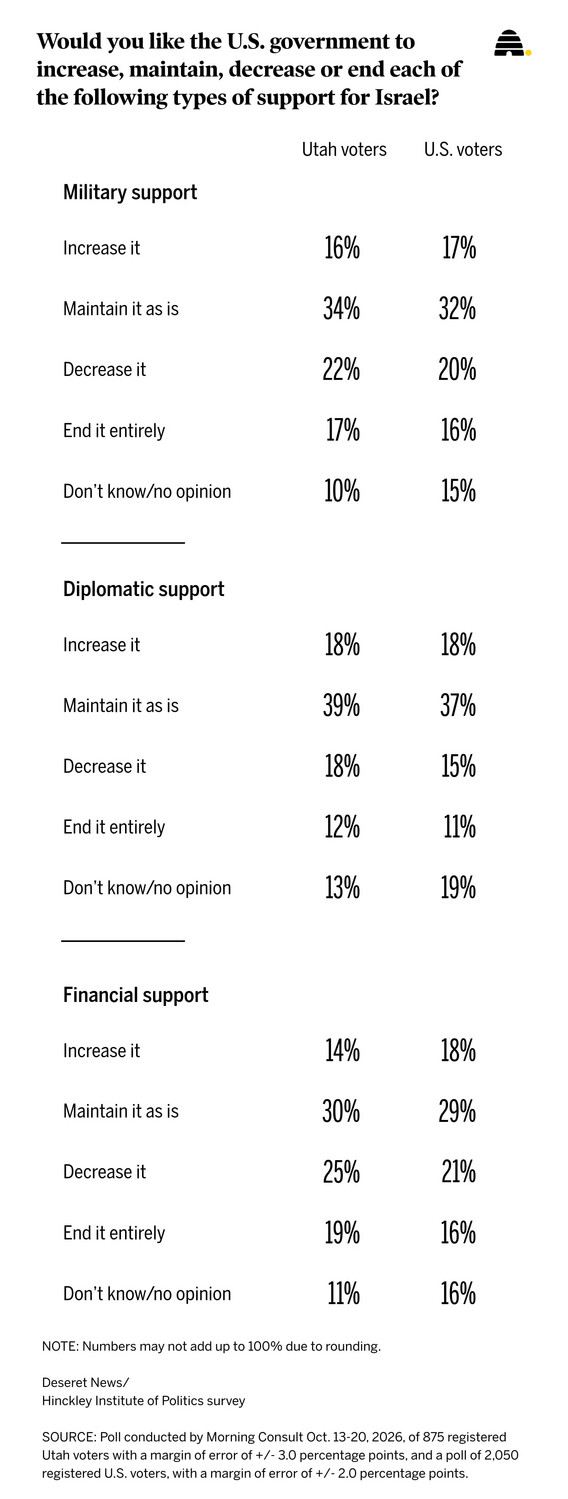
A slightly smaller share of nearly 50% also backed increased or steady military and financial support for Israel, with around 1 in 5 voters wanting these streams of support to decrease and 16% wanting them both to end entirely.
Republicans favored continued or elevated military support for Israel at a rate 34 percentage points higher than Democrats. Similarly, GOP voters were 24-points more likely than Democrats to desire further financial support.
But independents tended to be as skeptical as Democrats toward special treatment of Israel, or more so, potentially creating an opportunity for candidates in a swing state like Michigan to leverage their frustration with foreign policy.
"Israel, and military support for it, will matter to some Michigan voters, especially in communities where that support runs deep," Perry said. "But ... When voters are in the booth, their pocketbook drives their decision."
In interviews with the Deseret News, three American Jews explained how the midterm outcomes could have broader implications for America's link to Israel as an indication of shifting public sentiment that could sway future elections.
Michigan's money in politics
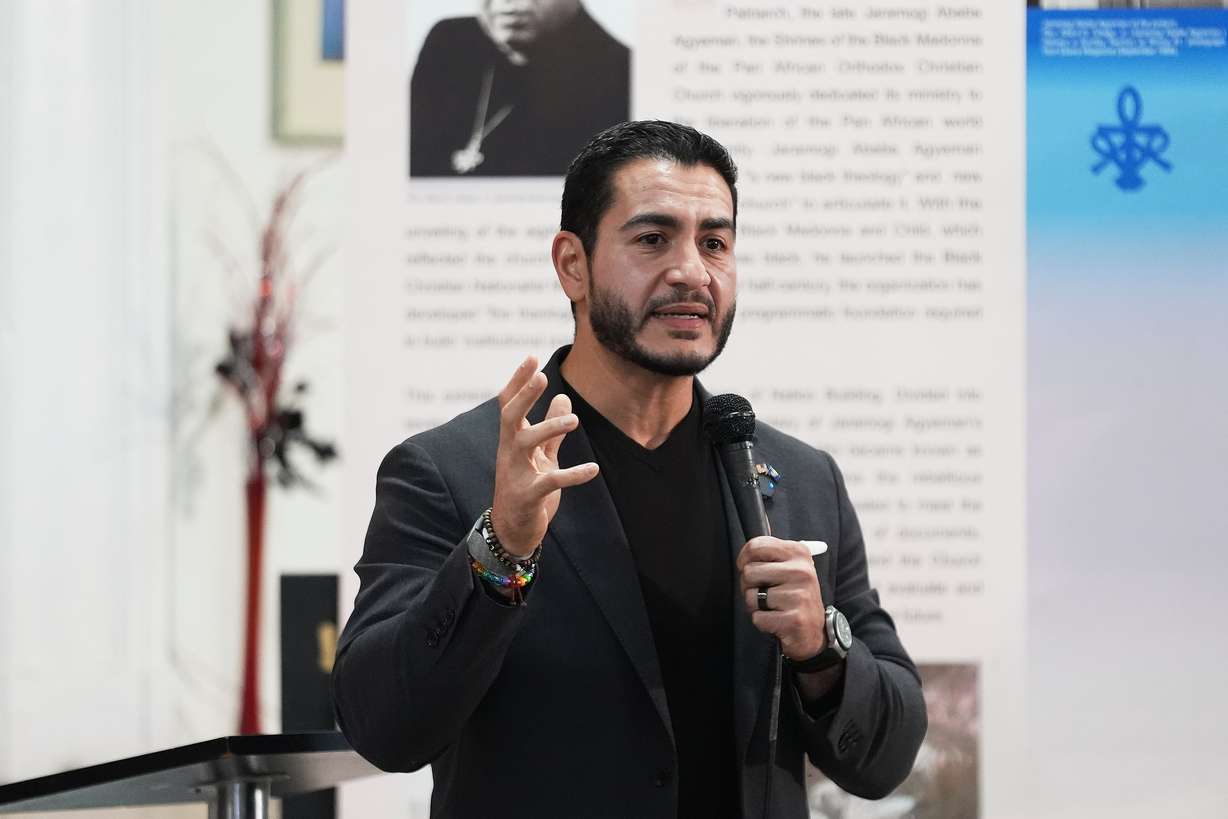
El-Sayed has made criticism of Israel a central talking point, stating that the Middle East democracy is not a friend of the U.S. and campaigning with influencer Hasan Piker, a self-described Marxist, who has compared supporters of Israel to Nazis.
Rogers, on the other hand, has attempted to associate El-Sayed with Muslim terrorist groups, while making appeals to Jewish voters, who he said in a debate on Wednesday are "literally afraid" of progressive candidates like El-Sayed.
In a rare endorsement of a Republican in a close general election, the American Israel Public Affairs Committee pledged $9 million to help Rogers in the final stretch of the campaign, The New York Times reported on Wednesday.
But this was followed by AIPAC, an American pro-Israel lobby group, announcing it would no longer be making direct donations to candidates, reflecting the increased controversy surrounding advocacy for the Jewish state.
AIPAC unsuccessfully tried to shape the Democratic Party primary, spending $30 million to support Senate candidate Haley Stevens — their largest amount ever for a single race. El-Sayed ultimately won in August by 1 percentage point.
The Israeli-Palestinian conflict is an important consideration for 4 in 10 voters when deciding who to back for Congress, a Quinnipiac poll found in June. But the issue has often been framed in terms of Jewish donors.
Utah's crowded 1st District Democratic primary featured anti-Israel purity tests by activist organizations and false accusations by losing candidates that the ultimate nominee, Ben McAdams, benefited from AIPAC spending.
This focus on Israel derives from the unpopularity of Israel's U.S.-subsidized war in Gaza and distrust toward the millions AIPAC gives to campaigns, said Matt Weinstein, the Utah Advocacy Chair for J Street, a liberal Zionist group.
"It's become a reflection of a broader discontent about the role of money in politics," he told the Deseret News.
While the group supported Congress' $14 billion defense funding package for Israel in 2024, J Street no longer thinks Israel should receive taxpayer support after an Obama-era MOU for $3.8 billion each year expires in 2028.
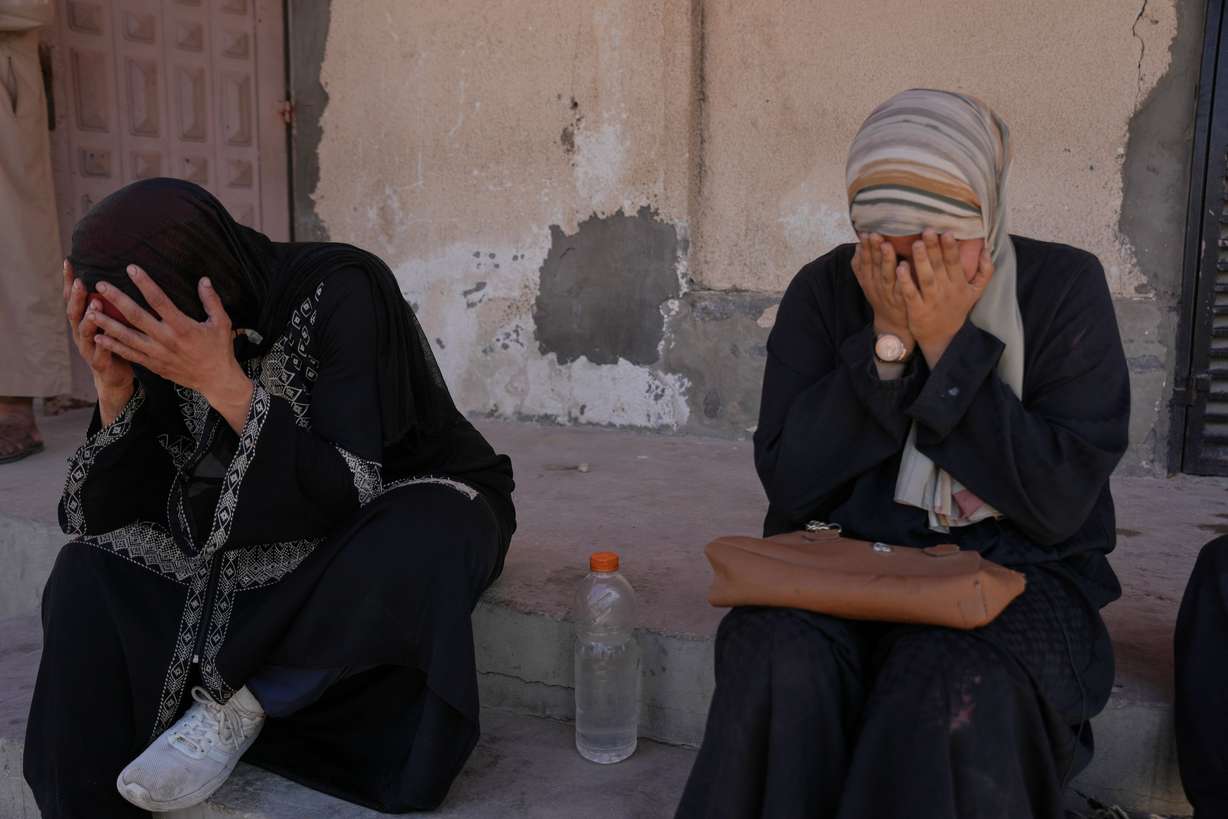
Dissent among American Jews toward Israel's government has not eliminated their fear about anti-Israel trends.
Trickle-down antisemitism?
From 2022 to 2025, Pew found the share of adults with an unfavorable view of Israel grew from 42% to 53%, driven by disfavor among Democrats under 50 hitting 71% and among Republicans under 50 surging from 35% to 50%.
This shift in sentiment toward Israel has been accompanied by a surge in anti-Israel content on platforms like TikTok, more negative views toward Israeli people and a record number of antisemitic incidents in the U.S. in 2024.

On Thursday, the U.S. Attorney's Office of Utah announced federal charges against a 22-year-old Ogden man accused of threatening to kill Jews in multiple online posts and planning to attack nearby synagogues with six pipe bombs.
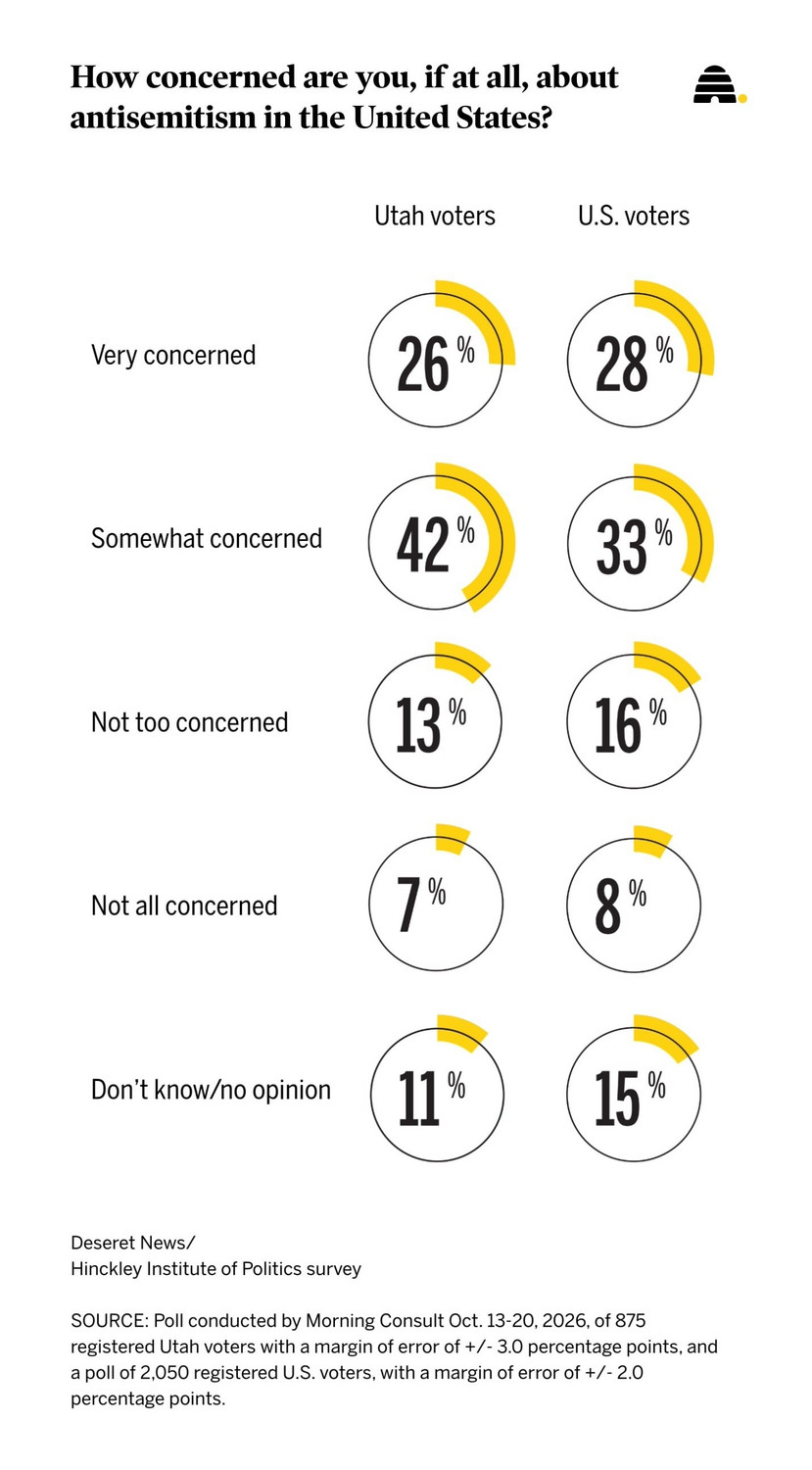
More than 6 in 10 voters in the U.S., and nearly 7 in 10 in Utah, are either somewhat or very concerned about antisemitism in the country, according to the Deseret News/Hinckley Institute poll conducted by Morning Consult.
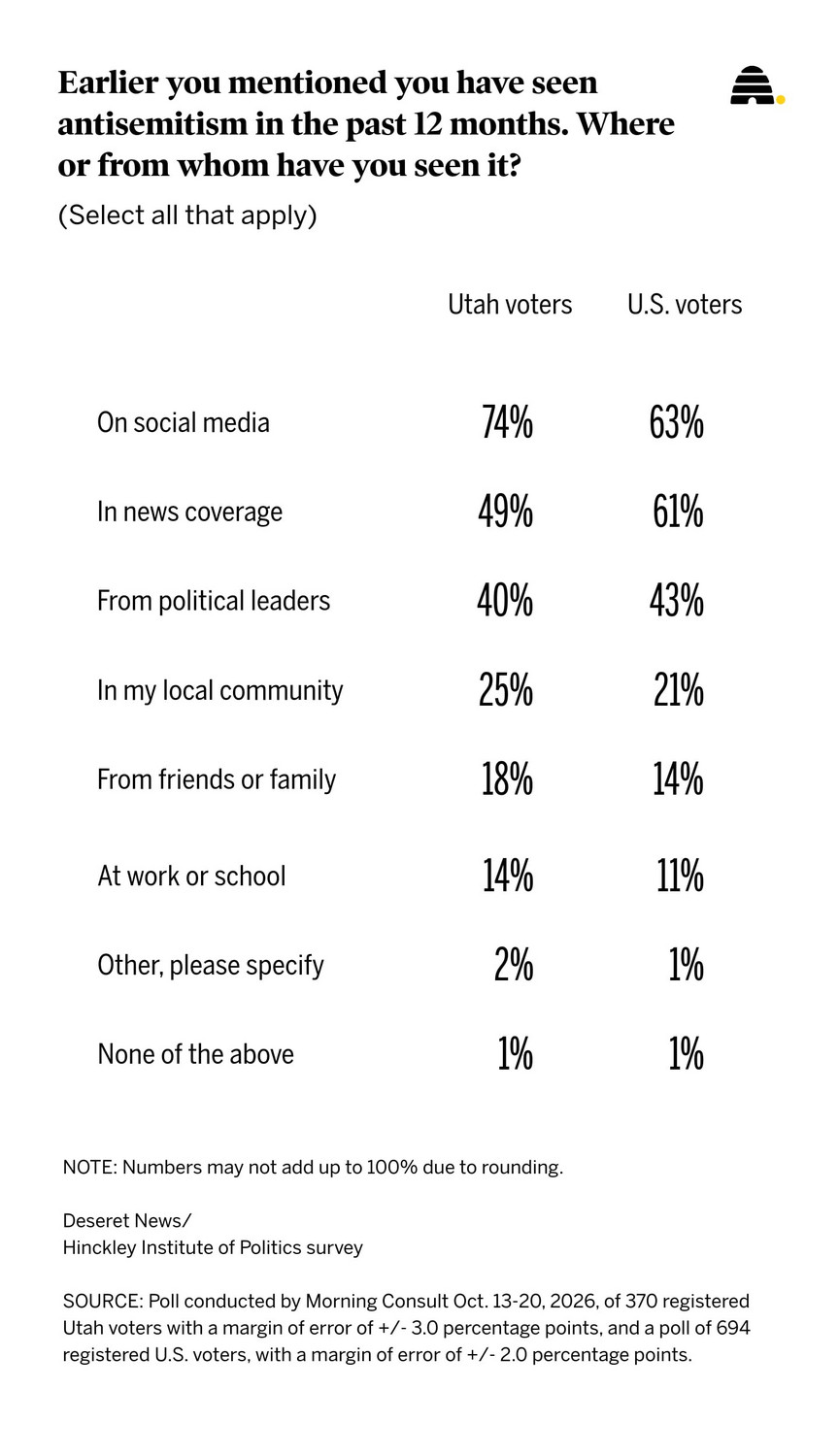
Over the past year, 34% of voters nationally and 42% statewide said they had observed antisemitism. Among those who reported to have seen it, 21% of Americans and 25% of Utahns said it was in their local community.
Of this subset, 15% or less said it came from friends and family, or work and school. About 40% said it came from political leaders. An overwhelming majority of 65% Americans and 74% of Utahns blamed social media.
Since the Hamas terrorist attack on Oct. 7, 2023, there has been an obsession with Israel among ideologues on the left and the right, according to University of Utah law professor Amos Guiora, a secular Jew who lives part time in Israel.
He argues the strategy pursued by Israeli Prime Minister Benjamin Netanyahu makes Israel vulnerable to criticism.
"Is Israel a convenient scapegoat for what some people perceive as the malaise of American foreign policy? I think yes."
The level of focus on Israel in American politics is unique, said Steven Cohen, a prominent sociologist of the American Jewish community, but maybe not unexpected since it finds itself at the center of religious and geopolitical divides.
In this sense, the attention to Israel in midterm campaigns is natural, Cohen said. A distinction that is often lost, Cohen said, is that research shows little overlap between bigoted views against Jews and intense criticism of Israel.
"They're very small in number," he said. "Jews experience both of these as threats, and they conflate them."
The national poll of 2,050 registered voters, and the state poll of 875 voters, were conducted from Oct. 13 to 19.