'%3e%3cpath%20d='M34.1406%205.85938C30.3906%202.10547%2025.3047%200%2020%200C14.6953%200%209.60938%202.10547%205.85938%205.85938C2.10938%209.61328%200%2014.6953%200%2020C0%2025.3047%202.10547%2030.3906%205.85938%2034.1406C9.61328%2037.8906%2014.6953%2040%2020%2040C25.3047%2040%2030.3906%2037.8945%2034.1406%2034.1406C37.8906%2030.3906%2040%2025.3047%2040%2020C40%2014.6953%2037.8945%209.60938%2034.1406%205.85938ZM37.0117%2023.543H31.1602V13.5391H27.6328V19.9414C28.1211%2020.6914%2028.3711%2021.582%2028.3711%2022.5625V22.625C28.3711%2023.668%2028.1172%2024.6055%2027.6328%2025.4297V26.6094H36.082C33.4883%2032.9375%2027.2891%2037.3789%2020.0039%2037.3789C10.3711%2037.3789%202.62109%2029.6289%202.62109%2020C2.62109%2010.3711%2010.3711%202.62109%2020%202.62109C29.6289%202.62109%2037.3789%2010.3711%2037.3789%2020C37.3789%2021.1484%2037.2617%2022.2656%2037.0508%2023.3477C37.0391%2023.4141%2037.0234%2023.4766%2037.0117%2023.543Z'%20fill='white'/%3e%3cpath%20d='M22.3086%2018.5352C20.4336%2018.125%2019.9531%2017.8398%2019.9766%2017.1836V17.1406C19.9766%2016.6992%2020.3477%2016.2148%2021.4023%2016.2148C22.582%2016.2148%2023.8867%2016.6797%2025.0781%2017.4766L26.8516%2015.0195C25.4453%2013.8906%2023.707%2013.3398%2021.5547%2013.3398C18.5195%2013.3398%2016.4375%2015%2016.4063%2017.4766V17.5352C16.3633%2020.2617%2018.5859%2020.9805%2021.293%2021.6016C23.0391%2021.9766%2023.5703%2022.3164%2023.5703%2022.9609L23.5469%2022.9766C23.5469%2023.3906%2023.2578%2023.7031%2022.7852%2023.8359C22.5742%2023.9062%2022.1289%2023.9727%2021.5156%2023.9727C20.7617%2023.9727%2019.7539%2023.8633%2018.6328%2023.4844C18.0898%2023.2891%2017.4727%2023.0039%2016.8047%2022.6133L20.1406%2026.625C20.2813%2026.6602%2021.0977%2026.8516%2021.7734%2026.8516C25.0039%2026.8516%2027.0859%2025.2461%2027.1094%2022.6328V22.5703C27.1602%2020.1133%2025.2148%2019.1719%2022.3086%2018.5352Z'%20fill='white'/%3e%3cpath%20d='M5.24219%2013.5664V26.6133H8.75391V23.7578L10.2969%2021.9531L14.2031%2026.6133H18.3867L12.3555%2019.5195L17.4023%2013.5664H13.4531L8.75391%2019.0586V13.5664H5.24219Z'%20fill='white'/%3e%3c/g%3e%3cdefs%3e%3cclipPath%20id='clip0_97_2430'%3e%3crect%20width='40'%20height='40'%20fill='white'/%3e%3c/clipPath%3e%3c/defs%3e%3c/svg%3e)


Estimated read time: 4-5 minutes
- Utah faces costly challenges controlling dust from the shrinking Great Salt Lake.
- Experts warn of health impacts, including $116 million in annual costs and deaths.
- The cheapest solution is refilling the lake; other methods are costly and temporary.
SALT LAKE CITY — Utah leaders face the costs of controlling dust from a shrinking Great Salt Lake — whether they choose to act now or not.
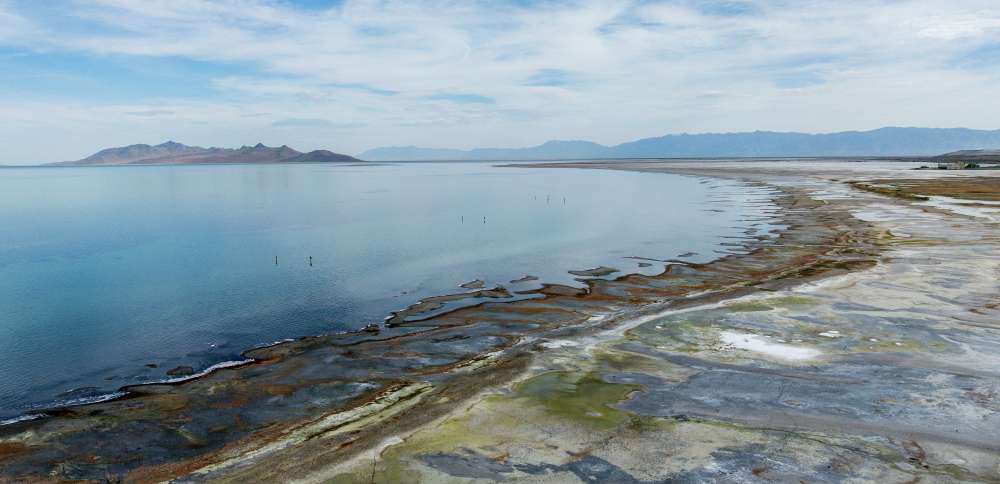
More than 800 square miles of lakebed are now exposed as the Great Salt Lake water levels continue to decline — leaving dry, dusty areas surrounding the city. University of Utah researchers claim 70 of those square miles are "active dust hotspots" — which have the potential to expand to over 100 square miles as groundwater levels decline.
The Great Salt Lake Alliance, a local nonprofit, held an event to discuss the current state of the dust on Monday.
'We need to start making progress now'
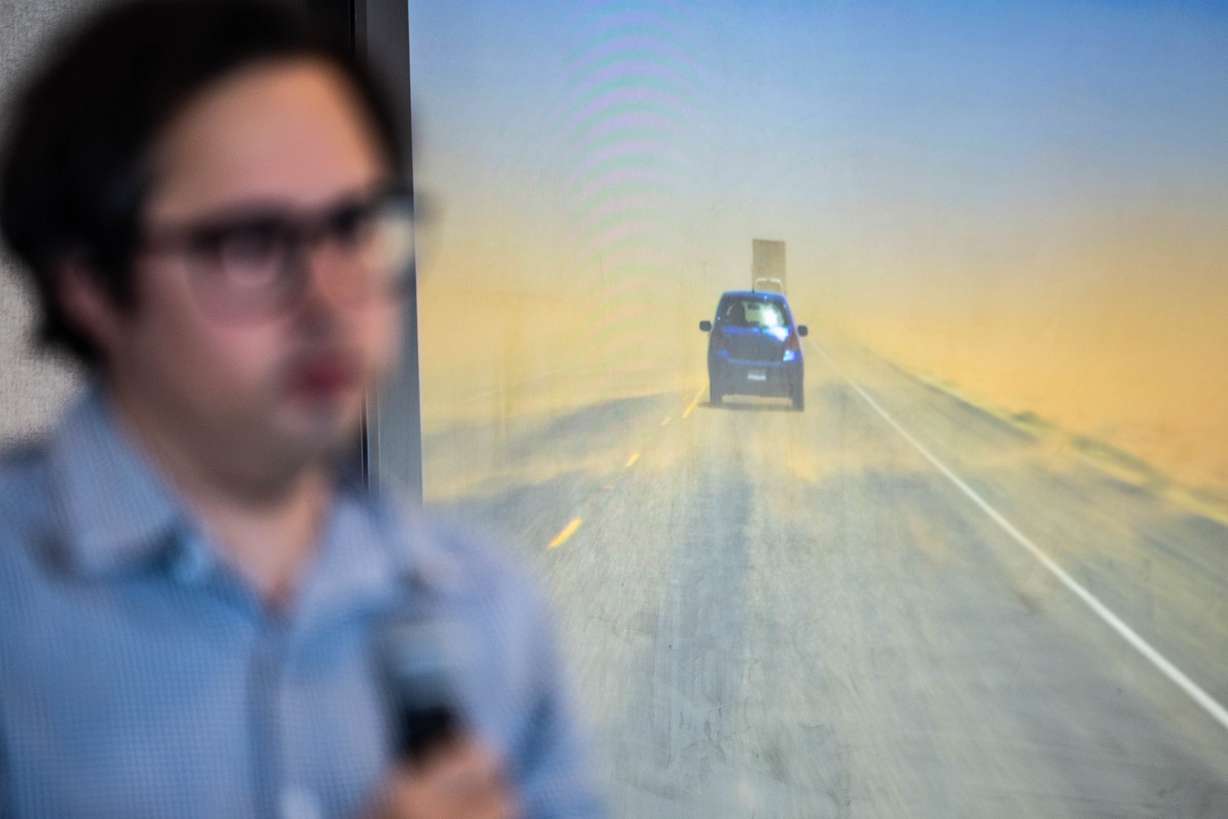
"I think it's a pretty urgent issue," said Derek Mallia, a research professor at the University of Utah Department of Atmospheric Sciences, and one of the panelists. "We definitely need to make progress. We need to start making that progress now."
When speaking about the Great Salt Lake's dust makeup, David Parrott, assistant director of the Great Salt Lake Institute, said, "We don't really know." He explained that many believe the dust is laced with arsenic — something that is actually unproven.
Mallia, however, pointed out that the dust itself is an atmospheric pollutant, whether it is laced with heavy metals or not.
Parrott explained that aside from the dust itself, micro-irritants — like bacteria and fungi — can also travel in the wind.
The University of Utah found the dust and micro-irritants will cost Utah an estimated $116 million in annual health costs, including roughly seven premature deaths each year.
"Most of the time, the result has been it's become unlivable and people have moved away," said Bryce Bird, director of the Utah Division of Air Quality. "Of course, we don't have that option here. We are planted here, our roots go deep, and we need to find ways to address it."
Though that doesn't mean the lake is the top priority for the division.
Not the first priority
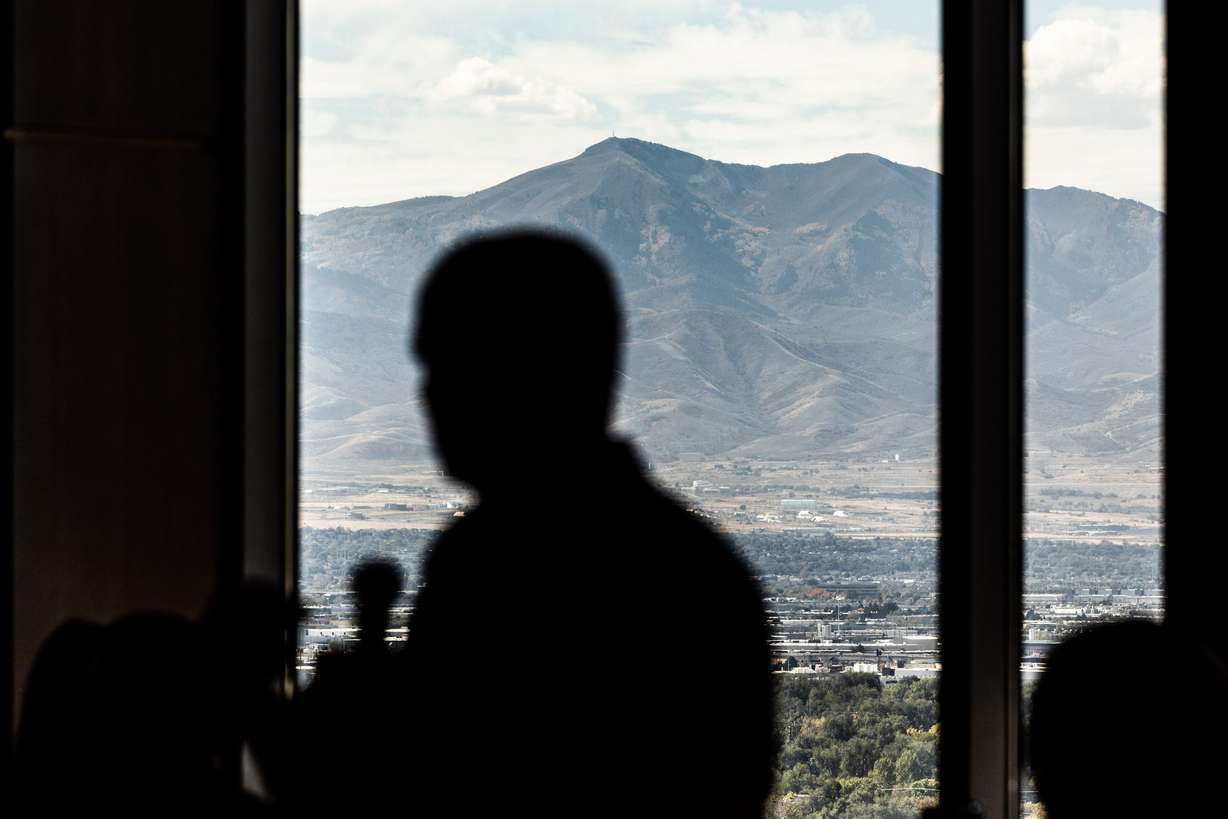
"We have other air pollution concerns that I think are more pressing to us public health-wise than the Great Salt Lake today," he said.
Bird referred to the Environmental Protection Agency's ozone standard, which he said Utah has exceeded 19 times in 2026. The dust pollutants haven't exceeded the EPA's standards once.
"And so, probably the more pressing effort or issue for me as a regulator is focusing on ground-level ozone in our urban areas — which is what is actually impacting public health today."
Bird pointed out that there are also other local dust sources that can be put under control first, like sandy construction areas.
"It used to be that in the sand and gravel areas, neighbors didn't live right next door — they lived a mile away," he said. "But as planning and zoning commissions have approved new subdivisions, we're seeing them get closer and closer."
He also pointed to historical mining tailings — such as the Kennecott tailings pond near Magna — which was considered Utah's primary air quality hazard in the 1970s before engineering controls were implemented.
Though the scientists and elected officials may have had different stances on what should be Utah's number one priority, all three seemed to agree on what is the cheapest option: Putting water back in the lake.
'The cheapest and easiest thing to do'
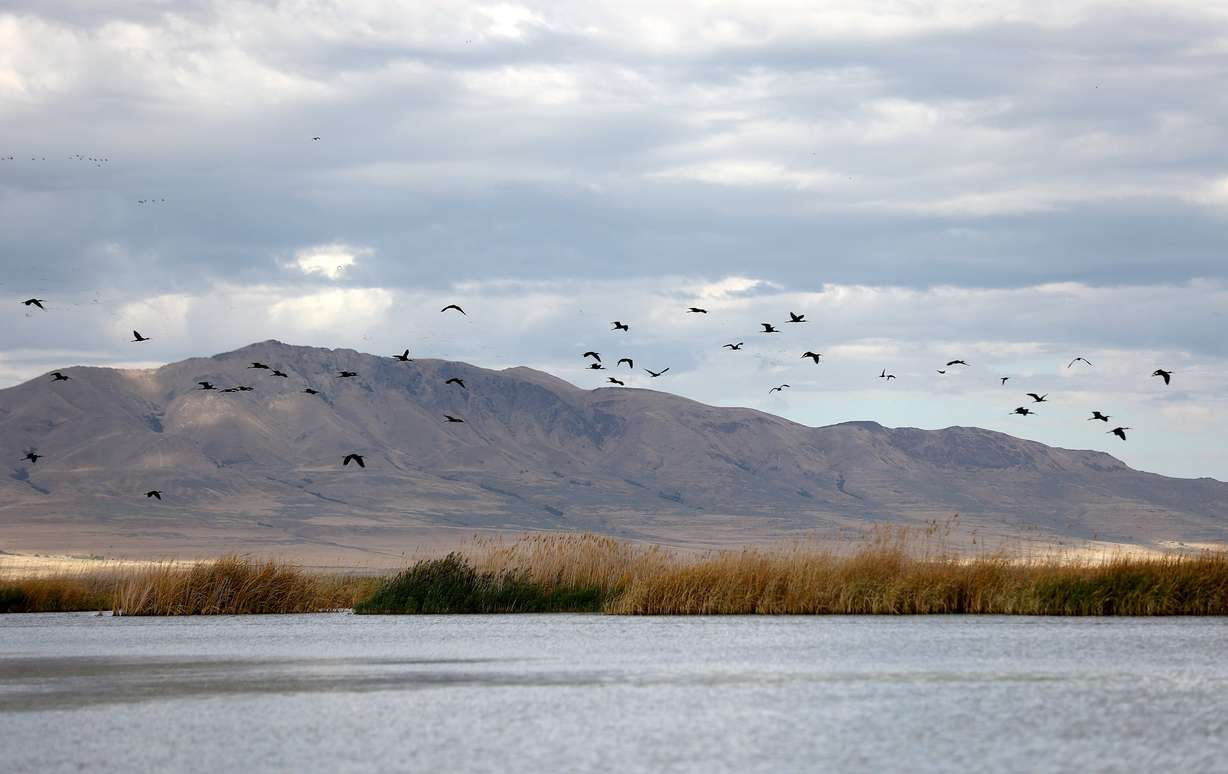
"The cheapest and easiest thing to do would just be to put water back into the lake," said Mallia.
In the panel discussion, Owens Lake in Inyo County, California, became a prime example of why the speakers thought this way.
At Owens Lake, various physical and engineering modifications were implemented to prevent dust from blowing — such as drilling wells in the lakebed to keep the playa moist and installing structures such as solar panels.
A new collaborative report from the University of Utah weighed the potential costs of controlling the dust while also looking at the long-term benefits of stabilizing lake levels — using Owens Lake as a case study.
"When we did the math of what these dust mitigation techniques would cost (in the Great Salt Lake), it just ends up costing anywhere from hundreds of millions to billions of dollars," Mallia said. "It gets really expensive really really quickly.
"I think that these other dust mitigation techniques are viable, but you're really just treating the ailment and not actually fixing the ailment itself," he added.