Estimated read time: 4-5 minutes
- Salt Lake City considers expanding The Other Side Village from 8.1 to 37.5 acres.
- The expansion would increase total housing units from 60 to 420, with many previously experiencing chronic homelessness.
- A public hearing for proposed below-market lease is set for Dec. 1; potential vote on Dec. 8.
SALT LAKE CITY — Utah's capital city will soon decide whether to allow a community design to address chronic homelessness to quadruple in land size while maintaining a "discounted" land lease with the city.
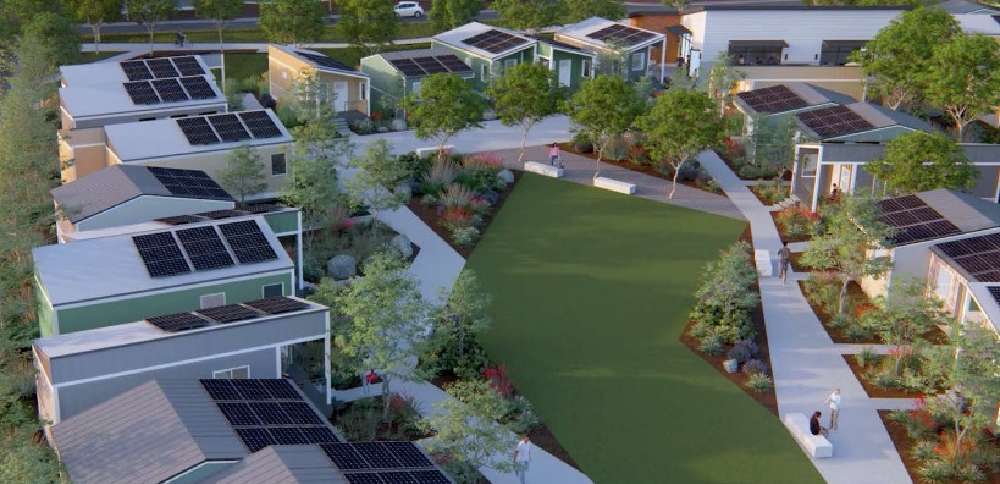
The expansion — a jump from 8.1 acres to 37.5 acres — would allow The Other Side Village, located near 1882 W. Indiana Avenue, to increase from 60 total residential units to 420 units, with 378 dedicated as affordable units, according to Salt Lake City documents.
Plans also call for 14,400 square feet of additional neighborhood centers, as well as 16,000 square feet of retail and a non-denominational chapel, in addition to the 30,000 square feet of existing space for neighborhood and community centers and social enterprise buildings.
City leaders will hold a public hearing about it next week before a City Council vote tentatively scheduled for later next month.
Tackling chronic homelessness
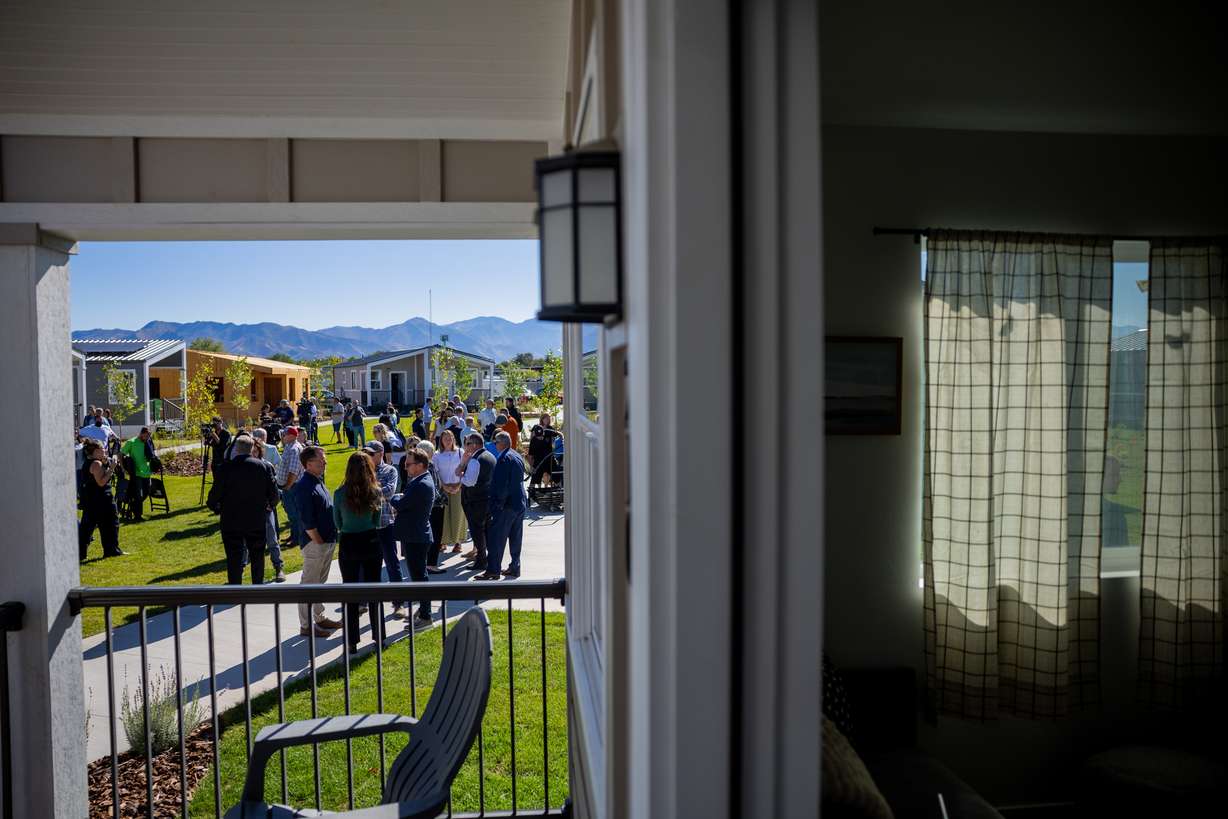
The Other Side Village opened at the end of 2024 with 32 homes for people who had experienced chronic homelessness and completed an extensive recovery program led by The Other Side Academy. Its first phase called for 60 "deeply affordable" rental homes within a complex that also offers supportive services.
All of it started after Salt Lake City leaders passed a resolution in 2022 that allowed for a $40, 40-year "discounted land lease" on 8 acres of city-owned land to test out the concept to address the area's homelessness, as it started spiking after the pandemic.
Nearly two years later, city officials say the initial village pilot program has shown that it can provide "long-term, community-supported housing to residents who have experienced chronic homelessness."
That's not without some scrutiny about the Other Side Academy, which owns the village. Its strict rules and intensity in treating addiction were the subject of an investigation by The Utah Investigative Journalism Project in June, where alumni had conflicting views on them.
Joseph Grenny, co-founder of the academy and village, defended the academy's practices. He has also envisioned the homeless village being much larger.
The village's founders announced last year that they secured $30 million toward their goal of building out the full vision.
They have now collected $39 million of the estimated $57 million buildout cost, with another $12 million "in the fundraising pipeline," per city documents. It includes funds allocated by the state, as well as large donations from The Church of Jesus Christ of Latter-day Saints and multiple "public and philanthropic donors."
"We support initiatives that restore dignity, open doors to opportunity and bring real hope," said Gail Miller, one of the donors, last year. "This is more than housing."
The goal is to eventually be "self-reliant," meaning that revenue collected from side businesses like the Other Side Donuts, which also offered jobs to people in recovery programs, could help fund the village without relying on ongoing fundraising, Grenny explained last year.
Seeking an expansion
Salt Lake City is now considering a similar lease offer for the expanded land. It would collect a $2-per-year lease while offering more land to develop on through at least October 2063.
The proposed land would be adjacent to the existing village, from the 45.1 acres the city owns in the area, valued at over $20 million. In exchange, the city would receive a boost in efforts to combat homelessness.
"The expansion project advances the city's reasonable goals and objectives to increase the availability of affordable housing, provide job training and support the city's unsheltered population on a path to stable housing," Salt Lake City Department of Community and Neighborhood officials wrote in a memo to the City Council,
It can also be offered at scales the city likely couldn't provide on its own, thus a below-market ground lease is "an appropriate use of City resources," they added.
At least 324 residential units will be constructed and made affordable for individuals or families meeting the U.S. Department of Housing and Urban Development's definition of "chronically homeless and homeless," per the proposal. HUD defines it as someone experiencing homelessness for at least 12 months or on at least four separate occasions within three years.
At least 5% of the affordable units must be wheelchair accessible, while only 10% of all units can have unrestricted rents tied to staff only, among other conditions, per the city's proposed term sheet.
Various other entities can generate revenue put back into the village operations. The Other Side Village would also accept environmental remediation, construction, operation and maintenance costs tied to the land.
The City Council will hold a public hearing on the measure on Dec. 1. The hearing will begin at 7 p.m. at Salt Lake City Hall (451 S. State).
A formal vote to allow the below-market lease is tentatively slated for Dec. 8.